
TL;DR
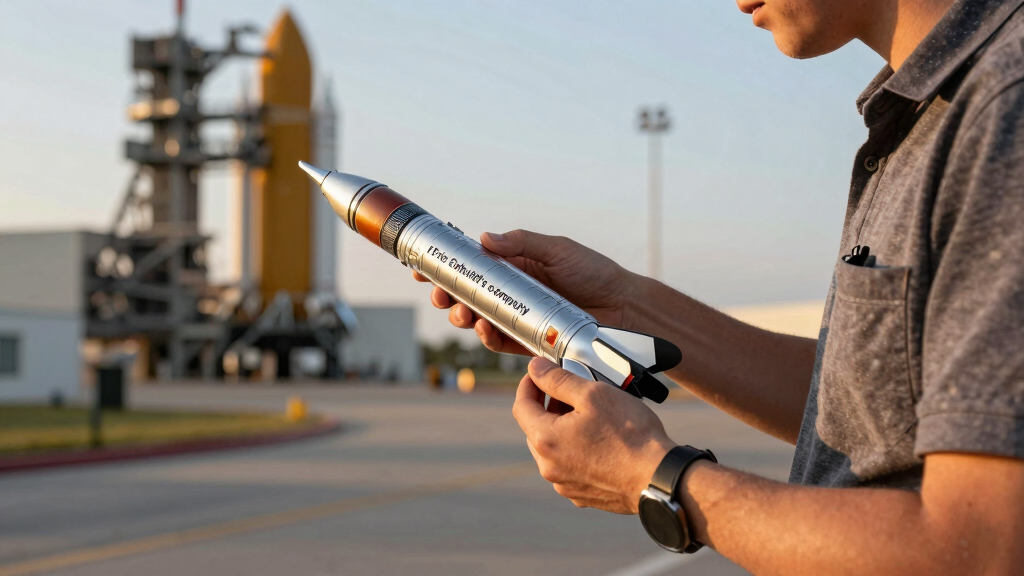
NASA has officially selected Relativity Space, led by Eric Schmidt, for a Mars mission scheduled for 2028. The company will provide the spacecraft, rocket, and operations for deploying atmospheric sensors on Mars. This partnership highlights the growing role of private firms in space exploration.
NASA has selected Relativity Space, led by former Google CEO Eric Schmidt, to carry out a mission to Mars in 2028. The partnership involves Relativity providing the spacecraft, rocket, and cruise operations to deploy an atmospheric research payload on Mars, marking a significant step in private sector involvement in planetary exploration.
The mission, named Aeolus, will deliver a payload equipped with four instruments designed to study Martian winds, temperatures, dust, and clouds. NASA states that this data will directly inform future entry, descent, and landing systems, improving safety and predictability for crewed missions.
Relativity Space, founded by former Google executive Eric Schmidt who became CEO in 2025, will utilize its upcoming Terran R rocket for this mission. The company previously launched the world’s first 3D-printed rocket, Terran 1, which failed shortly after launch. Its larger Terran R rocket is scheduled for its first launch later this year.
This collaboration is part of a broader trend of NASA partnering with private companies to expand space exploration capabilities, with the goal of reducing costs and increasing mission flexibility.
Implications of NASA’s Selection of Relativity Space
This partnership marks a notable shift toward increased reliance on private companies for critical space exploration missions. It demonstrates NASA’s strategy to leverage commercial innovation to achieve its planetary exploration goals more efficiently. The involvement of Relativity Space, with its advanced 3D printing technology and upcoming heavy-lift rocket, could accelerate the development of more cost-effective and flexible launch options for future missions.
Additionally, this mission aims to improve understanding of the Martian atmosphere, which is essential for future crewed missions and long-term human presence on Mars. The successful deployment of the Aeolus payload could influence the design of entry, descent, and landing systems for subsequent missions, including NASA’s Artemis program and potential Mars colonization efforts.
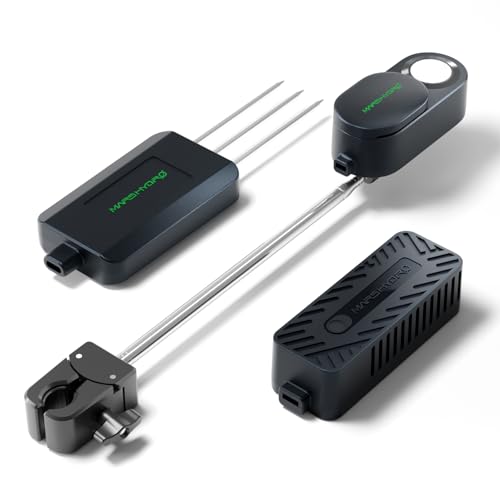
Mars Hydro PPFD CO2 Soil Sensor Kit Indoor Growing Environmental Monitor
- Compatibility Requirement: Works with iControl or iHub Pro systems
- PPFD Sensor: Monitors light intensity for optimal growth
- Automatic Light Adjustment: Adjusts light output based on plant needs
As an affiliate, we earn on qualifying purchases.
As an affiliate, we earn on qualifying purchases.
Background on NASA-Relativity Partnership
Relativity Space, founded by former Google executive Eric Schmidt, has gained attention for its innovative use of 3D printing in rocket manufacturing. In 2023, the company launched the world’s first 3D-printed rocket, Terran 1, which experienced a failure shortly after launch. Its larger, reusable Terran R rocket is expected to make its first flight later this year.
NASA has increasingly partnered with private companies to develop launch systems and spacecraft, aiming to reduce costs and foster innovation. Previous collaborations include SpaceX’s Mars missions and the Artemis program, which aims to return humans to the Moon. The selection of Relativity Space for a Mars mission underscores NASA’s commitment to diversifying its commercial partnerships.
The Aeolus mission builds on prior atmospheric studies and aims to provide the first comprehensive, real-time atmospheric data from Mars, which is vital for future crewed exploration and scientific understanding.
“We are proud to support NASA’s vision of exploring Mars and look forward to deploying our innovative launch technology for this historic mission.”
— Relativity Space CEO Eric Schmidt
Unanswered Questions About Mission Details
Specific details about the spacecraft design, launch timeline, and mission duration are still emerging. It is not yet clear how the payload will be integrated with the Terran R rocket or the exact timeline for launch preparations.
Additionally, the full scope of the atmospheric instruments and the expected scientific outcomes remain to be detailed by NASA and Relativity Space in upcoming announcements.
Next Steps in Mission Planning and Development
Relativity Space is expected to finalize the spacecraft and payload design in the coming months, with detailed launch schedules to follow. NASA will continue coordinating with the company to ensure mission readiness, aiming for a launch window in late 2027 or early 2028. Further updates on technical specifications and mission milestones are anticipated as development progresses.
Key Questions
What is the main goal of the Aeolus mission?
The primary goal is to deploy instruments that will study Martian atmospheric conditions—winds, temperatures, dust, and clouds—to support future crewed missions and improve landing safety.
Why is NASA partnering with Relativity Space?
NASA aims to leverage private sector innovation and reduce costs by partnering with companies like Relativity Space, which offers advanced manufacturing and launch capabilities.
When is the launch expected?
The mission is targeted for launch in late 2027 or early 2028, with detailed scheduling to be confirmed as development progresses.
What makes Relativity Space’s rockets unique?
The company is known for its use of 3D printing technology in rocket manufacturing, which aims to lower costs and enable rapid production of launch vehicles.
Will this mission carry humans to Mars?
No, this mission is focused on atmospheric research and does not involve crewed transportation. It aims to support future human exploration efforts.
Source: The Verge