
To cut bills with your smart thermostat without sacrificing comfort, focus on creating energy-efficient schedules, using geofencing to adjust settings based on your location, and enabling auto-shift features that adapt to routines. Regularly review and tweak your preferences for seasonal changes and occupancy patterns. Proper maintenance, like filter checks, also helps. If you want to discover more tips on optimizing your setup for savings and comfort, stick around for practical insights.
Key Takeaways
- Use occupancy detection and auto-shift features to adjust temperatures only when rooms are occupied.
- Implement geofencing to automatically lower or raise temperatures based on your presence.
- Develop personalized weekly schedules with seasonal adjustments for consistent comfort and savings.
- Regularly review and tweak settings to match changing routines and weather conditions.
- Enable eco-friendly modes and optimize fan and humidity controls to reduce energy use without sacrificing comfort.

Amazon Smart Thermostat – Save money and energy – Works with Alexa and Ring – C-wire required
Smart upgrade – Amazon Smart Thermostat is an easy way to switch from a traditional thermostat and help…
As an affiliate, we earn on qualifying purchases.
As an affiliate, we earn on qualifying purchases.
How to Use Your Smart Thermostat Settings to Save Money and Stay Comfortable
To maximize savings and comfort, knowing how to set your smart thermostat effectively is vital. You can leverage its features for energy conservation by adjusting temperatures when you’re home or away, ensuring you’re not heating or cooling an empty house. Use home automation capabilities to create triggers, such as lowering the temperature at night or during work hours, reducing energy waste. Take advantage of learning algorithms that adapt to your routines, automatically optimizing settings over time. Set your thermostat to eco-friendly modes when possible, and enable geofencing to detect your presence. These strategies help cut energy costs while maintaining comfort, making your home smarter and more efficient. Additionally, understanding the protocols and communication standards that your device uses can help troubleshoot issues and enhance integration with other smart home systems. Being aware of these standards also enables better device interoperability, allowing your smart thermostat to work seamlessly with your existing smart home ecosystem. Properly using your smart thermostat’s settings empowers you to save money without sacrificing comfort. Recognizing how communication protocols function can also facilitate firmware updates and improve overall device performance. Knowing the security measures implemented by your device can further protect your home network and data privacy.

Honeywell Home RTH8800WF2022, T5 WiFi Smart Thermostat, 7 Day-Programmable Touchscreen, Alexa Ready, Geofencing Technology, Energy Star, C-Wire Required
High use of the scheduling feature of the T5 thermostat saved customers between 8 and 16% on heating…
As an affiliate, we earn on qualifying purchases.
As an affiliate, we earn on qualifying purchases.
Creating Energy-Efficient Temperature Schedules
To save energy and stay comfortable, you should create tailored temperature schedules. Set weekly routines that match your lifestyle, and adjust them based on occupancy patterns. Using auto-shift features can help automatically optimize your thermostat settings throughout the day. Incorporating AI-powered scheduling can further enhance efficiency by learning your habits and adjusting settings accordingly. Additionally, integrating connected home devices can provide real-time feedback and automatic adjustments to maintain ideal comfort levels.
Set Weekly Temperature Routines
Have you ever wondered how setting a weekly temperature routine can save energy and lower your bills? By creating a consistent schedule, you guarantee your thermostat maintains the right temperature at the right times. Start with proper temperature calibration to avoid unnecessary heating or cooling. Incorporate seasonal adjustments to account for changing weather, reducing energy waste during colder or hotter months. Set specific temperature targets for mornings, evenings, and overnight, and stick to them throughout the week. This routine prevents your system from running unnecessarily when you’re asleep or away. Regularly review and tweak your schedule to match your lifestyle and seasonal shifts. With a well-planned weekly routine, you’ll enjoy comfort while maximizing energy efficiency and savings.
Adjust for Occupancy Patterns
Adjusting your thermostat for occupancy patterns guarantees your heating and cooling are active only when needed. By utilizing occupancy detection and room-specific controls, you optimize energy use and comfort. When a room is unoccupied, the thermostat can lower or raise temperatures accordingly, preventing unnecessary energy waste. This tailored approach ensures your system responds precisely to your schedule. Consider this table to understand the impact:
| Room | Occupancy Detection | Temperature Adjustment |
|---|---|---|
| Living Room | Detects presence | Maintains comfortable temp |
| Bedroom | Detects absence | Saves energy overnight |
| Kitchen | Detects activity | Adjusts for cooking needs |
Properly adjusting for occupancy patterns makes your system more efficient, saving money while keeping you comfortable. Occupancy detection systems can further enhance this process by providing more accurate data for temperature adjustments.
Utilize Auto-Shift Features
Utilizing auto-shift features allows your thermostat to automatically modify temperature settings based on your daily routines, maximizing energy savings without sacrificing comfort. These auto shift functions adjust your heating or cooling schedule as your habits change, ensuring you’re not wasting energy when you’re away or asleep. Proper temperature calibration is essential to optimize these features, making sure your thermostat accurately senses and responds to your environment. Mastering temperature calibration ensures your system operates efficiently and responds correctly to your settings. Additionally, understanding sensor accuracy can help you fine-tune your system for better performance. By setting an appropriate schedule and enabling auto-shift, you create an energy-efficient temperature plan that adapts seamlessly to your lifestyle. This not only reduces energy consumption but also extends the lifespan of your HVAC system. Proper calibration is crucial to ensure the auto-shift features work effectively and provide maximum savings. Additionally, leveraging energy-efficient components can further enhance your thermostat’s performance and savings. Implementing smart thermostat settings can help you optimize your energy use and reduce utility bills while maintaining comfort. Take advantage of auto-shift capabilities to maintain a comfortable home while keeping your bills under control.
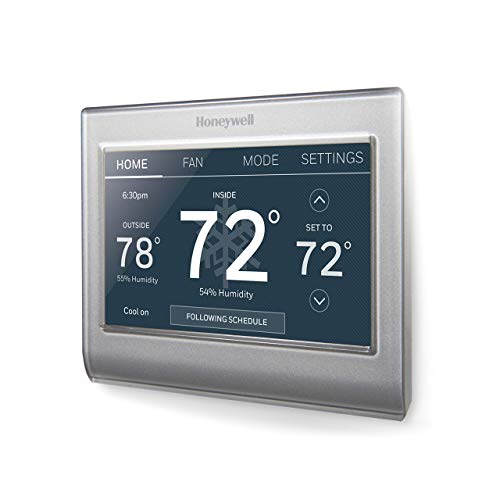
Honeywell Home RTH9585WF1004 Wi-Fi Smart Color Thermostat, 7 Day Programmable, Touch Screen, Energy Star, Alexa Ready, Gray
COMFORT COMES IN YOUR COLOR. Personalize your Wi-Fi Smart Color Programmable Thermostat to fit your décor.
As an affiliate, we earn on qualifying purchases.
As an affiliate, we earn on qualifying purchases.
Using Geofencing to Save Energy and Reduce Waste
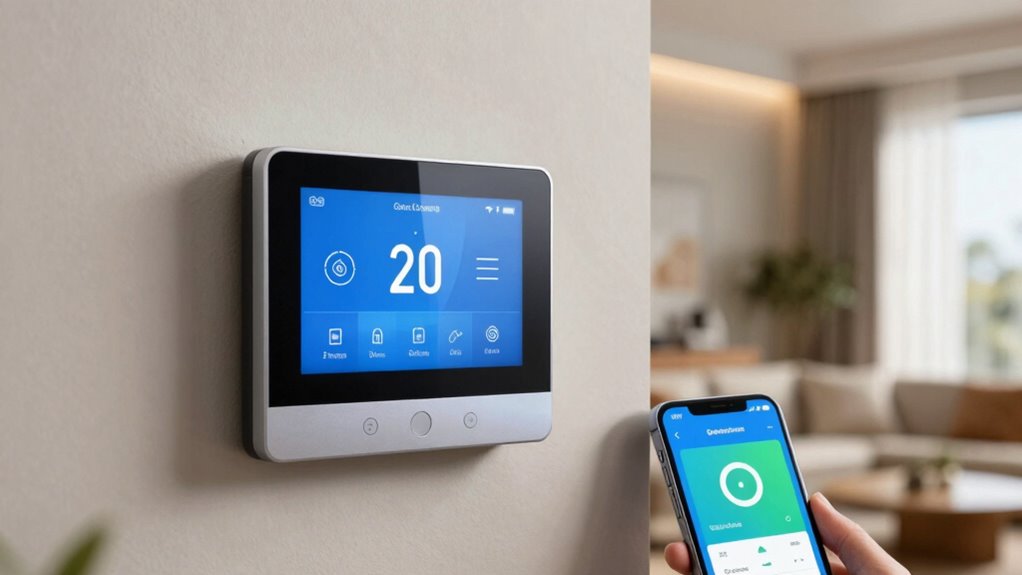
Setting up your geofence zone is simple and helps your thermostat know when you’re home or away. Once it’s in place, you can adjust your temperature preferences to maximize energy savings. This way, your system only works hard when you really need it. Proper filter sizing and flow can also contribute to overall efficiency by ensuring your system runs smoothly without unnecessary strain. Additionally, maintaining spinal alignment during sleep can reduce physical stress, indirectly supporting a healthier and more energy-efficient lifestyle. Ensuring your HVAC system operates efficiently can further enhance your energy savings and system longevity, especially when integrated with smart home automation features for optimized control. Regular system maintenance and inspections are crucial for keeping your energy-efficient setup performing at its best.
Geofence Zone Setup
When you set up a geofence zone on your smart thermostat, you create a virtual boundary around your home or specific areas, allowing the device to detect when you enter or leave. This is part of the geofence zone setup, which uses location-based controls to optimize your heating and cooling. By establishing these zones, your thermostat can automatically adjust settings based on your presence, ensuring comfort when you’re home and saving energy when you’re away. To get started, specify the boundaries of your geofence on the app or device interface. Make sure your smartphone’s location services are enabled. Proper setup guarantees your thermostat responds accurately to your movements, reducing waste without sacrificing comfort. Incorporating routine automation can further enhance energy efficiency and convenience. Utilizing personalized settings based on your schedule helps optimize energy use even further, aligning comfort with your daily routines. Effective use of geofencing technology not only helps lower energy bills but also minimizes environmental impact. Additionally, regularly reviewing and adjusting your geofence zones can ensure ongoing energy savings as your routines change.
Adjusting Temperature Preferences
Adjusting your temperature preferences with geofencing allows your thermostat to automatically modify settings based on your presence, helping you save energy and reduce waste. To optimize this, verify your thermostat is properly calibrated for accuracy, so it responds precisely to your settings. Seasonal adjustments are also essential—temperatures that feel comfortable in winter might be too warm in summer. Regularly update your preferences to match changing weather conditions, which can maximize energy savings. When you set your preferences correctly, your thermostat can intelligently lower or raise temperatures when you’re away or asleep. This seamless adjustment reduces unnecessary heating or cooling, making your smart thermostat more efficient and cost-effective without sacrificing comfort. Incorporating regional climate patterns and insights can also help you better understand how local climate patterns affect your optimal settings. Additionally, understanding early warning signs can help you identify potential issues with your heating and cooling systems, ensuring your adjustments are always effective.

SSA 10.1" Smart Digital Calendar Family Hub | Touchscreen Display,Customizable Chore & Meal Planner, Grocery List, Schedule Planner Sync with Phone App, Ideal for Parents
📆 【All-in-One Digital Calendar & Family Hub】 SSA smart wall calendar revolutionizes family coordination with seamless app and…
As an affiliate, we earn on qualifying purchases.
As an affiliate, we earn on qualifying purchases.
Optimizing Humidity and Fan Settings for Better Comfort
To achieve ideal comfort with your smart thermostat, paying attention to humidity and fan settings is essential. Proper humidity control prevents the air from feeling damp or dry, making your home more comfortable and reducing energy use. Adjust the humidity levels based on the season—lower in summer, higher in winter. Simultaneously, optimize fan speed to improve air circulation without wasting energy. A higher fan speed can help distribute conditioned air evenly, while a lower setting conserves power. Experiment with these settings to find the balance that keeps your home comfortable without overworking your system. Remember, fine-tuning humidity and fan speed enhances overall comfort and can even improve indoor air quality. Small adjustments can lead to noticeable improvements in your daily comfort.
Common Mistakes to Avoid When Adjusting Your Smart Thermostat
While fine-tuning humidity and fan settings can make your home more comfortable, many people make common mistakes that reduce the effectiveness of their smart thermostat adjustments. One mistake is relying too heavily on manual overrides, which can disrupt your programmed schedule and cause inconsistent temperatures. Avoid frequently changing settings on the fly, as this can lead to unnecessary energy use and noticeable temperature swings. Instead, aim to set your thermostat based on your routine and let it adapt automatically. Additionally, ignoring the importance of gradual adjustments can cause your system to work harder than necessary. Be patient with changes and monitor how your home responds over time. By avoiding these pitfalls, you’ll ensure your smart thermostat works efficiently while maintaining comfort.
Expert Tips for Customizing Your Thermostat for Maximum Savings
Maximizing your savings with a smart thermostat starts with customizing it to match your daily routine. During smart thermostat installation, guarantee settings reflect your schedule, so you’re not heating or cooling an empty house. Use energy saving tips like setting lower temperatures when you’re away and adjusting the thermostat slightly during sleep hours. Take time to explore your device’s features, such as geofencing or adaptive scheduling, to automate comfort and efficiency. Regularly review your usage patterns and tweak settings accordingly. Avoid common mistakes like leaving the thermostat at constant temperatures or ignoring the learning capabilities of your device. By personalizing your settings based on your lifestyle, you’ll optimize energy savings without sacrificing comfort.
Frequently Asked Questions
How Does a Smart Thermostat Differ From Traditional Models?
A smart thermostat differs from traditional models by learning your schedule and adjusting temperatures automatically, saving you money. You handle manual installation, but it often faces compatibility issues with older systems. Unlike basic thermostats, smart versions let you control settings remotely via apps, offering convenience and energy efficiency. This smarter approach helps you stay comfortable without wasting energy, making it a better investment for your home.
Can Smart Thermostats Integrate With Other Smart Home Devices?
Imagine your smart home as a symphony, seamlessly playing together. Yes, smart thermostats integrate with other devices, enhancing your comfort. You can control them via voice commands or remote access, making adjustments effortless no matter where you are. This compatibility allows you to optimize energy use, automate routines, and create a cohesive smart home experience, all while enjoying the convenience of technology working harmoniously behind the scenes.
What Security Features Should I Look for in a Smart Thermostat?
You should look for smart thermostats with strong security protocols and data encryption to protect your personal information. Make certain the device offers secure Wi-Fi connections and regular firmware updates. Check if it supports two-factor authentication for added security and has a clear privacy policy. These features help prevent hacking or unauthorized access, giving you peace of mind while enjoying the energy-saving benefits of your smart thermostat.
How Does a Smart Thermostat Learn My Household Habits?
Your smart thermostat becomes your household’s psychic by using advanced learning algorithms and sensor data analysis. It observes your routines, like when you wake up or leave home, and adapts instantly. It constantly learns from your habits, making tiny adjustments to keep you comfortable and save energy. Over time, it predicts your needs more accurately than you could ever imagine, ensuring perfect comfort without you lifting a finger.
Are There Specific Brands Known for Better Energy Savings?
You’ll find that brands like Nest, Ecobee, and Honeywell are known for better energy savings, thanks to their strong reputation and energy-efficient features. These brands often include smart scheduling, adaptive learning, and remote control options that help cut your bills. By choosing a reputable brand, you guarantee your thermostat maximizes energy efficiency, giving you comfort and savings without sacrificing performance.
Conclusion
By mastering your smart thermostat settings, you’re crafting a cozy sanctuary that whispers warmth without draining your wallet. Think of it as tuning a musical instrument—each adjustment hits the perfect note of comfort and savings. With a little finesse, your home becomes a symphony of efficiency, where energy flows smoothly like a gentle breeze, and your bills shrink like shadows at sunset. Embrace these tips, and let your home breathe easy, beautifully balanced between comfort and cost.