
TL;DR
WhatsApp has launched a new bill payment feature in India, allowing users to pay household and utility bills directly within the app. Powered by Bharat Connect, it offers access to over 22,700 billers across 30 categories, streamlining everyday payments.
WhatsApp has officially launched a bill payment feature in India, allowing users to pay household utility bills directly within the app. This development enables millions of users to manage and settle bills for electricity, water, gas, insurance, and more, all without leaving WhatsApp. The feature, powered by the Bharat Connect (BBPS) network, marks a significant step in integrating digital payments into daily routines, making routine financial tasks more accessible and seamless.
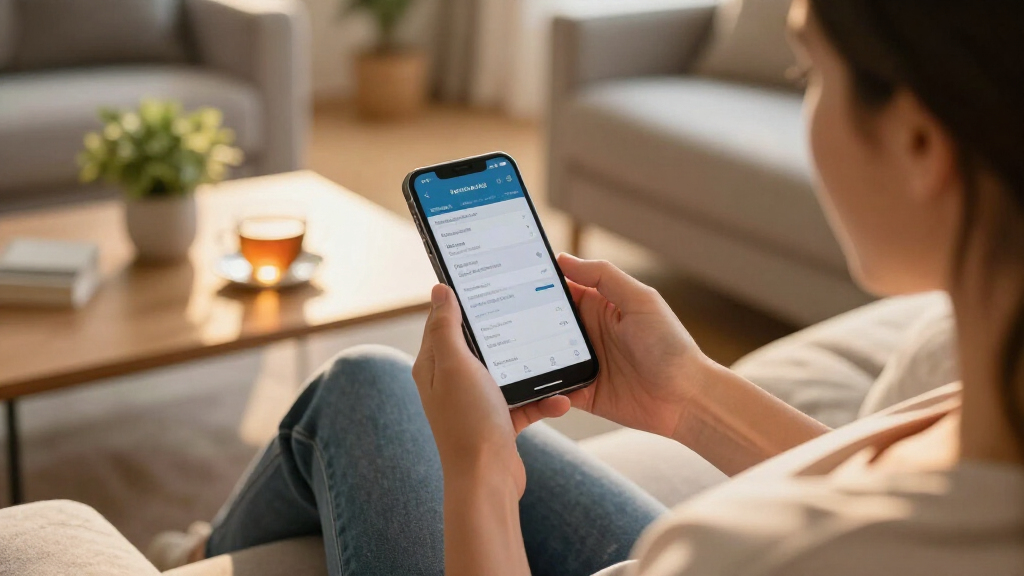
The new bill payment feature on WhatsApp provides access to over 22,700 billers across 30 categories, including electricity, gas, water, FASTag, insurance, credit card, and loan repayments. Users can view upcoming bills, past payments, and manage multiple accounts under a single provider within the app. To use the feature, users tap the ₹ icon on the home screen, select the bill category and biller, add account details, review the bill amount, choose a payment mode such as UPI, debit, or credit card, and confirm the payment. This process is designed to be as simple as sending a message, emphasizing ease and security.
According to Arun Srinivas, Managing Director and Country Head of Meta India, the goal is to bring the same simplicity of messaging to routine financial tasks. The feature aims to reduce the need for juggling multiple apps or tracking due dates, especially benefiting users in remote and underserved areas of the country. The rollout is gradual, with availability expected on both Android and iOS devices over the coming weeks, expanding access across India.
Paying Everyday Bills Directly on WhatsApp
WhatsApp has launched a bill payment feature in India powered by the Bharat Connect (BBPS) network. Millions of users can now settle electricity, water, gas, insurance, and loan bills without ever leaving the app — making routine financial tasks as simple as sending a message.
Six Taps From Bill to Paid
The payment flow is designed to mirror the simplicity of messaging — no separate apps, no queues, no tracking due dates across platforms.
Tap the ₹ Icon
Open WhatsApp and tap the rupee icon at the top of the home screen.
Select Category
Choose from 30 bill categories, from electricity to FASTag.
Pick Your Biller
Access 22,700+ billers connected via the Bharat Connect network.
Add Account Details
Link multiple accounts — home, office, or family — under one provider.
Review & Choose
See upcoming bills and past payments, then pick UPI, debit, or credit card.
Confirm Payment
Authorise securely and the bill is settled — all inside the chat.
What You Can Pay
Everyday household utilities dominate the launch, but the BBPS network extends far beyond the basics.
Electricity · Water · Gas
Core household bills are the anchor use case — view amounts, due dates, and payment history in one place.
FASTag · Credit Card · Loans
Recharge toll tags and service debt repayments alongside regular utility bills within the same interface.
Insurance & More
Insurance premiums and 27+ additional categories round out a unified bill payment hub, with further billers expected.
Implications for Indian Users
Integrating payments into India’s most-used messaging app could reshape financial inclusion — but open questions remain about scale and trust.
Over 400 million users gain a familiar channel for payments — especially impactful for populations less comfortable with traditional banking apps.
The feature aligns with government goals, reducing reliance on cash and physical visits to bill payment centers in rural and semi-urban India.
Social platforms are blurring the line between communication and financial services, following the rapid growth of UPI.
Adoption speed across regions, data privacy details, and integration with banking infrastructure remain to be fully clarified as the rollout progresses.
The Road to This Launch
WhatsApp’s journey into Indian payments took years of regulatory navigation before reaching full BBPS integration.
What Users Are Asking
Quick answers to the most common questions about the new feature.
Q.How do I access bill payments?
Tap the ₹ icon on the home screen, select your bill category and biller, add account details, review the bill, choose a payment mode, and confirm.
Q.Which categories are supported?
Electricity, water, gas, FASTag, insurance, credit card, and loan payments — among more than 30 available categories.
Q.Is this feature secure?
WhatsApp emphasizes security and encryption, but users should stay on official channels. Specific protocols are not fully disclosed yet.
Q.Will rural areas get access?
The rollout aims to reach all of India gradually, though adoption depends on smartphone penetration, digital literacy, and network availability.
Q.Can I manage multiple accounts?
Yes — users can manage bills for multiple accounts, such as home, office, or family, under a single provider within the app.
Q.What comes next?
Expanded availability on Android and iOS, additional billers, educational campaigns on digital literacy, and regulator assessments of financial inclusion impact.
The Payment Chain
As Arun Srinivas, Managing Director and Country Head of Meta India, puts it: the goal is to bring the same simplicity of messaging to routine financial tasks — reducing the need to juggle multiple apps or track due dates, especially for users in remote and underserved areas.
Implications of Bill Payments Integration for Indian Users
The integration of bill payments into WhatsApp represents a major shift in digital payments in India, leveraging the platform’s widespread popularity. With over 400 million users, WhatsApp’s move to facilitate utility payments could significantly increase financial inclusion, especially among populations that are less familiar with traditional banking apps. It simplifies routine financial tasks, potentially reducing the reliance on cash and physical visits to bill payment centers. This development aligns with India’s broader push toward digital financial services and could accelerate the adoption of digital payments in rural and semi-urban areas, where smartphone penetration is growing but banking infrastructure remains limited.
Furthermore, the seamless experience within WhatsApp may encourage more users to adopt digital payment methods, contributing to the government’s goals of a less-cash economy. It also highlights the increasing role of social messaging platforms in financial services, blurring the lines between communication and commerce. However, the success of this initiative depends on user trust, security measures, and the ability to scale effectively across diverse regions.
As an affiliate, we earn on qualifying purchases.
Background on WhatsApp’s Digital Payment Initiatives in India
WhatsApp has been a dominant communication tool in India for years, with over 400 million users. The platform has previously integrated features like recharges, ticket bookings, and citizen services, establishing itself as a versatile digital interface. In 2018, WhatsApp received approval from the Reserve Bank of India (RBI) to pilot a payments feature, but broader rollout was delayed amid regulatory concerns and security considerations. Since then, WhatsApp has partnered with the Bharat Bill Payment System (BBPS) to enable bill payments, marking a significant step in its expansion into financial services.
The Bharat Bill Payment System is a government-backed platform that consolidates bill payments across multiple service providers, offering a unified interface for consumers. The integration of WhatsApp with BBPS aims to leverage the platform’s ubiquity to increase adoption of digital payments. This move follows a series of initiatives by Indian regulators to promote digital financial inclusion, including the Unified Payments Interface (UPI), which has seen rapid growth. WhatsApp’s new feature aligns with these efforts by providing a familiar, accessible channel for routine payments.
Unresolved Aspects of the Rollout and Adoption
While the feature is rolling out gradually across India, it is not yet clear how quickly it will reach all users or how widely it will be adopted in different regions. Details about user security, data privacy, and integration with existing banking infrastructure remain to be fully clarified. Additionally, the extent to which users will embrace paying bills through WhatsApp, especially in rural areas with limited digital literacy, is still uncertain. The long-term impact on traditional bill payment channels and banking habits will become clearer as the rollout progresses.
Next Steps for Broader Adoption and User Engagement
Over the coming weeks, WhatsApp plans to expand the availability of the bill payment feature across India, aiming for full coverage on both Android and iOS devices. The company will likely monitor user feedback, security concerns, and transaction volumes to refine the experience. Further integrations with additional billers and categories could follow, along with educational campaigns to promote digital literacy and trust. Regulators and partners will assess the impact on financial inclusion and the shift in consumer behavior, shaping future updates and features.
Key Questions
How do I access bill payments on WhatsApp?
Open WhatsApp, tap the ₹ icon at the top of the home screen, select your bill category and biller, add account details, review the bill, choose a payment mode, and confirm.
Which bill categories are supported?
Supported categories include electricity, water, gas, FASTag, insurance, credit card, and loan payments, among others, with over 30 categories available.
Is this feature secure?
WhatsApp emphasizes security and encryption for transactions, but users should remain cautious and ensure they are on official channels when making payments. Details about specific security protocols are not fully disclosed yet.
Will this feature be available in rural areas?
The rollout aims to reach users across India gradually, including rural regions. Adoption depends on smartphone penetration, digital literacy, and network availability in those areas.
Can I pay bills for multiple accounts through WhatsApp?
Yes, users can manage bills for multiple accounts—such as home, office, or family—under a single provider within the app.
Source: rss