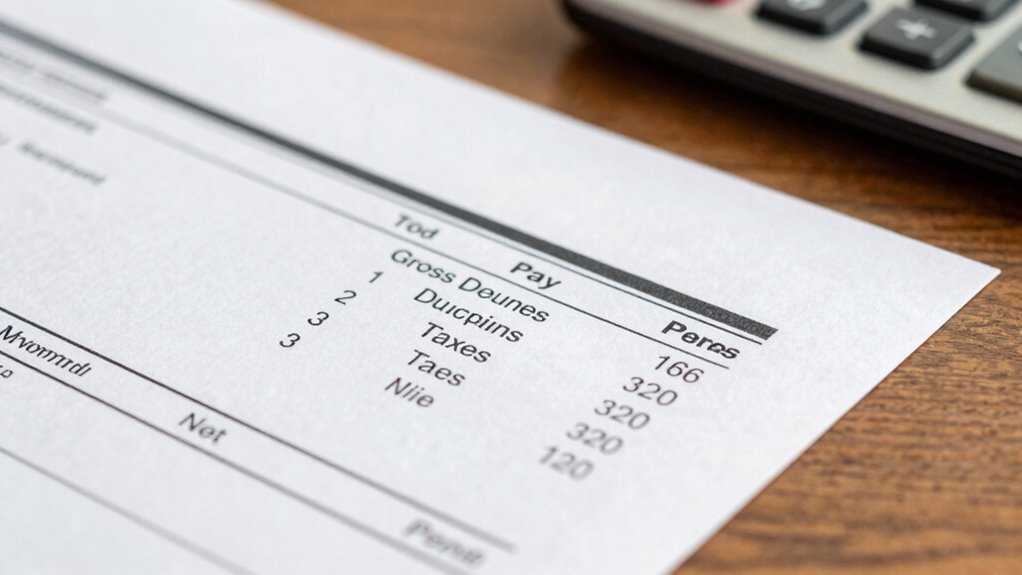

To understand your pay stub without guessing, start by verifying your gross pay and compare it with your hours worked and pay rate. Review each deduction, including taxes, insurance, and retirement contributions, ensuring they match your selections. Check the overtime hours and pay, confirming calculations are correct. Cross-verify totals and withholding amounts, and look for unnecessary or unfamiliar deductions. Keep these tips in mind, and you’ll gain clear insight into your paycheck details as you explore further.

Get the latest gadgets delivered free — and shop member deals
- Fast, free delivery on millions of items
- Access to Prime Big Deal Days deals on October 6–7
- Prime Video, Amazon Music and more included
Key Takeaways
- Identify and review your gross pay, including regular and overtime hours, to understand your total earnings.
- Examine itemized deductions for taxes, health, retirement, and other voluntary contributions for accuracy.
- Confirm that tax withholdings (federal, state, local) match your filing status and income level.
- Check overtime pay calculations to ensure hours worked and rates are correct.
- Cross-verify all voluntary deductions with your selections to prevent errors or discrepancies.
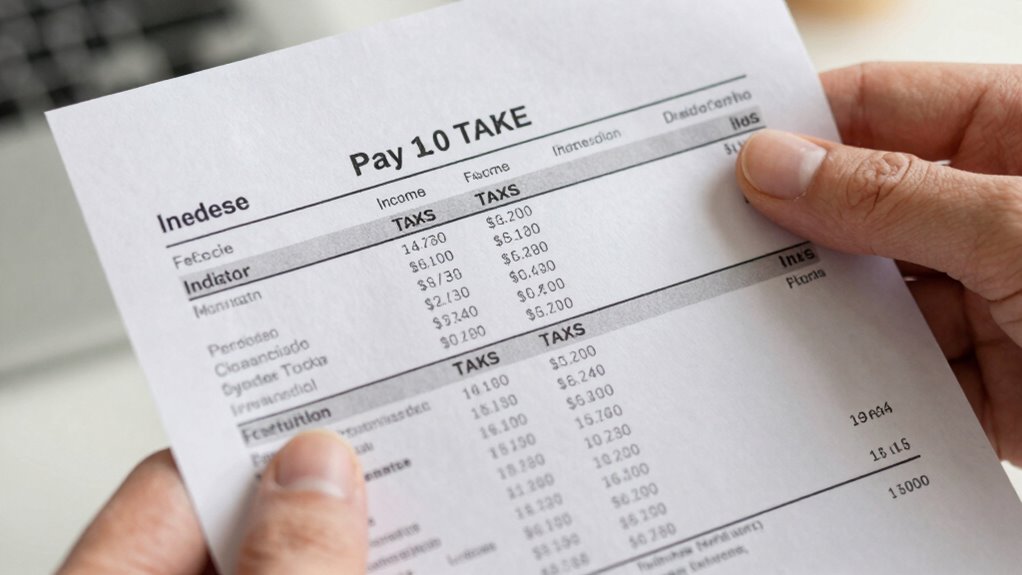
Understanding your pay stub might seem confusing at first, but with a little guidance, you can read it confidently and accurately. Your pay stub provides a detailed breakdown of your earnings and deductions, helping you understand where your money is coming from and where it’s going. One of the key areas to focus on is tax deductions. These are amounts taken out of your paycheck to cover federal, state, and local taxes. They might include Social Security, Medicare, income tax, and other voluntary or mandated deductions. Knowing how these are calculated helps you verify that your employer is withholding the correct amounts based on your income and filing status. Additionally, reviewing your tax deductions periodically can help you plan for year-end tax filing and avoid surprises.
Next, look at your gross pay, which is your total earnings before any deductions. From there, you’ll see various subcategories that subtract from this total, including tax deductions. These deductions are typically itemized, so you can see exactly how much is taken for each category. If you notice an unfamiliar deduction, don’t hesitate to ask your HR department or payroll provider for clarification. Understanding these details guarantees you’re not overpaying or underpaying taxes throughout the year.
Another important component of your pay stub is overtime calculations. If you work more than your standard hours, your employer likely pays you at a higher rate for those extra hours—often time and a half or double time. Your pay stub should clearly indicate how overtime pay is calculated and added to your regular wages. Check the hours worked, the overtime rate, and the total overtime pay to ensure everything aligns with your work schedule and employment agreement. This transparency helps you verify that you’re being compensated correctly for extra hours worked and prevents discrepancies in your paycheck.
Beyond taxes and overtime, your pay stub also includes other deductions and contributions, such as health insurance premiums, retirement plan contributions, or union dues. Review these line items carefully to ensure they match your selections and agreements. Sometimes, mistakes happen, and catching them early can save you money or help you correct errors promptly.
As an affiliate, we earn on qualifying purchases.
Frequently Asked Questions
What Do All the Abbreviations on My Pay Stub Mean?
Pay stub jargon and paycheck abbreviations can seem confusing at first, but once you understand them, it’s easier to interpret your pay stub. Common abbreviations include “Gross” for your total earnings before deductions, “Net” for take-home pay, “FICA” for Social Security and Medicare taxes, and “Deductions” for taxes and other withholdings. Look for these terms, and you’ll quickly grasp what each abbreviation on your pay stub means.
How Are Taxes Calculated on My Paycheck?
Taxes on your paycheck are calculated based on your income, tax deductions, and filing status. Your employer uses payroll accuracy to determine the correct withholding amount, considering federal, state, and local taxes. They apply the current tax rates and subtract applicable deductions, like healthcare or retirement contributions. This guarantees your paycheck accurately reflects your tax obligations, preventing over- or underpayment. Regularly reviewing your pay stub helps you stay informed about these calculations.
Why Is My Net Pay Different From My Gross Pay?
Your net pay differs from your gross pay because of paycheck deductions, which include taxes, health insurance, retirement contributions, and other withholdings. These pay stub terminology items are subtracted from your gross pay to determine your take-home amount. Review your pay stub carefully to see each deduction and understand how they impact your net pay. This way, you know exactly where your money goes and can verify the accuracy of your paycheck.
What Should I Do if I Find an Error on My Pay Stub?
If you find a payroll discrepancy, don’t just shrug it off—take action! You should immediately report the error to your payroll or HR department, knowing your employee rights protect you. Keep detailed records, including pay stubs and correspondence, to support your claim. Addressing errors swiftly can save you from future financial chaos. Remember, your rights empower you to verify your paycheck accurately reflects your hard work.
How Can I Compare My Pay Stub With Previous Pay Periods?
To compare your pay stub with previous pay periods, review the pay stub terminology like gross pay, deductions, and net pay. Look at the pay period dates and amounts, then line them up side by side for an accurate pay period comparison. This helps you identify any discrepancies in hours worked, rates, or deductions. By understanding these details, you guarantee your pay is correct and catch potential issues early.
Conclusion
Understanding your pay stub helps you take control of your finances and avoid surprises. Did you know that nearly 75% of employees don’t fully understand their pay statements? By learning how to read your pay stub accurately, you guarantee you’re paid correctly and can spot errors early. Keep this knowledge handy—it’s a small step that can save you time, money, and stress in the long run.
Fall Picks
fall essentials
As an affiliate, we earn on qualifying purchases.