To boost your credit scores quickly, keep your credit utilization low by paying down balances before statement closing dates and avoiding large balances on credit cards. Consider requesting a credit limit increase or opening new accounts responsibly to expand available credit. Regularly monitor your reports for errors and dispute inaccuracies. Staying strategic with your payments and keeping old accounts open will also help. Want more tips? Keep going to uncover even faster ways to improve your credit health.
Key Takeaways
- Pay down balances before statement closing dates to reduce reported utilization immediately.
- Request a credit limit increase on existing cards responsibly to expand available credit.
- Avoid closing old accounts to maintain a long credit history that benefits your score.
- Dispute any errors on credit reports to ensure accurate reflection of your credit management.
- Use new credit cautiously, balancing the benefits of higher limits with potential temporary score dips from inquiries.

Ever wondered how to boost your credit score quickly? One of the most effective ways is by managing your credit utilization rate, which is the percentage of your available credit you’re using. Keeping this ratio low signals to lenders that you’re responsible with credit, helping your score improve faster. To do this, start by reviewing your credit reports regularly through credit monitoring services. These services alert you to changes, errors, or suspicious activity that could negatively impact your score. Spotting issues early allows you to address them swiftly, preventing unnecessary damage to your credit profile.
Managing your credit utilization rate and monitoring your credit reports can quickly boost your credit score.
Next, consider strategies like debt consolidation. If you’re juggling multiple high-interest debts, consolidating them into a single loan or a new credit card with a lower interest rate can simplify payments and reduce your overall debt load. This, in turn, lowers your overall credit utilization because you’re paying down balances more efficiently. When executed wisely, debt consolidation can help you pay off debt faster and keep your utilization ratio in check, which naturally boosts your credit scores. Additionally, understanding the importance of credit report accuracy can help you identify and dispute errors that might be unfairly lowering your score. Maintaining accurate information on your report ensures that your credit profile reflects your true financial behavior.
Another quick hack is to focus on paying down your balances before your statement closing date. Your credit utilization is calculated based on your statement balances, so by reducing your balances just before your statement closes, you can lower your reported utilization rate. This little trick can have an immediate positive effect on your credit score, often within a billing cycle. Furthermore, monitoring your credit regularly helps you stay aware of your credit utilization rate and manage it proactively. Incorporating credit management tools can make it easier to track your progress and stay disciplined with payments.
Additionally, increasing your available credit can significantly lower your utilization rate. You might consider requesting a credit limit increase on your existing cards, but only if you’re confident you won’t be tempted to rack up more debt. Be cautious, as a hard inquiry might temporarily dip your score, but the long-term benefit of a higher limit usually outweighs this initial drop. Alternatively, opening a new credit account can also expand your available credit, but do so responsibly to avoid overextending yourself.
Lastly, avoid closing old credit accounts unless they carry high fees or are unused for a long time. Old accounts help improve your credit history length, which is a factor in your score. Keeping these accounts open, especially if they have no annual fees, can contribute positively to your overall credit profile. With diligent credit monitoring, strategic debt consolidation, and mindful credit management, you can see your credit utilization drop and your score rise faster than you might expect.
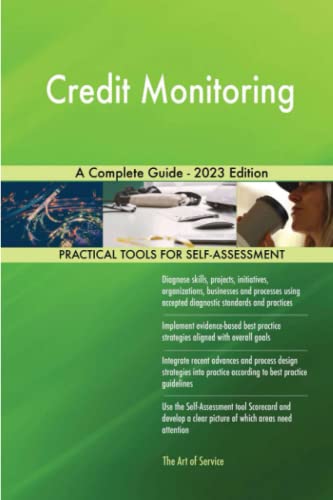
Credit Monitoring A Complete Guide – 2023 Edition
As an affiliate, we earn on qualifying purchases.
As an affiliate, we earn on qualifying purchases.
Frequently Asked Questions
How Often Should I Check My Credit Utilization?
You should check your credit utilization at least once a month to stay on top of your credit health. Regular credit monitoring helps you spot any changes that could affect your score. Use utilization strategies like paying down high balances and keeping your credit use below 30%. By monitoring frequently, you can adjust your habits quickly, ensuring your credit utilization stays low and your score improves steadily.
Does Closing Unused Credit Cards Improve My Score?
Closing unused credit cards can actually lower your credit score because it reduces your overall available credit, which can increase your utilization ratio if you carry balances. However, if your credit card closures bring your utilization above recommended thresholds, it could hurt your score. To improve your credit, keep unused cards open, especially those with long histories, and focus on maintaining low utilization across your remaining accounts.
Can Adding Authorized Users Lower My Utilization?
Adding authorized users can lower your score impact by helping improve your credit utilization ratio. When you add an authorized user with a good payment history and low balances, their activity can positively influence your credit report. This can increase your available credit and reduce overall utilization. However, it’s vital to trust the authorized user, as their activity directly affects your credit score. Always monitor their account to ensure it benefits your credit health.
What’s the Best Way to Dispute Inaccurate Credit Reports?
Think of your credit report as a delicate tapestry—each thread matters. To dispute inaccuracies, first identify credit report errors clearly, then follow the dispute process steps: file a complaint with the credit bureaus, provide supporting documentation, and wait for their investigation. Stay proactive, keep records of your correspondence, and monitor your report until inaccuracies are rectified. This diligent approach ensures your credit story reflects your true financial journey.
How Quickly Can Credit Utilization Improvements Impact My Score?
Credit utilization improvements can boost your score within days if your credit report accuracy reflects lower balances. When you pay down debts, your debt-to-income ratio improves, signaling responsible borrowing. Lenders see your reduced utilization quickly, which can lead to faster score increases. Keep monitoring your report, verify accuracy, and aim to keep your utilization below 30% for ideal results. Your efforts will generally show up on your credit report in about one to two billing cycles.

Increase Credit Limit: Increase Your Credit Limit to Increase Your Credit Score
As an affiliate, we earn on qualifying purchases.
As an affiliate, we earn on qualifying purchases.
Conclusion
By applying these credit utilization hacks, you’re not just chipping away at your debt—you’re setting the stage for a brighter financial future. Keep your balances low, pay down debt strategically, and monitor your credit regularly. Remember, slow and steady wins the race, so don’t get discouraged if progress feels slow at first. Stay consistent, and you’ll see your scores climb faster than you might expect—proving that a little effort can go a long way.
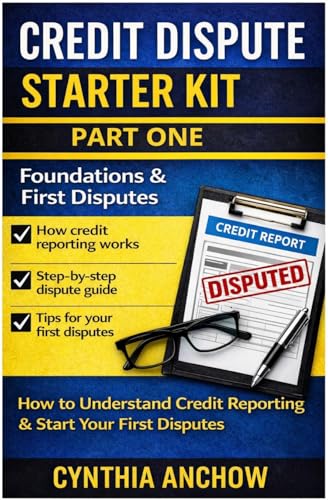
Credit Dispute Starter Kit: A Step-by-Step Guide to Disputing Errors, Collections, and Inaccurate Credit Reporting
As an affiliate, we earn on qualifying purchases.
As an affiliate, we earn on qualifying purchases.

The Debt Consolidation Myth: A Proven Method to Help You Get Out of Debt While Still Living Your Life (YNAB 80/20 Book 2)
As an affiliate, we earn on qualifying purchases.
As an affiliate, we earn on qualifying purchases.