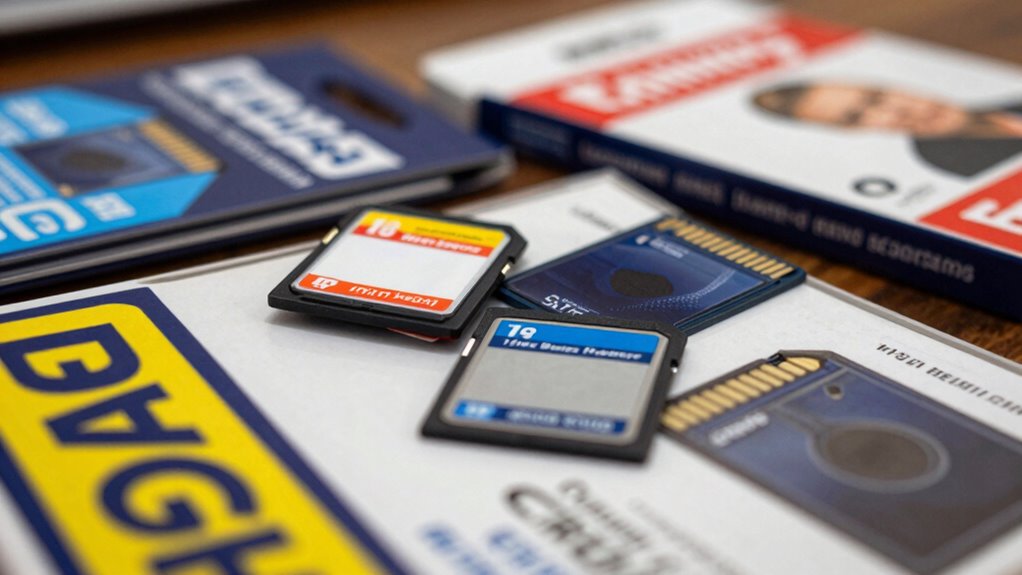

To spot fake SSDs or SD cards on Amazon, start by inspecting packaging for poor printing, misspellings, or tampering signs. Check the physical device for mismatched logos or damage. Verify labels and security features against official images, and test the storage capacity and speeds with reliable tools. Also, buy from reputable sellers with good reviews and avoid prices that seem too good to be true. Continue exploring to learn more tips for protecting yourself from counterfeit products.
Key Takeaways
- Check packaging for spelling errors, blurry images, inconsistent logos, and tampering signs.
- Verify device labels, logos, and physical condition for misalignments or damage.
- Test storage capacity and speeds with diagnostic tools; discrepancies suggest fakes.
- Purchase from reputable sellers with high ratings and avoid suspiciously low prices.
- Compare packaging and branding details with official manufacturer images for authenticity.
Why Fake Storage Devices Are a Growing Problem on Amazon
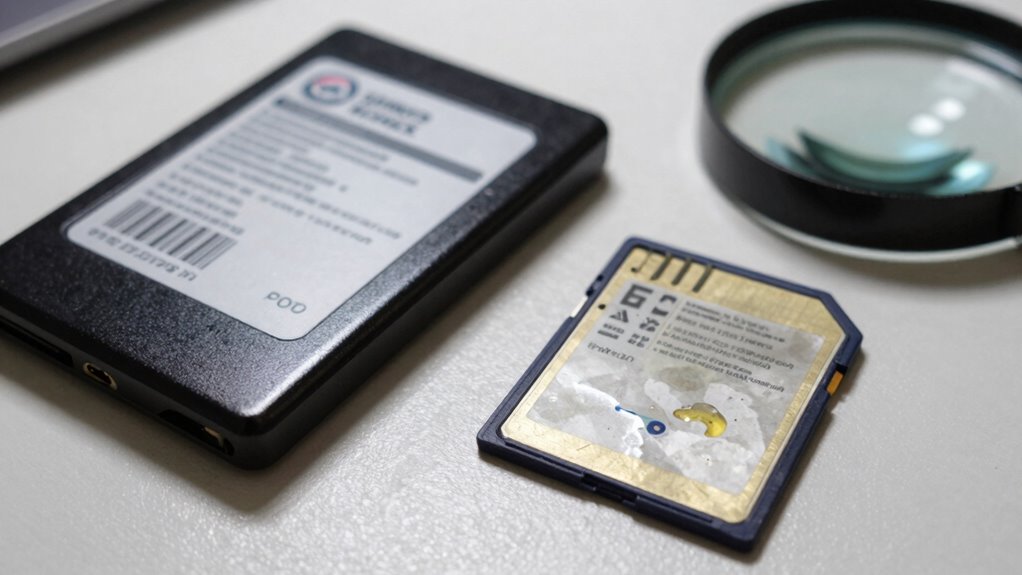
Fake storage devices have become a significant issue on Amazon because scammers can easily replicate genuine products and sell them at lower prices. These counterfeit risks threaten your ability to trust product quality and reliability. When you purchase from questionable sellers, you risk getting a fake SSD or SD card that may fail prematurely or damage your data. Fake items also harm seller reputation, making it harder for honest sellers to stand out and maintain customer trust. Scammers often exploit popular brands and pricing strategies to lure unsuspecting buyers. As a result, fake storage devices flood the marketplace, increasing the chances of buyers inadvertently purchasing inferior, counterfeit products. Staying vigilant helps you avoid these risks and guarantees you receive genuine, high-quality storage solutions. Recognizing product authenticity signs can help protect you from falling victim to these scams. Being aware of counterfeit detection techniques can further improve your chances of identifying genuine products before purchase. Additionally, understanding sound healing science can offer insights into how authentic products are tested and verified for quality. Always check for secure packaging and proper branding marks, as these are often compromised or missing in counterfeit items. Educating yourself on storage device labels can also help you distinguish legitimate products from fakes.
How to Recognize Visual and Physical Signs of Fake SSDs and SD Cards
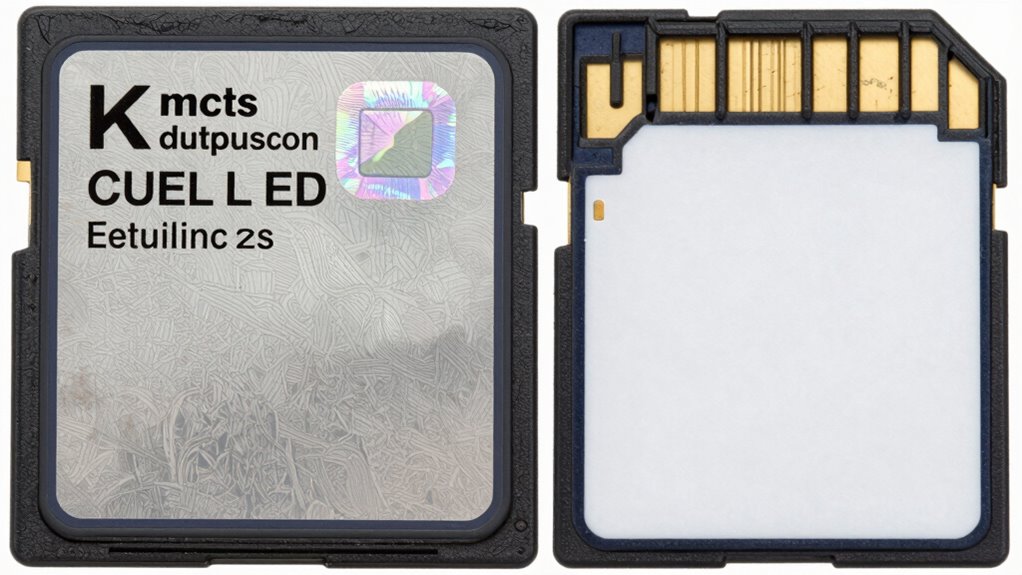
When inspecting storage devices, pay close attention to their appearance and build quality. Look for signs of physical damage, such as dents, scratches, or misaligned parts, which can indicate a fake. A careful visual check helps you quickly spot devices that might not be genuine. Additionally, be aware of early warning signs for counterfeit storage, as these can provide further clues about the authenticity of the device. Recognizing manufacturing inconsistencies can also help identify fake products, since authentic devices typically adhere to strict quality standards. Being familiar with official branding and packaging can further assist in verifying genuine products, as counterfeit items often have subtle differences in logos or packaging details. Moreover, understanding manufacturing standards can help you better differentiate between authentic and fake storage devices. Paying attention to product serial numbers and their registration status can also serve as a useful verification step.
Visual Inspection Techniques
Visual inspection is a crucial step in identifying counterfeit SSDs and SD cards, as many fakes display telltale physical signs. Start by examining the packaging details closely. Authentic products usually have crisp, clear printing, correct logos, and consistent font styles. Look for spelling errors, blurry images, or misaligned text, which are common in fake packaging. Check the seal integrity—tampered or poorly sealed packaging is a red flag. For visual cues, inspect the device itself for irregularities such as inconsistent labeling, incorrect logos, or mismatched fonts. Authentic storage devices typically have a solid, high-quality finish with no rough edges or misaligned components. Combining these visual cues with careful packaging review can help you avoid falling for counterfeit storage devices.
Physical Damage Indicators
After inspecting the packaging and labels, it’s important to also examine the device itself for physical damage or irregularities that may indicate a counterfeit. Look for visual clues like cracked or chipped plastic, misaligned parts, or scratched surfaces. Authentic devices typically have a sturdy build with clean, precise edges. Physical indicators of fakes include loose components, uneven printing, or inconsistent branding. These clues suggest poor manufacturing quality often found in counterfeit storage. Use the table below to compare key physical signs:
| Visual Clues | Physical Indicators |
|---|---|
| Faded or blurry logos | Loose or rattling parts |
| Misaligned labels | Cracks or visible damage |
| Poor print quality | Uneven or inconsistent surface finishes |
Recognizing these signs helps you avoid fake storage and ensure device authenticity. Additionally, manufacturing quality can often reveal discrepancies that raise suspicion about a product’s legitimacy. Be aware that storage device branding inconsistencies are common indicators of counterfeit products. Being familiar with common visual clues can further aid in detecting counterfeit devices before purchase. Being aware of these physical damage indicators enhances your ability to identify genuine products and avoid potential scams. Checking for manufacturing flaws can also provide insight into the authenticity of the device.
How to Check Packaging and Labels for Authenticity
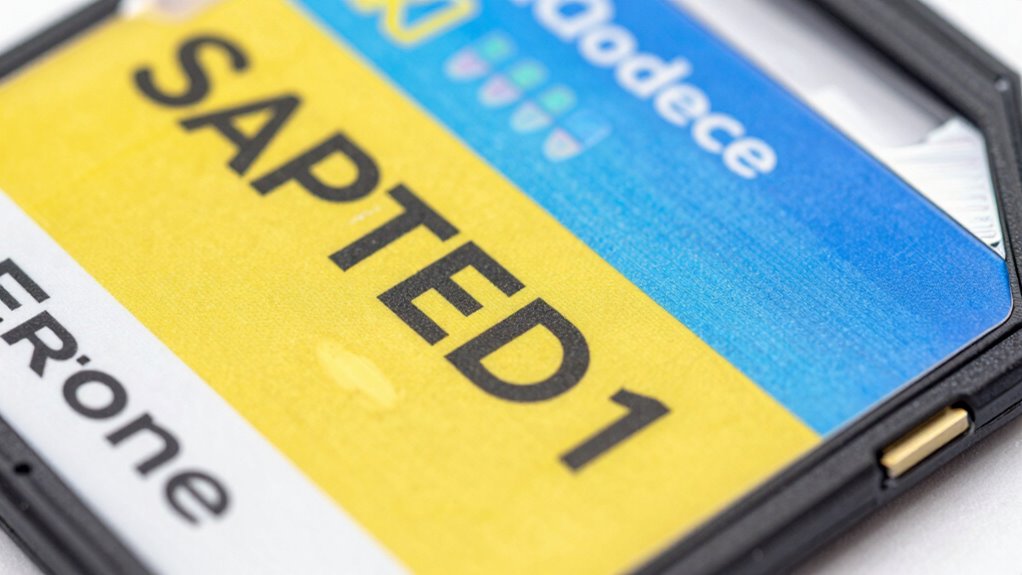
To determine if storage packaging and labels are genuine, start by examining the overall quality and details. Packaging inspection is vital; authentic products typically have sturdy, well-printed boxes with clear graphics and proper seals. Look for any signs of tampering, such as uneven edges or mismatched colors. Label authenticity is equally important—check for spelling errors, inconsistent fonts, or low-resolution images. Genuine labels usually include detailed information like model numbers, serial codes, and certification marks that match official manufacturer styles. Compare the packaging and labels to official images from the manufacturer’s website or trusted sources. If anything feels off—such as poor print quality or missing details—it’s a red flag indicating the storage device might be counterfeit. Ensuring product authenticity can save you from potential data loss or device failure. Additionally, verifying the security features on the packaging can provide further confidence in the product’s legitimacy. Sometimes, counterfeit items may also lack holographic stickers or other visual indicators that are difficult to replicate, so inspecting these elements can be very helpful. Always remember that counterfeit items may lack these authentic security features, which are often integrated to prevent tampering and forgery.
How to Verify Serial Numbers and Use Manufacturer Tools

Verifying serial numbers is a crucial step in confirming the authenticity of your storage device. Start by locating the serial number on the device or its packaging. Then, perform serial verification by entering the serial number on the manufacturer’s official website or support portal. Many manufacturers offer dedicated tools to check product authenticity and warranty status. Using manufacturer tools ensures you’re accessing accurate information directly from the source. If the serial number isn’t recognized or the site indicates the device isn’t genuine, it’s a strong sign you might have a fake. Avoid third-party verification sites that aren’t officially linked to the manufacturer, as they can be unreliable. Always rely on official channels to confirm your device’s legitimacy and protect yourself from counterfeit storage. Additionally, product authentication practices like inspecting packaging quality and verifying holograms can further help identify genuine devices. Incorporating microplastics in dust analysis can also provide insights into the device’s environment and manufacturing origin, offering another layer of verification. Staying informed about counterfeit warning signs and common fake indicators can help you stay vigilant against fake storage devices. Furthermore, understanding recognition methods can enhance your ability to identify authentic products more effectively.
How to Test Your SSD or SD Card for Genuine Capacity and Speed
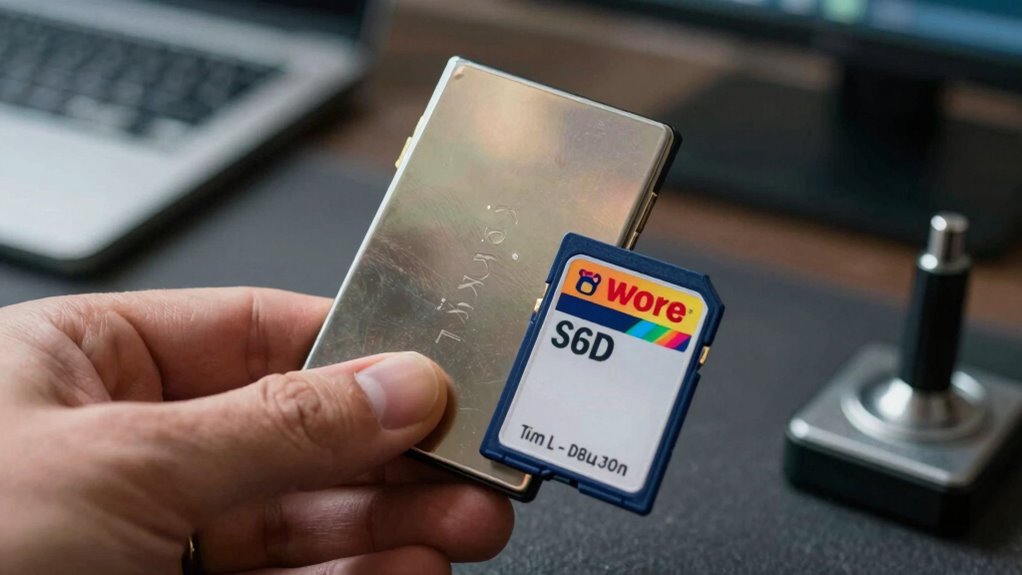
To verify your SSD or SD card is real, start by confirming its storage capacity with reliable tools. Then, measure its read and write speeds to see if they match advertised specs. Using diagnostic software helps you confirm the device’s true performance and catch any fakes.
Verify Storage Capacity
When checking if your SSD or SD card has genuine storage capacity, begin by running a trusted benchmarking or testing tool designed for storage devices. These tools help you perform capacity verification by accurately reading the total available space and comparing it to the advertised capacity. If your device shows markedly less space than claimed, it’s a red flag. Be cautious of storage benchmarks that report inconsistent or fluctuating capacities. Always ensure your testing software is reputable and up-to-date. Genuine storage devices should match their advertised capacity closely, with minimal variance. Remember, fake storage often displays inflated capacities initially but reveals the truth during thorough testing. Proper capacity verification helps confirm that your device isn’t a counterfeit or substandard product.
Measure Read/Write Speeds
Measuring the read and write speeds of your SSD or SD card is essential to confirm it performs as advertised. Fast, consistent speeds are key indicators of genuine storage. Use reliable benchmarking tools to run performance tests and compare results against the manufacturer’s specifications. Keep in mind, inconsistent or unusually slow speeds may signal counterfeit or defective drives. Compatibility testing ensures your device can handle the expected performance benchmarks. Here’s a quick comparison:
| Genuine Storage | Fake Storage |
|---|---|
| Meets advertised speeds | Substantially slower |
| Stable performance | Fluctuating speeds |
| Consistent read/write | Erratic results |
This approach helps you identify discrepancies that suggest the device isn’t authentic, saving you from potential fraud or poor quality.
Use Diagnostic Tools
After conducting speed tests, the next step is to verify your storage device’s true capacity and performance with diagnostic tools. Use trusted diagnostic software to check the actual capacity, read/write speeds, and health status of your SSD or SD card. These tools can reveal discrepancies between advertised and real performance, helping you spot fakes. Additionally, confirm your device’s firmware is up to date, as outdated firmware can cause performance issues or false readings. Running diagnostic software regularly helps identify counterfeit storage devices early, saving you from data loss or failure. If the software shows a capacity markedly less than advertised or inconsistent speeds, consider returning the product. Diagnostic tools provide clear, objective insights, making them essential in verifying genuine storage devices.
How to Assess Seller Credibility and Pricing for Better Deals
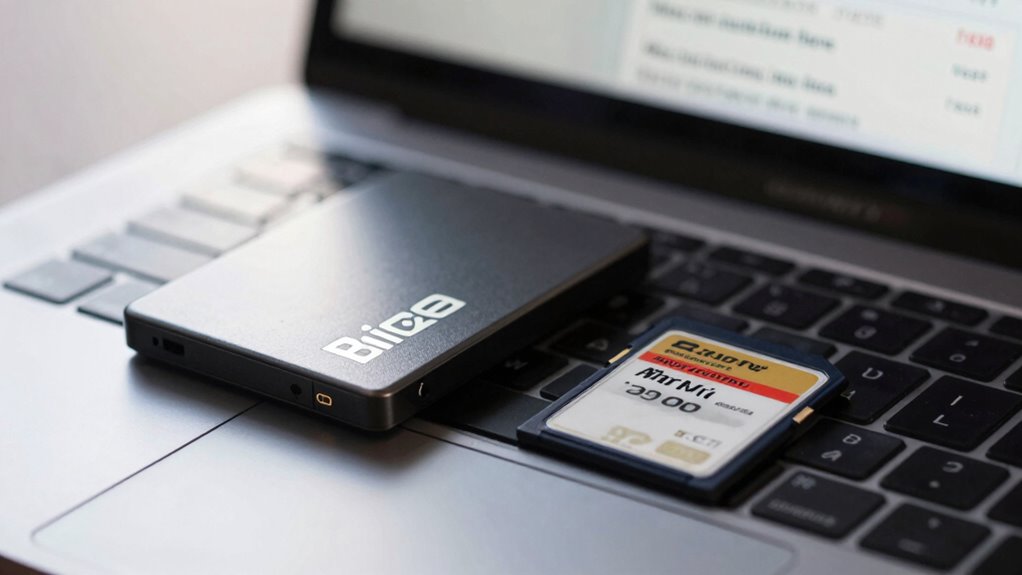
To find the best deals on storage devices, you need to carefully evaluate both the seller’s credibility and the pricing they offer. Start by checking the seller’s reputation—look for high ratings, positive reviews, and verified badges. A reputable seller usually maintains transparency and good customer feedback. Next, perform a price comparison across multiple listings to spot unusually low prices that may indicate counterfeit products. Be wary of sellers offering substantially cheaper storage devices than the market average, as this could be a red flag. Also, consider how long the seller has been active; newer or less established sellers might not have a proven track record. Combining these steps helps you identify trustworthy sellers and avoid falling for fake or substandard storage products.
How Customer Reviews Can Help You Spot Fake Storage Devices
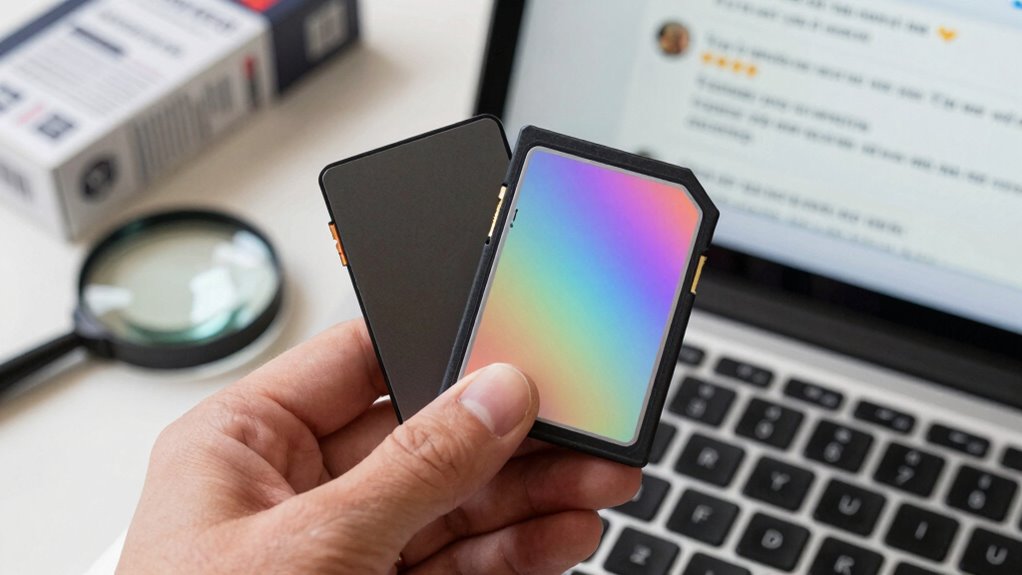
Customer reviews are a valuable tool for spotting fake storage devices on Amazon. Look closely at what buyers say about the product packaging—if many mention poorly sealed or suspiciously generic packaging, it’s a red flag. Pay attention to reviews that discuss the seller’s reputation; consistent complaints about counterfeit items or faulty units suggest the seller may be unreliable. Genuine products usually have detailed reviews confirming their performance, authenticity, and proper packaging. Conversely, reviews that highlight inconsistent quality or false advertising can indicate counterfeit storage devices. By reading through multiple reviews, you can identify patterns and warning signs that aren’t obvious from the product listing alone. This helps you make smarter decisions and avoid fake or subpar storage devices.
Best Practices for Safely Buying Storage Devices on Amazon
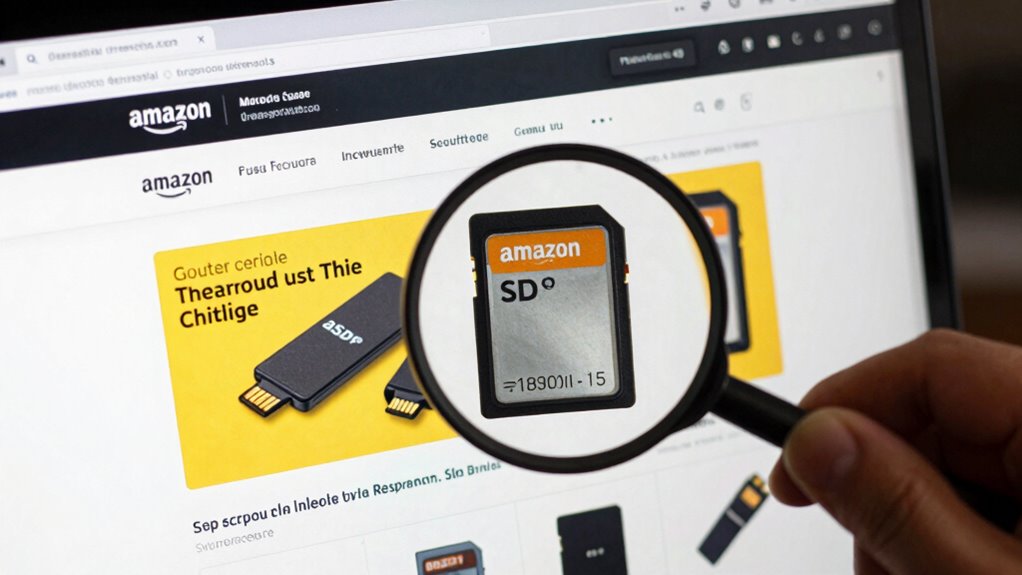
When shopping for storage devices on Amazon, following best practices can considerably reduce your risk of purchasing counterfeit electronics or products with counterfeit packaging. Always buy from reputable sellers with high positive ratings and verified purchase badges. Check seller reviews specifically related to storage devices to identify any recurring issues. Examine product listings carefully for detailed descriptions, clear images, and consistent branding. Be cautious of prices that seem too good to be true, as they often indicate counterfeit electronics. Avoid listings with vague or poorly written descriptions, which may hide counterfeit packaging or substandard products. Additionally, verify the product’s packaging details against official manufacturer information to confirm authenticity. These steps help you make informed decisions and protect yourself from counterfeit storage devices on Amazon.
What to Do If You Suspect Your Storage Device Is Fake
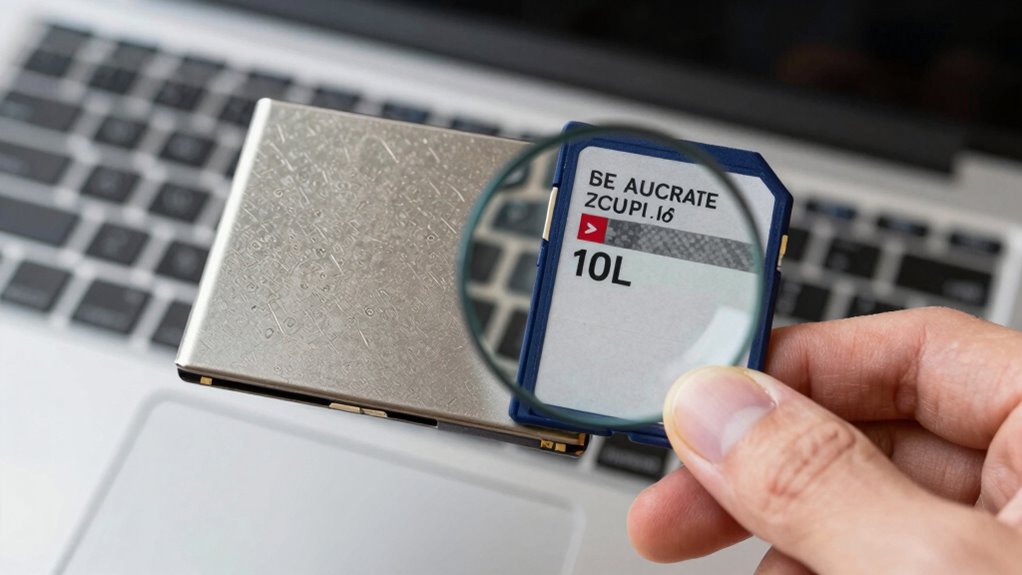
If you start to suspect your storage device might be counterfeit after examining the packaging and listing details, taking immediate steps can help safeguard your data and prevent further issues. First, contact the seller to request a return or exchange, citing your concerns about authenticity. Review the store’s refund policies to understand your options; reputable sellers typically offer refunds for fake or defective items. If the seller refuses or is unresponsive, escalate your claim through Amazon’s Buyer Protection Program. Always keep records of your communications, receipts, and photos as evidence. Finally, consider filing a complaint with Amazon or relevant consumer protection agencies if necessary. Acting swiftly ensures you can recover your money and avoid future counterfeit risks.
Frequently Asked Questions
Can Fake Storage Devices Damage My Computer or Data?
Fake storage devices can indeed damage your computer or data. Counterfeit risks mean these devices might have poor quality chips or faulty components, which can cause data corruption, loss, or even hardware damage. Using counterfeit storage jeopardizes device safety, making your system vulnerable to crashes or failures. Always verify the seller and check for red flags to protect your device and data from these risks.
Are There Specific Brands More Targeted by Counterfeiters?
You’ll notice that popular brands like SanDisk, Samsung, and Kingston are more targeted by counterfeiters, much like rare collectibles attract forgers. These brands’ strong reputation and high demand make them prime targets, especially given the counterfeit prevalence on online marketplaces. Be cautious when prices seem too good to be true; counterfeiters often exploit brand recognition to deceive buyers, so always verify authenticity before purchasing.
How Does Fake Storage Affect Warranty and Support Services?
Fake storage causes warranty complications because manufacturers often refuse support or replacements for counterfeit products. You might face support limitations, making it difficult to get help or claim repairs if your device fails. Since fake storage isn’t genuine, warranties may be voided or ignored entirely. Always verify seller credibility to avoid these issues, ensuring your warranty remains valid and you receive proper support when needed.
What Legal Actions Can I Take Against Counterfeit Sellers?
You can pursue legal recourse by filing a complaint with consumer protection agencies like the FTC or your local authorities. Report the counterfeit seller to Amazon’s seller enforcement team and consider seeking a refund or damages through small claims court if necessary. These actions help protect your rights and hold counterfeit sellers accountable, ensuring future consumers aren’t duped. Always document your purchase and communication for evidence.
Are There Reliable Third-Party Tools to Verify Storage Authenticity?
Yes, you can find reliable verification tools for authenticity checks. These tools help you verify storage capacity and detect fakes by running tests on your SSD or SD card. Use reputable software like H2testw or FakeFlashTest, which are widely trusted for identifying counterfeit storage. Always follow the instructions carefully, and consider using multiple tools for thorough verification to guarantee your storage device is genuine before purchase or use.
Conclusion
Spotting fake storage on Amazon might feel overwhelming, but with sharp eyes and careful checks, you can avoid the pitfalls. Think of it like distinguishing genuine jewelry from costume pieces—details matter. While tempting deals can lure you in, trust your instincts and verify before clicking “buy.” Staying vigilant keeps your data safe, proving that sometimes, the best bargain is the one you don’t regret. Protect your storage, and shop smart.