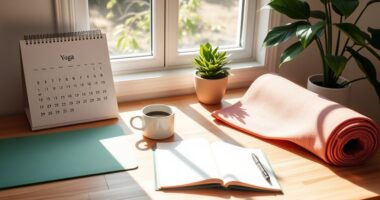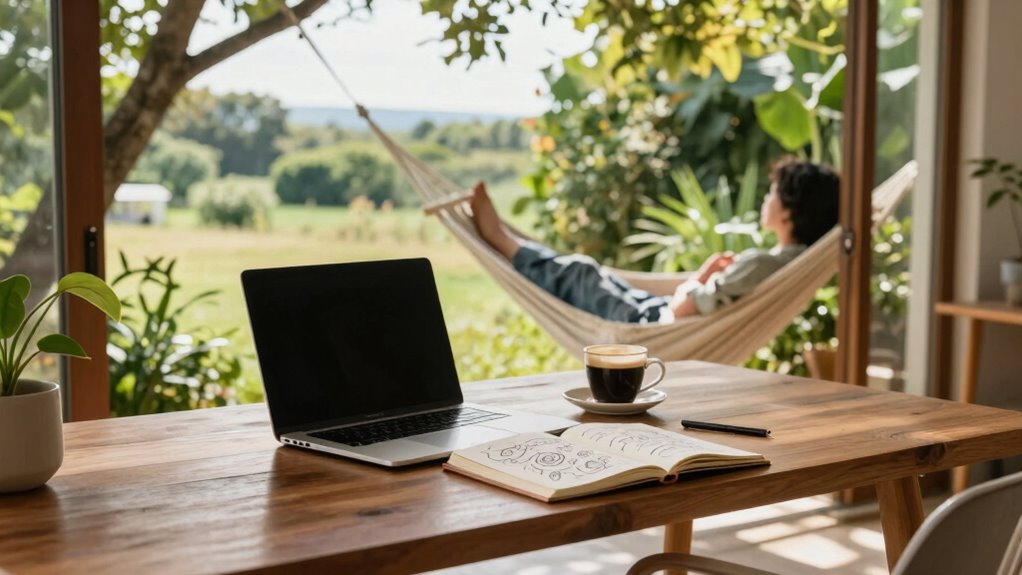

To achieve work‑life flow, stop chasing an elusive balance and instead focus on designing your days. Embrace flexibility by understanding your natural rhythms and commitments, allowing you to adapt your routines without guilt. Set clear boundaries to protect personal time and prioritize what truly matters. Living intentionally creates a sustainable rhythm that enhances well-being and satisfaction. If you want to discover practical ways to shape your days and truly find harmony, keep exploring this approach.

Get the latest gadgets delivered free with Prime
- Fast, free delivery on millions of items
- Prime Video, Amazon Music and more included
- Member-only deals all year
Key Takeaways
- Focus on intentionally designing daily routines rather than striving for perfect work-life balance.
- Align routines with natural biological rhythms to enhance energy and productivity.
- Establish clear boundaries to separate work time from personal life effectively.
- Incorporate flexibility to adapt plans based on changing needs and priorities.
- Prioritize meaningful activities over rigid schedules for sustainable well-being and flow.
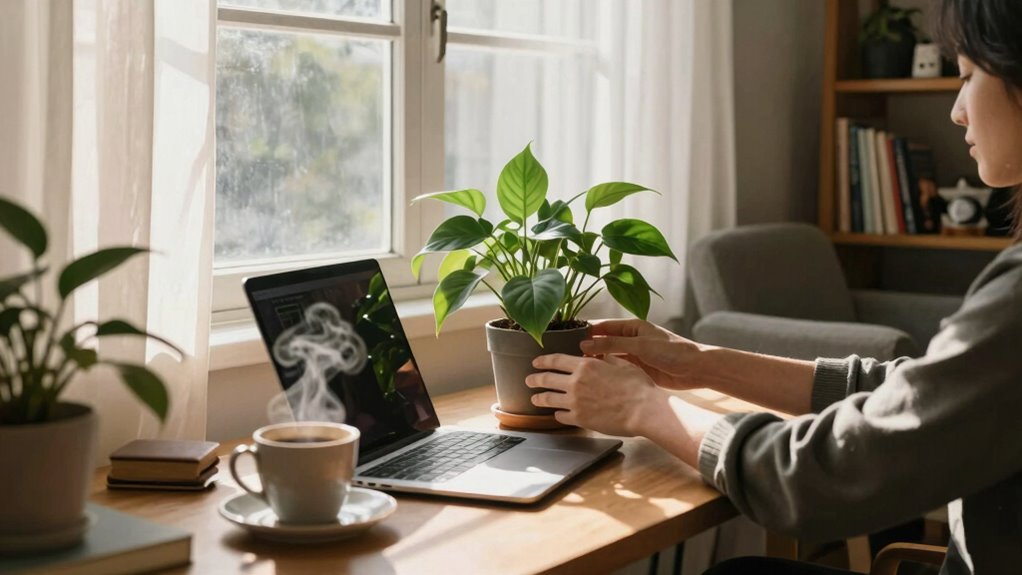
Are you struggling to balance your work and personal life? It’s a common challenge, but instead of chasing an elusive equilibrium, why not focus on designing your days intentionally? The key lies in creating flexible routines that adapt to your needs and setting clear boundaries that protect your time and energy. When you view your schedule as something you shape rather than something you’re forced to follow, you gain control. Flexibility doesn’t mean chaos; it means giving yourself permission to shift priorities without guilt, allowing you to respond to life’s unpredictable moments while maintaining a sense of stability.
Implementing flexible routines starts with understanding your natural rhythms and commitments. Instead of rigidly adhering to a strict 9-to-5 schedule, consider when you’re most productive and allocate those times for deep work or important personal tasks. In the moments when your energy dips, switch to lighter activities or self-care. This approach helps you maintain momentum without feeling overwhelmed. Recognizing your sleep patterns and sleep cycles can further optimize your daily flow and energy levels. Developing an awareness of your biological rhythms can help you design routines that align with your natural energy peaks and troughs. Additionally, knowing how your body’s clock influences your alertness can help you tailor your schedule more effectively. Incorporating an understanding of natural energy patterns can lead to more sustainable routines over time. Over time, these routines become a natural part of your life, providing structure without constriction. Understanding your circadian rhythm can deepen this awareness and boost your overall productivity and well-being.
Boundary setting is equally vital. It’s about defining clear lines between work and personal time and respecting them. When you establish boundaries, you protect your mental space and ensure that work doesn’t spill over into your personal moments — and vice versa. This could mean turning off work notifications after hours, dedicating specific times for family or hobbies, or communicating your limits to colleagues. Setting boundaries isn’t about being rigid; it’s about creating a framework that allows you to fully engage in each aspect of your life without guilt or distraction. It’s a way to reclaim your time and energy so you can show up fully in both areas.
Designing your days with these principles in mind transforms your experience from constant balancing acts to a sense of flow. You learn to prioritize what truly matters and let go of the myth that you need to do everything perfectly. When routines are flexible and boundaries are clear, you create a sustainable rhythm that adapts to life’s ebbs and flows. This approach empowers you to live intentionally, reducing stress and increasing satisfaction. Instead of chasing balance, you’re crafting a life where work and personal moments coexist harmoniously, leading to a more fulfilling, resilient way of living.
daily routine planner for work-life balance
As an affiliate, we earn on qualifying purchases.
As an affiliate, we earn on qualifying purchases.
Frequently Asked Questions
How Do I Measure if I Have Achieved Work-Life Flow?
You can tell you’ve achieved work-life flow when you’re fully present during work and personal time, feeling engaged and satisfied. Use mindfulness practices to check in with yourself regularly, noticing your energy and focus. Boundary setting helps you maintain this flow by preventing work from spilling into personal time. If you find yourself effortlessly shifting between tasks and feeling balanced, you’re likely experiencing a true work-life flow.
Can Work-Life Flow Be Sustained During Busy Seasons?
Yes, work-life flow can be sustained during busy seasons with strategic seasonal adjustments and stress management. You can stay steady by setting clear boundaries, scheduling self-care, and prioritizing tasks. Embrace flexibility, focus on what matters most, and adapt your routines as needed. With mindful moments and manageable milestones, you maintain momentum, making busy periods less burdensome and more balanced, even amid the hustle.
What Tools Help in Designing Daily Routines for Flow?
You can design daily routines for flow by using tools like habit tracking and time blocking. Habit trackers help you stay consistent and focused on key activities, while time blocking allocates specific periods for work, rest, and personal time. Together, these tools create a structured flow that minimizes chaos, boosts productivity, and guarantees you’re intentionally shaping your day to maintain work-life harmony.
How Does Work-Life Flow Differ From Work-Life Balance?
Work-life flow differs from balance by focusing on seamless integration rather than strict separation. You establish personal boundaries to protect your time, ensuring work and personal life don’t clash. Mindful shifts help you move smoothly between tasks, maintaining momentum. Instead of balancing, you design your days intentionally, aligning work and personal activities to foster continuous engagement and fulfillment, creating a natural flow that adapts to your needs rather than chasing an elusive equilibrium.
Is Work-Life Flow Suitable for All Types of Jobs?
Work-life flow can suit many jobs, especially if you have job flexibility, allowing you to adapt your schedule to your needs. It helps with stress management by encouraging you to design your days intentionally, balancing work demands with personal time. However, for jobs with rigid hours or high unpredictability, implementing flow might be challenging. Still, you can customize your approach to create a more satisfying and manageable routine.
Conclusion
In chasing balance, you often overlook the beauty of flow—where work and life seamlessly intertwine. Instead of rigidly dividing your days, embrace the art of designing moments that serve both your passions and your rest. Balance is fleeting, but flow is sustainable; it’s the dance between effort and ease. So, stop chasing an elusive ideal and start shaping your days with intention—where work fuels your life, and life enriches your work.
Halloween Picks
halloween
As an affiliate, we earn on qualifying purchases.