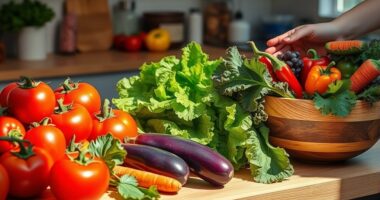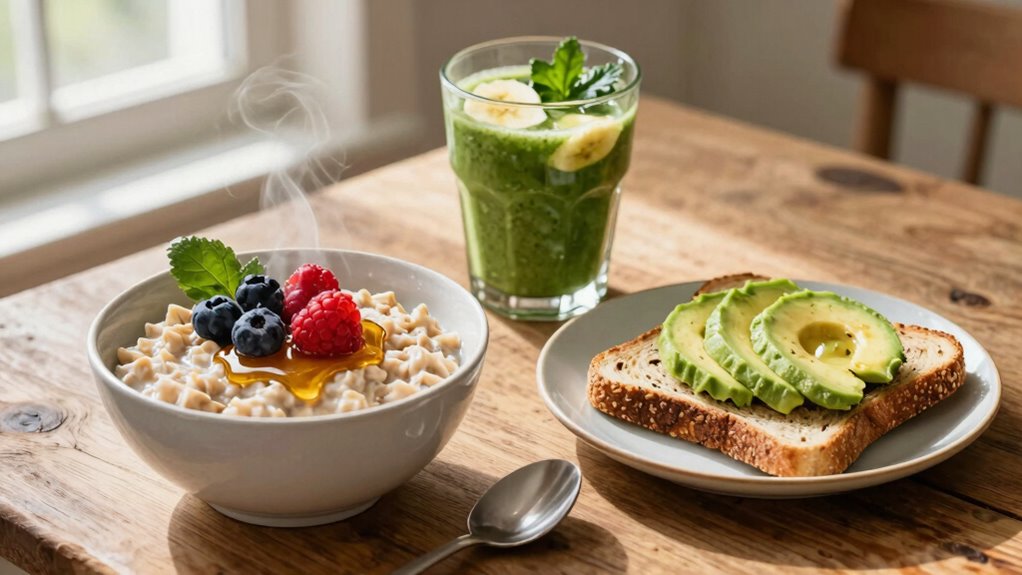

To build a healthy, convenient routine that’s ‘good enough,’ focus on small, manageable habits like mindful snacking and quick meal prep. Choose nutrient-dense foods, prepare ingredients in advance, and use time-saving tools to make nourishing meals easier. Remember, consistency matters more than perfection, so celebrate modest progress. Over time, these simple steps can lead to lasting benefits, helping you stay balanced without overwhelming your busy schedule. Keep exploring to discover how to make this approach work best for you.

Get the latest gadgets delivered free with Prime
- Fast, free delivery on millions of items
- Prime Video, Amazon Music and more included
- Member-only deals all year
Key Takeaways
- Focus on small, manageable habits like mindful snacking and quick meal prep to maintain health effortlessly.
- Use batch cooking and prepped ingredients to streamline meal times and reduce reliance on takeout.
- Prioritize nutrient-dense snacks and balanced meals that satisfy cravings and boost energy.
- Incorporate simple tools and planning to make healthy routines easy and sustainable.
- Embrace a ‘good enough’ mindset, celebrating consistency and gradual progress over perfection.
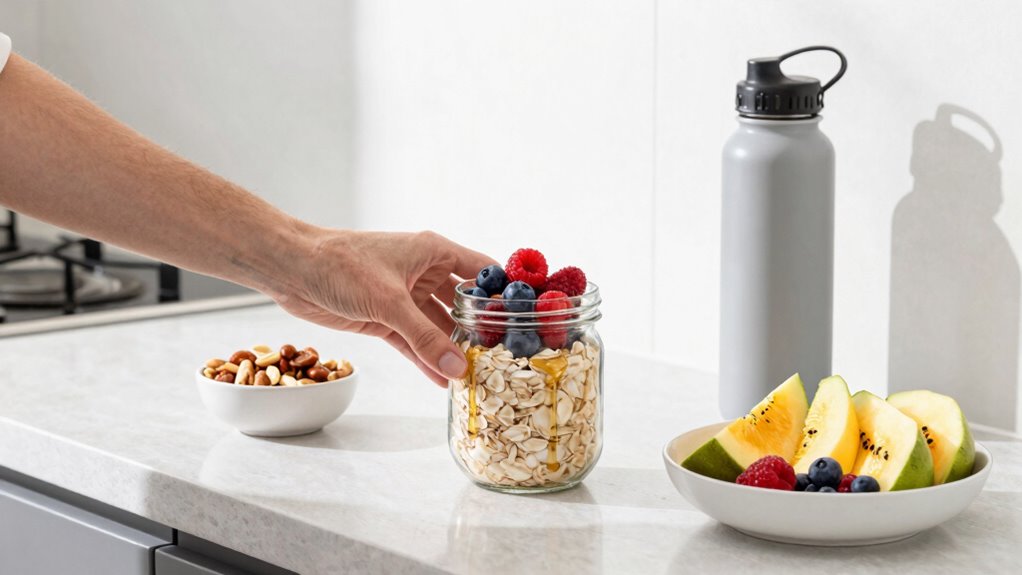
Have you ever wondered how to stay healthy without sacrificing convenience? Finding that balance can seem challenging, especially when life gets busy and time feels limited. But it’s entirely possible to build a routine that’s both manageable and nourishing. The key is to focus on simple, sustainable habits like mindful snacking and quick meal prep that keep your health on track without overwhelming your schedule.
Mindful snacking is a game-changer. Instead of reaching for processed chips or candy when you’re hungry, choose nutrient-dense options like nuts, fresh fruit, or yogurt. These snacks not only satisfy your cravings but also provide sustained energy and help prevent overeating later. The trick is to pay attention to what your body needs and enjoy your snacks without distractions. Put away your phone, sit down, and really savor each bite. Over time, this practice helps you develop a healthier relationship with food and reduces impulsive eating. It’s a small change that can make a big difference in your overall well-being. Incorporating mindful eating into your routine can deepen your awareness of hunger cues and promote better digestion.
Quick meal prep is another essential tool for maintaining health amidst a busy life. Instead of spending hours in the kitchen every day, dedicate a little time upfront to prepare ingredients or entire meals that you can assemble quickly later. For example, cook a batch of grilled chicken or roasted vegetables on the weekend, then store them in the fridge or freezer. When mealtime comes, you can toss these ingredients into a salad, wrap, or grain bowl in minutes. This approach minimizes the temptation to order takeout or settle for unhealthy options. It also ensures you’re fueling your body with fresh, wholesome foods. Developing sustainable living practices like meal planning and batch cooking can further support your health goals. Including the use of time-saving kitchen tools, such as slow cookers or meal prep containers, can make these routines even easier. With a bit of planning, you’ll find that making nutritious meals becomes faster and easier, fitting seamlessly into your routine.
Building a ‘good enough’ routine means letting go of perfection. Instead of aiming for flawless nutrition every day, focus on consistency and small wins. Incorporate mindful snacking and quick meal prep into your daily habits, and recognize that these efforts add up over time. By making these strategies part of your regular schedule, you create a sustainable approach to health that adapts to your life, not complicates it. Remember, even modest improvements are steps toward a healthier, more balanced lifestyle. You don’t need to overhaul everything overnight—just start with manageable changes, and watch how they transform your relationship with food and your overall wellness.
meal prep containers with compartments
As an affiliate, we earn on qualifying purchases.
As an affiliate, we earn on qualifying purchases.
Frequently Asked Questions
How Do I Start Creating a ‘Good Enough’ Health Routine?
Start by incorporating mindful eating into your daily routine—pay attention to hunger cues and savor each bite. Prioritize sleep hygiene by establishing a consistent bedtime and limiting screen time before bed. Set small, achievable goals like walking for 10 minutes or drinking more water daily. Over time, these simple habits become part of your “good enough” routine, improving your health without feeling overwhelming.
What Are Common Barriers to Maintaining a Simple Routine?
Common barriers include poor time management, making it hard to stick to your routine. You might also lack social support, which can decrease motivation and accountability. Distractions or unexpected commitments can derail your efforts, too. To overcome these, prioritize your health tasks, set realistic goals, and seek support from friends or family. Building flexibility into your routine helps you stay consistent, even when life gets busy.
How Can I Stay Motivated With Minimal Effort?
To stay motivated with minimal effort, focus on mindset shifts that emphasize progress over perfection. Find accountability partners who encourage you without adding pressure, making consistency easier. Celebrate small wins to boost your confidence and keep your energy high. Keep your routines simple and manageable, so they become habits. Remember, motivation fluctuates, but your commitment to your goals and support system will help you stay on track effortlessly.
What Tools or Apps Can Support a ‘Good Enough’ Routine?
Picture a sleek app on your phone, where habit tracking and meal planning come together seamlessly. Tools like Habitica or Streaks help you monitor small wins, making progress visible and rewarding. Meal planning apps like Mealime or Yummly simplify prep, saving time and effort. These tools support your ‘good enough’ routine by providing structure without overwhelming, encouraging consistency through easy-to-use features that keep you motivated.
How Do I Adapt My Routine During Busy or Stressful Times?
When stress hits or your schedule tightens, prioritize stress management and embrace time flexibility. Simplify your routine by focusing on essential habits, like a quick walk or deep breathing, that boost your well-being. Use adaptable tools or apps to track your progress without added pressure. Remember, it’s okay to shift your routine temporarily; staying flexible helps you stay consistent even during busy or stressful periods.
Conclusion
Remember, building a “good enough” routine isn’t about perfection but progress. Focus on small, manageable changes that fit your life, and don’t be afraid to tweak as you go. The key is consistency over time, so don’t get discouraged by setbacks. Keep your eye on the prize and stay flexible—sometimes, it’s the little steps that lead to big changes. After all, slow and steady often wins the race.
Halloween Picks
halloween
As an affiliate, we earn on qualifying purchases.