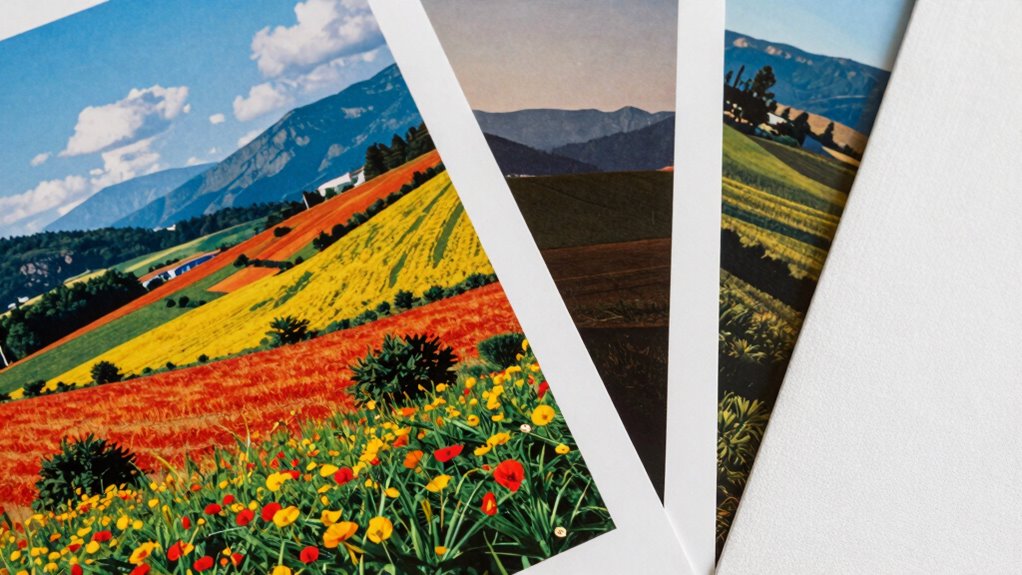

When choosing paper for wide-format photo printing, your selection greatly impacts both the look and durability of your prints. Glossy finishes create vibrant, sharp images with rich contrast, ideal for indoor displays. Canvas textures add an artistic, tactile feel perfect for gallery displays, while semi-gloss or satin options offer a balanced shine that reduces glare. Considering environmental and handling needs helps guarantee long-lasting results. Want to discover how different paper types can transform your prints? Keep exploring to find out more.

Get the latest gadgets delivered free with Prime
- Fast, free delivery on millions of items
- Prime Video, Amazon Music and more included
- Member-only deals all year
Key Takeaways
- Different paper textures, like canvas or glossy finishes, significantly influence the visual impact and tactile feel of wide-format prints.
- Glossy papers enhance color vibrancy and contrast, ideal for striking indoor displays, but may be prone to glare and fingerprints.
- Canvas textures add an artistic, traditional touch, making prints suitable for gallery or museum-quality presentations.
- Semi-gloss and satin options offer a balanced sheen, reducing glare while maintaining color richness for versatile use.
- Environmental durability and handling requirements should guide paper selection to ensure long-lasting and practical results.
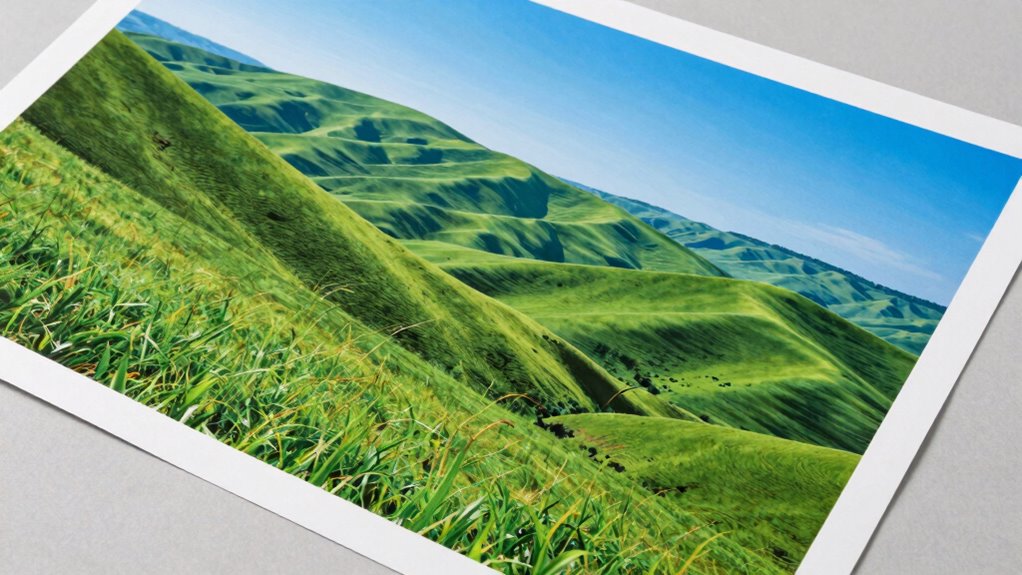
Wide‑format photo printing has become an essential tool for anyone looking to create stunning, large-scale images with high detail and vibrant colors. The choice of paper type plays a vital role in achieving the desired visual impact and durability of your prints. When exploring options, you’ll notice that different paper textures and finishes greatly influence the overall look and feel of your images. Canvas textures, for example, add a tactile, artistic quality that mimics traditional painting surfaces. They introduce a subtle grain that enhances the depth and character of your photos, making them feel more textured and tangible. This type of paper is perfect if you want your print to have a museum-quality appearance or a handcrafted vibe that stands out on display.
Canvas textures add a tactile, artistic quality, mimicking traditional paintings for a museum-quality or handcrafted display.
On the other hand, glossy finishes bring a sleek, polished look to your large-format photos. These papers reflect more light, which makes colors appear more vibrant and eye-catching. If you’re aiming for images with intense saturation and sharp details, glossy finishes are a smart choice. They also tend to enhance the contrast, bringing out the richness in dark areas while maintaining bright highlights. However, keep in mind that glossy finishes are more susceptible to fingerprints and glare, so they’re best suited for indoor displays where lighting can be controlled.
The choice between canvas textures and glossy finishes ultimately depends on your project’s purpose and the mood you want to evoke. Canvas textures lend an artistic, timeless feel that complements photographs intended for gallery walls or personalized decor. Meanwhile, glossy finishes are ideal for commercial displays, advertisements, or any scenario where you want your images to pop with clarity and punch. It’s worth noting that some printers offer semi-gloss or satin options, which strike a balance between the two, providing a softer sheen and reducing glare while still offering some vibrancy. Additionally, understanding the different paper textures and finishes available helps ensure your prints align with both your artistic vision and practical needs. Considering the print preservation aspect can help you choose the most suitable paper for long-lasting results. Properly selecting the right paper type also involves evaluating the environmental impact of your choice, especially if you aim for eco-friendly options. Moreover, being aware of the print durability requirements can help you select a paper that withstands handling and environmental factors over time. When selecting paper, it’s also important to consider the durability and handling requirements, especially if your prints will be frequently moved or exposed to the elements. Ultimately, understanding the differences in paper textures and finishes allows you to tailor your wide-format photo prints to match your artistic vision and practical needs, ensuring your images leave a lasting impression.
As an affiliate, we earn on qualifying purchases.
Frequently Asked Questions
How Long Does Wide-Format Photo Print Last Before Fading?
Your wide-format photo print typically lasts between 20 to 100 years before fading, depending on the paper type and display conditions. Higher photo longevity and fading resistance are achieved with premium, acid-free papers and UV-resistant inks. To guarantee your print stays vibrant longer, keep it out of direct sunlight and in a controlled environment. Proper paper selection and storage are key to maximizing the fading resistance and overall lifespan of your photo.
Can I Print on Textured or Specialty Papers?
You can absolutely print on textured or specialty papers, adding depth and character to your photos. Imagine a canvas with textured finishes that invite viewers to run their fingers over the surface, or glossy specialty coatings that make colors pop with vibrancy. These unique paper types elevate your prints, creating artistic effects and enhancing visual appeal. Just confirm your printer supports these materials to achieve the best results.
What Are the Best Paper Options for Outdoor Displays?
For outdoor displays, you should choose durable paper options like weather-resistant vinyl or laminated materials. Opt for laminating options to protect your prints from moisture and dirt, ensuring longevity. UV resistant coatings are also essential, as they shield your photos from sun damage and fading. These choices keep your outdoor displays vibrant and intact, even in harsh weather conditions. Always select high-quality, weatherproof papers tailored for outdoor environments.
How Do I Choose the Right Paper for Vibrant Color Reproduction?
To choose the right paper for vibrant color reproduction, you need to ensure color calibration and ink compatibility. Select a paper that enhances color vibrancy and matches your printer’s ink type. Look for papers with high white point and glossiness for vivid results. Proper color calibration ensures your colors stay true, while compatible ink and paper combinations prevent dullness or bleeding, giving you bright, eye-catching images.
Are There Eco-Friendly Paper Choices for Wide-Format Printing?
You’ll find eco-friendly paper options that align with your sustainability goals. Look for papers participating in recycling programs and featuring biodegradable coatings, which help reduce environmental impact. These choices often provide similar quality and vibrant colors, so you won’t sacrifice results. By selecting such environmentally conscious papers, you support greener printing practices while still achieving stunning, professional-looking wide-format photos that honor both your creativity and the planet.
Conclusion
Choosing the right paper type can truly transform your wide-format photo prints, making them more vibrant and durable. Did you know that 70% of professional photographers prefer glossy or semi-gloss paper for their prints? So, don’t settle for just any paper—select one that enhances your images’ details and colors. By understanding the options, you’ll create stunning prints that stand out and last longer, turning your photos into true works of art.
Halloween Picks
halloween
As an affiliate, we earn on qualifying purchases.