When choosing between noise canceling and noise isolation, understand that canceling uses electronics to actively reduce ambient sounds, creating a quiet bubble but may cause a hollow sound at high volumes. Isolation relies on physical design, blocking noise passively without electronics. It often delivers clearer sound and better fit, but depends on proper sealing. Knowing these differences helps you pick the right option for your environment, and if you keep exploring, you’ll uncover even more helpful details.
Key Takeaways
- Noise canceling actively reduces ambient sounds using electronics, while noise isolation physically blocks sound without power.
- Proper fit enhances noise isolation effectiveness, whereas noise canceling relies on electronic circuitry to create a quiet environment.
- Noise canceling may cause a hollow or underwater sound at high volumes, unlike noise isolation which maintains natural sound clarity.
- Noise canceling is ideal for very loud environments like airplanes, while noise isolation suits quieter settings or casual use.
- Combining both methods can provide maximum noise reduction, but each has distinct advantages depending on environment and preference.
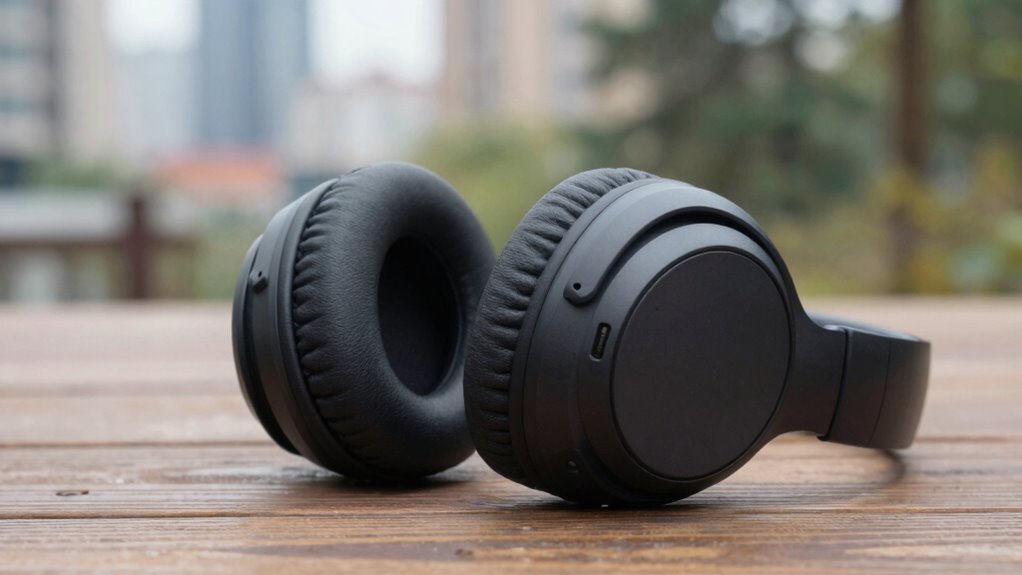
When choosing headphones or earbuds, understanding the difference between noise canceling and noise isolation can profoundly impact your listening experience. Both features aim to reduce unwanted sound, but they do so in different ways, affecting how you perceive background noise and sound quality. Knowing which option suits your needs helps you enjoy your music, podcasts, or calls without frustration or distraction.
Noise canceling technology actively detects ambient sounds using microphones and then generates sound waves that oppose those noises, effectively reducing background noise. This process requires power and often involves electronic circuitry. When you use noise-canceling headphones, you’ll notice a significant decrease in external sounds, making your audio clearer and more immersive. This is especially beneficial in noisy environments like airplanes, trains, or busy cafes, where background noise can drown out your desired audio. However, because of the electronic process involved, some users notice a slight change in sound quality, sometimes described as a “hollow” or “underwater” effect, particularly at higher volumes. This can be a trade-off if you’re seeking pristine sound clarity, but overall, noise-canceling tech is excellent at creating a quiet listening bubble. Additionally, electronic circuitry adds complexity and cost but enhances the noise reduction capabilities.
Noise canceling detects ambient sounds and actively reduces background noise, creating a quiet, immersive listening environment.
On the other hand, noise isolation relies on physical design to block sound from reaching your ears. Ear tips, ear cups, and sealing materials form a barrier that prevents external noise from entering. Unlike noise canceling, it doesn’t use electronics or power, making it a straightforward and often more affordable choice. When you choose noise-isolating earbuds or headphones, you’ll find that background noise is significantly reduced simply because sound waves can’t penetrate the physical barrier. This method maintains sound quality because it doesn’t interfere with the audio signal. Additionally, the effectiveness of noise isolation can be enhanced by proper fitting, ensuring that unwanted noises are kept out more efficiently. Proper fit is crucial for maximizing noise reduction, especially since poor fitting can allow sound leaks and diminish the isolation effect. However, it’s less effective in extremely loud environments, and if the fit isn’t snug, unwanted noises might still sneak in. Properly fitted noise-isolating earbuds can create a surprisingly quiet experience, allowing you to enjoy your audio without turning up the volume excessively, which also helps protect your hearing.
Additionally, understanding the concept of soundproofing helps clarify how physical barriers contribute to noise reduction without electronic intervention. Both methods can be combined for enhanced noise reduction in certain scenarios, offering a tailored listening experience.
Understanding these differences helps you make smarter decisions based on where and how you listen. If you’re frequently in loud settings and want maximum reduction of background noise, noise canceling might be your best bet, even if it sometimes slightly impacts sound quality. If you prefer a more natural listening experience with fewer electronic components and a focus on sound clarity, noise isolation can serve you well. Both options improve your listening experience by lowering background noise, but they do so differently, and knowing what each can deliver ensures you pick the right fit for your lifestyle and preferences.

Soundcore by Anker Q20i Hybrid Active Noise Cancelling Headphones, Black
- Hybrid Noise Cancelling: Reduces up to 90% external noise
- Detailed Hi-Res Audio: Oversized 40mm drivers with BassUp technology
- Long Battery Life: 40 hours with ANC, 60 hours normal mode
As an affiliate, we earn on qualifying purchases.
As an affiliate, we earn on qualifying purchases.
Frequently Asked Questions
Can Noise Canceling Headphones Be Used Without Music?
Yes, you can use noise canceling headphones without music. They often allow you to hear ambient sounds safely, especially when you need awareness of your surroundings. Plus, many models are designed for comfort, so wearing them without music still feels pleasant. This way, you benefit from their noise reduction features, helping you relax or focus while staying aware of ambient sounds around you.
Do Noise Isolating Earbuds Block All Ambient Sounds?
No, noise isolating earbuds don’t block all ambient noise, but they considerably reduce it. They create a seal in your ears, cutting down on ambient noise and minimizing sound leakage. However, some sounds still get through, especially louder or high-frequency noises. If you need complete silence, noise-canceling headphones are better. But for everyday use, noise isolating earbuds effectively reduce ambient noise while allowing some awareness of your surroundings.
How Does Battery Life Affect Noise Canceling Performance?
Battery life directly impacts noise canceling performance because poor battery efficiency can cause the system to weaken or shut off prematurely. When power management isn’t optimized, noise canceling features may degrade sooner or stop working altogether, reducing effectiveness. To maintain consistent noise canceling, choose earbuds with strong battery life and efficient power management. This guarantees you enjoy continuous noise reduction without interruptions, especially during long listening sessions.
Are Noise Canceling Headphones Suitable for Sleeping?
Are noise canceling headphones suitable for sleeping? Like a gentle lullaby, they can help you drift into rest if they offer good sleep comfort and a snug headphone fit. However, not all models are ideal—some may be bulky or uncomfortable, disrupting your sleep. Look for lightweight, soft ear cups designed for sleep. Proper fit guarantees noise canceling works effectively without causing discomfort, making them a helpful sleep aid.
What’s the Cost Difference Between Noise Canceling and Isolating Options?
The cost comparison shows that noise canceling headphones generally cost more than isolating ones due to advanced features like active noise cancellation technology. You’ll find isolating headphones are usually more affordable, focusing on passive noise reduction through design. The key feature distinctions influence price, with noise canceling models offering more versatility at a higher price point, while isolating options are budget-friendly but less adaptable to varying noise environments.
Conclusion
In the end, choosing between noise canceling and isolation is like picking your own adventure—each offers a different journey. Like Odysseus steering treacherous waters, understanding these differences helps you steer clear of confusion. Whether you seek a calm sea or a quiet island, knowing what suits your voyage guarantees you won’t be left stranded in noise. So, equip yourself wisely and sail smoothly into your next sound adventure.