
To navigate remote work challenges, set clear boundaries by establishing work hours and disconnecting afterward. Create a dedicated workspace to stay organized and signal focus. Communicate effectively using multiple channels and keep expectations clear. Develop routines that mark the start and end of your workday, and prioritize work-life balance by respecting personal time. By implementing these strategies, you’ll find remote work more manageable—and there’s much more to explore below.
Key Takeaways
- Establish clear boundaries by setting work hours and disconnecting after hours to prevent burnout.
- Use multiple communication channels and confirm understanding to enhance collaboration and reduce misunderstandings.
- Create a dedicated, organized workspace to improve focus and signal work mode.
- Develop consistent routines and schedule breaks to manage time effectively and maintain productivity.
- Prioritize work-life balance by respecting personal time and incorporating stress-reducing activities.

Working remotely offers many benefits, but it also comes with unique challenges that can disrupt your productivity and work-life balance. One of the most common struggles is maintaining a healthy separation between your professional and personal life. When your home becomes your office, it’s easy for work to spill into your personal time, leading to burnout and stress. To combat this, you need to establish clear boundaries. Set specific work hours and stick to them. When your workday ends, disconnect completely—turn off work notifications and avoid checking emails. This helps preserve your work-life balance, ensuring you have time to recharge and focus on other aspects of your life.
Set clear work hours, disconnect after work, and protect your personal time for better remote work balance.
Effective communication plays a pivotal role in managing remote work challenges. Without face-to-face interactions, misunderstandings can easily occur, which may hinder collaboration and productivity. To improve communication, be proactive about staying connected with your team. Use multiple channels like video calls, instant messaging, and emails to keep everyone on the same page. When speaking or writing, be clear and concise. Confirm understanding by paraphrasing or asking for feedback. Regular check-ins not only clarify expectations but also foster a sense of connection and teamwork, reducing feelings of isolation that often accompany remote work.
Another way to enhance your work-life balance is to create a dedicated workspace. When you have a specific area designated for work, it signals to your brain that it’s time to focus, helping you switch into work mode during the day and relax afterward. Keep this space organized and separate from your personal areas to minimize distractions. Additionally, develop a routine that mimics a traditional workday—start at the same time each morning, take breaks, and end your day with a routine that signifies work completion. These habits reinforce boundaries and help you transition smoothly between work and personal life.
Managing your time effectively is also essential. Use tools like calendars or task management apps to prioritize your daily responsibilities. Break larger projects into smaller, manageable tasks to avoid feeling overwhelmed. Remember to schedule regular breaks to rest your mind and body. Step outside for fresh air or stretch during these pauses. When you respect your personal time and communicate openly with colleagues, you create a healthier, more sustainable remote work environment.
Ultimately, navigating the challenges of remote work requires intentional effort. By establishing boundaries, improving communication, creating dedicated spaces, and managing your time well, you can maintain a healthy work-life balance while staying productive. These strategies will not only reduce stress but also make remote work a more rewarding and efficient experience.
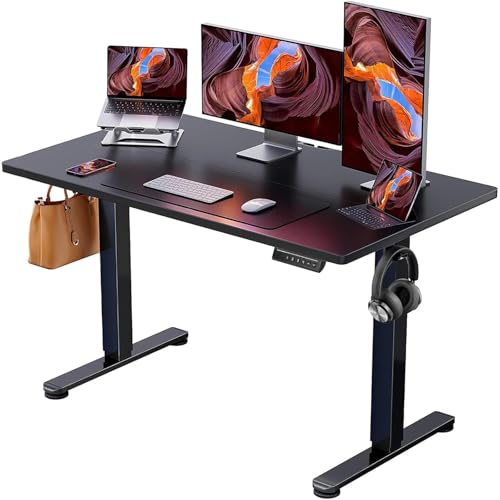
ErGear Height Adjustable Electric Standing Desk, 48 x 24 Inches Sit Stand up Desk, Memory Computer Home Office Desk, Black
Electric Height Adjustable Standing Desk for Comfortable Work – Switch effortlessly between sitting and standing with this electric…
As an affiliate, we earn on qualifying purchases.
As an affiliate, we earn on qualifying purchases.
Frequently Asked Questions
How Do I Build Strong Team Relationships Remotely?
You build strong team relationships remotely by regularly engaging in virtual coffee breaks and trust-building activities. These informal interactions help foster connection and open communication. Encourage your team to share personal updates and participate in collaborative exercises that promote transparency. Consistent check-ins and active listening also strengthen bonds. By creating a supportive environment, you’ll enhance trust, boost morale, and develop a cohesive, resilient team even from afar.
What Are Effective Ways to Stay Motivated at Home?
To stay motivated at home, focus on virtual accountability by regularly checking in with colleagues or mentors, which keeps you committed. Set clear, achievable goals each day and track your progress to maintain momentum. Break tasks into smaller steps to avoid feeling overwhelmed, and celebrate your accomplishments. Creating a dedicated workspace and sticking to a routine also help boost motivation, keeping you productive and engaged throughout your remote workday.
How Can I Manage Work-Life Boundaries Effectively?
Think of your work-life balance as a garden that needs careful tending. You should set boundaries by defining specific work hours and creating a dedicated workspace. Establish routines like morning planning and evening shutdowns to signal the end of your workday. This helps prevent your job from spilling into personal time, ensuring you stay productive at work while enjoying quality time outside of it.
What Tools Improve Remote Communication?
You can improve remote communication by using tools that foster virtual collaboration and streamline instant messaging. Platforms like Slack or Microsoft Teams allow you to chat quickly, share files, and coordinate projects seamlessly. Video conferencing tools like Zoom or Google Meet enhance virtual collaboration, making meetings more engaging. These tools help you stay connected, reduce misunderstandings, and guarantee everyone’s on the same page, making remote work more efficient and collaborative.
How Do I Handle Technical Issues Quickly?
When you face technical issues, act swiftly by troubleshooting hardware first—check connections, restart devices, or update drivers. For example, if your laptop freezes during a meeting, reboot and verify your hardware is working properly. Also, secure your Wi-Fi to prevent disruptions; use strong passwords and update firmware regularly. Quickly addressing hardware problems and securing your Wi-Fi keeps your remote work seamless and minimizes downtime, ensuring you’re always connected and productive.
noise cancelling headphones for remote work
As an affiliate, we earn on qualifying purchases.
As an affiliate, we earn on qualifying purchases.
Conclusion
Guiding remote work challenges may feel like steering through a storm, but remember, you’re the captain of your ship. Embrace flexibility, set boundaries, and communicate openly—these tools will anchor you amidst the chaos. Just as a lighthouse guides sailors safely home, your strategies will lead you to success. Keep your focus sharp and your mindset resilient, and you’ll turn obstacles into opportunities, proving that even in rough seas, you can chart your own course to productivity and fulfillment.

Logitech C920x HD Pro PC Webcam, Full HD 1080p/30fps Video, Clear Audio, HD Light Correction, Works with Microsoft Teams, Google Meet, Zoom, Nintendo Switch 2’s new GameChat Mode, Mac/Tablet- Black
Compatible with Nintendo Switch 2’s new GameChat mode
As an affiliate, we earn on qualifying purchases.
As an affiliate, we earn on qualifying purchases.

Task Planner & Activity Log Notepad – 60 Page Undated Daily & Hourly Planning Pad, To-Do List, Checklist, Track Time & Tasks, ADHD Tracker – Organize Workday, Boost Productivity – 8.5 x 11 Tear Sheets
All-in-One Task Planner & Activity Log Book. This dual-purpose notepad features a structured to-do list (Top Priority, Follow-Up,…
As an affiliate, we earn on qualifying purchases.
As an affiliate, we earn on qualifying purchases.