
TL;DR

Get the latest gadgets delivered free — and shop member deals
- Fast, free delivery on millions of items
- Access to Prime Big Deal Days deals on October 6–7
- Prime Video, Amazon Music and more included
Apple is developing smart glasses with a focus on health and fitness features, based on reports of ongoing R&D. While not confirmed for the initial release, these capabilities could position the glasses as key fitness tools, complementing the Apple Watch.
Apple is actively working to embed fitness and health tracking features into its upcoming smart glasses, according to reports from Bloomberg’s Mark Gurman. This development could elevate the glasses from simple accessories to essential health devices, expanding Apple’s ecosystem beyond the Apple Watch and iPhone. This development could elevate the glasses from simple accessories to essential health devices, expanding Apple’s ecosystem beyond the Apple Watch and iPhone.
While the first-generation Apple smart glasses are not expected to include advanced fitness tech at launch, the company is exploring the integration of sensors capable of recording user movements and vital signs. A recent job listing from Apple’s Vision Products Group highlights efforts to define future health and fitness experiences for these devices. Apple initially considered including fitness features in the Vision Pro headset, but weight and comfort issues led to the project’s delay. The company’s broader strategy suggests that future glasses could leverage sensors to track exercises, monitor heart rate, and analyze body movements, making them valuable companions to the Apple Watch.
Industry observers note that while smart glasses may not replace dedicated fitness trackers or smartwatches, they could serve as an effective adjunct, providing real-time feedback during workouts by observing user movements. Companies like Meta are already exploring similar features, such as calorie estimation through visual analysis, which indicates a growing trend toward AI-powered fitness insights via wearables.
Potential Impact of Fitness Features on Apple Glasses
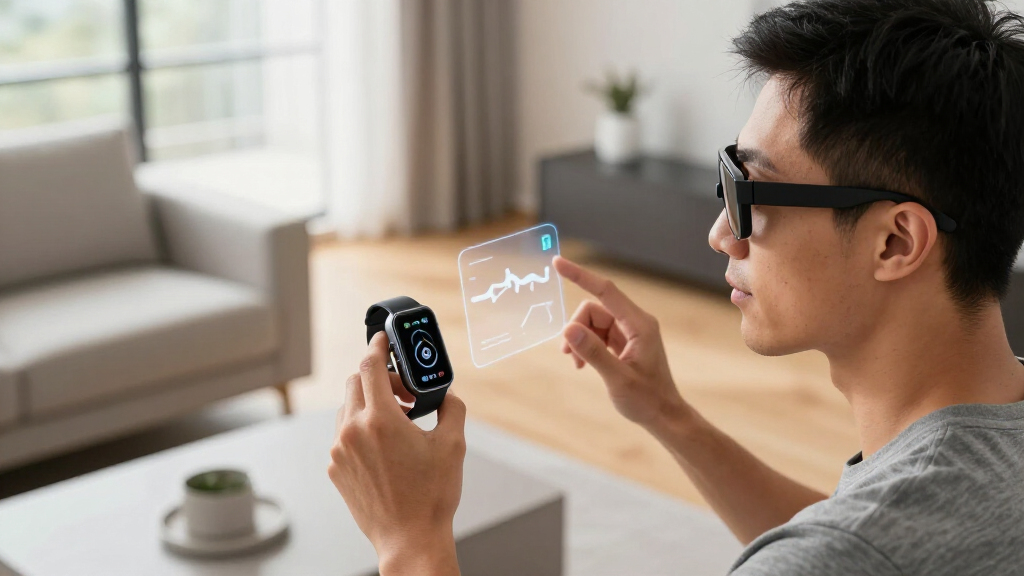
Integrating fitness tracking into Apple’s smart glasses could significantly enhance their appeal, making them a versatile device for health-conscious consumers. This would allow users to monitor their workouts, track vital signs, and receive real-time feedback without needing to wear multiple devices. Such functionality could strengthen Apple’s position in the health tech market, complementing the Apple Watch and expanding the ecosystem of wearable health devices. It also signals a broader industry shift toward combining spatial computing with personal health management.
As an affiliate, we earn on qualifying purchases.
Apple’s Strategy and Industry Trends in Wearable Fitness Tech
Apple has long maintained a dominant position in consumer wearables through the Apple Watch, which offers extensive health and fitness features. The company’s interest in integrating similar capabilities into smart glasses aligns with industry trends, as competitors like Meta and Google develop AR glasses with fitness and health functions. Meta’s recent updates to its Ray-Ban and Meta Glasses include calorie estimation and food logging features, indicating a competitive push toward AI-driven health insights in wearables. Apple’s ongoing R&D efforts suggest it aims to leverage its ecosystem to create more seamless, multifunctional health devices.
While initial smart glasses may focus on basic functionalities, the company’s strategic direction indicates a long-term goal of making these devices indispensable for fitness and health tracking, similar to how AirPods evolved into hearing aids and health monitors.
“Apple’s focus on health and fitness features in future smart glasses indicates a strategic move to expand their wearable ecosystem and offer more integrated health solutions.”
— an anonymous researcher
Unconfirmed Details About Fitness Capabilities in First Gen
It is not yet clear whether the initial release of Apple’s smart glasses will include any dedicated fitness sensors or tracking features. While R&D efforts and job listings suggest a focus on health, the specific functionalities and timing remain uncertain. Apple’s previous cautious approach to integrating fitness technology into new wearables indicates that these features may be phased in over multiple product iterations.
Next Steps in Apple’s Smart Glasses Development
Apple is expected to continue refining its smart glasses with a focus on sensor integration and user experience. The company may introduce preliminary fitness features in future software updates or subsequent hardware iterations. Watch for official announcements, developer tools, or leaks that could clarify the scope of health and fitness capabilities in upcoming models.
Key Questions
Will the first-generation Apple smart glasses include fitness tracking?
According to reports, it is unlikely that the initial release will feature advanced fitness sensors, but future models may incorporate such capabilities as the technology matures.
How would fitness features enhance the usefulness of Apple’s smart glasses?
Fitness features could enable real-time movement analysis, exercise monitoring, and vital sign tracking, making the glasses a valuable tool for workouts and health management.
Could these glasses replace existing fitness trackers?
It is unlikely that smart glasses will fully replace dedicated fitness trackers or smartwatches immediately, but they could serve as a complementary device within Apple’s broader health ecosystem.
When might Apple launch fitness-capable smart glasses?
There are no official timelines yet, but development efforts suggest a rollout could occur in the next few years, following further R&D and product testing.
How does this development compare with competitors like Meta?
Meta has already introduced features like calorie estimation in its smart glasses, indicating a competitive trend toward AI-powered fitness insights, which Apple may follow or surpass in future products.
Source: Road to VR
Fall Picks
fall essentials
As an affiliate, we earn on qualifying purchases.