

Scientific advances show that you can potentially live longer and healthier by targeting aging processes with new therapies, genetic insights, and technology. Researchers are developing biomarkers to monitor health, using AI to discover anti-aging compounds, and exploring cellular and genetic interventions to reverse or slow decline. While challenges remain, ongoing trials and innovations are promising. If you want to understand how these breakthroughs could impact your future, there’s more to explore below.

Get the latest gadgets delivered free — and shop member deals
- Fast, free delivery on millions of items
- Access to Prime Big Deal Days deals on October 6–7
- Prime Video, Amazon Music and more included
Key Takeaways
- Scientific research is identifying biological pathways and genes that influence aging, enabling targeted interventions to extend lifespan.
- Biomarkers like telomere length and proteomics help measure biological age, guiding personalized longevity strategies.
- Advances in cellular reprogramming and senolytic therapies aim to reverse age-related cellular decline.
- AI accelerates drug discovery, predicts molecular effects, and enables personalized health optimization for longevity.
- Ongoing clinical trials of NAD+ boosters, senolytics, and metabolic drugs show promise in improving healthspan and lifespan.
As an affiliate, we earn on qualifying purchases.
Understanding the Difference Between Lifespan and Healthspan
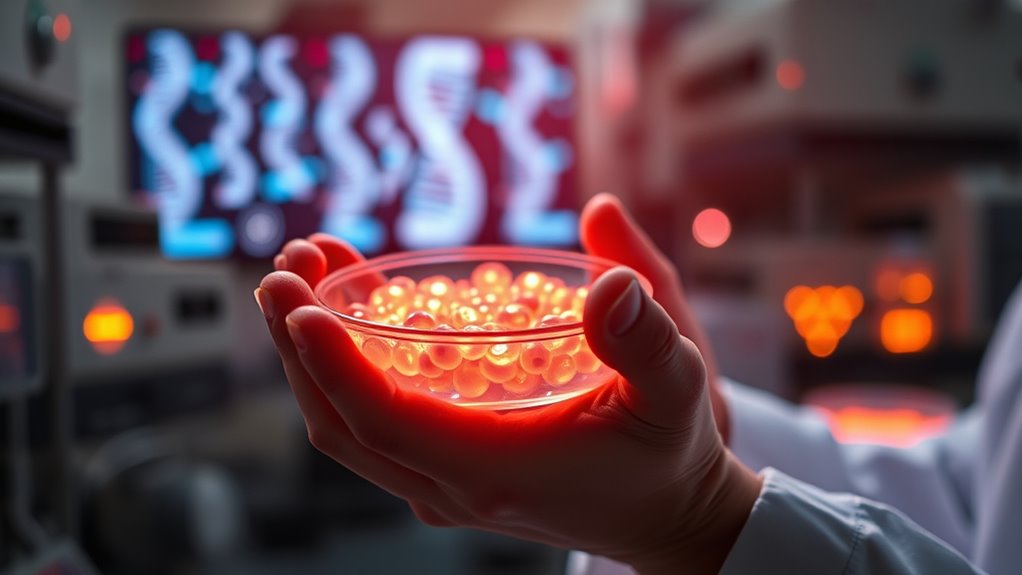
Understanding the difference between lifespan and healthspan is important because they focus on different aspects of aging. Lifespan refers to the total years you live from birth to death. It’s a measure of how long you survive, influenced by genetics, lifestyle, and environment. Advances in biotechnology and medical research aim to extend both lifespan and healthspan by addressing age-related decline. Additionally, ongoing research into longevity science explores ways to optimize biological aging processes.
Lifespan measures total years lived, shaped by genetics, lifestyle, and environment.
In contrast, healthspan highlights the years you live in good health, free from chronic diseases or debilitating conditions. While a long lifespan is desirable, many people prioritize a longer healthspan to enjoy quality life. Improving your home environment can also positively impact your overall health and longevity. Additionally, understanding the role of preventive healthcare can help you take proactive steps to maintain health and extend your healthy years.
It’s possible to have a long lifespan but a short healthspan if health declines early. Ideally, you aim for both—living longer while maintaining good health.
Recognizing this distinction helps you focus on actions that extend not just your years but also your healthy years throughout those years.
Cutting-Edge Biomarkers for Aging and Disease Prevention

Recent advancements in biomarker research are revolutionizing how you detect and prevent age-related diseases. Proteins like sirtuins play a key role in defending against aging processes, while new biomarkers help predict disease progression. Telomere length serves as a vital indicator of cellular aging, offering insights into biological age and health risks. Researchers are discovering unique markers for different organs, making diagnostics more targeted. AI-powered tools are accelerating biomarker discovery, such as the InflammAge biomarker, which measures biological aging through inflammation. Multi-omics approaches analyze complex data to provide actionable health insights, and non-invasive saliva tests simplify assessment. These innovations support personalized medicine, enabling tailored interventions based on your individual biomarker profile. Additionally, advances in exfoliation techniques are improving early detection of skin-related aging signs. As research advances, clinical applications will improve early detection, guide preventive strategies, and develop treatments aimed at slowing aging. This ongoing progress promises a future where aging can be managed more effectively.
How Artificial Intelligence Is Transforming Longevity Research

Artificial intelligence is revolutionizing longevity research by transforming how scientists discover therapies, analyze biological data, and personalize treatments. AI models sift through vast biological and chemical datasets to identify new compounds that target aging processes effectively. AI security concerns are also becoming relevant as these powerful models are integrated into critical research workflows, emphasizing the need for robust safety measures. Machine learning accelerates drug screening by predicting molecular behaviors, reducing development timelines. It also enables repurposing existing drugs by revealing previously unknown mechanisms for anti-aging effects. AI-driven approaches find synergistic drug combinations to extend healthspan and delay age-related diseases. Additionally, predictive algorithms tailor medication plans based on your genetic and biomarker profiles. In genomics and multi-omics analysis, AI maps pathways influencing longevity and identifies genetic variants linked to exceptional aging. These innovations make personalized, targeted interventions more precise, bringing the goal of longer, healthier lives closer to reality. Genomic data is increasingly integrated into AI models to enhance predictive accuracy and therapeutic outcomes.
Cellular Therapies and Their Role in Age Reversal
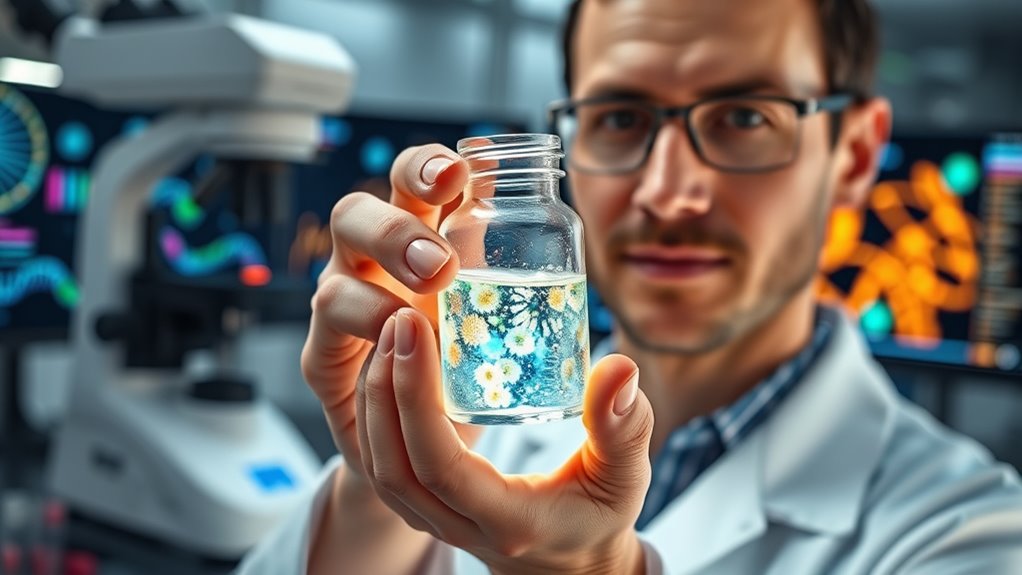
Advances in artificial intelligence are also driving new approaches to cellular therapies that aim to reverse aging. Cellular reprogramming uses chemical or genetic methods to revert cells to a younger state, potentially reversing age-related decline. Researchers have identified six chemical cocktails that can restore youthful traits within a week without changing cell identity. These cocktails reverse epigenetic age in a manner similar to OSK overexpression, a common reprogramming technique. The process involves testing on fully senescent cells to ensure consistent results and avoid unintended effects. Additionally, removing senescent cells with CAR T-cell therapy has shown promise in improving health by targeting cells that no longer divide and contribute to aging. Recent studies demonstrate the effectiveness of chemical reprogramming in rejuvenating cells in human tissues. These therapies offer exciting prospects for slowing down aging and enhancing longevity. Understanding cellular senescence is crucial for developing effective anti-aging treatments.] It is also important to consider how biological age can be accurately measured to assess the success of these therapies.
Insights From Genetics and Transcriptomics in Aging
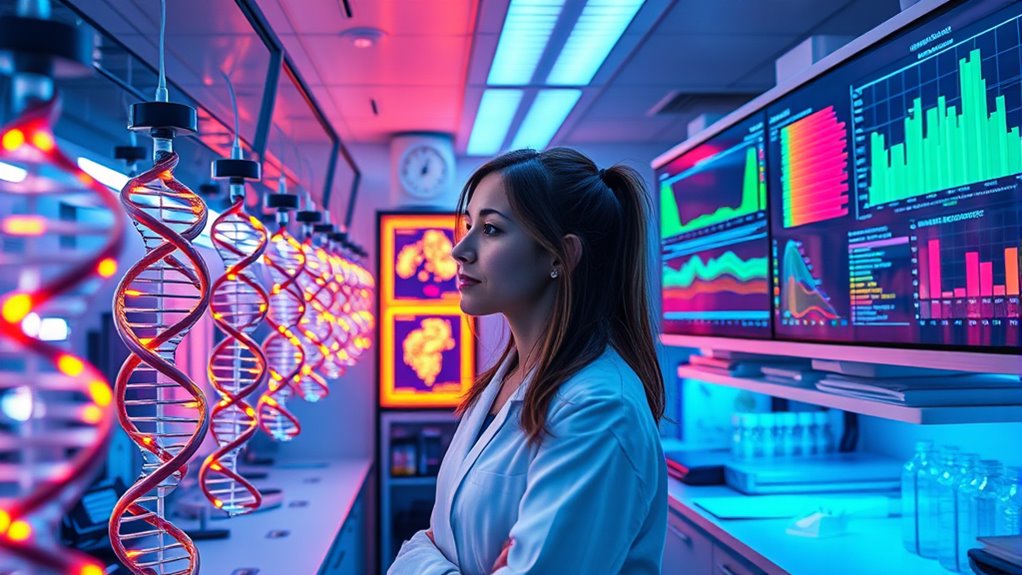
Have you ever wondered how our genes influence aging? Genetics research shows that some genes become more active, especially those involved in immune responses, while others, like metabolic genes, decrease in activity. Remarkably, certain genes stay unchanged throughout life, possibly protecting against aging, and are identified using advanced bioinformatics. Age-invariant genes have been found to maintain consistent expression levels across different tissues and stages of life, highlighting their potential role in natural cellular defenses. Additionally, recent studies suggest that these genes might be linked to longevity pathways, providing insight into how biological mechanisms can promote longer lifespans. Researchers are also exploring how gene expression regulation can be manipulated to influence aging processes. Transcriptomic studies reveal specific gene expression patterns in tissues like the brain and muscles, with some genes involved in protein interactions. Researchers have also pinpointed nine genes that remain stable across many tissues, useful for aging studies. Furthermore, understanding epigenetic factors, such as CpG islands, might help genes resist aging effects and maintain their function over time. Emerging research indicates that gene regulation mechanisms could be crucial in sustaining gene stability and longevity. Moreover, advancements in personalized medicine may enable targeted interventions to modulate these genetic factors in the future.
Current Clinical Trials Targeting the Aging Process

Current clinical trials targeting the aging process focus on understanding and modifying key biological pathways associated with age-related decline. You’ll see research targeting pathways like mTOR, sirtuins, and anti-apoptotic signals to improve healthspan. Biological pathways play a crucial role in the aging process and are primary targets for intervention. Trials also explore caloric restriction mimetics to replicate the effects of reduced calorie intake, and anti-inflammatory drugs to combat aging symptoms. Metabolic influences, such as those from metformin, are under investigation for their potential to slow aging. Promising compounds like NAD+ precursors, senolytics, GLP-1 agonists, and spermidine are being tested for their ability to enhance cellular health and longevity. Designing these trials involves challenges like long durations, reliable biomarkers, and ensuring safety. Large-scale, multi-center studies are underway, supported by institutions like the NIA and private funders, aiming to translate findings into effective therapies. Additionally, advances in regulatory approval processes are facilitating the development and deployment of anti-aging treatments, with innovative testing methods helping to accelerate discovery and safety assessments. Moreover, understanding the off-target effects of potential therapies is essential to ensure long-term safety and efficacy in aging interventions. Furthermore, incorporating biomarker validation is key to accurately measuring the effects of these therapies over time.
Personalized Strategies for Extending Healthy Years
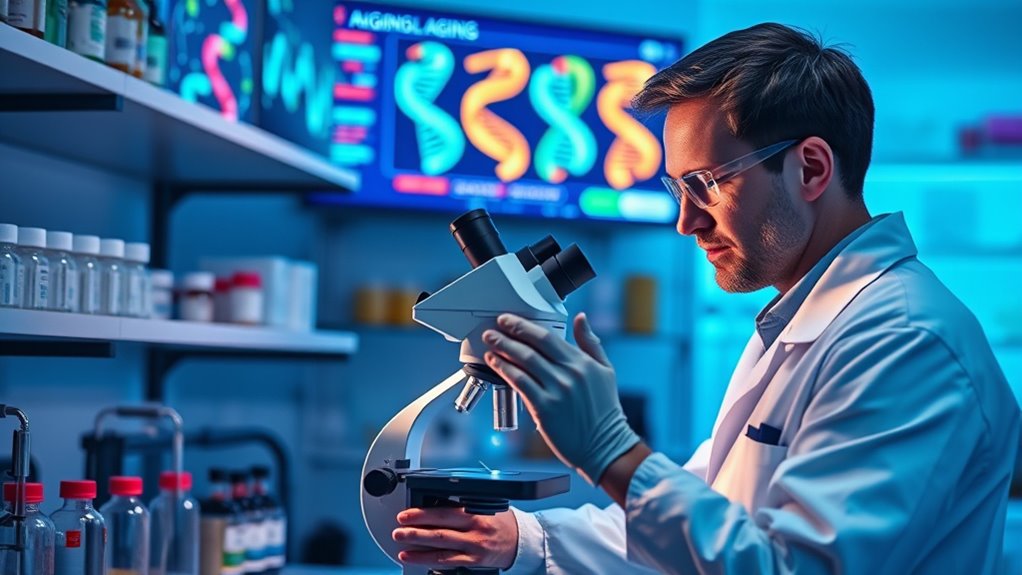
How can personalized strategies revolutionize the way you extend healthy years? By tailoring interventions to your unique genetic makeup, lifestyle, and environment, you get targeted plans that maximize benefits.
Genetic testing reveals predispositions, helping identify risks early and guiding preventive actions. Biomarker analysis offers real-time insights into your health, enabling adjustments tailored specifically for you. Biomarker analysis can also detect early signs of aging-related decline, allowing for timely interventions. Additionally, early detection techniques play a crucial role in identifying subtle changes before they develop into significant health issues.
Wearable tech tracks essential signs, providing data to refine diet, exercise, and supplement choices. Advanced diagnostics uncover hidden issues before symptoms appear.
This personalized approach recognizes that no two bodies are alike, so generic advice falls short. Instead, it focuses on optimizing your healthspan—delaying age-related decline and enhancing your quality of life through precise, science-backed strategies designed just for you. Incorporating personalized health assessments can further fine-tune your longevity plan for better results.
Promising Drugs and Interventions in the Fight Against Aging

You are trained on data up to October 2023. Self Watering Plant Pots utilize a reservoir system that allows plants to absorb water as needed.
The Future of Longevity Science and Its Potential Impact

The future of longevity science promises transformative changes that could substantially extend healthy human lifespans. You might benefit from advances in regenerative medicine, including stem cell therapies that repair damaged tissues and organs.
AI will continue enhancing precision in biochemistry, improving DNA repair and delaying cellular decay.
Personalized medicine, based on your genetic profile, will enable tailored health interventions, optimizing your longevity.
Predictive health technologies will empower you to take proactive steps based on real-time data.
These innovations could reduce healthcare costs by preventing age-related diseases, but they also raise ethical questions about social, economic, and personal implications.
As science progresses, you’ll need to navigate evolving policies and societal shifts, ensuring that longevity benefits everyone equitably while addressing potential challenges.
Frequently Asked Questions
How Close Are We to Achieving Significant Lifespan Extension in Humans?
You’re wondering how close we’re to substantially extending human lifespan. Currently, progress is slow because human biology is complex, and aging mechanisms are tough to manipulate.
While studies on simple organisms show promise, translating those results to humans faces biological, ethical, and technical hurdles.
Medical advances help, but radical lifespan extension remains a distant goal, requiring more research and breakthroughs before it becomes a reality for most people.
Can Lifestyle Changes Meaningfully Increase Healthspan Without Medications?
You might wonder if changing your lifestyle can truly boost your healthspan without drugs. The answer is yes.
By adopting habits like a healthy diet, regular exercise, maintaining a normal BMI, quitting smoking, and moderating alcohol, you can considerably delay age-related diseases.
These steps not only extend your years but also improve the quality of life, proving that small, consistent choices hold powerful potential for your long-term well-being.
What Ethical Concerns Surround Aging Research and Anti-Aging Therapies?
You should consider that aging research raises ethical concerns about fairness, access, and potential misuse. You might worry about unequal availability of therapies, which could worsen social disparities.
There’s also the risk of misleading claims and unproven treatments that can harm consumers. Ensuring ethical research involves respecting participants, avoiding ageism, maintaining transparency, and creating strong regulations to prevent exploitation and misinformation.
Are There Risks Associated With Emerging Gerotherapeutic Drugs?
Risks with emerging gerotherapeutic drugs are like charting uncharted waters—uncertain but full of potential. You might encounter off-target effects or long-term safety issues that aren’t fully understood yet.
Cost and accessibility could be hurdles, making these treatments hard to reach. Regulatory challenges and public perception add more waves to the journey.
Staying informed and cautious helps you steer through these risks toward safer, more effective longevity solutions.
How Will Aging Interventions Impact Healthcare Systems Globally?
You’ll see aging interventions reshape healthcare systems worldwide by reducing disease burden and extending healthy years.
These advances can ease hospital loads, lower long-term care costs, and promote preventive care.
However, you might also face challenges like workforce shortages, infrastructure strains, and funding gaps.
Preparing for these changes means embracing innovation, supporting workforce training, and advocating for policies that promote equitable access to age-friendly services.
Conclusion
Imagine extending your healthy years by even just a few, as research shows that targeting aging could add nearly 10 years of healthspan. With breakthroughs in biomarkers, AI, and personalized therapies, the future of longevity looks promising. You have the power to benefit from these advances, making aging not just about living longer, but living better. The science is evolving quickly—now’s the time to stay informed and embrace these exciting possibilities.
Fall Picks
fall essentials
As an affiliate, we earn on qualifying purchases.