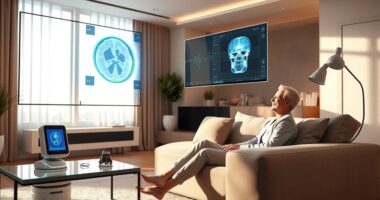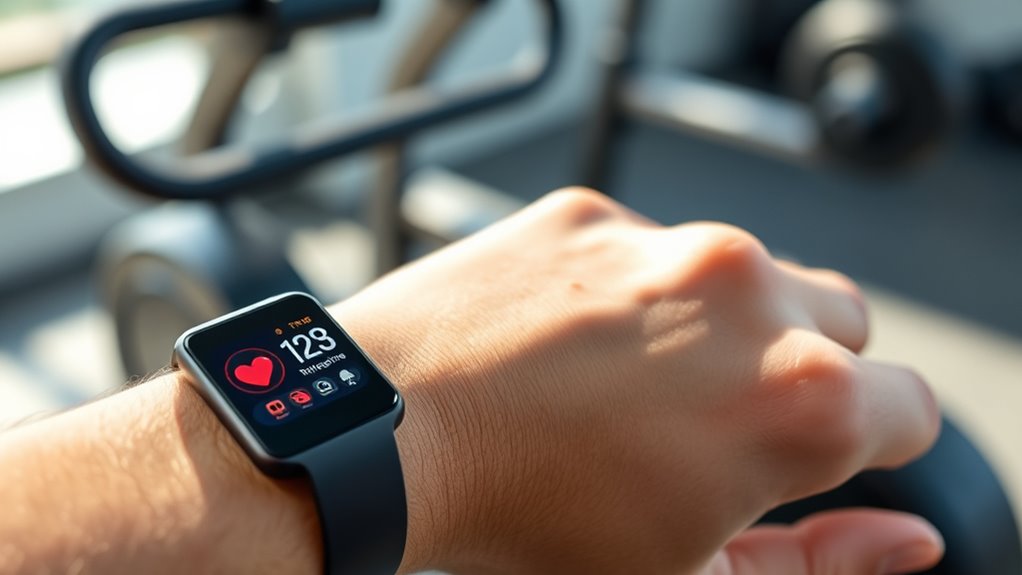

Wearable tech for health tracking helps you monitor essential signs, sleep, diet, and environmental factors effortlessly. With real-time insights, you can make smarter choices about your lifestyle, manage your nutrition, and improve sleep quality. These devices offer personalized recommendations and alerts to keep you on track, even highlighting issues you might not notice on your own. If you want to discover how to optimize your health with these tools, there’s more to explore below.
Key Takeaways
- Wearable devices enable continuous health monitoring, providing real-time insights into diet, sleep, and environmental factors.
- They track food intake, calorie consumption, hydration, and macronutrients to support healthy eating habits.
- Sleep analysis features monitor patterns, stages, and quality to improve sleep routines and overall restfulness.
- Some devices measure environmental factors like air quality, offering a comprehensive view of health influences.
- Personalized recommendations based on data analysis help users make proactive lifestyle adjustments for better health outcomes.
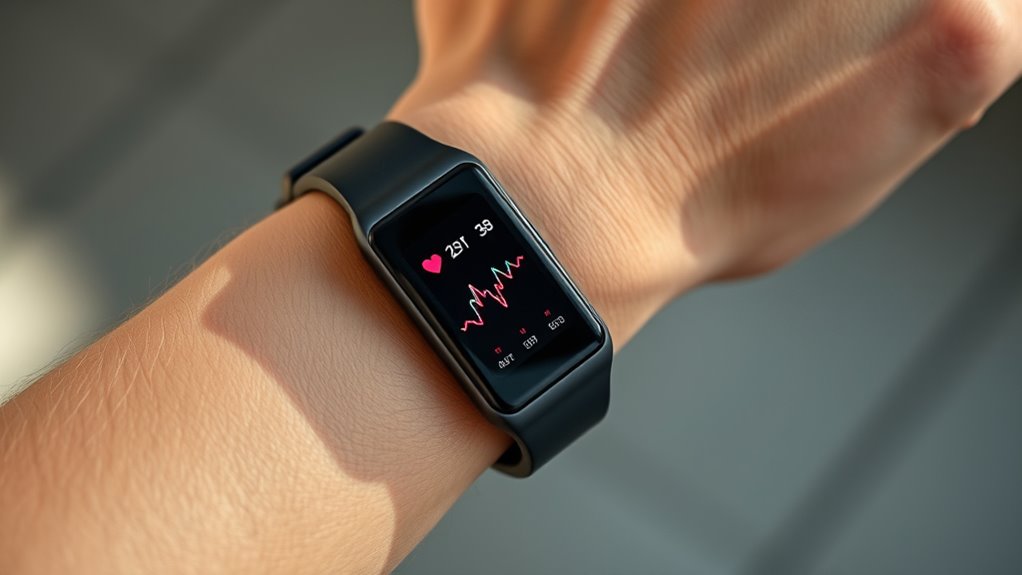
Wearable technology has revolutionized how you monitor your health, making it easier to stay informed about your well-being on a daily basis. With these devices, you can track various aspects of your health seamlessly, gaining insights that help you make smarter lifestyle choices. One of the key features many wearables offer is diet monitoring. By logging your food intake directly through your smartwatch or fitness band, you receive real-time feedback on your calorie consumption, macronutrient breakdown, and hydration levels. This makes it simple to stay aligned with your nutritional goals without the hassle of manual entries or keeping a separate journal. As you eat throughout the day, these devices prompt you to meet your dietary targets, encouraging healthier habits and helping you avoid overeating or nutrient deficiencies. This constant feedback loop ensures you’re always aware of how your diet impacts your overall health.
Sleep analysis is another essential function that wearable tech provides. A good night’s sleep is indispensable for mental clarity, physical recovery, and overall wellness. With sleep analysis features, your device tracks your sleep patterns, duration, and quality each night. You might be surprised to learn how often you wake up or how restless your sleep is, insights that are often difficult to notice on your own. The device records movements, heart rate, and breathing patterns to determine sleep stages, helping you understand whether you’re getting enough deep and REM sleep. Armed with this information, you can adjust your bedtime routines, reduce screen time before bed, or alter your sleep environment to improve rest. Over time, these insights enable you to develop healthier sleep habits, leading to better energy levels and overall health. Additionally, some devices incorporate air quality monitoring to provide a more comprehensive picture of your environment’s impact on your sleep and health.
More than just tracking, wearable tech often provides actionable recommendations based on your data. If your sleep analysis indicates frequent interruptions, the device might suggest relaxing activities before bed or adjusting your caffeine intake. Similarly, if your diet monitoring reveals excessive sugar consumption, it could recommend healthier alternatives. These personalized insights help you take control of your health instead of just observing it passively. The convenience of having all this information at your fingertips means you can make quick adjustments during your day, whether it’s tweaking your diet or optimizing your sleep schedule.

WHOOP Peak – 12-Month Membership – 5.0 Health and Fitness Wearable – 24/7 Activity and Sleep Tracker with Heart Rate, HRV, Stress Monitor, Personalized Coaching, Healthspan – 14+ Days Battery Life
EVERYTHING YOU NEED IS INCLUDED: Your WHOOP purchase includes a 12-month WHOOP Peak membership, a WHOOP 5.0 device,…
As an affiliate, we earn on qualifying purchases.
As an affiliate, we earn on qualifying purchases.
Frequently Asked Questions
How Accurate Are Wearable Health Trackers Compared to Medical Devices?
Wearable health trackers are generally less accurate than medical devices, but they can provide useful insights if properly calibrated. Sensor calibration is key to improving accuracy, though some variability remains. Keep in mind, data privacy is vital since these devices collect sensitive health info. While not perfect replacements for medical tools, wearables help you monitor trends and stay proactive about your health, with ongoing improvements in technology.
Can Wearable Tech Detect Early Signs of Health Issues?
Yes, wearable tech can help you detect early signs of health issues through symptom monitoring and early detection features. It tracks essential signs like heart rate, sleep patterns, and activity levels, alerting you to potential concerns. While it’s not a replacement for medical advice, using wearable devices regularly can give you valuable insights and prompt you to seek professional care when necessary, enhancing your overall health management.
Are Wearable Health Devices Suitable for Children and Seniors?
You might think wearable health devices are just for adults, but surprisingly, they’re quite suitable for children and seniors too. They enhance child safety by tracking location and activity, giving parents peace of mind. For seniors, these devices assist with senior monitoring, helping spot health issues early. So, yes, wearable tech isn’t just a fad; it’s a smart tool for all ages, ensuring safety and health with a simple tap.
How Long Does the Battery Last on Most Health Tracking Wearables?
Most health tracking wearables offer a battery life of about 4 to 7 days on a single charge, depending on usage and features. You won’t need to charge them daily, but keep in mind that frequent charging cycles can affect battery longevity over time. To maximize battery life, turn off unnecessary features and reduce screen brightness. Regular charging cycles help keep your device ready to track your health data effectively.
Do Wearable Health Devices Require Internet Connectivity to Function Properly?
Think of your wearable device as a trusted companion, capable of guiding your health journey. It doesn’t always need internet dependency to function properly, especially for basic features like step counting or heart rate monitoring. However, for syncing data, app updates, or advanced insights, device compatibility with internet access becomes essential. Without it, some features might be limited, but your core health tracking remains active, like a steady heartbeat.

Fitness Tracker with Heart Rate/Blood Oxygen/Sleep Monitor, 20+ Sports Modes Smart Watches for Women/Men, Activity & Step Tracker Smart Watch for Android/iOS Phones (Dark Black)
【24/7 Heart Rate Monitor 】This blood pressure watch supports real-time dynamic heart rate, blood oxygen, blood pressure ,Sleep…
As an affiliate, we earn on qualifying purchases.
As an affiliate, we earn on qualifying purchases.
Conclusion
As you explore wearable tech, you’re gently guided toward better health habits without feeling overwhelmed. These devices act as friendly companions, offering subtle insights that help you stay on track. Embrace the quiet nudge toward wellness, knowing that each step, heartbeat, or calorie counted is a small but meaningful move forward. With wearable tech, you’re not just tracking; you’re nurturing a more mindful, healthier you—one gentle reminder at a time.

USMECBL Fitness Trackers,Blood Oxygen Heart Rate Sleep Monitor,Smart Band 24/7 Health Monitoring,Calorie Pedometer Steps Counter Activity watchs/Notifications for iOS/Android
【10-14 Day Long Battery Life – Wear It Day and Night】Forget daily charging anxiety. A single, full charge…
As an affiliate, we earn on qualifying purchases.
As an affiliate, we earn on qualifying purchases.
![Atmotube PRO 2 Battery Powered Portable Outdoor and Indoor Professional Air Quality Monitor [PM, CO2, VOCs, NOx, Temperature, Humidity and Barometric Pressure Tester], Pollution Meter](https://m.media-amazon.com/images/I/41B6Ryb7ihL._SL500_.jpg)
Atmotube PRO 2 Battery Powered Portable Outdoor and Indoor Professional Air Quality Monitor [PM, CO2, VOCs, NOx, Temperature, Humidity and Barometric Pressure Tester], Pollution Meter
Real-time air quality tracker: Atmotube PRO 2 is equipped with CO2, PM sensors and measures particulate matter PM1,…
As an affiliate, we earn on qualifying purchases.
As an affiliate, we earn on qualifying purchases.