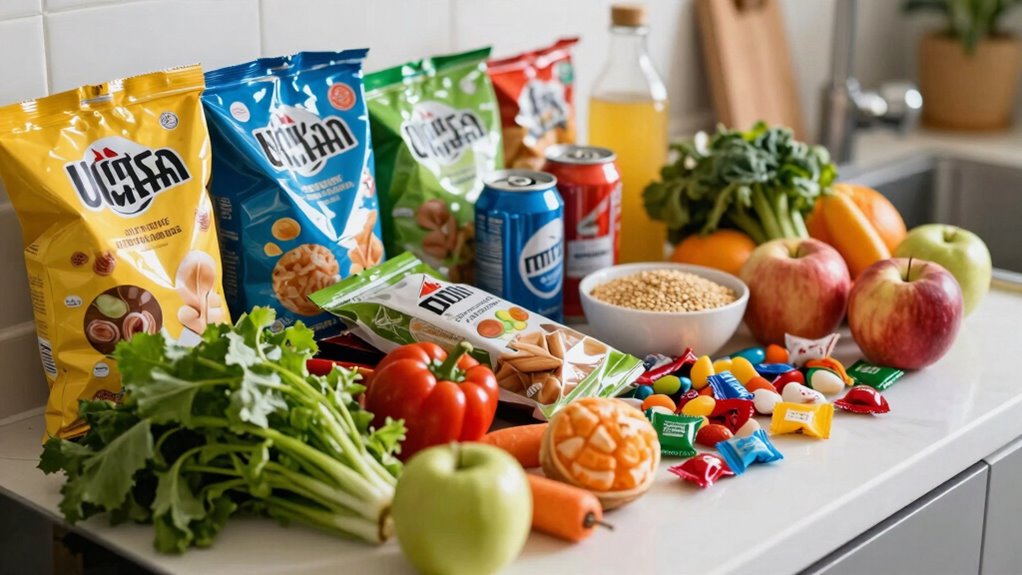

To reduce ultra-processed foods, start by replacing snacks with whole fruits, nuts, or vegetables. Cook simple dishes at home using fresh ingredients to avoid preservatives and artificial flavorings. Learn to read labels, focusing on familiar, minimal ingredients, and be aware of marketing tactics that may be misleading. Shopping on store perimeters helps you find healthier options. Small, consistent changes like these can considerably improve your health—stay tuned to discover even more practical tips.

Get the latest gadgets delivered free with Prime
- Fast, free delivery on millions of items
- Prime Video, Amazon Music and more included
- Member-only deals all year
Key Takeaways
- Focus on reading labels to identify and avoid foods with unfamiliar ingredients and additives.
- Prioritize whole, minimally processed foods like fruits, vegetables, nuts, and whole grains.
- Prepare meals at home using fresh ingredients to control content and reduce reliance on convenience foods.
- Shop mainly along store perimeters where fresh produce, meats, and dairy are located.
- Educate yourself on food marketing tactics and regulations to make informed, healthier choices.
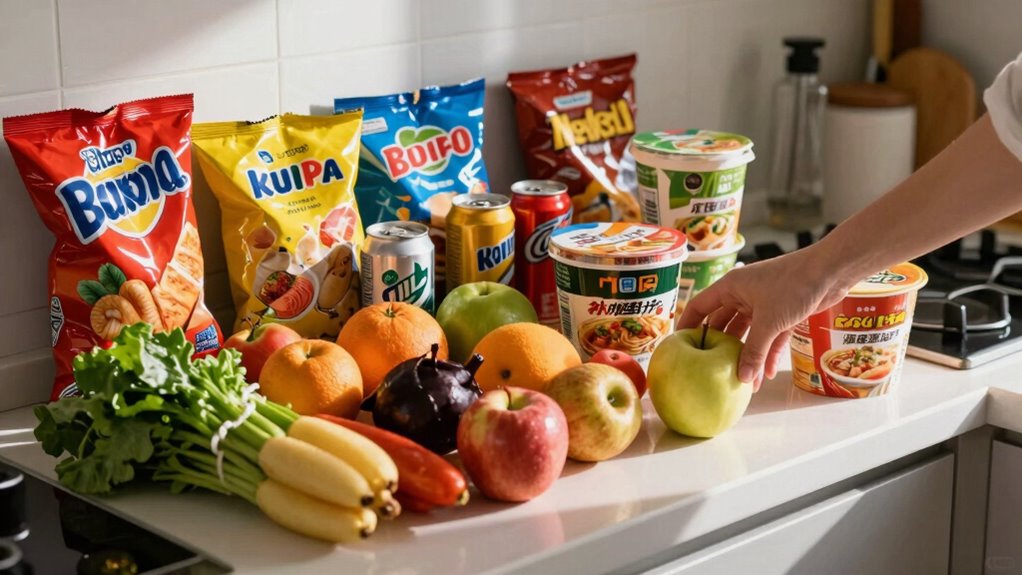
Reducing your intake of ultra-processed foods is essential for improving overall health and well-being. These foods often contain additives, preservatives, and artificial ingredients that can negatively impact your body over time. To make smarter choices, start by paying close attention to nutritional labeling. Food packaging now provides detailed information about ingredients, calories, sugars, fats, and salt content. Learning to read these labels helps you identify products loaded with unhealthy additives and hidden sugars, guiding you toward better options. Remember, the fewer unfamiliar ingredients listed, the more likely the food is minimally processed and healthier for you.
Focus on reading nutrition labels to identify minimally processed, healthier food options by avoiding unfamiliar ingredients and hidden additives.
Alongside scrutinizing nutritional labels, understanding food industry regulations can empower you to navigate the marketplace more confidently. Regulations govern what manufacturers can include on labels, ensuring transparency, but they also influence how products are marketed. For example, some foods may be labeled as “low fat” or “gluten-free,” even if they contain other harmful ingredients. Being aware of these marketing tactics can help you see beyond buzzwords and focus on the actual nutritional content. It’s also beneficial to research trusted sources and guidelines from health authorities, which often recommend limiting ultra-processed foods altogether.
Making gradual changes is an effective way to reduce your intake. Replace processed snacks with whole fruits, nuts, or vegetables. Instead of ready-made meals, prepare simple dishes at home using fresh ingredients. When grocery shopping, stick to the perimeter of the store where fresh produce, meats, and dairy tend to be located. This naturally reduces exposure to highly processed foods, which are typically found in the center aisles. Planning your meals ahead of time also minimizes impulsive purchases of convenience foods that are often loaded with unhealthy additives. Developing food literacy can further enhance your ability to choose healthier options confidently.
Another practical step involves cooking more meals from scratch. This allows you full control over what goes into your food, avoiding unnecessary preservatives and flavor enhancers. Use herbs, spices, and natural seasonings to add flavor instead of relying on artificial flavorings common in ultra-processed items. Additionally, consider reading up on food industry regulations to understand how ingredients are listed and what labels truly mean. This knowledge helps you decode marketing claims and make informed decisions. Small, consistent efforts—like reading labels carefully, choosing whole foods, and preparing your own meals—can considerably lower your intake of ultra-processed foods. Recognizing the impact of food additives on health can motivate you to choose minimally processed options more often. Being aware of ingredient lists and how they are regulated enables you to better scrutinize product labels and avoid unhealthy choices. Moreover, understanding the manufacturing processes behind processed foods can give you deeper insight into what’s really in your food.
As an affiliate, we earn on qualifying purchases.
Frequently Asked Questions
How Can I Identify Ultra-Processed Foods Easily?
To identify ultra-processed foods easily, check the ingredient labeling. If you see long lists full of unfamiliar food additives, preservatives, or artificial colors, it’s likely ultra-processed. These products often contain ingredients you wouldn’t typically use in home cooking. Opt for foods with simple, recognizable ingredients, and avoid those with a laundry list of additives. This simple step helps you make healthier choices and reduces your intake of ultra-processed foods.
Are There Affordable Alternatives to Ultra-Processed Snacks?
Yes, you can find affordable snack swaps with natural options like fresh fruit, homemade trail mix, or yogurt. These alternatives are often cheaper and healthier than ultra-processed snacks. Look for seasonal produce or buy in bulk to save money. Preparing snacks at home not only reduces costs but also guarantees you’re choosing natural ingredients. This way, you enjoy satisfying, nutritious snacks without breaking the bank.
How Long Does It Take to See Health Improvements?
You can start noticing health improvements within a few weeks of making lifestyle changes and improving your nutritional benefits, especially if you reduce ultra-processed foods. Typically, you’ll see better energy levels, digestion, and mood in about 2-4 weeks. Longer-term benefits, like weight loss or blood pressure drops, may take 1-3 months. Consistency is key—sticking to healthier choices accelerates positive results and helps you maintain a balanced, nourishing diet.
Can Children Safely Consume Some Ultra-Processed Foods?
Yes, children can safely consume some ultra-processed foods, but moderation is key. You should focus on healthy snack swaps and apply nutritional education strategies to teach them better choices. Keep an eye on ingredients, and introduce variety gradually. When you balance treats with nutritious options, you help develop lifelong healthy habits. The secret? Consistency and awareness—making small changes today can lead to big health benefits tomorrow.
What Are Common Hidden Sources of Ultra-Processing?
Hidden sources of ultra-processing often lurk in processed snacks, cereals, and ready-to-eat meals. You can spot them by checking the ingredients list and food labels carefully. Look for additives like preservatives, flavor enhancers, and artificial colors, which indicate high processing levels. Even seemingly healthy products might contain these hidden ingredients, so being vigilant helps you avoid unnecessary ultra-processed foods and make better choices for your health.
Conclusion
By choosing to reduce ultra-processed foods, you’re taking a page from the story of the phoenix rising—renewing your health and energy. Like forging a new path through uncharted territory, every small step you take leads to a brighter, more vibrant future. Remember, even the tiniest change can spark a revolution in your well-being. So, embrace this journey, and let your choices write a new chapter—one of vitality, balance, and resilience.
Columbus Day / Indigenous Peoples' Day Picks
long weekend sales
As an affiliate, we earn on qualifying purchases.