
If you’re trying to tell the difference between stress and anxiety, notice if your feelings are linked to specific external events—like deadlines—then you’re likely experiencing stress that eases once the situation is over. If worry persists without clear triggers, and your symptoms last weeks or months, it’s more probably anxiety. Anxiety can cause physical symptoms like rapid heartbeat and panic, and it can interfere with daily life. Keep exploring to understand these differences better.

Get the latest gadgets delivered free — and shop member deals
- Fast, free delivery on millions of items
- Access to Prime Big Deal Days deals on October 6–7
- Prime Video, Amazon Music and more included
Key Takeaways
- Stress is a response to external events; anxiety is persistent and may occur without obvious triggers.
- Stress typically resolves after the external issue is addressed; anxiety can last weeks or months regardless of external factors.
- Stress causes physical symptoms like chest tightness; anxiety often leads to rapid heartbeat, sweating, and panic attacks.
- Stress prompts focused effort to resolve problems; anxiety creates mental loops of worry, impairing daily functioning.
- Recognizing whether symptoms are situational (stress) or ongoing (anxiety) helps determine appropriate management.
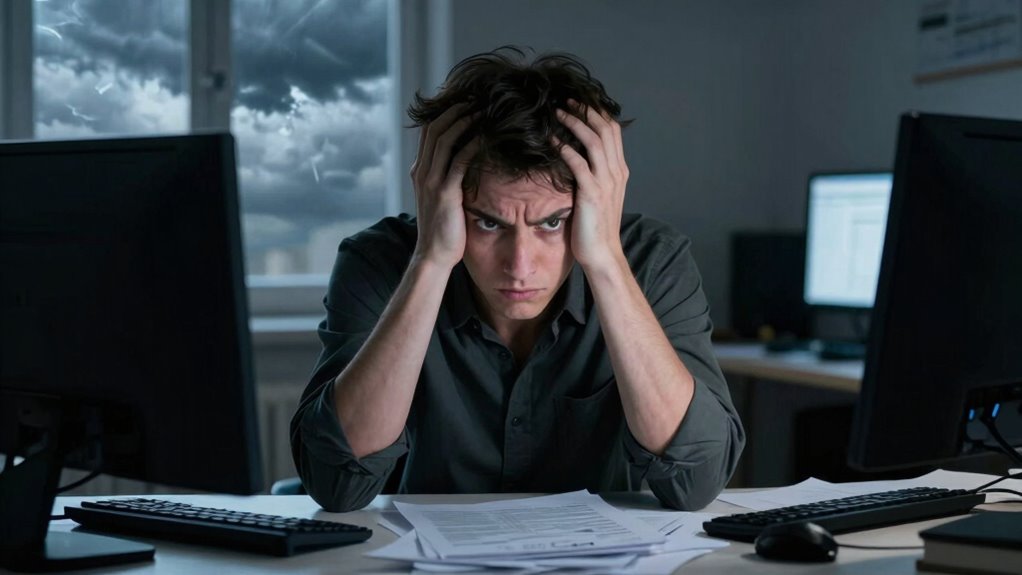
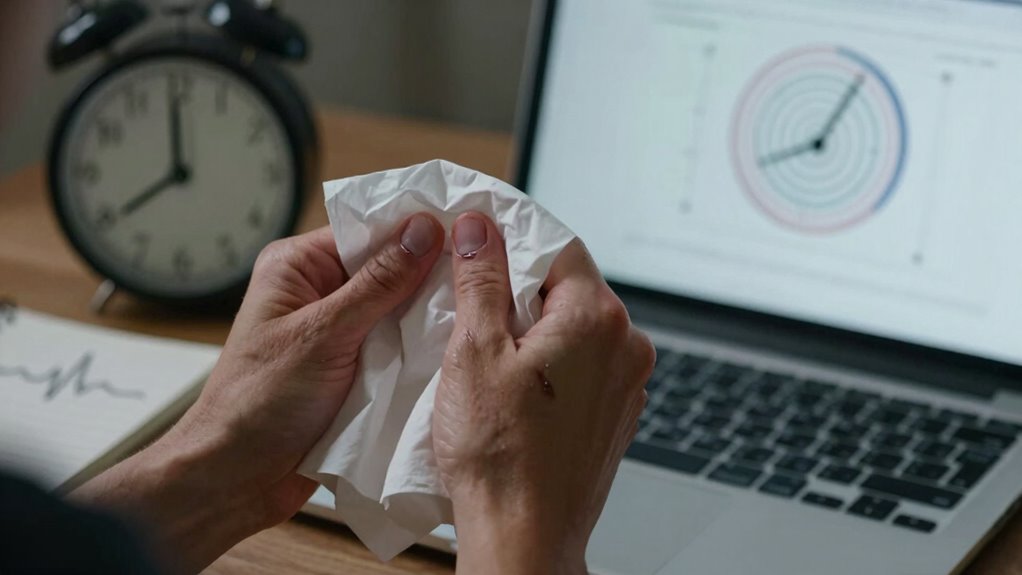
Have you ever wondered what truly separates stress from anxiety? It’s a common question because, on the surface, they can feel quite similar—both can make your chest tighten, your mind race, and your body react strongly. But understanding the difference is vital, especially when it comes to managing your mental health. Stress usually pops up as a response to specific situations, like workplace pressure or academic challenges. When you’re overwhelmed with a looming deadline or a demanding project, you might feel anxious, but that feeling typically subsides once the pressure eases. Stress is often temporary, tied directly to external factors, and it generally motivates you to act or solve the problem.
Anxiety, on the other hand, is more persistent. It’s less about a specific event and more about an ongoing, often irrational worry that lingers even when there’s no immediate threat. You might find yourself feeling anxious long after the stressful situation has passed, or without any clear reason at all. Anxiety tends to involve a heightened state of alertness, where your mind fixates on potential negative outcomes, sometimes leading to panic attacks or physical symptoms like rapid heartbeat, sweating, or trembling. If you notice these symptoms persisting over weeks or months, it’s likely anxiety rather than simple stress. Recognizing these symptoms early can help prevent further emotional and physical health complications.
Another way to tell them apart is how they affect your thoughts and behaviors. When you’re stressed due to workplace pressure, you might notice a surge of adrenaline that pushes you to work harder or stay up late to meet deadlines. Your focus might narrow temporarily, but once the task is completed, the stress usually diminishes. With anxiety, your thoughts can become trapped in a cycle of “what ifs” and worst-case scenarios, even when there’s no immediate danger. This mental loop can interfere with your daily life, making it hard to concentrate, sleep, or enjoy activities you once loved. Recognizing the distinction can also help you identify when your symptoms may be linked to mental health concerns rather than temporary stress. Additionally, understanding the biological mechanisms involved in anxiety can shed light on why it persists and how it might require targeted interventions.
It’s also worth noting that while stress can be a normal response to life’s demands, chronic anxiety is a different matter altogether. It can lead to physical health issues, like weakened immune function, and emotional struggles, such as persistent fear or dread. Understanding the biological mechanisms behind anxiety can offer insight into why it persists even without external triggers. This ongoing cycle of worry can sometimes be fueled by biological factors, making anxiety more difficult to manage without appropriate support. Recognizing these distinctions helps you decide when to seek help, whether through self-care techniques, therapy, or medical treatment. Ultimately, understanding whether you’re experiencing stress or anxiety empowers you to address the root cause and find the appropriate support, leading to better mental well-being.
stress relief essential oil diffuser
As an affiliate, we earn on qualifying purchases.
As an affiliate, we earn on qualifying purchases.
Frequently Asked Questions
Can Stress or Anxiety Cause Physical Health Problems?
Yes, stress and anxiety can cause physical health problems. When you experience intense or prolonged emotional responses, your body reacts with physical symptoms like headaches, muscle tension, or stomach issues. Over time, chronic stress or anxiety may weaken your immune system, increase blood pressure, and raise the risk of heart problems. Recognizing these signs helps you address emotional responses early, preventing long-term health complications.
How Long Do Stress and Anxiety Typically Last?
When stress or anxiety hits, it often feels like a storm brewing inside—intense but temporary. Stress typically lasts a few hours to days, fading once the pressure lifts. Anxiety symptoms, however, can linger for weeks or longer if unmanaged. Effective stress management techniques, like deep breathing or mindfulness, can shorten these episodes. Recognizing how long these feelings persist helps you address them before they become overwhelming.
Are There Specific Triggers for Anxiety Versus Stress?
Yes, there are specific triggers for anxiety versus stress. Stress often arises from external factors like work deadlines or financial issues, triggering emotional responses like irritability or frustration. Anxiety, however, can be triggered by cognitive differences, such as negative thought patterns or worries about future events, leading to heightened emotional responses like fear or dread. Recognizing these triggers helps you distinguish between the two and manage them more effectively.
Can Lifestyle Changes Reduce Both Stress and Anxiety?
Like a gentle stream calming after a storm, lifestyle changes can ease both stress and anxiety. You can reduce them by adopting mindfulness techniques, which help you stay present and centered, and establishing regular exercise routines to release built-up tension. These habits strengthen your mental resilience, making it easier to manage daily pressures. Consistency is key—small changes, like daily walks or deep breathing, can markedly improve your overall well-being.
When Should I Seek Professional Help for Stress or Anxiety?
You should seek professional help when early warning signs of stress or anxiety, like persistent worry, difficulty sleeping, or overwhelming feelings, don’t improve with coping strategies. If these feelings interfere with your daily life or relationships, it’s time to talk to a mental health professional. They can help you develop effective coping strategies, provide support, and determine if treatment is necessary to manage your stress or anxiety effectively.
Conclusion
Understanding the difference between stress and anxiety is like telling apart a passing storm from an ongoing thunderstorm—you can manage one, but the other might need extra help. Recognizing the signs helps you address your feelings before they overwhelm you. Remember, just like weather, these emotions are temporary, but knowing how to handle them makes all the difference. Stay aware, stay proactive, and don’t hesitate to seek support when needed. Your peace of mind is worth it.
Fall Picks
fall essentials
As an affiliate, we earn on qualifying purchases.