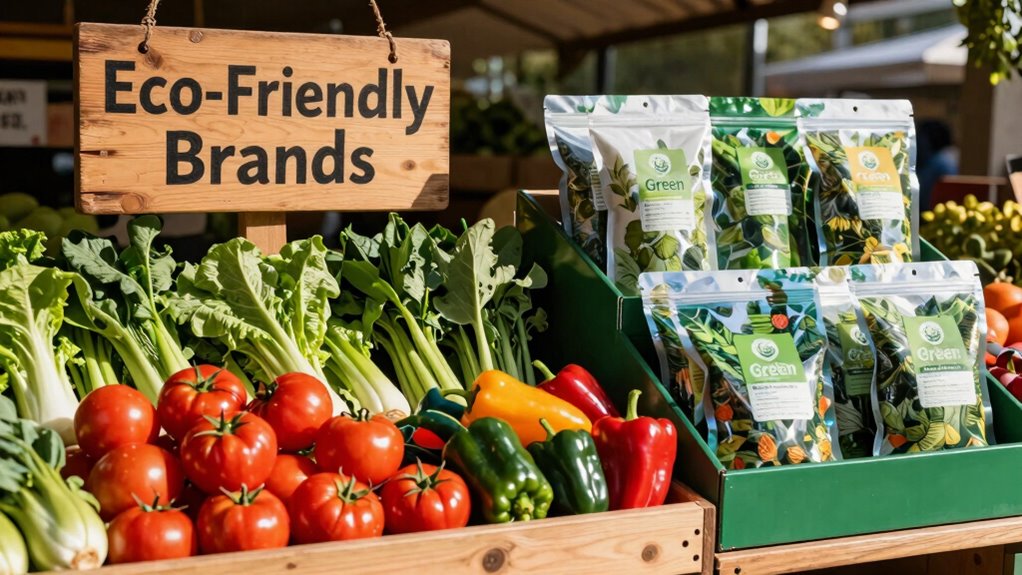

To tell the difference between ethical brands and greenwashing, look for transparency in their supply chains and clear, honest communication about their practices. Check for trusted third-party certifications that validate their claims. Be wary of vague language, green imagery, or buzzwords that mask superficial efforts. Consistent actions across all parts of their business show true commitment. If you keep exploring, you’ll gain the tools to make more informed and responsible choices.
Key Takeaways
- Check for supply chain transparency and detailed disclosures about sourcing, labor, and environmental impact.
- Look for third-party certifications that validate sustainability claims.
- Be wary of vague language, green imagery, and buzzwords used to create a false impression.
- Assess whether the brand demonstrates consistency and accountability across all business practices.
- Develop a critical mindset by asking questions and staying informed about common greenwashing tactics.

In today’s world, it can be hard to tell genuine ethical brands apart from those that just label themselves as green but aren’t truly committed to sustainability. Many companies use marketing tactics to appear eco-friendly without making substantial changes. As a conscious consumer, you need to look beyond the buzzwords and flashy labels. One of the most reliable ways to distinguish authentic ethical brands is by examining their supply chain transparency. Ethical companies openly share details about where and how their products are made, including labor practices, sourcing locations, and environmental impact. When a brand is transparent about its supply chain, it shows accountability and a real commitment to sustainability. Conversely, brands that lack transparency often hide behind vague claims, making it easy to fall for greenwashing. Understanding the importance of supply chain transparency can help consumers make more informed decisions and recognize truly ethical brands. Developing a critical mindset toward marketing claims is essential in navigating the complex landscape of eco-friendly branding. Additionally, paying attention to third-party certifications can serve as a trustworthy indicator of a brand’s authenticity and dedication to sustainability. Recognizing these certifications and what they stand for can empower consumers to make better-informed choices.
Transparent supply chains reveal true commitment to sustainability, helping consumers avoid greenwashing and make ethical choices.
Another key difference is how brands communicate their values. Ethical brands tend to be honest and straightforward, acknowledging both their successes and areas for improvement. They don’t rely solely on green imagery or buzzwords to sell their products. Instead, they focus on tangible actions and measurable results. Greenwashing brands, on the other hand, often use vague language, images of nature, or misleading labels to create an illusion of sustainability without providing concrete evidence. This can lead to consumer skepticism, making it harder for you to trust brands in the long run. Recognizing these tactics requires a discerning eye, which can be cultivated by staying informed and asking the right questions. Being aware of marketing tactics can help you see through superficial claims and focus on authentic sustainability efforts.
Ultimately, the difference lies in consistency and accountability. Ethical brands integrate sustainability into every aspect of their business—supply chain, packaging, labor practices—and are willing to be held accountable for their impact. As a consumer, your role is to stay informed, ask questions, and support companies that demonstrate transparency and integrity. By doing so, you’ll help push the market toward genuine sustainability and make better choices that align with your values.
ethical brand certification products
As an affiliate, we earn on qualifying purchases.
As an affiliate, we earn on qualifying purchases.
Frequently Asked Questions
How Can Consumers Verify a Brand’s Environmental Claims?
You can verify a brand’s environmental claims by checking their sustainability metrics and supply chain transparency. Look for third-party certifications like B Corp or Fair Trade, which validate their commitments. Research their supply chain to see if they disclose sourcing details and labor practices. Additionally, review credible reports or reviews that scrutinize their sustainability efforts. These steps help you distinguish genuine ethical brands from greenwashing practices.
What Are Common Signs of Greenwashing?
Imagine a wolf in sheep’s clothing—greenwashing often disguises corporate transparency with flashy advertising tactics. Watch out for vague claims like “eco-friendly” without proof or certifications. Brands that dodge specifics or avoid third-party verification may be deceiving you. If their messaging feels more like a marketing costume than genuine concern, it’s a sign they’re using advertising tactics to hide behind false environmental promises. Stay alert and ask for concrete evidence.
Are Ethical Brands More Expensive Than Regular Brands?
Ethical brands can be more expensive than regular brands, but it’s not always the case. You’ll find that they often prioritize pricing transparency and ethical sourcing, which might lead to higher costs due to fair wages and sustainable materials. However, some brands manage to keep prices competitive by streamlining supply chains or offering smaller product lines. So, it’s worth researching to find affordable options that still align with your values.
How Do Certifications Impact Brand Credibility?
Did you know brands with credible certifications are 70% more trusted? Certifications markedly boost brand credibility because they’re based on strict standards like fair labor, sustainability, and transparency practices. When you see certifications, it indicates the brand adheres to recognized certification standards, giving you confidence in their claims. Certifications act as proof, helping you distinguish genuine ethical brands from greenwashers and ensuring your choices support responsible companies.
Can Small Brands Be Genuinely Ethical?
Yes, small brands can be genuinely ethical. They often face authenticity challenges, but their transparency and commitment to ethical practices can shine through. By prioritizing local sourcing, fair labor, and eco-friendly materials, they build trust with consumers. Your role is to research their values and practices, ensuring their claims aren’t just marketing tactics. Genuine small-scale brands often have a personal touch that larger companies might lack, making their ethics more authentic.
Conclusion
Now that you know the difference between ethical brands and greenwashing, you’re armed with the ultimate superpower to make smarter choices. Don’t fall for the tricks of brands that just slap a ‘green’ label to boost sales—those are the wolves in sheep’s clothing. Seek transparency, do your research, and support genuine ethical companies. Because, let’s be honest, your choices can change the world—one conscious purchase at a time!