

TL;DR
Halt and Catch Fire (HCF) is a term originating from early computer hardware that describes instructions causing CPUs to stop functioning. It has historical roots in undocumented opcodes and hardware bugs, and remains relevant in hardware testing and security today.
The phrase ‘Halt and Catch Fire’ (HCF) originated as a humorous term in computer engineering, describing machine instructions that cause CPUs to stop functioning, and is now recognized as a technical concept with historical and security implications.
HCF initially appeared in the context of undocumented or illegal opcodes in early microprocessors like the Motorola 6800 and the IBM System/360. These instructions, often created deliberately or discovered accidentally, could cause the processor to enter a state where it ceases normal operation, requiring a reset to recover. The phrase combines humor with a description of hardware lockups, with the ‘fire’ component being somewhat literal in cases where hardware overheated or caught fire, such as early IBM systems.
Historically, the term gained traction in technical publications, with Gerry Wheeler’s 1977 BYTE article describing a Motorola 6800 opcode that caused the processor to enter a state where it read memory continuously without responding to interrupts. Later, engineers recognized similar behaviors in other architectures, including the 6502 and early x86 chips, often as unintended side effects or bugs. Modern security research also uses fuzzing techniques to identify illegal or unexpected processor states, sometimes mimicking HCF-like conditions.
Why It Matters
This matters because understanding HCF helps in diagnosing hardware bugs, designing robust processors, and identifying security vulnerabilities. Illegal instruction sequences can be exploited or cause system crashes, making the concept relevant in both hardware debugging and cybersecurity.
Additionally, the historical context illustrates how hardware quirks and undocumented features have influenced processor design and testing, highlighting the importance of thorough validation in modern computing systems.

THE OSCILLOSCOPE HANDBOOK: Practical Measurement Techniques for Modern Digital Electronics
As an affiliate, we earn on qualifying purchases.
As an affiliate, we earn on qualifying purchases.
Background
The term ‘Halt and Catch Fire’ originated in the 1970s with documentation of undocumented opcodes in microprocessors like the Motorola 6800. Early engineers discovered that executing certain illegal instructions would cause the processor to lock up or enter a state of continuous memory access, often requiring a reset. The phrase was initially a joke but became a technical term used to describe these hardware behaviors. Over time, similar issues appeared in other architectures, including the Pentium F00F bug and illegal opcodes in the 6502. Today, fuzzing and security research continue to explore such processor states, emphasizing their ongoing relevance.
“When this instruction is run the only way to see what it is doing is with an oscilloscope. From the user’s point of view the machine halts and defies most attempts to get it restarted.”
— Gerry Wheeler, BYTE magazine (1977)
“An illegal opcode internally nicknamed HACOF could cause the program counter to increment forever until reset. Engineers kept this behavior intentionally for RAM scanning during bring-up.”
— Daniels and Bruce, IEEE Design & Test (1985)

PHS T-Screw Security Picture Hanger Wrench – 3-Pack T Lock Anti Theft Hanger Tool – Durable Picture Frame Tools for T Screws – Easy Security Screw Removal Tool
BEFORE YOU BUY: Our T-Screw Security Wrench works only with frames using T-head security screws and security picture…
As an affiliate, we earn on qualifying purchases.
As an affiliate, we earn on qualifying purchases.
What Remains Unclear
It is not yet clear how current processor architectures handle illegal opcodes or whether similar behaviors could be intentionally exploited in modern hardware security contexts. Ongoing research continues to uncover new variants and implications.
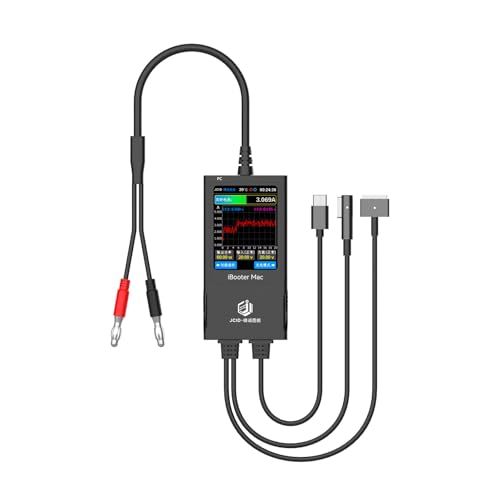
DIYPHONE Current Analyzer Precise Fault Date Diagnosis Boot Current Voltage Real-time Graph Display for MacBook(2008-2024 Models) Repair Tool
The Current Analyzer iBooter Mac with MagSafe cable (L-tip, T-tip and USB-C interface) for Macbook(2008-2024 ) repair.T-type interface…
As an affiliate, we earn on qualifying purchases.
As an affiliate, we earn on qualifying purchases.
What’s Next
Researchers and hardware engineers will likely continue studying illegal instruction behaviors, with focus on security implications and hardware robustness. Future developments may include more sophisticated fuzzing techniques and hardware mitigations against lockup states.

Linux Basics for Hackers: Getting Started with Networking, Scripting, and Security in Kali
As an affiliate, we earn on qualifying purchases.
As an affiliate, we earn on qualifying purchases.
Key Questions
What exactly does ‘Halt and Catch Fire’ mean in computing?
It describes a machine instruction or condition that causes a CPU to stop executing normal instructions, often requiring a reset to recover, originally from undocumented or illegal opcodes.
Why is this term still relevant today?
Understanding HCF helps in diagnosing hardware bugs, improving processor security, and designing more robust systems. It also informs security research, especially in fuzzing and vulnerability discovery.
Did real hardware ever catch fire because of HCF instructions?
While the IBM System/360 reportedly caught fire in some cases, the Motorola 6800’s HCF instruction did not cause actual fires but could cause the processor to halt or lock up.
Are modern processors vulnerable to similar lockup states?
Modern processors have safeguards against illegal instructions, but vulnerabilities and bugs still exist, and researchers actively study how to exploit or mitigate such states.