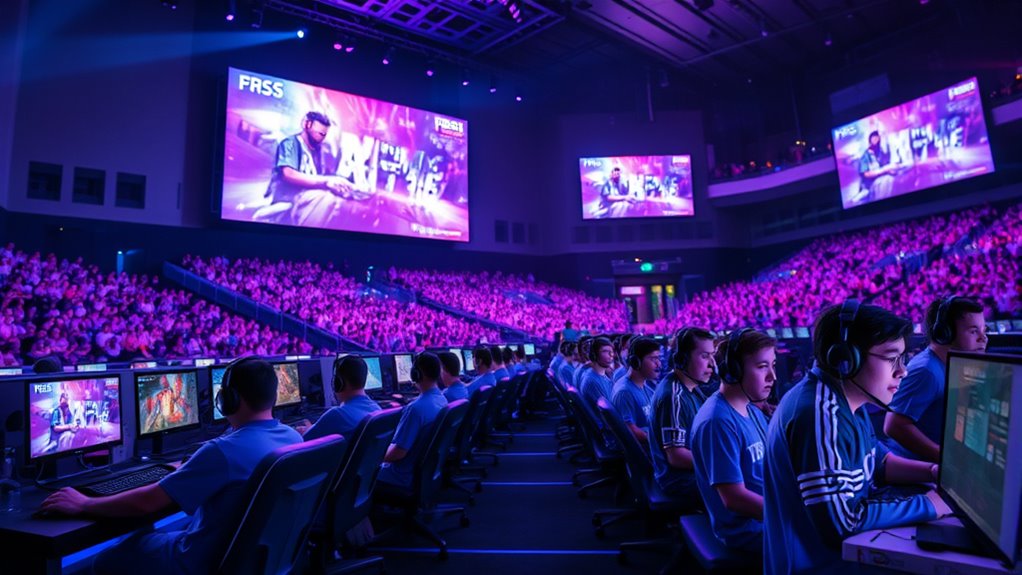

The esports industry is rapidly expanding, worth nearly $1.88 billion in 2022 and projected to hit $13.7 billion by 2032. With millions of viewers worldwide, technological advances like VR and 5G boost viewer experience and engagement. Major companies organize global tournaments, attracting large audiences and investments. This booming market offers exciting opportunities for brands and investors alike. Stay tuned to explore how esports is shaping the future of competitive gaming and digital entertainment.
Key Takeaways
- The global esports market is projected to reach USD 13.7 billion by 2032, driven by increasing investments and technological advancements.
- Viewership is expected to surpass 640 million worldwide by 2025, reflecting growing audience engagement across streaming platforms.
- Major tournaments like the League of Legends World Championship attract millions of viewers, boosting industry visibility.
- Industry leaders such as Activision Blizzard and Tencent are expanding through mergers, acquisitions, and innovative event hosting.
- Technological innovations like VR, 5G, and AI are enhancing viewer experiences and accessibility, fueling further industry growth.

Razer BlackShark V2 X Gaming Headset: 7.1 Surround Sound – 50mm Drivers – Memory Foam Cushion – For PC, PS4, PS5, Switch – 3.5mm Audio Jack – Black
ADVANCED PASSIVE NOISE CANCELLATION — sturdy closed earcups fully cover ears to prevent noise from leaking into the…
As an affiliate, we earn on qualifying purchases.
As an affiliate, we earn on qualifying purchases.
The Expanding Market and Revenue Opportunities

The esports industry is experiencing rapid growth, opening up numerous revenue opportunities for investors, brands, and game developers. You can tap into this expanding market through sponsorships, advertising, media rights, game publisher fees, and merchandise sales.
In 2022, the global esports market was valued at USD 1.88 billion, with projections reaching USD 13.7 billion by 2032. The U.S. dominates the scene, generating over USD 1.2 billion in 2025, and is the largest esports market worldwide. As of 2025, the U.S. is the largest eSports market, generating over $1.2 billion in revenue.
As viewership and participation surge, new revenue streams emerge. Technological advancements, increasing investments, and the rise of gaming tournaments fuel this growth.
For investors and brands, the expanding market offers lucrative opportunities to connect with a passionate and growing audience, ensuring continued revenue growth in the coming years.

Logitech G502 Hero High Performance Wired Gaming Mouse, Hero 25K Sensor, 25,600 DPI, RGB, Adjustable Weights, 11 Programmable Buttons, On-Board Memory, PC/Mac – Black
HERO Gaming Sensor: Next generation HERO mouse sensor delivers precision tracking up to 25600 DPI with zero smoothing,…
As an affiliate, we earn on qualifying purchases.
As an affiliate, we earn on qualifying purchases.
Global Reach and Audience Engagement
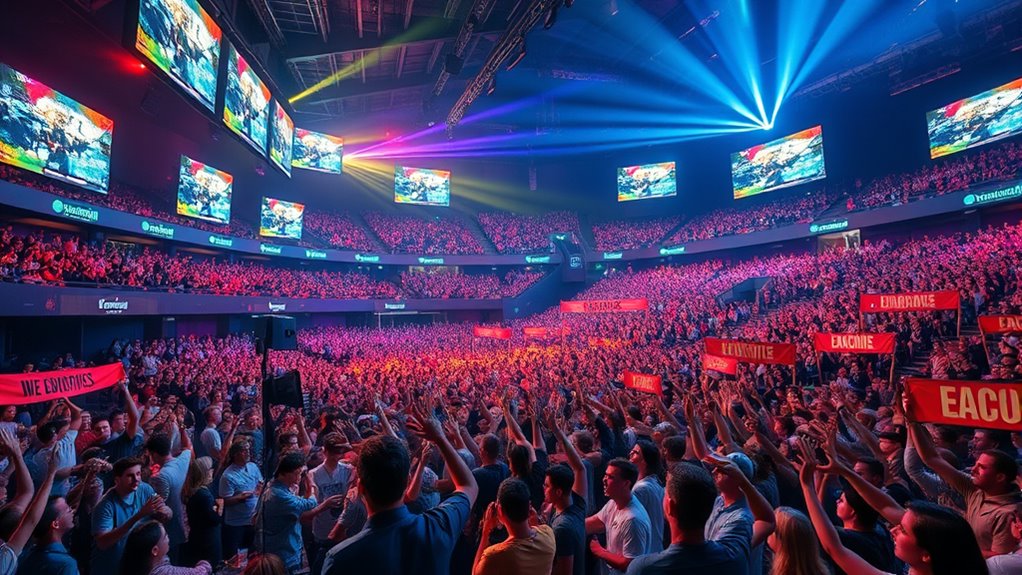
Have you ever wondered how esports has become a truly global phenomenon? The answer lies in its massive and growing audience. By 2025, over 318 million people are expected to tune in, with projections reaching around 640.8 million users worldwide. The global eSports viewer base is projected to reach 318.1 million enthusiasts by 2025. Streaming platforms like Twitch, YouTube Gaming, and others drive engagement through innovative features like low-latency streaming and interactive options. Major tournaments, like the 2023 League of Legends World Championship, draw millions of viewers globally, fueling the widespread appeal. Regional tournaments across North America, Europe, and Latin America further expand esports’ reach and inclusivity worldwide. As technology advances, the integration of automation and data analytics enhances the spectator experience and helps organizers optimize event management. Additionally, the adoption of advanced broadcasting technologies ensures high-quality streams that attract even larger audiences. Furthermore, ongoing technology innovations continue to revolutionize how fans connect with competitive gaming, including developments in virtual reality that offer immersive viewing experiences. These technological advancements are also supported by regulatory frameworks, which are critical for maintaining fair play and expanding the legitimacy of esports worldwide.

HyperX Alloy Core RGB – Membrane Gaming Keyboard, Comfortable Quiet Silent Keys with RGB LED Lighting Effects, Spill Resistant, Dedicated Media Keys, Compatible with Windows 10/8.1/8/7 – Black
Signature Light Bar and dynamic RGB lighting effects so you can personalize your battle station and bring it…
As an affiliate, we earn on qualifying purchases.
As an affiliate, we earn on qualifying purchases.
Key Players and Competitive Landscape
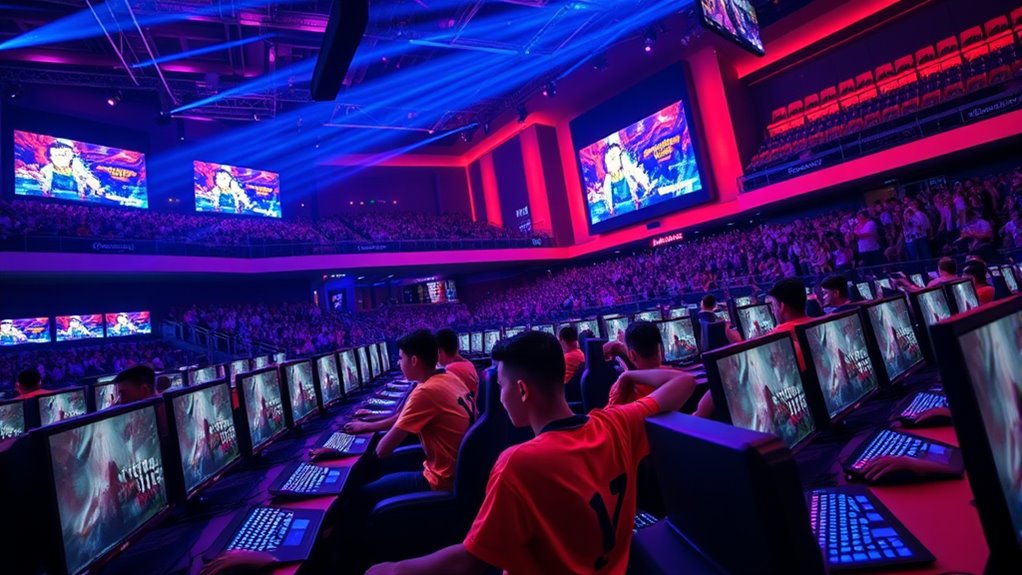
Major industry players shape the competitive landscape by developing and hosting key esports titles that attract millions of viewers worldwide. Activision Blizzard leads with *Call of Duty* and *Overwatch*, pioneering franchised league models. Valve operates *Dota 2*’s *The International* and *Counter-Strike* tournaments, known for massive prize pools. Electronic Arts focuses on sports simulations through *FIFAe* and *Apex Legends*. Modern Times Group owns *ESL Gaming*, organizing major events like *Intel Extreme Masters*. Tencent, parent of *Riot Games*, dominates *League of Legends* and mobile titles like *Honor of Kings*. These companies often form partnerships, such as Gfinity with Red Bull or Microsoft’s pending acquisition of Activision, shaping the evolving esports ecosystem. Their investments, tournaments, and collaborations drive the industry’s explosive growth. The industry is witnessing a surge in strategic mergers and acquisitions, which is expected to further consolidate market power among the leading players. Additionally, market consolidation is enabling top organizations to expand their global reach and influence, highlighting the importance of industry growth as a key driver in the esports sector. Furthermore, the integration of advanced technology continues to transform how competitions are broadcasted and experienced by fans worldwide. Advances in broadcasting technology are enhancing viewer engagement and accessibility, further fueling industry expansion. In particular, AI-driven analytics are increasingly being used to improve broadcasting quality and viewer insights, contributing to a more engaging spectator experience.

Meta Quest 3S 128GB | VR Headset — Thirty-Three Percent More Memory — 2X Graphical Processing Power — Virtual Reality Without Wires — Access to 40+ Games with a 3-Month Trial of Meta Horizon+ Included
NO WIRES, MORE FUN — Break free from cords. Game, play, exercise and explore immersive worlds — untethered…
As an affiliate, we earn on qualifying purchases.
As an affiliate, we earn on qualifying purchases.
Technological Innovations Driving Growth
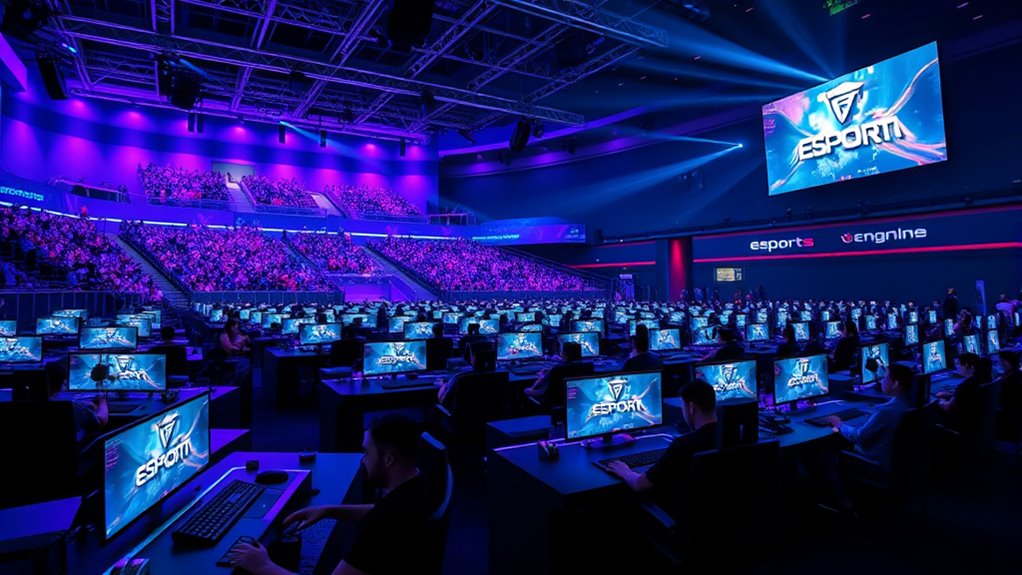
Technological innovations are transforming the esports industry at a rapid pace, enabling more immersive, accessible, and engaging experiences for both players and spectators. 5G technology boosts online multiplayer gaming by providing higher capacity, increased bandwidth, and lower latency, making gameplay smoother. Real-time data analytics analyze player and team performance during competitions, offering valuable insights. Understanding credit card terms is crucial for secure and efficient online transactions. Cloud computing supports scalable, secure management of large-scale events and data, while AI enhances the spectator experience with personalized content and outcome predictions. IoT integration ensures seamless device communication during events. Additionally, cybersecurity measures are vital to protect sensitive data and prevent cyber threats in an increasingly digital environment. On the hardware side, high-performance PCs, specialized peripherals, and advanced graphics cards improve gameplay, while haptic feedback adds tactile immersion. Additionally, Glycolic acid benefits are being explored for skin health, reflecting how innovative tech-driven solutions are expanding beyond gaming. Moreover, the integration of professional voiceover techniques in broadcasting enhances viewer engagement and adds credibility to live commentary. Technological progress also accelerates game development, leading to more innovative titles and features that keep players engaged, with developers leveraging new tools and techniques to push creative boundaries.
Socioeconomic Impact and Future Outlook
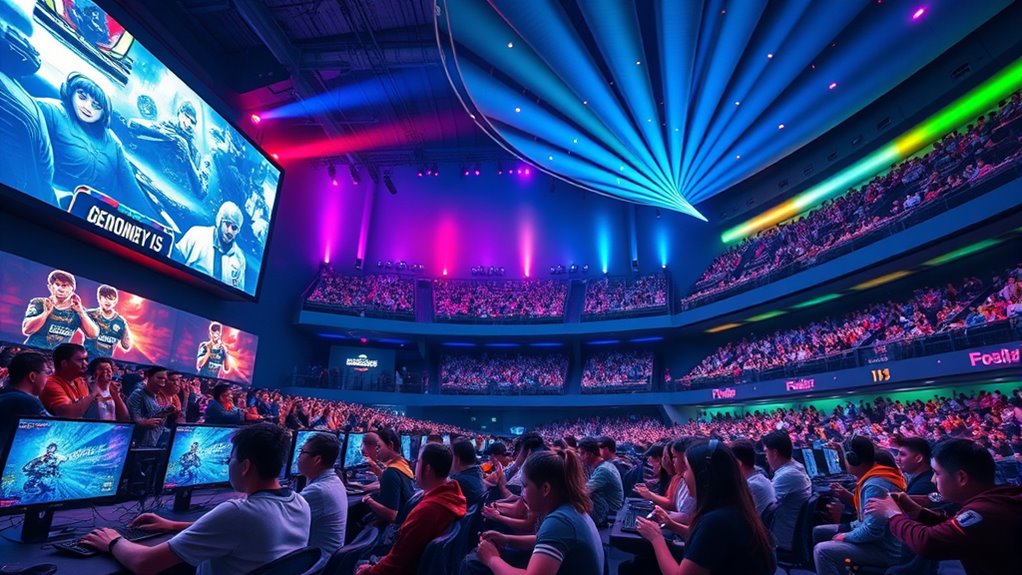
The socioeconomic impact of esports is rapidly expanding, reshaping local economies, communities, and educational systems worldwide. You can see this in places like Atlanta, where esports generated a $500 million economic boost and created 12,000 jobs. The global market is projected to grow from $1.4 billion to $1.9 billion by 2025 and over $5 billion by 2029, offering diverse employment opportunities across roles like players, support staff, and event organizers. Esports also promotes social benefits, fostering community, cultural exchange, and STEM education through scholarships and college programs. As the industry continues to grow, future expansion depends on technological advancements, international competitions, and developing sustainable revenue streams beyond sponsorships. Esports viewership and revenue are increasing, indicating a resilient industry poised for long-term growth. This evolution promises to influence societies worldwide, making esports a key driver of socioeconomic change. Moreover, ongoing innovations in digital infrastructure are critical to support this expansion and ensure accessibility for diverse populations. Advances in broadband connectivity will be essential to bridge digital divides and support the industry’s sustained growth. Additionally, integrating virtual reality technologies can enhance user engagement and create new monetization avenues. Furthermore, as the industry matures, player development programs are increasingly important to cultivate talent and maintain competitive standards. Recognizing the importance of arcade machines, many organizations incorporate classic titles to attract a broader audience and preserve gaming heritage.
Frequently Asked Questions
How Do Regional Regulations Affect Esports Growth Worldwide?
Regional regulations shape your esports experience profoundly. They determine how tournaments are organized, how player data is protected, and how legal disputes are resolved.
In some regions, clear frameworks encourage growth, while gaps and conflicts can hinder development.
You’ll notice that countries with supportive laws and government investment foster thriving scenes, whereas inconsistent enforcement or legal uncertainties slow down progress and limit opportunities for players and organizers alike.
What Are the Most Popular Esports Titles Currently?
You probably think the biggest esports titles are all about shooting and strategy, right? Well, it’s actually a mix.
League of Legends dominates with massive global viewership, while Counter-Strike 2 and Valorant lead in competitive scenes.
Fortnite stays relevant with creative updates, and Mobile Legends captures Southeast Asia’s heart.
How Do Sponsorship Deals Influence Team and Player Earnings?
Sponsorship deals critically boost both team and player earnings. You’ll find that sponsorships provide a major income source, often exceeding tournament winnings.
When brands like Mercedes-Benz or Coca-Cola partner with teams, they not only increase financial stability but also elevate players’ individual brand value.
You benefit from these deals through increased salaries, sponsorship personal deals, and career security, making sponsorships a vital part of your esports success.
What Challenges Does the Esports Industry Face in Sustainability?
You might think esports is all about high scores and big wins, but sustainability proves otherwise. The industry faces serious challenges like unstable revenue streams, costly hardware waste, and fragile community trust.
You’ll find that without stable governance, fair player treatment, and eco-friendly practices, even the biggest tournaments risk collapse. So, while growth dazzles, sustainability remains an uphill battle—one that demands real changes before the game ends.
How Is Player Health and Well-Being Addressed in Competitive Gaming?
You might wonder how player health and well-being are managed in competitive gaming. Efforts include promoting regular exercise to reduce sedentary risks, encouraging good sleep habits, and developing stress reduction techniques like mindfulness.
Some programs focus on preventing musculoskeletal issues and managing heart rate spikes during matches. However, more research and integrated health strategies are needed to better support players’ physical and mental well-being in esports.
Conclusion
As you follow the e-sports boom, you’ll see how it’s transforming entertainment and creating new opportunities. With over 495 million viewers worldwide in 2023, the industry’s rapid growth is undeniable. This surge not only boosts revenue but also fosters global community and technological innovation. As the market continues to evolve, you’ll want to stay tuned to how competitive gaming shapes the future of entertainment and connectivity across the globe.