
TL;DR

Get the latest gadgets delivered free — and shop member deals
- Fast, free delivery on millions of items
- Access to Prime Big Deal Days deals on October 6–7
- Prime Video, Amazon Music and more included
The role of food runners is evolving as restaurants handle more third-party delivery orders. Despite increased workloads, their compensation remains largely unchanged, prompting calls for fairer pay and tips.
Food runners in New York City are taking on expanded roles due to the surge in third-party delivery orders, yet their compensation has not significantly increased to match the added workload, raising concerns among industry workers.
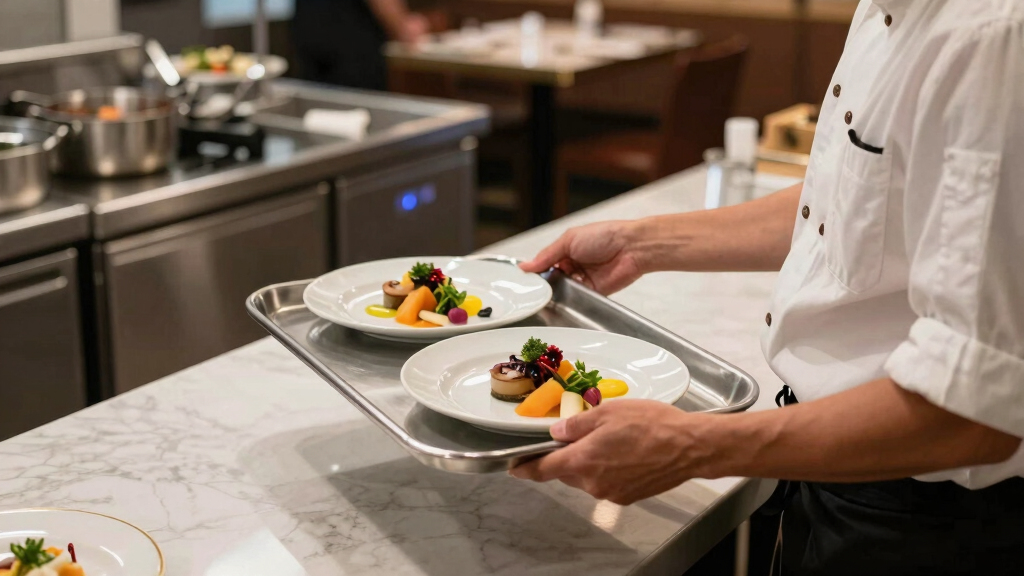
Many food runners now handle not only delivering food from kitchen to customer but also packaging and coordinating to-go orders, especially with the rise of platforms like Uber Eats and DoorDash. According to a worker at a Brooklyn restaurant, her workload has increased by approximately 25% due to delivery apps, yet her pay and tip share remain unchanged. She and other staff members have voiced frustrations about the imbalance, noting that their tips, which are already small, do not reflect the extra effort required for complex orders and liaising with delivery drivers.
Restaurant managers acknowledge the increased volume but have not implemented formal changes to compensation. Some managers temporarily turn off delivery services during busy periods, but this is not a consistent solution. Industry experts and workers agree that the current model undervalues food runners, especially as their responsibilities expand in the evolving restaurant landscape.
Impacts of Delivery Growth on Food Runner Compensation
This shift in responsibilities highlights a broader issue of fair pay in the restaurant industry. As third-party delivery services become integral to revenue, workers like food runners are bearing the burden without corresponding benefits. The imbalance could lead to increased turnover, worker dissatisfaction, and calls for policy or industry standards to ensure fair compensation for these essential roles.
As an affiliate, we earn on qualifying purchases.
Rise of Delivery Services and Changing Restaurant Dynamics
Over the past decade, platforms like Uber Eats, DoorDash, and Grubhub have transformed restaurant operations, increasing the volume of to-go and delivery orders. This has altered traditional roles within restaurants, especially for food runners, who now often juggle multiple duties beyond their original scope. Despite their expanding workload, pay structures have remained largely static, with some workers earning around $14 an hour in NYC, excluding tips, which are often split unevenly among staff.
Industry veterans note that while larger restaurants have structured roles and tip pools, smaller establishments and fast casual spots see food runners performing a mix of tasks with minimal compensation adjustments. The trend reflects a broader industry challenge: balancing increased revenue from delivery with fair labor practices.
“My workload has changed a lot in the past year because of an increased Uber Eats presence. We believe our tips should reflect the extra effort, but nothing has been done.”
— Jane, food runner at Brooklyn restaurant
Unclear Future of Food Runner Compensation Policies
It remains uncertain whether restaurants or delivery platforms will implement formal pay increases or policy changes to better compensate food runners for their expanded roles. Industry advocates suggest potential reforms, but no widespread standards have been established yet, and many workers continue to operate under unchanged conditions.
Potential Industry Reforms and Worker Advocacy Efforts
Workers and advocacy groups are likely to push for clearer compensation policies, including higher tips or hourly pay adjustments, especially as delivery volumes continue to grow. Some restaurants may experiment with formalizing pay increases or restructuring tip pools, while industry regulators could consider establishing labor standards for gig-influenced roles like food runners.
Monitoring these developments will be key to understanding how the industry adapts to the evolving role of food runners and ensures fair treatment for these essential workers.
Key Questions
Are food runners’ wages increasing with their expanded responsibilities?
Currently, most food runners’ wages have remained stable, with some advocating for higher pay due to increased workloads, but no widespread increases have been confirmed.
How much do food runners typically earn in tips?
In New York City, tips for food runners often constitute a small portion of their income, with some earning around $14 an hour plus tips, which are unevenly distributed among staff.
Are restaurants considering formal pay raises for food runners?
Some managers acknowledge the issue but have not yet committed to formal pay increases, citing revenue and operational challenges.
Could regulatory changes impact food runner compensation?
It is possible that labor regulations or industry standards could evolve to address fair pay, but no concrete policies are in place yet.
What is the main challenge facing food runners today?
The main challenge is balancing increased responsibilities due to delivery orders with stagnant pay and tips, leading to concerns over fair compensation.
Source: Eater
Fall Picks
fall essentials
As an affiliate, we earn on qualifying purchases.