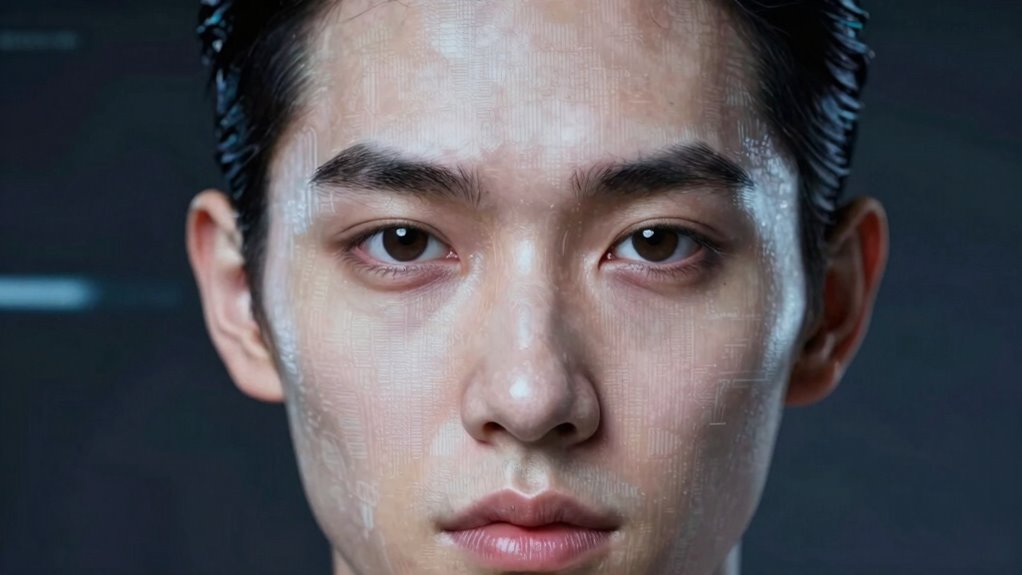

Synthetic media, like deepfakes and AI-generated content, is changing how you create and consume digital info. Deepfakes can swap faces or alter voices, raising concerns about misinformation and manipulation. Watermarking helps verify authentic content by embedding digital signatures, but no method is perfect yet. As technology advances, understanding the ethical issues and verification tools becomes essential. Keep exploring, and you’ll discover how these innovations can shape the future of digital media and trust.
Key Takeaways
- Deepfakes enable realistic face and voice manipulation, useful in entertainment but pose misinformation risks.
- Watermarking embeds digital signatures to authenticate genuine synthetic media and combat false content.
- Verification techniques, including watermarking and AI detection, are essential to distinguish real from manipulated media.
- Ethical concerns involve ownership rights, transparency, and preventing misuse of AI-generated content.
- Education and technological advancements are critical for developing media literacy and reliable verification methods.
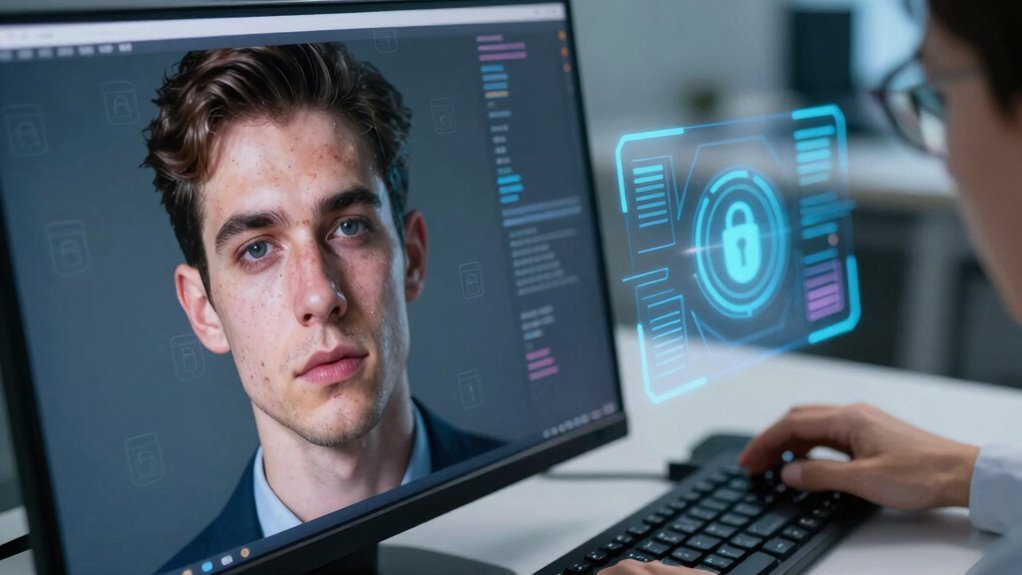
Have you ever wondered how technology is transforming the way we create and consume content? Synthetic media, including deepfakes, AI-generated content, and advanced verification tools, are reshaping our digital landscape at an astonishing pace. These innovations offer exciting possibilities, but they also raise significant ethical implications. With AI-generated content becoming more sophisticated, it’s easier than ever to produce realistic videos, images, or audio that are entirely fabricated. While this technology can be used creatively or for entertainment, it also opens doors for misinformation, manipulation, and deceit. You need to be cautious about how synthetic media is deployed, especially when it blurs the lines between real and fake.
Deepfakes, in particular, exemplify the powerful capabilities of synthetic media. They can convincingly swap faces, alter voices, or simulate events that never happened. This technology can be used positively—for example, in film production or education—but it also poses risks. Malicious actors can create deepfakes to spread false information, defame individuals, or influence public opinion. As a user, you must stay vigilant and question the authenticity of media you encounter. That’s where verification tools and watermarking techniques come into play. Watermarking, for instance, embeds digital signatures into genuine content, making it easier to identify authentic media and combat misinformation. Additionally, understanding content authenticity is vital to navigating the digital landscape responsibly. Recognizing technological limitations is equally important, as no verification method is entirely foolproof yet. Staying informed about the advancements in verification technology can help you better discern genuine from manipulated media.
The rise of AI-generated content itself sparks ethical questions. Who owns the rights to AI-created works? How do we prevent misuse? These are complex issues that society needs to address. Transparency becomes essential. When synthetic media is used, creators should clearly disclose their use of AI tools to prevent deception. As a consumer, you should develop a critical eye and seek reliable verification sources to distinguish between genuine and synthetic content.
To tackle these challenges, researchers and organizations are developing verification methods that can authenticate media and detect deepfakes. These technological solutions aim to restore trust in digital content, but they’re not foolproof. That’s why education about synthetic media’s capabilities and limitations is indispensable. You should be aware that not everything you see or hear online is real, and skepticism is your best defense. Balancing innovation with ethical responsibility is key as synthetic media continues to evolve, shaping how we communicate and interpret information in a digital age.
As an affiliate, we earn on qualifying purchases.
Frequently Asked Questions
How Can Individuals Protect Themselves From Deepfake Misinformation?
To protect yourself from deepfake misinformation, you need to improve your media literacy and practice critical thinking. Always question the source and look for signs of authenticity, such as inconsistencies or unnatural movements. Cross-check information with reputable outlets, and avoid sharing content without verification. Staying informed about how deepfakes work helps you identify false content quickly, empowering you to prevent the spread of misinformation and make smarter decisions online.
What Legal Actions Exist Against Malicious Synthetic Media Creators?
Legal actions against malicious synthetic media creators are formidable, aiming to combat the chaos they release. You can pursue legal accountability through lawsuits for defamation, fraud, or invasion of privacy. Intellectual property rights are also vital, allowing creators to protect their work from unauthorized use. Governments are increasingly updating laws to hold offenders accountable, making it clear that malicious deepfake creators face serious consequences—deterring the chaos they threaten to bring about.
How Accurate Are Current Deepfake Detection Technologies?
Current deepfake detection technologies are fairly effective but face algorithm challenges that limit their accuracy. You’ll find that detection algorithms can identify many deepfakes, but sophisticated methods can sometimes bypass them, leading to detection limitations. As deepfake creators improve their techniques, detection tools need continuous updates. So, while these technologies are valuable, they’re not foolproof, and you should stay cautious when evaluating the authenticity of digital media.
Can Watermarking Be Completely Foolproof Against Tampering?
Digital watermarking isn’t completely foolproof against tampering; clever attackers can sometimes find ways to erase or alter it, like a painter smudging a signature. While it offers strong tampering resistance, no system is invulnerable. You imagine a fragile web of ink that can be stretched or cut, highlighting that, despite advances, watermarking alone can’t guarantee absolute security. Vigilance and layered verification remain essential to preserve trust.
What Future Advancements Are Expected in Synthetic Media Verification?
Future advancements in synthetic media verification will likely harness artificial intelligence to improve media authenticity. You can expect smarter algorithms that detect deepfakes more accurately and quickly, even as tampering techniques evolve. AI-driven tools will analyze subtle inconsistencies and patterns undetectable to the human eye, making verification more reliable. These innovations will help you trust digital content, ensuring that media remains authentic amid rapid technological advances.
Conclusion
As you navigate the digital landscape, remember that synthetic media is like a double-edged sword—powerful yet perilous. With deepfakes weaving illusions and watermarking acting as your shield, you hold the key to truth in your hands. Stay vigilant, verify sources, and don’t let deception slip through the cracks. In this digital age, your awareness is the lighthouse guiding you safely through the fog of falsehoods, illuminating reality’s true face.