
Matter and Thread are new standards that make your smart home more compatible, reliable, and easier to set up. Matter unifies device communication across brands, while Thread creates a secure, low-power mesh network for seamless connections. Many devices now support these standards, but some setup challenges remain. As these protocols become more widespread, your smart home will become more unified and dependable. Keep exploring to discover how these innovations can finally make your smart home work as you want.
Key Takeaways
- Matter standardizes device communication, ensuring compatibility across brands for seamless smart home operation.
- Thread creates a reliable, low-power mesh network that enhances device connectivity and network stability.
- Combined, Matter and Thread reduce setup complexity and improve device reliability and security.
- Most new smart devices now support Matter and Thread, but compatibility may require updates or specific hubs.
- Widespread adoption aims to create a more integrated, user-friendly, and dependable smart home ecosystem.

Linkind Matter Smart Plug, Work with Apple Home, Siri, Alexa, Google, SmartThings, Smart Home Smart Outlet Timer 15A/1800W, APP Remote Control & Schedule, ETL & FCC Certified, 2.4G Wi-Fi Only, 4 Pack
【Easy Setup, One Control】With Matter, Skip the step of downloading and registering multiple manufacturers' apps every time you…
As an affiliate, we earn on qualifying purchases.
As an affiliate, we earn on qualifying purchases.
What Are Matter and Thread, and Why Do They Matter for Your Smart Home?
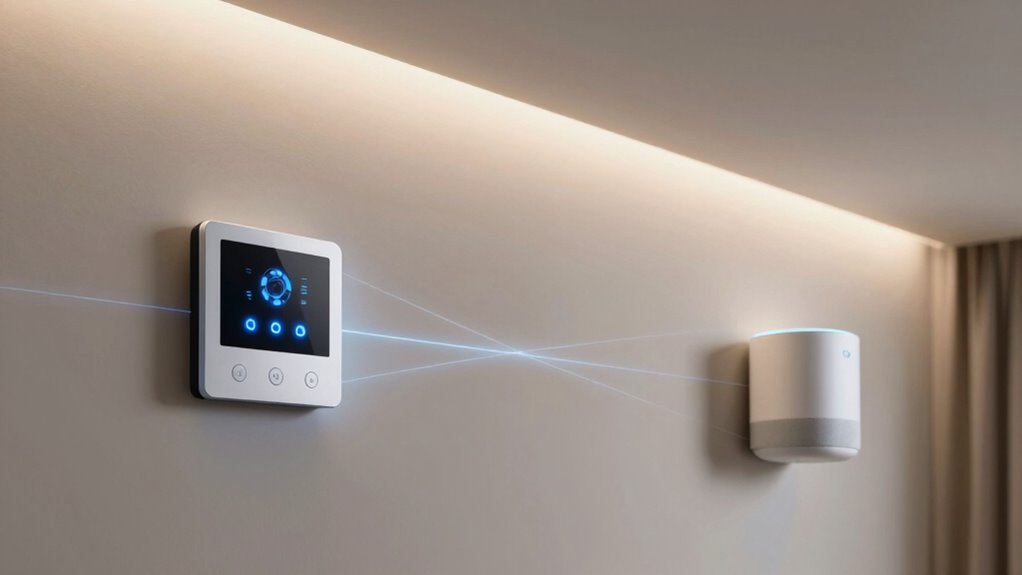
If you’re interested in making your smart home more reliable and seamless, understanding Matter and Thread is essential. Matter is a universal network protocol designed to standardize communication among smart devices, ensuring they work together smoothly. Thread, on the other hand, is a low-power, secure mesh network protocol that connects compatible devices reliably. Together, these technologies improve smart device interoperability, allowing devices from different brands to communicate effortlessly. By adopting these protocols, your smart home becomes more resilient and easier to manage, reducing compatibility issues. Properly implementing projector technology can enhance your overall home entertainment setup, making your smart home experience even more integrated and efficient. This integration means you won’t have to worry about devices struggling to connect or work independently. Instead, you get a more cohesive, efficient smart home experience that’s simple to set up and maintain. Additionally, interoperability standards play a crucial role in ensuring these protocols function across various devices and systems. Recognizing the importance of building a connected ecosystem can further streamline your smart home setup and enhance device compatibility. Understanding how standardized communication protocols work is key to creating a truly seamless smart home environment, especially as emerging technologies continue to evolve.

MOES ZigBee 3.0 & Bluetooth & Mesh Hub Only Support Tuya Device Work with Smart Life App, Intelligent Bridge Wired Smart Home Gateway Voice Control via Alexa, Google Home, 2.4GHz WiFi
【2 Modes in 1 Gateway】Support Bluetooth mesh (SIG) + Zigbee3.0 multi-protocol communication. Only one gateway is needed to…
As an affiliate, we earn on qualifying purchases.
As an affiliate, we earn on qualifying purchases.
How Do Matter and Thread Improve Compatibility and Connectivity?
How Do Matter and Thread Improve Compatibility and Connectivity?
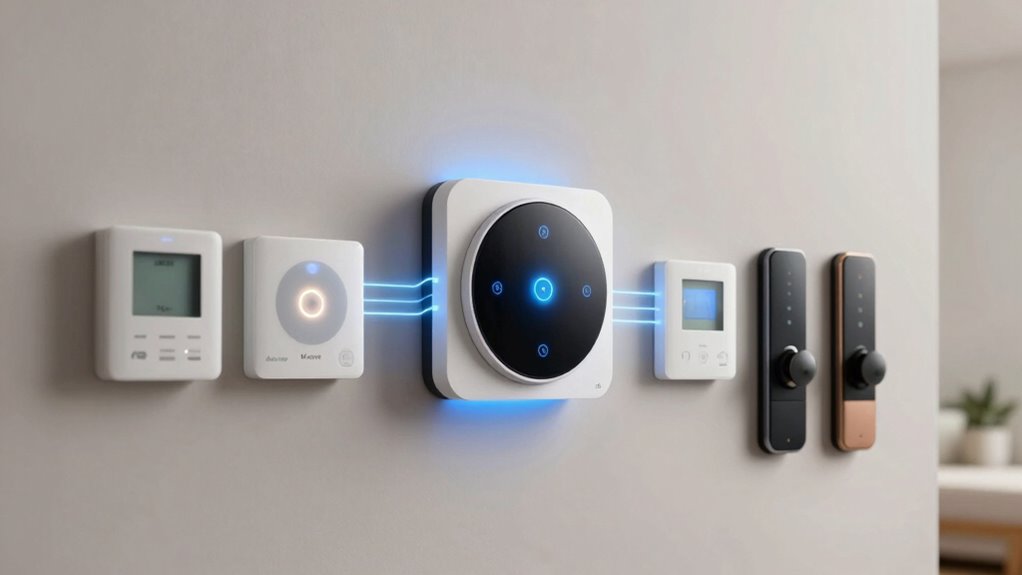
Matter and Thread make it easier for your devices to work together smoothly without glitches. They improve network stability, so your smart home stays connected even when multiple devices are in use. This means fewer interruptions and a more reliable experience for you. Additionally, security and privacy are prioritized to help protect your data as your smart home becomes more interconnected. By supporting interoperability, these standards enable devices from different brands to communicate seamlessly, enhancing your overall smart home experience. Furthermore, wireless communication protocols play a key role in ensuring consistent and efficient device interactions across your network. Moreover, these technologies are designed to be future-proof, allowing your smart home to adapt to new devices and innovations over time. Incorporating robust connectivity features further ensures that your devices maintain strong links, even in complex setups.
Seamless Device Integration
By enabling devices to communicate through common protocols, Matter and Thread considerably enhance compatibility and connectivity across smart home systems. This seamless integration helps eliminate interoperability issues that previously caused devices to work poorly together or not at all. With standardized communication, your devices can share data effortlessly, simplifying setup and daily use. Additionally, these protocols prioritize user privacy by ensuring secure data transmission and limiting access to sensitive information. You no longer have to worry about incompatible devices or complex configurations, making your smart home more reliable and user-friendly. Overall, Matter and Thread create a cohesive ecosystem where devices work together smoothly, giving you peace of mind and a truly connected home experience.
Enhanced Network Stability
Because they utilize advanced communication protocols, Matter and Thread considerably enhance network stability within your smart home. They reduce network congestion by efficiently managing how devices communicate, preventing overloads that slow down or disconnect your system. Thread creates a robust mesh network, allowing devices to relay signals directly to each other, which prevents single points of failure and maintains a reliable connection even if one device drops out. Thread’s mesh networking capability further improves overall stability by enabling multiple pathways for data transmission. This redundant routing feature ensures that data can find alternative pathways if one route becomes unavailable, further strengthening the network’s resilience. Additionally, Thread’s local control features allow devices to operate independently of internet connectivity, enhancing stability during network outages. The integration of security protocols in Matter and Thread also contributes to more reliable operation by safeguarding data and maintaining trusted device communication. Matter ensures seamless device interoperability, so different brands and types work together smoothly without causing conflicts or drops in connectivity. This interoperability capability streamlines communication and reduces potential disruptions. This streamlined communication minimizes lag and interruptions, providing a stable and consistent experience. With improved network stability, your smart home becomes more responsive, reliable, and easier to manage, making your connected environment truly smarter.

Smart Home Starter Kit | Includes Echo Hub, Amazon Smart Plug and 4 Amazon Basics Smart Bulbs, Designed for Alexa+
Getting started with smart home has never been easier – An all-in-one kit with a quick guided setup…
As an affiliate, we earn on qualifying purchases.
As an affiliate, we earn on qualifying purchases.
Which Devices Support Matter and Thread, and Are They Ready to Use?
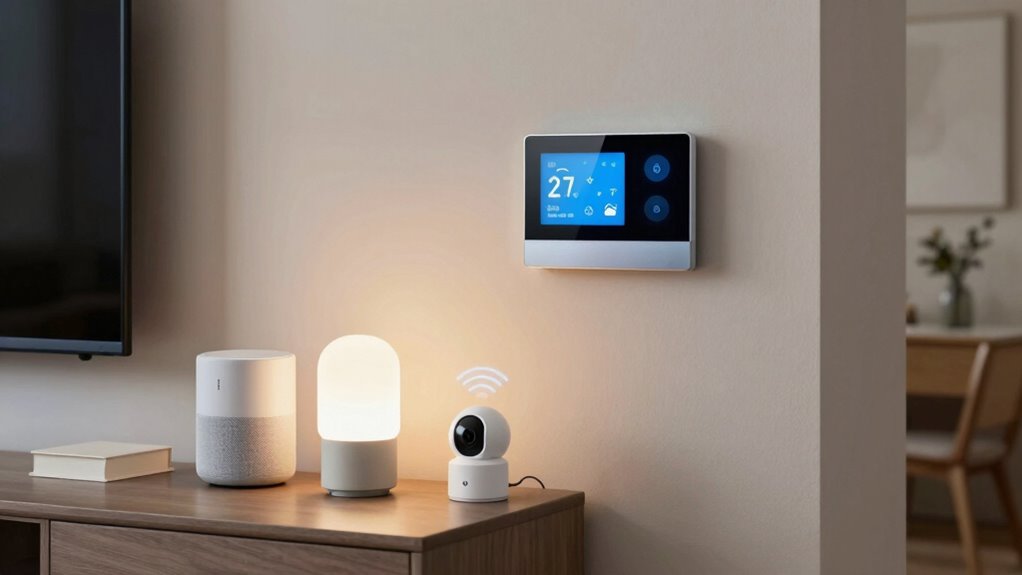
Many smart home devices now support both Matter and Thread, making them more compatible and reliable. This broad support simplifies device integration and improves security by reducing vulnerabilities. Enhanced interoperability is a key benefit, allowing devices from different brands to work seamlessly together. To fully leverage these benefits, consider the device ecosystem to ensure all components work harmoniously. Additionally, understanding wireless protocols can help you select the most effective devices for your setup. However, you should consider device compatibility and security challenges when choosing products. Currently, popular brands like Eve, Nanoleaf, and Apple have released products compatible with Matter and Thread, ensuring you can connect various devices seamlessly. These include smart bulbs, sensors, and plugs. While many devices are ready to use, some may require firmware updates or specific hubs. Always verify if your existing devices support these standards to avoid security gaps. As adoption grows, more manufacturers will offer compatible options, making your smart home more cohesive and secure. Ensuring proper device setup can maximize your smart home’s reliability and security as these standards become more widespread.

2026 WiFi Extender Signal Booster – 2.4GHz 300Mbps WiFi Booster for Home, Covers Up to 9999 Sq. Ft, Easy Setup, Ethernet Port & Access Point, Stable Internet Performance with 60+ Devices
STABLE & FAST 300Mbps WiFi EXTENDER: Advanced central processing unit and powerful new-generation chips,High-speed up to 300Mbps in…
As an affiliate, we earn on qualifying purchases.
As an affiliate, we earn on qualifying purchases.
How Will Matter and Thread Make Your Smart Home Easier and More Reliable?
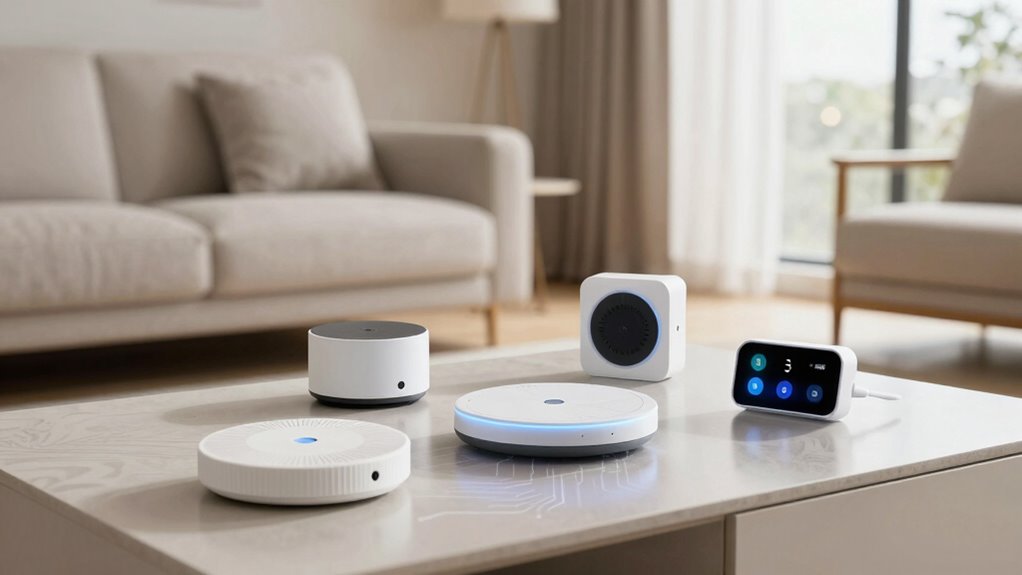
Ever wonder how your smart home can become more seamless and dependable? Matter and Thread aim to solve common interoperability challenges by creating a universal standard, reducing device fragmentation. With these technologies, devices from different brands can communicate effortlessly, so you won’t have to worry about compatibility issues or multiple apps. This unified approach makes setting up new devices easier and ensures they work reliably over time. Thread’s low-power mesh network enhances stability, reducing dropped connections and latency. As a result, your smart home becomes more responsive and consistent. These advances mean fewer frustrations and a smoother experience, giving you confidence that your devices will work together harmoniously—finally making your smart home truly easier and more reliable. Incorporating air quality benefits and energy-saving tips can further improve your home comfort.
What Obstacles Still Need to Be Overcome for Matter and Thread to Fully Transform Your Smart Home?
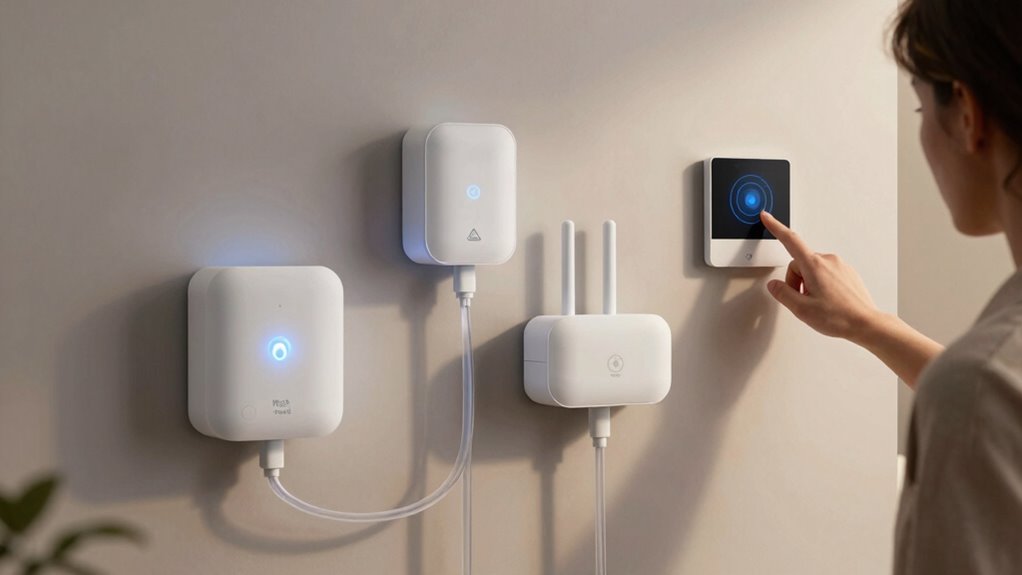
To fully transform your smart home with Matter and Thread, you’ll need to overcome device compatibility issues that still cause frustration. The setup process can remain complex, making it harder for you to enjoy seamless integration. Additionally, standardization and security concerns need to address to ensure your devices work safely and reliably together. Improving device interoperability is essential for a truly unified smart home experience. As industry efforts continue to develop universal standards, the path toward a more cohesive ecosystem becomes clearer. Overcoming these challenges will require ongoing collaboration among manufacturers, regulators, and consumers to prioritize secure communication protocols and establish widespread adoption. Emphasizing user-friendly setup processes can also help more consumers adopt these technologies with confidence.
Device Compatibility Challenges
Despite the progress made with Matter and Thread, device compatibility remains a significant hurdle. Interoperability challenges and vendor fragmentation continue to hinder seamless integration across your smart home ecosystem. Different manufacturers often implement their own standards, making it difficult for devices to communicate reliably. This fragmentation leads to frustration and limits your ability to create a truly unified system. Overcoming these obstacles requires widespread adoption of common protocols and better industry collaboration.
Key issues include:
- Inconsistent device certifications
- Proprietary features that restrict compatibility
- Varying firmware update practices
- Fragmented app ecosystems
- Limited support from legacy devices
Resolving these challenges is essential for your smart home to operate smoothly and reliably.
Complex Setup Processes Persist
While Matter and Thread aim to simplify smart home setups, complex installation and configuration processes still stand in the way of full adoption. You might find that the user experience isn’t as seamless as expected, with setup steps that can be confusing or time-consuming. Installation complexity varies across devices, often requiring multiple apps or firmware updates, which can frustrate even tech-savvy users. This inconsistency hampers the goal of a unified, easy-to-manage smart home. Despite efforts to streamline processes, many users face hurdles in connecting new devices or troubleshooting issues. Until setup becomes more intuitive and standardized, widespread adoption will remain slowed by these persistent complexity challenges. Simplifying installation and improving user experience are critical to accessing the full potential of Matter and Thread.
Standardization and Security Concerns
Although Matter and Thread aim to unify smart home devices, inconsistent standards and lingering security concerns still block their full potential. Interoperability issues make it challenging for devices from different manufacturers to communicate seamlessly, undermining user experience. Privacy concerns arise as increased connectivity heightens the risk of data breaches and unauthorized access. To overcome these obstacles, efforts must focus on:
- Establishing universal certification processes
- Strengthening encryption protocols
- Ensuring regular security updates
- Clarifying data privacy policies
- Promoting industry-wide collaboration
Addressing these issues is essential for building trust and enabling a truly integrated smart home environment. Only then can Matter and Thread realize their promise of a more secure, reliable, and user-friendly smart home future.
Should You Wait or Start Investing in Matter and Thread Devices Today?
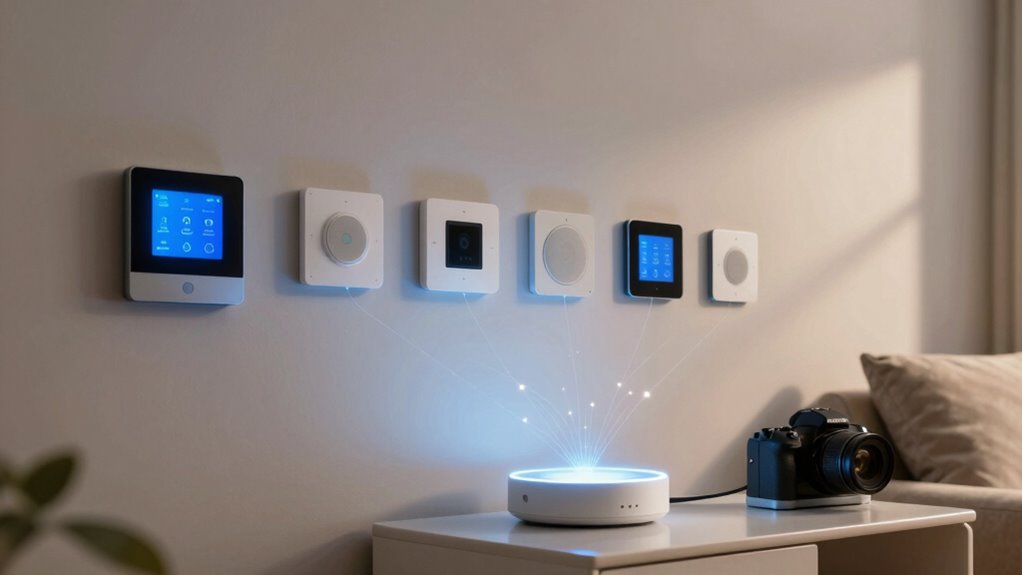
Deciding whether to invest in Matter and Thread devices today depends on your current needs and future plans. If you want to upgrade your smart home now, early adoption can give you a head start, despite some interoperability challenges. However, if you prefer a more seamless experience, waiting might be better as consumer adoption increases and devices become more compatible.
Here’s a quick look at what to contemplate:
| Factor | Pros | Cons |
|---|---|---|
| Immediate needs | Get smart home running | Potential compatibility issues |
| Future plans | Better integration later | Limited device options now |
| Interoperability | Early access to new tech | May face setup hurdles |
Deciding depends on your patience and priorities.
Frequently Asked Questions
Will Matter and Thread Reduce My Current Smart Home Device Costs?
Yes, Matter and Thread can help reduce your smart home device costs. By improving device compatibility, they eliminate the need for multiple hubs or adapters, saving you money. Plus, a more unified system means fewer upgrades or replacements over time. As these standards promote interoperability, you’ll find it easier and cheaper to add new devices, making your smart home more cost-effective in the long run.
How Secure Are Matter and Thread Protocols Against Hacking?
Matter and Thread protocols are designed with security in mind, utilizing robust encryption protocols to protect your devices from hacking. They also undergo regular vulnerability assessments to identify and fix potential weaknesses. While no system is entirely immune, these protocols provide a high level of security, making it difficult for hackers to breach your smart home network. Staying updated with firmware and security patches further enhances your protection.
Can Existing Smart Home Devices Be Upgraded to Support Matter or Thread?
Yes, you can upgrade existing smart home devices to support Matter or Thread, but it depends on device compatibility and firmware updates. Check if your devices have received manufacturer updates that enable these protocols. If not, some devices might be incompatible, and you may need to replace them. Stay informed through manufacturer announcements to guarantee your devices are ready for future smart home integrations.
Do All Major Smart Home Brands Adopt Matter and Thread Quickly?
You might wonder if all major smart home brands jump on the Matter and Thread bandwagon quickly. Industry adoption varies, with some brands embracing these standards faster than others. Compatibility challenges still exist, and not every device supports the new protocols yet. While progress is promising, it’s uncertain how quickly your favorite brands will fully adopt Matter and Thread, leaving you keen to see if your smart home will truly open seamless connectivity soon.
Will New Devices With Matter/Thread Work Seamlessly With Older Systems?
New devices with Matter and Thread generally work well with older systems, but device compatibility varies. You might need a hub or bridge for seamless brand integration, especially if your existing setup uses different protocols. To guarantee smooth operation, check if your current devices and brands support Matter or Thread, and look for compatibility notes from manufacturers. This way, you can enjoy a more unified, hassle-free smart home experience.
Conclusion
With over 50,000 smart home devices expected to support Matter by 2024, it’s clear this technology is shaping the future. By embracing Matter and Thread now, you could enjoy a more seamless, reliable experience—saving you time and frustration. Waiting might mean missing out on the latest innovations that could transform your home into a truly connected space. So, take the leap today and make your smart home smarter, more compatible, and ready for tomorrow.