
To avoid home cooking burnout, try using the rotation method. Pick 5-7 versatile, quick-to-make dishes that fit your taste and schedule. Prepare ingredients in advance and assign specific days for each meal, creating a simple routine. Vary seasonings and ingredients to keep things interesting, and adjust your plan as needed. This approach reduces stress and helps maintain enthusiasm, so keep exploring ways to customize your routine for lasting enjoyment.

Get the latest gadgets delivered free with Prime
- Fast, free delivery on millions of items
- Prime Video, Amazon Music and more included
- Member-only deals all year
Key Takeaways
- Use a rotating schedule of 5-7 versatile meals to reduce decision fatigue and create a predictable routine.
- Prepare ingredients in bulk weekly to streamline cooking and minimize last-minute prep.
- Vary seasonings and sauces to keep meals interesting without adding complexity.
- Adjust the rotation based on preferences or seasonal ingredients for sustained engagement.
- Maintain flexibility by simplifying or doubling recipes during busy periods to prevent burnout.
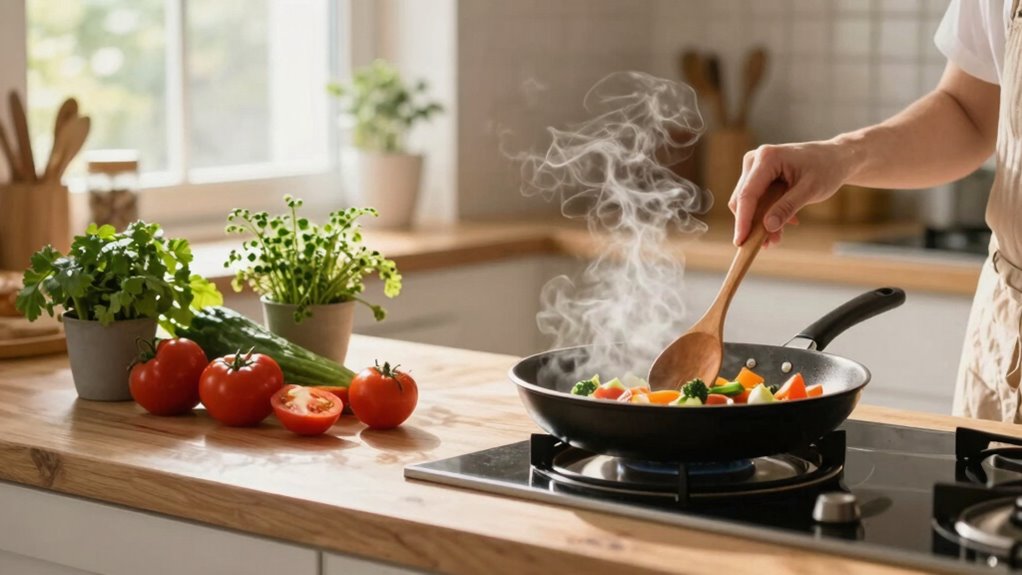
Cooking at home can be a rewarding experience, but it’s easy to feel overwhelmed or burned out when meals become a chore. One way to keep your passion for cooking alive while avoiding fatigue is to adopt the rotation method. This approach involves creating a flexible meal plan where you prepare a set of go-to dishes that you rotate through on a regular schedule. It simplifies decision-making and streamlines your routine, giving you more time and mental space for enjoying your meals instead of stressing over what to cook each day.
Start by focusing on meal planning that fits your lifestyle and taste preferences. Choose a handful of recipes—perhaps five to seven—that you love and that are relatively quick to prepare. These dishes should be versatile enough to keep your menu interesting but simple enough to prepare in advance. Once you’ve selected your rotation, you can schedule specific days for each meal, which reduces the daily pressure of figuring out what to cook. This consistency helps you develop a rhythm, making cooking feel more like a routine than a chore.
Ingredient prep is the cornerstone of making this system work smoothly. Dedicate some time each week to ingredient prep, such as chopping vegetables, marinating proteins, or assembling sauces. When you do this prep in bulk, it pays off during busy weekdays—grab-and-go ingredients make cooking faster and less stressful. Plus, prepped ingredients help you stick to your rotation because you’ll always have the essentials ready to go. This reduces last-minute trips to the store and minimizes the temptation to order takeout out of convenience.
Incorporating the rotation method also encourages you to experiment within a familiar framework. For example, if you rotate a chicken dish, you can vary the seasonings or sauces for different weeks, keeping things fresh without overcomplicating your meals. Over time, you’ll notice that you need fewer mental resources to decide what to cook, which lessens the risk of burnout. It’s about creating a sustainable routine that balances variety with simplicity. Additionally, understanding the importance of biodiversity in food choices can inspire you to include a wider range of ingredients, supporting sustainable living practices.
The key is to stay flexible and adjust your rotation as needed. If you find certain dishes no longer excite you, swap them out for new favorites. Or, if busy weeks make meal prep difficult, plan simpler meals or double recipes to save leftovers. The rotation method isn’t about perfection; it’s about reducing stress and making home cooking a sustainable, enjoyable part of your life. With thoughtful meal planning and proactive ingredient prep, you’ll find that home cooking becomes less of a chore and more of a rewarding daily ritual.
meal prep containers for bulk cooking
As an affiliate, we earn on qualifying purchases.
As an affiliate, we earn on qualifying purchases.
Frequently Asked Questions
How Do I Start Creating a Personalized Rotation Schedule?
Start by listing your favorite meals for meal planning, then group them into categories like proteins, veggies, and grains. Create a weekly rotation schedule that mixes these categories to keep things fresh. When grocery shopping, stick to your plan to avoid last-minute decisions. Adjust the schedule as needed based on your preferences or seasonal ingredients, ensuring you stay motivated and avoid burnout while enjoying home cooking.
What if I Get Bored With My Current Meal Rotation?
Getting bored with your current meal rotation is like hitting a dull note in a song. To keep things fresh, mix in new recipes to boost meal variety and explore flavor enhancements with different herbs, spices, or sauces. Try swapping ingredients or cooking styles to surprise your palate. This approach keeps your meals exciting, prevents burnout, and makes cooking feel more like an adventure rather than a routine chore.
How Often Should I Update or Change My Meal Rotation?
You should update your meal rotation every 4 to 6 weeks to keep meal planning fresh and exciting. Regularly changing your meals prevents boredom and helps you explore new recipes, keeping kitchen organization fun and efficient. Pay attention to seasonal ingredients and your changing tastes, adjusting accordingly. This way, you maintain variety without feeling overwhelmed, ensuring your home cooking stays enjoyable and sustainable over time.
Can This Method Accommodate Dietary Restrictions?
Yes, this method can accommodate dietary restrictions by allowing you to plan meals with dietary flexibility. You can customize your rotation to include restriction management, ensuring you meet your nutritional needs while avoiding specific ingredients. Regularly updating your meal plan helps you adapt to changing restrictions or preferences, making cooking enjoyable and sustainable without feeling overwhelmed. This flexibility keeps your diet balanced and aligned with your health goals.
How Do I Handle Leftovers Within the Rotation System?
You handle leftovers in your rotation system by incorporating leftover management, which helps reduce waste and saves time. Store leftovers properly and plan to reuse them in upcoming meals, adding variety. Stay flexible in your rotation to include leftovers as ingredients or side dishes, ensuring your meal plan adapts to what you have. This approach keeps your cooking efficient and prevents burnout, making meal prep more enjoyable.
Conclusion
By embracing the rotation method, you transform home cooking from a relentless chore into a nourishing ritual. Think of it as a well-tended garden—you plant, nurture, and enjoy the fruits without exhausting your resources. Remember, sustainable joy in cooking isn’t about perfection but balance. With patience and practice, you’ll find that your kitchen becomes a sanctuary, not a battleground. After all, isn’t life too short for burnout when a simple, joyful rhythm awaits?
Halloween Picks
halloween
As an affiliate, we earn on qualifying purchases.