
Cultural appropriation in fashion happens when you adopt elements from another culture without understanding or respecting their true significance, often leading to stereotypes or offense. In contrast, cultural appreciation involves honoring and acknowledging the meaningful origins, showing respect rather than superficial trend-following. By being mindful of the context and origins of fashion elements, you can support a respectful and inclusive industry. Keep exploring to learn how to navigate this balance thoughtfully.
Key Takeaways
- Appreciation involves understanding and respecting a culture’s symbols, history, and significance, while appropriation often misrepresents or diminishes them.
- Genuine appreciation credits and honors the originating community, whereas appropriation can reinforce stereotypes and lack acknowledgment.
- Appreciating a culture requires informed engagement and sensitivity; appropriating often occurs when elements are used superficially for trendiness.
- Supporting authentic brands and artisans promotes respectful cultural exchange, contrasting with appropriation that may exploit or commodify traditions.
- Recognizing the impact of cultural appropriation fosters a more inclusive fashion industry focused on respect, education, and meaningful appreciation.

Fashion often borrows from cultures around the world, but not every act of inspiration is welcomed. When you draw from diverse traditions, it’s essential to consider cultural sensitivity. Without it, your fashion influence can unintentionally offend or perpetuate stereotypes. Recognizing the line between appreciation and appropriation requires awareness of cultural context, history, and the significance behind certain symbols or garments. If you’re inspired by a culture’s aesthetic, it’s vital to approach it with respect rather than mere aesthetic admiration. This means understanding the meaning behind specific patterns, accessories, or styles, and acknowledging their origins. It’s not enough to simply replicate a look; you should educate yourself about its significance and the community it belongs to.
Respect cultural origins to celebrate diversity without causing harm or stereotypes.
Additionally, understanding the brand reputation and how brands source their designs can help you make more culturally respectful choices. When your fashion influence crosses into cultural insensitivity, it can cause harm. For example, adopting sacred or traditional attire as a costume or fashion statement diminishes its importance and can reinforce negative stereotypes. To avoid this, you need to be mindful of the origins of what you wear. Ask yourself whether your choice is rooted in genuine appreciation or if it’s appropriating a culture for trendiness. If you’re unsure, it’s better to seek guidance or consult voices from the community. Supporting artisans or brands that authentically represent a culture’s craftsmanship is another way to show respect and foster positive cultural exchange.
The conversation around cultural appropriation isn’t just about avoiding offense; it’s about fostering a genuine appreciation for diversity. When you approach fashion with cultural sensitivity, you contribute to a more inclusive industry. Your influence can elevate traditional crafts and raise awareness about their cultural significance. At the same time, you demonstrate that you value the stories and histories behind what you wear. It’s about giving credit where it’s due, not just taking inspiration superficially. Recognizing the difference between cultural appreciation and appropriation helps you become a more conscious consumer or creator, ensuring your fashion choices honor the cultures they originate from.
Ultimately, your fashion influence has the power to promote understanding and respect. Approaching cultural elements thoughtfully shows that you’re committed to celebrating diversity responsibly. By educating yourself and supporting authentic representations, you help create a more respectful, inclusive fashion landscape. When you prioritize cultural sensitivity, your style becomes more meaningful, and your influence can inspire positive change rather than perpetuate stereotypes. Remember, fashion is not only about looking good but also about respecting the rich tapestries of cultures that continue to inspire global creativity.

Creative Haven Victorian Gowns Coloring Book: Relaxing Illustrations for Adult Colorists (Adult Coloring Books: Fashion)
As an affiliate, we earn on qualifying purchases.
As an affiliate, we earn on qualifying purchases.
Frequently Asked Questions
How Can Brands Ensure Respectful Cultural Representation?
You can guarantee respectful cultural representation by practicing cultural sensitivity and understanding the significance behind symbols or attire. As a brand, you have a responsibility to do thorough research, consult cultural experts, and involve communities directly affected. This approach shows respect, avoids stereotypes, and promotes authentic appreciation rather than appropriation. By prioritizing education and genuine collaboration, you demonstrate your commitment to respectful cultural representation in your fashion choices.
What Are Examples of Positive Cultural Appreciation in Fashion?
You see positive cultural appreciation in fashion when brands incorporate cultural symbolism respectfully, like using traditional attire thoughtfully. For example, designers that collaborate with indigenous communities ensure their designs honor cultural meanings and give back. You can recognize genuine appreciation when the focus is on celebrating rather than exploiting, promoting understanding and respect. This approach helps preserve cultural integrity while showcasing diverse influences beautifully.
How Does Cultural Context Influence Appropriation Perceptions?
You should understand that cultural context heavily influences how you perceive appropriation. When you’re aware of cultural sensitivity and the historical significance behind a tradition or symbol, you’ll recognize whether a fashion choice respects or disrespects that culture. If you ignore these elements, you risk offending or misrepresenting the community. Being mindful of cultural context helps you appreciate authentic expressions and avoid harmful appropriation.
Can Cultural Exchange Be Beneficial Without Crossing Boundaries?
Yes, cultural exchange can be beneficial without crossing boundaries if you respect cultural boundaries and uphold ethical boundaries. You should educate yourself about the culture’s significance and seek permission or collaborate with members of that community. By approaching with genuine appreciation and avoiding stereotypes, you foster mutual understanding. When boundaries are honored, cultural exchange enriches everyone involved without causing harm or disrespect.
What Role Do Consumers Play in Promoting Respectful Fashion?
You hold the power to influence fashion through your choices, acting as a symbol of respect and awareness. Your consumer influence shapes brands’ decisions, encouraging ethical responsibility in design and sourcing. By supporting authentic, culturally respectful pieces and demanding transparency, you promote respectful fashion. Every purchase becomes a statement—showing that you value appreciation over appropriation, and that you’re committed to honoring diverse cultures with integrity.
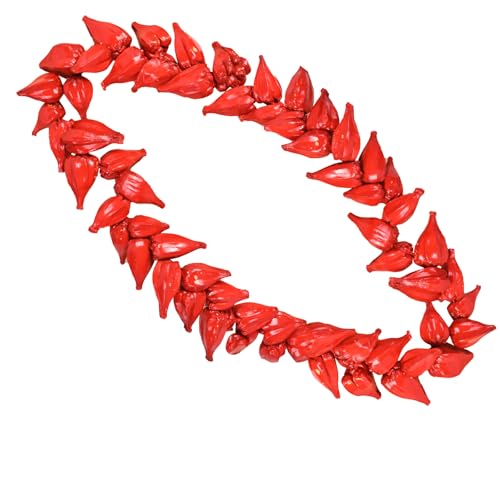
lulucrafded Handmade Samoan Ula Fala Necklace – Natural Material Cultural Beach Necklace for Women & Men, Hawaiian Festival Gift, Red Ceremonial Jewelry
Authentic Handcrafted Cultural Jewelry: Each Ula Fala necklace is carefully handmade using traditional Samoan techniques and natural materials,…
As an affiliate, we earn on qualifying purchases.
As an affiliate, we earn on qualifying purchases.
Conclusion
Think of fashion like a beautiful garden. When you truly appreciate different cultures, you’re watering and nurturing it, allowing each unique flower to bloom with respect. But when you take without understanding, you’re just plucking petals, risking damage. By choosing to appreciate thoughtfully, you help the garden thrive for everyone. Remember, your choices can either nourish the beauty or cause it to wither. So, be a careful gardener—honor, respect, and celebrate cultural diversity.

multi cultural shirt T-Shirt
Multicultural clothing design.
As an affiliate, we earn on qualifying purchases.
As an affiliate, we earn on qualifying purchases.

QISU ISKAY Alpaca Wool Poncho Luxuriously Soft, Thick & Warm, Lightweight & Breathable, Durable Artisan Handwoven Wool Blend Unisex Poncho, Ethically Sourced, 31” x 31”(Terra Threads)
𝐋𝐮𝐱𝐮𝐫𝐢𝐨𝐮𝐬 𝐒𝐨𝐟𝐭𝐧𝐞𝐬𝐬 & 𝐖𝐚𝐫𝐦𝐭𝐡: Experience unmatched comfort with this handmade alpaca poncho from Ecuador. Crafted with premium alpaca…
As an affiliate, we earn on qualifying purchases.
As an affiliate, we earn on qualifying purchases.