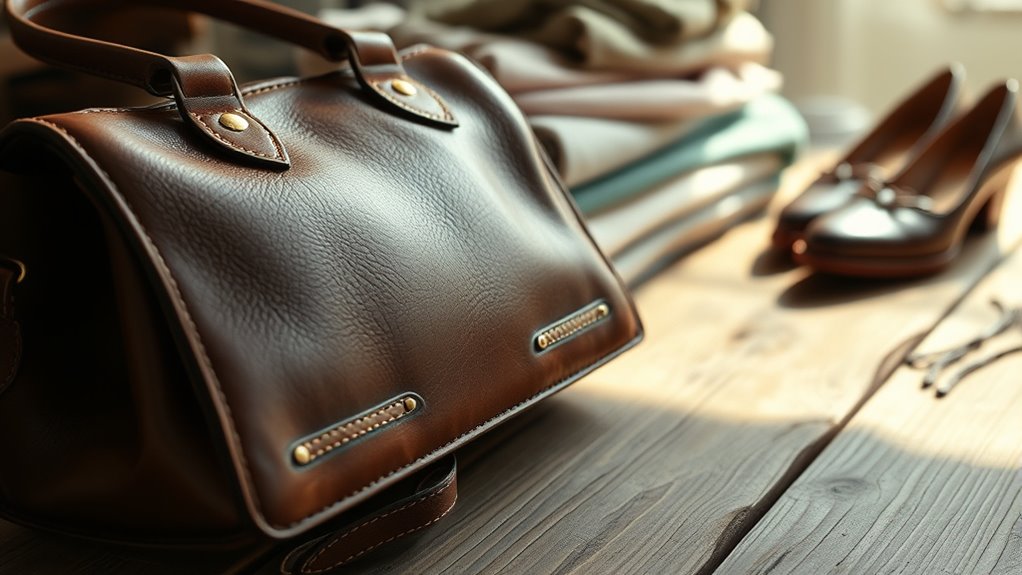

Investing in quality over quantity means choosing timeless, durable pieces crafted with care and ethical practices. By prioritizing well-made garments from sustainable materials, you reduce waste and support brands committed to fair wages and safe working conditions. This approach helps you build a versatile wardrobe that lasts longer and saves money in the long run. If you want to explore how slow fashion can transform your style and consumption habits, there’s more to discover ahead.
Key Takeaways
- Prioritize purchasing fewer, high-quality garments that are durable and timeless, reducing the need for frequent replacements.
- Focus on brands that use sustainable materials and ethical manufacturing practices for long-lasting wardrobe pieces.
- Investing in well-made clothing supports a shift from fast fashion trends to classic, versatile styles.
- High-quality garments often require less maintenance and last longer, offering better value over time.
- Supporting slow fashion encourages mindful consumption, benefiting both the environment and garment craftsmanship.
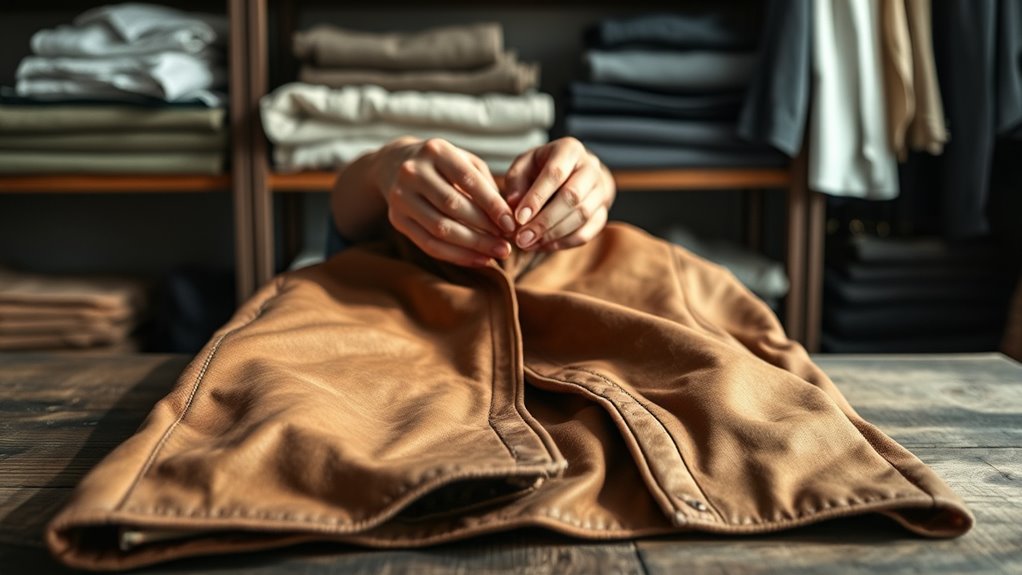
Have you ever wondered if there’s a better way to enjoy fashion without harming the planet? The truth is, you can make a real difference by shifting your focus from buying more to investing in fewer, higher-quality pieces. Slow fashion champions this mindset, emphasizing the importance of sustainability and craftsmanship over fleeting trends. When you choose slow fashion, you’re supporting brands that prioritize sustainable materials—like organic cotton, hemp, or recycled fabrics—that lessen environmental impact. These materials are not only eco-friendly but often healthier for your skin, free from harmful chemicals used in conventional textile production. By selecting garments made from sustainable materials, you actively reduce your carbon footprint and contribute to conserving natural resources.
Equally important is the commitment to ethical manufacturing. Slow fashion brands prioritize fair labor practices, ensuring workers are paid fair wages and work in safe conditions. When you buy from these brands, you’re supporting a transparent supply chain that values human rights and dignity. This ethical approach extends beyond just the workers; it influences the entire production process, which typically involves less waste and pollution. You’ll notice that garments from ethical manufacturers are crafted with care, highlighting superior craftsmanship that results in durable, timeless pieces designed to last for years. Investing in such items means you’re not just buying clothing—you’re purchasing a story of responsibility and respect for people and the planet.
Choosing slow fashion means you’re consciously resisting the fast-paced cycle of cheap, disposable clothing. Instead, you opt for pieces that are thoughtfully designed, versatile, and made to endure. These garments often feature classic cuts and high-quality finishes that keep them stylish beyond seasonal trends. Over time, this approach saves you money, as you won’t need to constantly replace worn-out items. Plus, it fosters a more mindful relationship with your wardrobe, encouraging you to care for your clothes properly and appreciate their longevity. Additionally, advances in machine learning technology are helping brands optimize their supply chains and reduce waste, further supporting sustainable fashion practices.

Organic Clothing For Women Organic 100% Cotton Linen Tank Tops For Women Comfy Lounge Wear Summer Gauze Sleeveless Crewneck Hemp Shirt Seniors Casual Loose Fit Lightweight Cami Trendy Beach
- Fabric Composition: 60% linen, 40% cotton
- Breathable & Moisture-Wicking: Keeps you cool on hot days
- Lightweight & Wrinkle-Resistant: For lasting comfort
As an affiliate, we earn on qualifying purchases.
As an affiliate, we earn on qualifying purchases.
Frequently Asked Questions
How Can I Identify Truly Sustainable Clothing Brands?
You can identify truly sustainable clothing brands by checking for credible sustainable certifications like GOTS or Fair Trade, which guarantee eco-friendly practices. Look into their ethical manufacturing processes, such as fair wages and safe working conditions. Read the brand’s transparency reports or mission statements to see if they prioritize sustainability and ethical sourcing. These indicators help you make informed choices and support brands committed to genuine sustainability.
What Are the Environmental Impacts of Fast Fashion?
Fast fashion considerably impacts the environment by generating excessive textile waste that ends up in landfills, polluting ecosystems. It also causes water pollution through the use of toxic dyes and chemicals released during production, which contaminate water sources. When you buy fast fashion, you contribute to these issues. Choosing sustainable brands helps reduce textile waste and water pollution, supporting a healthier planet and more responsible consumption.
How Does Slow Fashion Affect Local Economies?
Imagine a small local artisan shop thriving because you choose slow fashion. When you invest in quality pieces, you support local economies, fostering economic growth and preserving craftsmanship. This creates jobs, sustains tradition, and boosts community well-being. Unlike fast fashion, slow fashion encourages you to build lasting relationships with local artisans, fueling economic development and ensuring that your purchases have meaningful, positive impacts on your neighborhood.
Can Slow Fashion Be Affordable for Everyone?
Yes, slow fashion can be affordable for everyone. By focusing on ethical sourcing and brand transparency, you can find quality pieces at various price points. Many brands offer transparent pricing and sustainable options that fit different budgets. Shopping smarter—like buying less but better, or choosing secondhand—helps you access slow fashion without overspending. Ultimately, investing in durable, ethically made clothing benefits your wallet and the planet.
What Are Some Tips for Caring for High-Quality Garments?
Oh, because high-quality garments are just indestructible, right? Actually, proper garment maintenance is key. Always follow the care label, avoid over-washing, and opt for sustainable washing techniques like cold water and eco-friendly detergents. Air-dry whenever possible, and store items properly to extend their life. These simple tips help preserve your investment, proving that caring for quality pieces isn’t just smart—it’s essential for sustainable fashion.
Conclusion
By choosing slow fashion, you embrace a mindful journey, much like planting seeds for a future harvest. You shift from fleeting trends to timeless value, turning your wardrobe into a story of patience and purpose. Remember, it’s not just about what you wear, but what you nurture—like a garden that blooms with care. So, invest in quality, cherish each piece, and let your style echo the wisdom of those who understand true sustainability.