
Plant-based fabrics like mushroom leather and others are revolutionizing fashion by offering eco-friendly and sustainable options. Mushroom leather is grown from mycelium in controlled environments, requiring less land, water, and energy while mimicking traditional leather. Materials such as hemp, pineapple fiber, and bamboo also promote responsible farming and dyeing with natural, biodegradable dyes. These innovations help reduce environmental impact and support ethical fashion choices. Keep exploring to learn how these materials are shaping a greener future.
Key Takeaways
- Mushroom leather is a sustainable, biodegradable alternative to traditional animal leather, produced from fast-growing mycelium.
- Plant-based fabrics like hemp, pineapple fiber, and bamboo are cultivated using eco-friendly methods that conserve resources.
- Natural dyes from plants, roots, and berries offer environmentally safe coloring options for sustainable fashion.
- Growing mushroom leather and other plant fabrics reduces water, land use, and greenhouse gas emissions compared to conventional materials.
- These innovative textiles support ethical, eco-conscious design and contribute to a greener, more sustainable fashion industry.
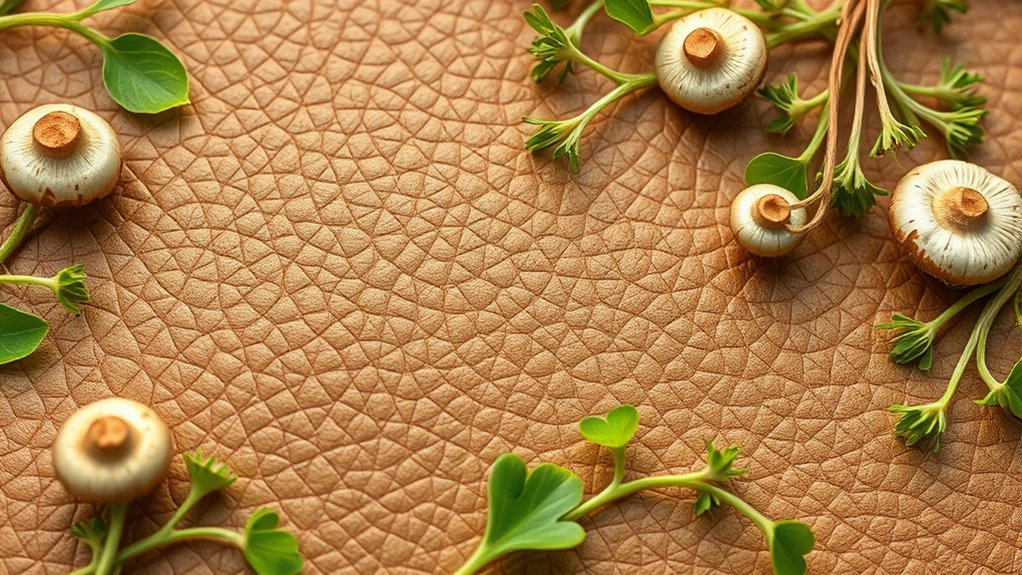
Have you ever considered how plant-based fabrics are transforming the way we think about sustainable fashion? These innovative materials are making a significant impact by offering alternatives that are both eco-friendly and stylish. One of the key advantages is how they’re produced through sustainable farming practices. Unlike traditional textiles that rely heavily on water, pesticides, and synthetic chemicals, plant-based fabrics often come from crops cultivated with minimal environmental impact. For instance, mushrooms used for leather-like materials are grown in controlled environments that require less land and water, reducing the strain on ecosystems. This approach not only preserves natural resources but also supports local farmers and promotes biodiversity.
Moreover, the dyeing process for these fabrics emphasizes eco-friendly dyes, which are crucial for minimizing pollution. Conventional dyeing methods often release toxic chemicals into waterways, harming aquatic life and communities. In contrast, plant-based fabrics can be colored using natural dyes derived from plants, roots, and berries. These dyes are biodegradable, non-toxic, and require less energy to produce, making the entire lifecycle of the fabric more sustainable. When you choose garments made from mushroom leather or other plant-based textiles, you’re supporting a shift toward environmentally responsible practices that prioritize reducing chemical waste and conserving water.
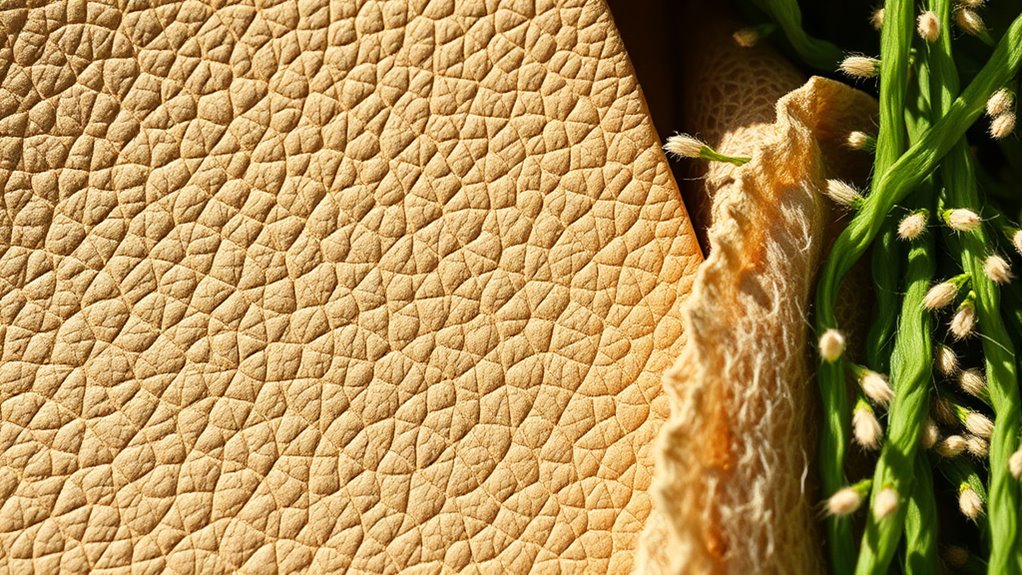
Beyond the environmental benefits, plant-based fabrics also bring a fresh perspective to design and innovation. Mushroom leather, for example, mimics traditional leather but is biodegradable and cruelty-free. Its production involves cultivating mycelium—the root structure of fungi—which grows rapidly and can be processed into durable, versatile material. This process uses less energy and emits fewer greenhouse gases compared to animal leather manufacturing. As a consumer, you get stylish, high-quality products that align with your values of sustainability and ethical sourcing. Plus, the versatility of plant-based fabrics opens new creative avenues for designers seeking to reduce their ecological footprint.
In addition to mushroom leather, other plant-based fabrics like hemp, pineapple fiber, and bamboo are gaining popularity. These materials are often grown with sustainable farming techniques that emphasize soil health and crop rotation, further reducing environmental impact. The development of these fabrics is supported by innovations in eco-friendly production methods, which are essential for reducing environmental footprint. When combined with eco friendly dyes, they become an even more responsible choice for conscious consumers. By opting for clothing and accessories made from these fabrics, you’re participating in a movement that promotes transparency, reduces waste, and supports a more sustainable future. It’s clear that plant-based fabrics are not just a trend—they’re shaping the future of fashion, one sustainable thread at a time.

The Sak Sequoia Hobo Bag in Leather, Single Shoulder Strap, Mushroom Suede
STYLISH & SPACIOUS: The Sak Sequoia Hobo Bag is easy to carry and fits all of your everyday…
As an affiliate, we earn on qualifying purchases.
As an affiliate, we earn on qualifying purchases.
Frequently Asked Questions
How Sustainable Are Mushroom Leather Farming Practices?
Mushroom leather farming is quite sustainable because it relies on mushroom farming, which has a low ecological impact. You’ll find that it uses fewer water and land resources compared to traditional leather, and it produces minimal waste. Additionally, mushrooms naturally grow quickly, so the environmental footprint remains small. Overall, mushroom leather offers an eco-friendly alternative that benefits the environment while meeting your fashion needs.
Can Plant-Based Fabrics Be as Durable as Traditional Materials?
Plant-based fabrics can be quite durable, often comparable to traditional materials. You’ll find that durability comparisons vary depending on the specific fabric and how it’s processed, but many plant-based options like mushroom leather and hemp show excellent material longevity. With proper care, these sustainable fabrics can last just as long as conventional ones, making them a practical choice for eco-conscious consumers seeking durability without sacrificing quality.
What Are the Main Environmental Benefits of Plant-Based Fabrics?
Think of plant-based fabrics as nature’s gift, offering significant environmental benefits. They’re biodegradable, meaning they return to the earth without leaving harmful residues, and they require less water to produce, conserving essential resources. By choosing these materials, you help reduce pollution and lessen your carbon footprint. Embracing plant-based fabrics symbolizes a commitment to sustainability, allowing you to wear fashion that nurtures the planet while staying stylish and eco-friendly.
Are Plant-Based Fabrics Suitable for All Clothing Types?
Plant-based fabrics are quite versatile, making them suitable for many clothing types. You’ll find that their fabric versatility allows you to create everything from casual wear to formal attire. Plus, their aesthetic appeal can enhance your style with unique textures and looks. However, some plant-based fabrics might not yet match the durability needed for heavy-duty or activewear, so consider the specific clothing purpose when choosing these eco-friendly options.
How Do Plant-Based Fabrics Compare in Cost to Conventional Textiles?
You’ll find that plant-based fabrics generally cost more than conventional textiles due to newer production methods and limited supply, impacting market pricing. The cost comparison varies depending on the material—mushroom leather, for example, tends to be pricier than traditional leather, but as demand grows and production scales up, prices may decrease. Overall, expect to pay a premium for eco-friendly options, but they’re increasingly becoming more competitive in the market.

Intimissimi Woman's Short Sleeve Button Up Shirt in Modal in Natural, Size M
Short sleeve menswear cut shirt made in modal jersey with contrasting color trim
As an affiliate, we earn on qualifying purchases.
As an affiliate, we earn on qualifying purchases.
Conclusion
As you explore plant-based fabrics like mushroom leather, you’ll find sustainable options are growing fast—by 2025, the market for plant-based leathers is expected to reach $1.4 billion. This shift not only helps reduce environmental impact but also opens up innovative fashion possibilities. So, next time you shop, consider choosing these eco-friendly materials; your choices can make a real difference in protecting the planet and promoting sustainable trends.

Jacquard iDye for Natural Fabrics .49 Oz – Ecru
iDye comes in a dissolvable packet, so there are never any messy powders to handle: simply dissolve the…
As an affiliate, we earn on qualifying purchases.
As an affiliate, we earn on qualifying purchases.

100% Hemp 6 Ounce Plain Weave Fabric by The Yard (Natural)
Ideal for historical reenactment clothing and accessories
As an affiliate, we earn on qualifying purchases.
As an affiliate, we earn on qualifying purchases.