Among these open-back audiophile headphones, I’d name the Sennheiser HD 560S my best overall pick for balanced, detailed listening, while the Sennheiser HD 600 stands out for natural mids and the beyerdynamic DT 990 PRO 80 Ohm for an expansive, lively presentation. The lineup ranges from accessible choices such as the Philips SHP9500 to more specialized studio and premium models, so the right fit depends on your listening priorities. Open designs provide an airy presentation but let sound in and out, making them a poor match for noisy spaces or shared rooms. Comfort, treble preference, and whether your source can drive a higher-impedance model also separate these picks. Read on for the full comparison and guidance on choosing the right pair for your setup.

Get the latest gadgets delivered free with Prime
- Fast, free delivery on millions of items
- Prime Video, Amazon Music and more included
- Member-only deals all year
Complete the kit


Key Takeaways
- The HD 560S is the clearest all-rounder: it balances detailed listening with a more approachable setup than the 250-ohm DT 990 PRO models.
- The HD 600 favors tonal naturalness over spectacle: its reputation-making midrange focus suits vocals and acoustic recordings, while listeners seeking strong bass emphasis or a very wide presentation may prefer another model.
- The DT 990 PRO options are not interchangeable in every setup: the 80-ohm versions are generally easier to pair with everyday sources than the 250-ohm versions, and the bright, lively tuning is a matter of taste.
- Several entries are near-duplicates: the HD 599 and HD 599 SE, SHP9500 and SHP9500CY, and repeated DT 990 PRO listings call for checking the exact version and included accessories rather than treating each name as a new sound signature.
- Open-back comfort and sound come with room limits: even the most suitable model here will leak audio and offer little isolation, so these headphones make the most sense in a quiet listening space.
| Sennheiser HD 599 Open-Back Wired Headphones, Ivory |  | Best for Long Listening Sessions | Design: Wired, open-back, over-ear | Driver type: Dynamic | Impedance: 50 ohm | VIEW ON AMAZON | See Our Full Breakdown |
| beyerdynamic DT 990 PRO Studio Headphones, 80 Ohm, Gray |  | Best for Spatial Studio Listening | Design: Open-back, over-ear, circumaural | Impedance: 80 ohm | Frequency response: 5–35,000 Hz | VIEW ON AMAZON | See Our Full Breakdown |
| Sennheiser HD 490 PRO Open-Back Professional Headphones |  | Best for Production and Mixing | Design: Open-back, over-ear | Frequency response: 5–36,000 Hz | Cable: Detachable, 1.8 m | VIEW ON AMAZON | See Our Full Breakdown |
| Sennheiser HD 560S Open-Back Wired Headphones |  | Best for Accurate Reference Listening | Design: Open-back, over-ear | Driver type: Dynamic | Driver size: 38 mm | VIEW ON AMAZON | See Our Full Breakdown |
| Philips SHP9500 Over-Ear Open-Back Wired Headphones |  | Best Low-Impedance Starter Pick | Design: Open-back, over-ear | Driver size and type: 50 mm dynamic neodymium | Frequency range: 12–35,000 Hz | VIEW ON AMAZON | See Our Full Breakdown |
| Sennheiser HD 505 Wired Open-Back Headphones | 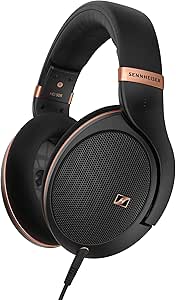 | Best for Comfortable Everyday Listening | Design: Open-back, over-ear | Driver type: Dynamic | Connectivity: Wired, 3.5 mm jack | VIEW ON AMAZON | See Our Full Breakdown |
| Sennheiser HD 599 SE Open-Back Wired Headphones |  | Best for Flexible Home Setups | Design: Open-back, over-ear | Driver type: Dynamic, 38 mm | Impedance: 50 ohms | VIEW ON AMAZON | See Our Full Breakdown |
| beyerdynamic DT 990 PRO 250 Ohm Open-Back Studio Headphones |  | Best for Studio Monitoring | Design: Open-back, over-ear | Impedance: 250 ohms | Frequency response: 35,000 Hz | VIEW ON AMAZON | See Our Full Breakdown |
| Audio-Technica ATH-R50x Open-Back Reference Headphones |  | Best Lightweight Reference Pick | Design: Open-back, over-ear | Weight: 207 g (7.36 oz) | Cable lengths: 3.0 m and 1.2 m | VIEW ON AMAZON | See Our Full Breakdown |
| Sennheiser HD 660S2 Open-Back Audiophile Headphones |  | Best Premium Audiophile Pick | Design: Open-back, over-ear | Driver type and size: Dynamic, 42 mm | Impedance: 300 ohms | VIEW ON AMAZON | See Our Full Breakdown |
| beyerdynamic DT 990 PRO Studio Headphones, 80 Ohm, Black |  | Best for Studio Imaging | Design: Open-back, over-ear | Impedance: 80 ohm | Driver type: Dynamic | VIEW ON AMAZON | See Our Full Breakdown |
| Philips SHP9500CY Open-Back Over-Ear Headphones |  | Best for Everyday Home Listening | Design: Open-back, over-ear | Driver size: 50 mm | Driver type: Neodymium | VIEW ON AMAZON | See Our Full Breakdown |
| beyerdynamic DT 990 Pro 250 Ohm Open-Back Studio Headphones |  | Best for Amp-Equipped Studios | Design: Open-back, over-ear | Impedance: 250 ohm | Driver type: Dynamic | VIEW ON AMAZON | See Our Full Breakdown |
| Sennheiser HD 600 Open-Back Wired Headphones |  | Best for Natural Reference Listening | Design: Open-back, wired, over-ear | Impedance: 300 ohms | Frequency response: 12–39,000 Hz | VIEW ON AMAZON | See Our Full Breakdown |
| open back audiophile headphone | Design | Impedance | Weight | Driver type |
|---|---|---|---|---|
| Sennheiser HD 599 Open-Back Wi | Wired, open-back, over-ear | 50 ohm | — | Dynamic |
| beyerdynamic DT 990 PRO Studio | Open-back, over-ear, circumaural | 80 ohm | — | Dynamic |
| Sennheiser HD 490 PRO Open-Bac | Open-back, over-ear | — | — | — |
| Sennheiser HD 560S Open-Back W | Open-back, over-ear | 120 ohm | 600 g | Dynamic |
| Philips SHP9500 Over-Ear Open- | Open-back, over-ear | 32 ohm | 0.3 kg | — |
| Sennheiser HD 505 Wired Open-B | Open-back, over-ear | — | 558 g | Dynamic |
| Sennheiser HD 599 SE Open-Back | Open-back, over-ear | 50 ohms | — | Dynamic, 38 mm |
| beyerdynamic DT 990 PRO 250 Oh | Open-back, over-ear | 250 ohms | 1.2 pounds | — |
| Audio-Technica ATH-R50x Open-B | Open-back, over-ear | — | 207 g (7.36 oz) | — |
| Sennheiser HD 660S2 Open-Back | Open-back, over-ear | 300 ohms | 0.3 kg | — |
| beyerdynamic DT 990 PRO Studio | Open-back, over-ear | 80 ohm | 340 g | Dynamic |
| Philips SHP9500CY Open-Back Ov | Open-back, over-ear | — | 1.2 pounds | Neodymium |
| beyerdynamic DT 990 Pro 250 Oh | Open-back, over-ear | 250 ohm | 8.8 ounces | Dynamic |
| Sennheiser HD 600 Open-Back Wi | Open-back, wired, over-ear | 300 ohms | 260 g | — |
More Details on Our Top Picks
Sennheiser HD 599 Open-Back Wired Headphones, Ivory
The HD 599 suits listeners who want an easygoing home headphone with an open, natural presentation and comfort suited to extended sessions. Its replaceable velour pads and padded headband put wear comfort ahead of studio-specific flexibility, while the two included cables make it easier to connect to either a headphone jack or larger audio equipment. Compared with the more monitoring-focused HD 490 PRO, the HD 599 is the simpler listening pick: it does not include alternate pad sets for different production tasks, but it offers both a short and long cable out of the box. Its 50-ohm impedance also makes it a more approachable match for everyday sources than the 120-ohm HD 560S. The open cups leak sound and admit room noise, so I would reserve it for quiet spaces rather than commuting or shared rooms.
Pros:- Natural spatial presentation suited to music listening
- Soft, replaceable velour ear pads and padded headband
- Includes both 3 m and 1.2 m detachable cables
- 50-ohm impedance is a more accessible pairing than the HD 560S’s 120 ohms
Cons:- Open-back cups provide no meaningful isolation and leak sound
- Not water resistant, limiting use around moisture
- Less tailored to production workflows than the HD 490 PRO with its two pad sets
Best for: Home listeners who prioritize soft, replaceable ear pads and want cables for both nearby devices and farther-away listening setups.
Not ideal for: People listening in noisy or shared spaces, or buyers who need isolation, wireless freedom, or a dedicated studio reference design.
- Design:Wired, open-back, over-ear
- Driver type:Dynamic
- Impedance:50 ohm
- Frequency range:12–38,500 Hz
- Cables:Detachable 3 m and 1.2 m cables
- Connectors:6.3 mm and 3.5 mm
- Ear cushions:Replaceable velour
- Color:Ivory
Our verdict“Choose the HD 599 for comfortable, natural-sounding home listening with useful cable options, but skip it if you need quiet isolation or studio-focused pad flexibility.”
beyerdynamic DT 990 PRO Studio Headphones, 80 Ohm, Gray
The DT 990 PRO 80 Ohm earns its place for listeners who value a broad soundstage and distinct positional detail for editing, mixing, or focused home listening. Its serviceable construction and replaceable ear pads make it a more maintainable studio choice than a headphone built only for casual use. Against the Sennheiser HD 560S, this beyerdynamic model emphasizes spatial imaging and pairs its 3-meter cable with a screw-on quarter-inch adapter for studio equipment. The tradeoff is a long, fixed cable that can feel cumbersome at a desk or restrict movement, while the open-back design sends sound both ways. I would choose it over the HD 599 when spatial cues and serviceability matter more than having two cable lengths; I would not pick it for commuting or recording in a room where sound leakage matters.
Pros:- Natural soundstage with detailed spatial imaging
- Replaceable ear pads and serviceable parts support maintenance
- Includes a screw-on 1/4-inch adapter for studio connections
- Circumaural fit and soft pads suit extended listening
Cons:- Open-back design does not block surrounding noise and leaks audio
- Three-meter cable is fixed and can limit movement
- Less flexible for nearby devices than the HD 599’s two included cable lengths
Best for: Home-studio users and detail-oriented listeners who want spacious imaging, replaceable parts, and a quarter-inch connection for stationary gear.
Not ideal for: Mobile listeners, people recording near a microphone, or anyone who needs sound isolation and a shorter or detachable cable.
- Design:Open-back, over-ear, circumaural
- Impedance:80 ohm
- Frequency response:5–35,000 Hz
- Sensitivity:96 dB
- Driver type:Dynamic
- Cable:3 m
- Connector:3.5 mm jack with screw-on 1/4-inch adapter
- Warranty:2 years
Our verdict“Pick the DT 990 PRO for spacious studio listening and maintainable construction, provided a long wired connection and sound leakage are acceptable.”
Sennheiser HD 490 PRO Open-Back Professional Headphones
For producers who need one headphone to adapt across different listening tasks, the HD 490 PRO is the most purpose-built option here. Its two washable, replaceable pad sets let buyers switch between mixing and producing configurations, adding practical flexibility that the HD 560S and HD 599 do not provide. The wide stage and precise localization are intended to help separate positions in a mix, while the supplied dearVR MIX-SE plugin adds a production-oriented tool to the package. Compared with the DT 990 PRO, the HD 490 PRO has a shorter detachable cable and a more explicit reference-work focus rather than a long fixed studio lead. That specialization may be wasted on someone who only wants relaxed music listening, and open cups remain a poor fit for noisy rooms. I would favor it for production tasks over the more general-purpose models.
Pros:- Wide soundstage and precise localization for monitoring work
- Accurate, uncolored sound reproduction
- Two washable, replaceable ear pad sets for different production tasks
- Includes a detachable cable and dearVR MIX-SE plugin
Cons:- Open-back construction offers little isolation from surrounding noise
- Production-focused accessories may add little value for casual music listening
- Included 1.8 m cable is shorter than the DT 990 PRO’s 3 m lead for distant desk setups
Best for: Music producers and mix engineers who want reference-oriented sound and separate washable pad sets for mixing and producing.
Not ideal for: Casual listeners seeking a straightforward home headphone, or anyone who needs isolation for shared rooms or noisy environments.
- Design:Open-back, over-ear
- Frequency response:5–36,000 Hz
- Cable:Detachable, 1.8 m
- Included ear pads:Mixing and producing sets; washable and replaceable
- Included plugin:dearVR MIX-SE
- Adapter:3.5 mm to 6.5 mm jack adapter
- Warranty:2 years
Our verdict“Choose the HD 490 PRO if mixing flexibility and localization matter more than isolation or a casual-listening-first feature set.”
Sennheiser HD 560S Open-Back Wired Headphones
The HD 560S is the reference-minded pick for listeners who want natural, accurate playback rather than a headphone tailored around extra accessories or comfort features. Its clear bass with extended low-end reach helps preserve low-frequency detail without giving up the spacious presentation expected from an open-back design. Compared with the HD 599, it is more explicitly aimed at monitoring and accuracy, while the HD 599 includes two cable lengths and emphasizes padded comfort. Its 120-ohm impedance is also higher than the HD 599’s 50 ohms, so buyers should check that their source can drive it suitably. The detachable cable and included 3.5 mm adapter make it adaptable across equipment, but the wired connection and open construction keep it firmly in the quiet-room category. Its stated weight is another point to check for long sessions.
Pros:- Natural, accurate sound suited to reference listening
- Wide open-back soundstage and clear bass with extended low-end reach
- Detachable cable and included 3.5 mm adapter
- Two-year warranty
Cons:- 120-ohm impedance may call for checking source compatibility
- Open-back construction provides no noise control and leaks sound
- Wired design limits movement compared with wireless options
Best for: Listeners who want accurate home playback or audio monitoring and have a source suited to a 120-ohm headphone.
Not ideal for: Buyers using low-powered portable devices without checking compatibility, or anyone needing wireless use, isolation, or a short portable cable.
- Design:Open-back, over-ear
- Driver type:Dynamic
- Driver size:38 mm
- Impedance:120 ohm
- Frequency range:6 Hz–38 kHz
- Sensitivity:110 dB
- Cable and connector:Detachable cable; 6.3 mm jack with 3.5 mm adapter
- Weight:600 g
Our verdict“Choose the HD 560S for accurate, spacious listening when your source can handle its 120-ohm impedance and your room is quiet.”
Philips SHP9500 Over-Ear Open-Back Wired Headphones
The Philips SHP9500 is the accessible starting point for buyers who want an open, spacious presentation without stepping straight into a more specialized reference headphone. Its 32-ohm impedance and 3.5 mm connection make it easier to pair with a broader range of everyday sources than the 120-ohm HD 560S, while the large 50 mm drivers and breathable pads suit relaxed home listening. Compared with the HD 599, the SHP9500 is a more straightforward wired design with a single 1.5 m cable rather than two detachable lengths. Its steel-reinforced headband adds structure, but the open cups still let room noise in and sound out. I would choose it for a simple desktop or home setup, not for commuting, quiet recording, or buyers seeking replaceable-pad and cable flexibility like the Sennheiser options.
Pros:- 32-ohm impedance suits a broad range of audio sources
- 50 mm dynamic neodymium drivers and open design create a spacious presentation
- Breathable ear pads and double-layered headband cushion support comfort
- Steel-reinforced headband adds structural support
Cons:- Open-back design offers little isolation and leaks sound
- Wired 1.5 m cable restricts movement and is not detachable
- Less adaptable than the HD 599, which includes two detachable cable lengths
Best for: First-time open-back buyers and home listeners who want an easy-to-pair wired headphone for a desktop or nearby audio source.
Not ideal for: Commuters, people listening around others, or buyers who want a detachable cable and replaceable ear pads.
- Design:Open-back, over-ear
- Driver size and type:50 mm dynamic neodymium
- Frequency range:12–35,000 Hz
- Impedance:32 ohm
- Sensitivity:101 dB
- Cable:Wired, 1.5 m
- Connector:Gold-plated 3.5 mm
- Weight:0.3 kg
Our verdict“Pick the SHP9500 as a straightforward, low-impedance entry into spacious home listening, but skip it if cable flexibility or isolation matters.”
Sennheiser HD 505 Wired Open-Back Headphones
I’d choose the HD 505 for a comfortable, open presentation without the more specialized demands of the beyerdynamic DT 990 PRO 250 Ohm. Its sound is described as spacious and natural, with clear mids and highs and controlled bass, making it a sensible fit for music listening rather than a headphone aimed squarely at studio monitoring. Velour ear pads and a lightweight headband support longer sessions, while the included 3.5-to-6.35 mm adapter makes it easier to connect to different headphone outputs. The tradeoff is the standard open-back one: sound passes in and out, so it suits a quiet room, not a commute or shared office. The listed weight is 558 g, so buyers prioritizing the lightest fit may prefer the much lighter Audio-Technica ATH-R50x.
Pros:- Spacious, natural presentation with clear mids and highs
- Controlled bass for a balanced listening character
- Velour ear pads and lightweight headband support long sessions
- Includes a 6.35 mm adapter and drawstring bag
Cons:- Open-back cups do not block surrounding noise or contain sound
- Not water resistant
- Heavier on paper than the Audio-Technica ATH-R50x
Best for: Home listeners who want a comfortable open-back Sennheiser for relaxed music sessions and need both 3.5 mm and 6.35 mm connection options.
Not ideal for: Commuters, listeners in noisy shared spaces, or buyers seeking a particularly lightweight headphone; its open design offers no isolation and its listed weight is 558 g.
- Design:Open-back, over-ear
- Driver type:Dynamic
- Connectivity:Wired, 3.5 mm jack
- Cable length:1.8 m
- Weight:558 g
- Materials:Plastic enclosure, velour ear pads
- Included accessories:3.5-to-6.35 mm adapter, drawstring bag
- Warranty:2 years
Our verdict“Pick the HD 505 for comfortable, natural-sounding home listening, but skip it if you need isolation or a very light headset.”
Sennheiser HD 599 SE Open-Back Wired Headphones
The HD 599 SE is the lineup’s flexible home-listening pick: it pairs a spacious, balanced sound with two detachable cables, one long and one shorter. That makes it easier to move between a desk setup and a closer device than the single 1.8 m cable supplied with the Sennheiser HD 505. Its 50-ohm impedance and 106 dB sensitivity are useful details for buyers connecting directly to a range of everyday audio devices, while plush velour pads suit extended listening. Compared with the more studio-oriented DT 990 PRO 250 Ohm, this Sennheiser is less dependent on a dedicated amplifier. The compromise is that it remains fully wired and open: it will not shut out nearby conversation, and sound can reach people around you.
Pros:- Spacious soundstage with clear, balanced audio
- Two detachable cables in 3 m and 1.2 m lengths
- 50-ohm impedance and 106 dB sensitivity suit a range of everyday devices
- Plush velour ear pads support extended listening
Cons:- Limited isolation from surrounding noise, with sound leakage
- Wired connection lacks wireless convenience
- Less suited to listeners seeking the 300-ohm, bass-focused profile of the HD 660S2
Best for: Home listeners who alternate between a desk setup and a nearby phone, tablet, or computer and value cable-length options.
Not ideal for: People who listen in noisy spaces or need wireless convenience; the open-back design leaks sound and the connection is wired.
- Design:Open-back, over-ear
- Driver type:Dynamic, 38 mm
- Impedance:50 ohms
- Sensitivity:106 dB
- Frequency response:38,500 Hz
- Cable lengths:3 m and 1.2 m detachable cables
- Connectivity:Wired
- Warranty:2 years
Our verdict“Choose the HD 599 SE if cable flexibility and easy everyday connections matter more than isolation or wireless use.”
beyerdynamic DT 990 PRO 250 Ohm Open-Back Studio Headphones
Among these five, I’d place the DT 990 PRO 250 Ohm closest to a dedicated studio setup. Its wide soundstage and monitoring focus suit critical listening, while the 250-ohm impedance makes a suitable headphone amp or studio interface a practical part of the plan. That’s a more demanding pairing than the Sennheiser HD 599 SE, which is specified at 50 ohms and is a more straightforward choice for varied everyday devices. The DT 990 PRO also brings a 3 m cable and replaceable velour pads, useful for desk-based work and long sessions. Its open cups leak sound both ways, though, and the supplied drawstring bag is basic carry protection. Choose it for a powered listening station, not as a portable or private-listening option.
Pros:- Wide soundstage suited to critical listening and studio monitoring
- Replaceable velour ear pads
- Long 3 m cable works well at a fixed desk
- Includes a 1/8-inch-to-1/4-inch jack adapter
Cons:- 250-ohm impedance benefits from a suitable amplifier or studio interface
- Open design lets sound escape and outside noise in
- Long fixed cable is less convenient for portable listening
Best for: Mixers, studio listeners, and critical-listening enthusiasts with a headphone amplifier or interface suited to 250-ohm headphones.
Not ideal for: Phone-first listeners without suitable amplification, or anyone who needs sound isolation for travel, shared rooms, or recording near a microphone.
- Design:Open-back, over-ear
- Impedance:250 ohms
- Frequency response:35,000 Hz
- Sensitivity:96 dB
- Cable length:3 m
- Ear pads:Replaceable velour
- Weight:1.2 pounds
- Included accessories:Drawstring bag, 1/8-inch-to-1/4-inch jack adapter
Our verdict“Buy the DT 990 PRO for a powered studio or home setup where its monitoring focus matters more than portability and isolation.”
Audio-Technica ATH-R50x Open-Back Reference Headphones
The ATH-R50x makes the strongest case here for buyers who want an open reference headphone without carrying much weight: its listed 207 g is far below the HD 505’s 558 g. Audio-Technica pairs that lightweight build with a wide soundstage, powerful bass, and clear midrange, a combination aimed at mixing, mastering, and focused listening. Two detachable cables—3 m and 1.2 m—also offer more setup flexibility than the single cable on the beyerdynamic DT 990 PRO. Its 2.5 mm twist-lock connection at the earcup is a specific cable interface to account for when replacing or sourcing leads. Unlike the DT 990 PRO, the supplied data does not state an impedance, so I can’t judge its amplification needs from these specs. And, like every open option here, it won’t isolate you from room noise.
Pros:- Very light listed weight of 207 g
- Wide soundstage with powerful bass and clear midrange
- Two detachable cables in 3 m and 1.2 m lengths
- Includes a 6.3 mm adapter and carrying pouch
Cons:- Open-back design provides little isolation from outside noise
- 2.5 mm twist-lock earcup connection limits cable choices to compatible leads
- Impedance is not provided in the supplied specifications
Best for: Mixers and music listeners who prioritize a lightweight fit, reference-style listening, and more than one cable length.
Not ideal for: Listeners who need noise isolation or prefer a standard, widely interchangeable earcup cable connection; the ATH-R50x uses a 2.5 mm twist-lock at the earcup.
- Design:Open-back, over-ear
- Weight:207 g (7.36 oz)
- Cable lengths:3.0 m and 1.2 m
- Earcup connector:2.5 mm twist-lock
- Plug:3.5 mm stereo mini-plug
- Included accessories:6.3 mm adapter, carrying pouch
- Warranty:2 years
Our verdict“Choose the ATH-R50x if low weight and cable flexibility top your reference-headphone checklist, and skip it if isolation is a requirement.”
Sennheiser HD 660S2 Open-Back Audiophile Headphones
The HD 660S2 is the most specialized audiophile choice in this group: its 42 mm dynamic transducers, 300-ohm impedance, and stated low-frequency detail point to listeners who want rich mids alongside deeper bass. That bass emphasis separates it from the more straightforward, balanced presentation described for the HD 599 SE, while the included 6.3 mm and 4.4 mm cables give it useful connection options for a home audio setup. At 0.3 kg, it is also substantially lighter on paper than the HD 505’s listed 558 g. The tradeoffs are a wired-only setup and the need to match a 300-ohm headphone to suitable equipment; the supplied information does not name a compatible amplifier. Its open-back construction also rules out quiet listening around other people.
Pros:- 42 mm dynamic transducers support detailed highs and rich mids
- Deep, controlled bass is a differentiator from the HD 599 SE
- Breathable plush cushions suit long listening sessions
- Includes 6.3 mm and 4.4 mm cables, an adapter, and a carry pouch
Cons:- 300-ohm impedance calls for careful matching with the listening setup
- Open-back design does not isolate from surrounding noise or contain sound
- Wired connection offers no wireless listening option
Best for: Dedicated home listeners with suitable headphone equipment who want an open Sennheiser with deep bass, rich mids, and both 6.3 mm and 4.4 mm cable options.
Not ideal for: Buyers seeking a casual phone-first headphone, wireless use, or private listening in a shared or noisy room; it is wired, 300 ohms, and open-backed.
- Design:Open-back, over-ear
- Driver type and size:Dynamic, 42 mm
- Impedance:300 ohms
- Frequency detail:Piano lows at 27.5 Hz; bass drums at 45–60 Hz
- Connectivity:Wired; 6.3 mm and 4.4 mm cables
- Cable length:1.8 m each
- Weight:0.3 kg
- Included accessories:6.3 mm-to-3.5 mm adapter, carry pouch
Our verdict“Pick the HD 660S2 for a dedicated home setup if deep bass and rich mids are worth a higher-impedance wired design.”
beyerdynamic DT 990 PRO Studio Headphones, 80 Ohm, Black
The 80-ohm DT 990 PRO makes the most sense for listeners who want an open, spatial presentation for editing and home listening without committing to the 250-ohm version’s greater need for amplification. Its detailed imaging helps separate sounds across a mix, while the open-back design keeps the presentation from feeling sealed in. Compared with the Philips SHP9500CY, this beyerdynamic offers a more studio-oriented setup, including replaceable ear pads and serviceable parts; the Philips counters with a detachable cable for simpler replacement. The 3-meter fixed cable gives desk setups useful reach, but limits mobility. Like the other open models here, it provides virtually no isolation, so sound can escape and surrounding noise can intrude. Choose it for stationary listening, not shared quiet spaces.
Pros:- Open presentation with natural soundstage and detailed spatial imaging
- Soft, replaceable ear pads support extended listening
- Serviceable parts can help extend its usable life
- Includes a 1/4-inch adapter for compatible studio equipment
Cons:- Open-back construction offers no meaningful noise isolation
- Fixed 3-meter cable restricts mobility
- At 340 g, it is heavier than the Sennheiser HD 600
Best for: Home studio users and desk listeners who want spacious imaging and a wired headphone that can be maintained over time.
Not ideal for: Commuters, listeners in noisy rooms, and anyone who needs a detachable cable or freedom to move around.
- Design:Open-back, over-ear
- Impedance:80 ohm
- Driver type:Dynamic
- Frequency response:5–35,000 Hz
- Sensitivity:96 dB
- Cable length:3 m
- Weight:340 g
- Included adapter:1/4-inch screw-on adapter for 3.5 mm jack
Our verdict“Choose the 80-ohm DT 990 PRO for spacious studio and home listening when maintainability matters more than isolation or cable freedom.”
Philips SHP9500CY Open-Back Over-Ear Headphones
The Philips SHP9500CY is the straightforward pick for listeners who want an airy open-back sound without a studio-focused cable setup. Its lightweight frame and breathable cushions suit long home sessions, while the detachable cable is easier to replace than the fixed lead on the beyerdynamic DT 990 PRO 80 Ohm. That convenience matters for everyday use, though the Philips offers fewer listed serviceability details than the DT 990 PRO. A 50 mm driver supports spacious, detailed listening, and the included 6.3 mm adapter makes it usable with larger headphone jacks. It is still a wired headphone, and the open cups leak sound while letting room noise through. I’d choose it over the DT 990 PRO for cable flexibility and light casual listening, but not for isolation or a mobile setup.
Pros:- Spacious soundstage with clear, detailed audio
- Lightweight frame and breathable ear cushions suit longer sessions
- Detachable cable simplifies replacement
- Includes a 3.5 mm to 6.3 mm adapter
Cons:- Open-back design provides little isolation and leaks sound
- Wired connectivity limits movement
- The listed specifications provide less detail about long-term serviceability than the DT 990 PRO
Best for: Home listeners who want a comfortable open-back headphone with a detachable cable and compatibility with both 3.5 mm and 6.3 mm jacks.
Not ideal for: People who listen in public, need wireless playback, or want the explicit replaceable-part serviceability of the DT 990 PRO.
- Design:Open-back, over-ear
- Driver size:50 mm
- Driver type:Neodymium
- Connectivity:Wired
- Headphone jack:3.5 mm
- Included adapter:3.5 mm to 6.3 mm
- Cable:Detachable
- Weight:1.2 pounds
Our verdict“Pick the SHP9500CY for comfortable, flexible-cable home listening rather than noisy environments or studio setups that prioritize serviceable parts.”
beyerdynamic DT 990 Pro 250 Ohm Open-Back Studio Headphones
This 250-ohm DT 990 Pro is the studio-minded choice for buyers who already have a headphone amp or audio interface that can drive it properly. It shares the 80-ohm DT 990 PRO’s wide stereo image and replaceable velour pads, but its higher impedance makes source matching a bigger part of the buying decision. That extra requirement separates it from the more convenient 80-ohm version, which is the easier fit for general home listening. The fixed 3-meter coiled cable suits a desk or control room, but adds bulk and cannot be detached like the Philips SHP9500CY cable. Open construction helps create an expansive presentation, yet offers no privacy: people nearby can hear playback. Choose this model when studio equipment is already in place, not as a plug-in-anywhere headphone.
Pros:- Wide, natural stereo image supports monitoring and mixing
- Replaceable grey velour ear pads
- Adjustable spring-steel headband for long sessions
- Includes a 3 m coiled cable and 1/4-inch adapter
Cons:- 250-ohm impedance may call for a headphone amp or audio interface
- Open-back design lets sound reach nearby people
- Fixed coiled cable is less convenient to replace or manage than the Philips SHP9500CY’s detachable cable
Best for: Mixing and mastering users with a headphone amp or suitable audio interface who want an open stereo image and replaceable velour pads.
Not ideal for: Listeners using low-powered portable sources, people who need a detachable cable, or anyone sharing a quiet room.
- Design:Open-back, over-ear
- Impedance:250 ohm
- Driver type:Dynamic
- Frequency response:5 Hz to 35,000 Hz
- Sensitivity:96 dB
- Cable:Fixed 3 m coiled cable
- Ear pads:Replaceable grey velour
- Weight:8.8 ounces
Our verdict“Choose the 250-ohm DT 990 Pro for a studio chain that can drive it, and choose the 80-ohm version if source flexibility matters more.”
Sennheiser HD 600 Open-Back Wired Headphones
The Sennheiser HD 600 suits listeners who put detailed, natural playback ahead of easy source matching. Its 300-ohm impedance makes a suitable amp or audio output a sensible pairing, much like the 250-ohm DT 990 Pro; buyers without capable gear may find the 80-ohm DT 990 PRO a simpler fit. At 260 g, the HD 600 is lighter than that 80-ohm beyerdynamic, which can make long listening sessions more comfortable. Its detachable, Kevlar-reinforced cable is also a practical contrast with both DT 990 PRO models’ fixed cables. The tradeoff is familiar for open-back headphones: outside noise remains audible, and playback can disturb people nearby. This is a focused choice for quiet rooms and reference listening, not commuting or casual use from an underpowered source.
Pros:- Detailed, natural sound with spacious stereo imaging
- Lightweight 260 g design and plush ear pads support extended listening
- Detachable Kevlar-reinforced cable
- Frequency response extends from 12 Hz to 39,000 Hz
Cons:- 300-ohm impedance may require suitable audio equipment
- Open-back design provides limited noise isolation
- Sound can be heard by people nearby
Best for: Critical listeners and studio users with a suitable headphone output who want a lightweight, natural-sounding open-back reference headphone.
Not ideal for: Portable listeners without suitable amplification, commuters, and anyone who needs isolation or a private listening experience.
- Design:Open-back, wired, over-ear
- Impedance:300 ohms
- Frequency response:12–39,000 Hz
- Total harmonic distortion:0.1%
- Weight:260 g
- Cable:Detachable Kevlar-reinforced oxygen-free copper
- Country of manufacture:Ireland
- Warranty:2 years
Our verdict“Choose the HD 600 for natural reference listening with capable amplification; skip it if you need an easy-to-drive or isolated headphone.”

How We Picked
I ranked these models by how well they serve the core open-back audiophile use case: revealing, engaging home listening with a presentation that suits long sessions. I weighed tuning and detail against practical factors such as comfort, build, cable and connection needs, and how demanding the impedance may be for common listening sources. I also considered whether a headphone is more appealing for music enjoyment, reference listening, or studio work, since those goals do not always call for the same sound.
The order favors models that combine strong listening performance with broad usefulness and manageable setup needs. More specialized options rank lower when their sound signature, amplification demands, or intended use narrows their audience—not because they cannot be the right choice. Similar or repeated product listings are treated as variants, not as distinct sonic alternatives; buyers should confirm the exact model and included accessories before choosing.
| open back audiophile headphone | Design | Driver type |
|---|---|---|
| Sennheiser HD 599 Open-Back Wi | Wired, open-back, over-ear | Dynamic |
| beyerdynamic DT 990 PRO Studio | Open-back, over-ear, circumaural | Dynamic |
| Sennheiser HD 490 PRO Open-Bac | Open-back, over-ear | — |
| Sennheiser HD 560S Open-Back W | Open-back, over-ear | Dynamic |
| Philips SHP9500 Over-Ear Open- | Open-back, over-ear | — |
| Sennheiser HD 505 Wired Open-B | Open-back, over-ear | Dynamic |
| Sennheiser HD 599 SE Open-Back | Open-back, over-ear | Dynamic, 38 mm |
| beyerdynamic DT 990 PRO 250 Oh | Open-back, over-ear | — |
| Audio-Technica ATH-R50x Open-B | Open-back, over-ear | — |
| Sennheiser HD 660S2 Open-Back | Open-back, over-ear | — |
| beyerdynamic DT 990 PRO Studio | Open-back, over-ear | Dynamic |
| Philips SHP9500CY Open-Back Ov | Open-back, over-ear | Neodymium |
| beyerdynamic DT 990 Pro 250 Oh | Open-back, over-ear | Dynamic |
| Sennheiser HD 600 Open-Back Wi | Open-back, wired, over-ear | — |
Factors to Consider When Choosing Open Back Audiophile Headphones
Choosing among open-back models is less about finding one universally best sound and more about matching the headphone to your room, source, and listening habits. These broader checks can prevent a mismatch that specifications alone may not reveal.
Match the sound to what you listen for
Open-back designs do not share one standard tuning: some emphasize a lively sense of space, while others put vocal and instrumental timbre first. Think about the recordings you play most and what tends to bother you—sharp treble, recessed vocals, or a lack of low-end weight. A headphone that exposes detail can also make bright or poorly mastered tracks less comfortable. Do not assume that a more analytical presentation is automatically more accurate for your preferences. If possible, compare familiar tracks across headphones at similar listening levels, since louder playback can seem more exciting even when it is not a better match.
Check impedance against your actual source
Impedance is only part of the drive picture, but it is a useful warning when comparing the 80-ohm and 250-ohm DT 990 PRO versions. A phone, laptop, interface, or dedicated headphone amplifier may produce different usable volume and headroom with the same pair. Buyers often focus on whether a headphone makes sound at all; the more useful question is whether the source can reach comfortable levels without distortion or running near its limit. Check the source maker’s headphone-output guidance and the headphone’s sensitivity rather than relying on impedance alone. If your setup is uncertain, favor a model with less demanding drive requirements or plan for a suitable amp.
Treat sound leakage as a room-planning issue
Open-back headphones allow airflow through the ear cups, which contributes to their airy presentation but also means nearby people can hear your music. They offer little protection from surrounding noise, so a quiet room matters more than a product’s audiophile label. A common mistake is buying an open model for commuting, office calls, or a shared bedroom and expecting it to behave like a sealed headphone. Consider where you listen, who else is nearby, and whether outside noise will mask quiet details. If privacy or isolation comes first, a closed-back design is the more practical category.
Prioritize fit for the length of your sessions
Clamp force, ear-pad shape, headband pressure, and heat buildup affect whether a headphone remains comfortable after the first hour. A lightweight frame can still feel awkward if the pads press on your ears, while plush pads may trap more warmth. When comparing fit, look at the headband adjustment range and whether replacement pads are available, especially if you plan to keep the headphones for years. Glasses, larger ears, and sensitivity to pressure can change the fit substantially, so no one comfort claim applies to every listener. Favor a return policy that gives you time to check comfort during realistic listening sessions.
Separate version differences from genuine alternatives
This lineup includes repeat family names and listings that may differ by color, suffix, or included accessories rather than by core sound. Before deciding between HD 599 and HD 599 SE, SHP9500 and SHP9500CY, or the DT 990 PRO listings, verify the exact model number, impedance, cable, and package contents. A naming difference alone is not proof of a meaningful acoustic change. Buyers can waste time comparing near-identical options while overlooking a model with a genuinely different tuning or intended use. Use the product listing’s specifications to confirm the version you need, then choose based on sound and fit.
Frequently Asked Questions
Can I use the 250-ohm DT 990 PRO with a laptop or phone?
It may work, but whether it reaches your preferred volume with enough headroom depends on the device’s headphone output and the headphone’s sensitivity. Do not assume that a headphone is well matched just because audio plays through it. Compare the source’s output guidance with the model specifications, and listen for adequate volume without strain or distortion. If you want a simpler setup, the 80-ohm DT 990 PRO version is generally the less demanding option in this family. A suitable headphone amplifier can help when your source falls short.
Are the HD 599 and HD 599 SE different headphones?
They belong to the same HD 599 family, so buyers should not treat the color or SE suffix alone as evidence of a major sound change. Listings can differ in finish or included accessories, and package details may vary by seller or region. Check the exact model information and what comes in the box before paying more for a particular listing. If the specifications match, base your decision on fit, availability of the accessories you need, and the version you prefer. The same careful check applies to the two SHP9500 listings in this roundup.
Will open-back headphones work in a shared room?
They can work if nearby people are comfortable hearing some of your audio and the room is quiet enough for you to listen without raising the volume. Open-back cups provide little isolation, so conversations, fans, and other ambient sounds remain audible. They also leak sound outward, even at ordinary listening levels. For late-night listening beside someone who is sleeping, or for an office where audio privacy matters, a closed-back headphone is usually a better fit. If you still want an open model, choose a dedicated listening space and keep volume considerate.
Should I choose the HD 600 or HD 560S for music listening?
Choose based on the presentation you prefer rather than assuming one model is a direct upgrade over the other. The HD 600 is a strong match for listeners who value natural mids and vocal timbre, while the HD 560S is the more versatile pick in this roundup for balanced, detailed listening and a broader range of everyday use. Your source, comfort preferences, and favored genres can shift the decision. Neither open-back model is designed to isolate you from a noisy room. If you can audition them, compare voices and familiar recordings at matched volume.
Are studio headphones like the DT 990 PRO a good choice for casual listening?
They can be, but a studio label does not guarantee a sound that every listener will enjoy. The DT 990 PRO’s lively, bright character can make detail and spaciousness stand out, yet some listeners may find its treble fatiguing on certain recordings. Its impedance also affects how easily it pairs with a given source, especially for the 250-ohm version. For relaxed all-day listening, prioritize your treble tolerance and comfort rather than buying for the studio designation alone. If you want a more neutral or vocal-centered balance, compare it with the HD 560S or HD 600.
Conclusion
For most listeners seeking a single dependable starting point, I recommend the Sennheiser HD 560S as best overall for its balance of detail and everyday usefulness. The Philips SHP9500 is my best value-style pick for buyers who want an accessible open-back option, while the Sennheiser HD 660S2 is the best premium choice for listeners aiming higher in the lineup. Beginners should start with the HD 560S or the HD 599 family and confirm fit and source compatibility before deciding. For a specific preference, choose the HD 600 for natural, midrange-focused listening or the DT 990 PRO 80 Ohm for a lively, spacious presentation; consider the 250-ohm version only after checking your amplifier. Skip all of these if you need isolation or privacy, since that is the defining tradeoff of open-back headphones.