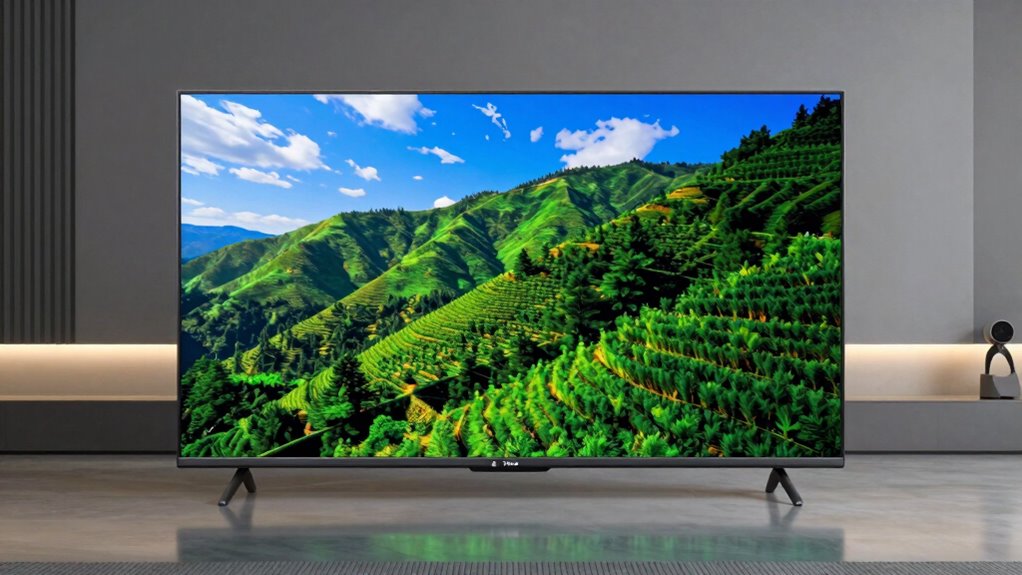

For a 75-inch mini-LED TV that balances bright-room performance, gaming features, and smart-TV usability, my best overall pick is the TCL QM8. The Hisense U7 is another strong all-round option, while the TCL QM6K stands out for buyers who want a more approachable feature set. The biggest tradeoffs are usually picture control and brightness versus interface preferences, gaming needs, and how much you want to spend on features you may not use. This lineup also includes closely related models whose platform or series differences can matter as much as the brand name. Read on for the full breakdown and a guide to choosing the right 75-inch screen for your room.

Get the latest gadgets delivered free with Prime
- Fast, free delivery on millions of items
- Prime Video, Amazon Music and more included
- Member-only deals all year
Complete the kit



Key Takeaways
- The TCL QM8 and Hisense U7 lead the all-round comparison: both are positioned as versatile large-screen choices, but the U7 lineup splits between Fire TV and Google TV versions, so interface preference is part of the decision.
- Platform differences recur across the list: TCL and Hisense offer models with Google TV or Fire TV, while Samsung and LG models provide different smart-TV environments; check app access and device compatibility before buying.
- There are several tiers within each brand: TCL’s QM8, QM64L, and QM6K and Hisense’s U7, E7, and U6 Pro are not interchangeable simply because they share a maker and screen size.
- Samsung’s entries are a separate fit question: the QN70F, M80H, and M70H names signal different series, so compare the exact model’s picture and gaming specifications rather than treating them as one family.
- LG has two 2026 QNED options in the mix: the QNED75B and QNED73B deserve a model-by-model check, especially if their smart features, inputs, or included features differ in your market.
| Hisense 75-inch U7 Mini-LED 4K UHD Smart Fire TV |  | Best Overall for Fast, Bright Viewing | Screen size: 75 inches | Resolution: 4K UHD | Display technology: Mini-LED, Hi-QLED | VIEW ON AMAZON | See Our Full Breakdown |
| TCL 75-Inch QM8 QD-Mini LED 4K Smart TV with Google TV (75QM851G, 2024) |  | Best for Maximum HDR Impact | Screen size: 75 inches | Resolution: 4K | Display technology: QD Mini-LED, QLED | VIEW ON AMAZON | See Our Full Breakdown |
| Samsung 75-Inch Neo QLED QN70F 4K Mini LED Smart TV (2025) |  | Best for Samsung Smart Features and PC Gaming | Screen size: 75 inches | Resolution: 4K | Display technology: QLED with Mini LED backlighting | VIEW ON AMAZON | See Our Full Breakdown |
| LG 75-Inch QNED75B Mini LED 4K Smart TV (2026) |  | Best for Everyday Streaming | Screen size: 75 inches | Resolution: 4K | Display technology: Mini LED | VIEW ON AMAZON | See Our Full Breakdown |
| TCL 75-Inch QM64L QD-Mini LED 4K Smart Fire TV |  | Best Value for Gaming and Built-In Audio | Screen size: 75 inches | Resolution: 4K | Display technology: QD-Mini LED with QLED color | VIEW ON AMAZON | See Our Full Breakdown |
| Samsung 75-Inch M80H Series Mini LED 4K Smart TV (2026) |  | Best for Samsung Smart TV Fans | Screen size: 75 inches | Display technology: Mini LED | Resolution: 4K | VIEW ON AMAZON | See Our Full Breakdown |
| TCL 75-Inch QM6K Series Mini LED QLED 4K HDR Smart Google TV |  | Best for Native 144Hz Gaming | Screen size: 75 inches | Display technology: Mini LED, QLED | Resolution: 4K UHD | VIEW ON AMAZON | See Our Full Breakdown |
| Hisense 75-Inch E7 Hi-QLED Mini-LED 4K UHD Smart Fire TV |  | Best for Fire TV and Adaptive HDR | Model: 75E7SF | Screen size: 75 inches | Display technology: Hi-QLED, Mini LED, LCD | VIEW ON AMAZON | See Our Full Breakdown |
| Hisense 75-Inch U7 Mini-LED 4K UHD Google TV |  | Best for Bright-Room Gaming | Screen size: 75 inches | Display technology: Mini LED, Hi-QLED | Resolution: 4K UHD | VIEW ON AMAZON | See Our Full Breakdown |
| Hisense 75-inch U6 Pro Mini-LED 4K UHD Smart Fire TV |  | Best for Glare-Prone Living Rooms | Screen size: 75 inches | Resolution: 4K UHD | Display technology: Mini-LED Pro, Hi-QLED quantum dot | VIEW ON AMAZON | See Our Full Breakdown |
| Samsung M70H Series 75-Inch 4K Mini LED Smart TV (2026) |  | Best for Free Streaming | Screen size: 75 inches | Resolution: 4K | Display technology: Mini LED | VIEW ON AMAZON | See Our Full Breakdown |
| LG 75-Inch QNED73B Mini-LED 4K Smart TV (2026) |  | Best for LG Gaming Features | Screen size: 75 inches | Resolution: 4K | Display technology: Mini-LED | VIEW ON AMAZON | See Our Full Breakdown |
| inch mini led tv | Screen size | Resolution | Display technology | Refresh rate |
|---|---|---|---|---|
| Hisense 75-inch U7 Mini-LED 4K | 75 inches | 4K UHD | Mini-LED, Hi-QLED | 165 Hz |
| TCL 75-Inch QM8 QD-Mini LED 4K | 75 inches | 4K | QD Mini-LED, QLED | — |
| Samsung 75-Inch Neo QLED QN70F | 75 inches | 4K | QLED with Mini LED backlighting | Up to 144 Hz for compatible PC games |
| LG 75-Inch QNED75B Mini LED 4K | 75 inches | 4K | Mini LED | 60 Hz |
| TCL 75-Inch QM64L QD-Mini LED | 75 inches | 4K | QD-Mini LED with QLED color | Native 144 Hz |
| Samsung 75-Inch M80H Series Mi | 75 inches | 4K | Mini LED | 120Hz; up to 144Hz with compatible PC games |
| TCL 75-Inch QM6K Series Mini L | 75 inches | 4K UHD | Mini LED, QLED | — |
| Hisense 75-Inch E7 Hi-QLED Min | 75 inches | 4K UHD | Hi-QLED, Mini LED, LCD | 144Hz |
| Hisense 75-Inch U7 Mini-LED 4K | 75 inches | 4K UHD | Mini LED, Hi-QLED | 165Hz |
| Hisense 75-inch U6 Pro Mini-LE | 75 inches | 4K UHD | Mini-LED Pro, Hi-QLED quantum dot | 144Hz native |
| Samsung M70H Series 75-Inch 4K | 75 inches | 4K | Mini LED | 60 Hz; up to 120 Hz with DLG |
| LG 75-Inch QNED73B Mini-LED 4K | 75 inches | 4K | Mini-LED | 60 Hz |
More Details on Our Top Picks
Hisense 75-inch U7 Mini-LED 4K UHD Smart Fire TV
I’d put the Hisense U7 near the top for buyers who want a 75-inch Mini-LED screen to handle bright rooms, movies, and high-frame-rate gaming without leaning on one strength alone. Its advertised up to 3,000 nits and up to 3,000 dimming zones give it a more ambitious contrast and highlight spec than the TCL QM64L, while its native 165Hz panel is a clear fit for fast games. The anti-reflection treatment also helps when windows or lamps compete with the screen. Fire TV and Alexa+ make streaming and voice control straightforward, and the 2.1.2-channel audio is more substantial than basic TV speakers. The tradeoff is a large, heavy set, and its zone and brightness figures are maximum claims rather than a guarantee of identical results in every scene.
Pros:- Native 165Hz refresh rate is suited to smooth motion in compatible games and sports.
- Up to 3,000 local dimming zones and 3,000 nits peak brightness target strong contrast and vivid HDR highlights.
- Anti-reflection treatment can help reduce distracting glare in bright rooms.
- Fire TV with Alexa+ and 2.1.2-channel audio provide convenient streaming, voice control, and built-in sound.
Cons:- The 75-inch chassis needs substantial space and careful placement.
- At 70.8 pounds, handling and mounting may take extra help.
- Peak brightness and dimming-zone counts are listed as maximums, not guaranteed scene-by-scene performance.
Best for: Gamers and movie watchers who want a bright 75-inch Mini-LED TV, native high refresh, and Fire TV voice control in one set.
Not ideal for: Buyers with narrow furniture, limited wall space, or a preference for a lighter television; its listed weight is 70.8 pounds and its width is 65.7 inches.
- Screen size:75 inches
- Resolution:4K UHD
- Display technology:Mini-LED, Hi-QLED
- Refresh rate:165 Hz
- Peak brightness:Up to 3,000 nits
- Local dimming zones:Up to 3,000
- HDR formats:Dolby Vision, Dolby Vision IQ, HDR10, HDR10+, HDR10+ Adaptive
- Audio:2.1.2-channel
- Operating system:Fire TV
Our verdict“Choose the Hisense U7 if you want a bright, gaming-focused 75-inch Mini-LED TV with Fire TV and can accommodate its size and weight.”
TCL 75-Inch QM8 QD-Mini LED 4K Smart TV with Google TV (75QM851G, 2024)
The TCL QM8 is the brightness-first choice in this group. Its listed up to 5,000 nits and up to 5,000 local dimming zones give it a higher stated HDR ceiling than the Hisense U7, making it a compelling match for viewers who prioritize luminous highlights and detailed dark scenes. QD-Mini LED and QLED color, plus Dolby Vision IQ support, broaden its appeal for mixed streaming libraries. Gaming is capable too, with VRR features, but buyers should distinguish the advertised up to 240Hz VRR mode from the native 120Hz panel; the Hisense U7 has the higher stated native refresh rate. The QM8 also brings Dolby Atmos and DTS Virtual:X, though the supplied specs don’t establish how it compares with a separate sound system.
Pros:- Up to 5,000 nits peak brightness and up to 5,000 dimming zones support a high-impact HDR presentation.
- QD-Mini LED and QLED color pair local contrast control with a wide-color display approach.
- Dolby Vision IQ, HDR10+, HDR10, and HLG cover several common HDR formats.
- VRR gaming features and Dolby Atmos and DTS Virtual:X audio add flexibility for games and films.
Cons:- The native panel refresh rate is 120Hz; the stated 240Hz figure applies to a VRR gaming feature.
- The listed dimensions do not clarify whether the stand is included.
- Its higher brightness and zone specifications may matter less to viewers who mainly watch standard streaming in a dim room.
Best for: Home-theater viewers who prioritize bright HDR highlights, extensive local dimming, and broad HDR format support over the highest native refresh rate.
Not ideal for: PC gamers seeking a native refresh above 120Hz, or shoppers who need stand-inclusive dimensions before planning furniture or mounting.
- Screen size:75 inches
- Resolution:4K
- Display technology:QD Mini-LED, QLED
- Native refresh rate:120 Hz
- Variable refresh rate:Up to 144 Hz
- Peak brightness:Up to 5,000 nits
- Local dimming zones:Up to 5,000
- HDR formats:Dolby Vision IQ, HDR10+, HDR10, HLG
- HDMI ports:4
Our verdict“Pick the TCL QM8 for a brightness-led HDR setup, but choose the Hisense U7 if native high-refresh gaming is your priority.”
Samsung 75-Inch Neo QLED QN70F 4K Mini LED Smart TV (2025)
I’d shortlist the Samsung QN70F for buyers already drawn to Samsung’s smart-TV ecosystem or planning to connect a compatible gaming PC. Its NQ4 AI Gen2 processor is designed to refine picture detail and upscale lower-resolution material, which can make everyday streams more suitable for a large 4K screen. The set also supports up to 4K 144Hz for compatible PC games, a useful capability that the LG QNED75B’s 60Hz specification does not match. However, the supplied data gives no local-dimming-zone count or peak-brightness figure, so I can’t rank its Mini-LED contrast potential against the TCL QM8’s stated high-output specifications. HDR support is listed as HDR10+, without Dolby Vision in the provided specs. Samsung smart services also require a Samsung Account.
Pros:- Mini LED backlighting supports more controlled contrast than a basic edge-lit design.
- NQ4 AI Gen2 processing is intended to enhance detail and upscale lower-resolution content.
- Up to 4K 144Hz support suits compatible PC gaming.
- Built-in Alexa and listed streaming services simplify access to smart-TV features.
Cons:- The supplied specifications list HDR10+ but not Dolby Vision.
- Peak brightness and local dimming-zone count are not provided, limiting direct HDR comparisons with the TCL QM8.
- Network-based smart services require a Samsung Account.
Best for: Samsung ecosystem households and PC gamers with compatible hardware who want a 75-inch 4K screen with AI upscaling and 144Hz support.
Not ideal for: Viewers who require Dolby Vision, or shoppers who want published peak-brightness and local-dimming-zone figures to compare HDR performance directly.
- Screen size:75 inches
- Resolution:4K
- Display technology:QLED with Mini LED backlighting
- Refresh rate:Up to 144 Hz for compatible PC games
- HDR format:HDR10+
- Processor:NQ4 AI Gen2
- Aspect ratio:16:9
- Weight:68.1 pounds
- Weight without stand:65.3 pounds
Our verdict“Choose the Samsung QN70F if you value Samsung’s smart features and compatible 144Hz PC gaming more than published HDR brightness benchmarks.”
LG 75-Inch QNED75B Mini LED 4K Smart TV (2026)
The LG QNED75B is the straightforward, streaming-led pick here, not the one I’d choose for competitive gaming. Its webOS platform, streaming apps, and included LG Channels make it easy for households to move between paid services and free programming, while the a7 AI Processor Gen9 handles picture and sound processing. But its listed 60Hz refresh rate is a clear step below the TCL QM64L’s native 144Hz and the Hisense U7’s 165Hz, so fast-action games and sports are less central to its case. HDR support is limited in the supplied specs to HDR10 and HLG, rather than the broader format support listed for those TCL options. I’d favor this LG for familiar smart-TV access and casual viewing, while buyers seeking smoother motion should look elsewhere.
Pros:- 75-inch 4K Mini LED screen brings large-format viewing to an everyday streaming setup.
- webOS provides streaming apps and access to over 400 free LG Channels.
- a7 AI Processor Gen9 supports picture and sound processing.
- AMD FreeSync Premium, ALLM, and cloud gaming support offer useful gaming options for casual players.
Cons:- The 60Hz refresh rate is substantially lower than the native 144Hz TCL QM64L and 165Hz Hisense U7.
- Listed HDR formats are HDR10 and HLG, narrower support than the TCL QM8’s listed formats.
- Some smart services require internet access, an account, or a subscription.
Best for: Households focused on streaming, free ad-supported channels, and casual viewing rather than high-refresh gaming.
Not ideal for: Competitive console or PC gamers, and viewers who want broader HDR format support or a refresh rate above 60Hz.
- Screen size:75 inches
- Resolution:4K
- Display technology:Mini LED
- Refresh rate:60 Hz
- HDR formats:HDR10, HLG
- Processor:a7 AI Processor 4K Gen9
- Operating system:webOS
- HDMI ports:3
- USB ports:1
Our verdict“Choose the LG QNED75B for webOS streaming and free channels, but skip it if high-refresh gaming is a priority.”
TCL 75-Inch QM64L QD-Mini LED 4K Smart Fire TV
The TCL QM64L makes a strong case for buyers who want modern gaming features and useful built-in sound without moving up to the QM8’s more ambitious stated brightness and dimming figures. Its native 144Hz refresh rate, VRR, ALLM, and Game Accelerator suit fast games and sports, while up to 500 local dimming zones add contrast control absent from a conventional LED set. The Onkyo 2.1 system with a 20W subwoofer also gives dialogue and low-frequency effects more support than basic TV audio. Compared with the Hisense U7, the TCL has fewer listed zones and a lower refresh rate, but its Fire TV with Alexa+ and Dolby Vision support make it a flexible all-rounder. The tradeoff is that its audio may still fall short of a separate home-theater system.
Pros:- Native 144Hz refresh rate, VRR, ALLM, and Game Accelerator support responsive gaming and smooth motion.
- Up to 500 local dimming zones support deeper blacks and reduced blooming.
- Dolby Vision, HDR10+, HDR10, and HLG provide broad HDR format coverage.
- Onkyo 2.1 audio with a 20W subwoofer adds bass support, while Fire TV and Alexa+ simplify streaming and control.
Cons:- Its up to 500 dimming zones are fewer than the listed maximums for the TCL QM8 and Hisense U7.
- Built-in audio may not satisfy viewers building a dedicated home-theater setup.
- The 75-inch screen can overwhelm smaller rooms or furniture.
Best for: Console gamers and sports fans seeking native 144Hz, VRR, Fire TV, and more substantial built-in audio in a 75-inch Mini-LED set.
Not ideal for: Buyers with a small viewing room, or home-theater owners who expect built-in speakers to replace a dedicated sound system.
- Screen size:75 inches
- Resolution:4K
- Display technology:QD-Mini LED with QLED color
- Local dimming zones:Up to 500
- Refresh rate:Native 144 Hz
- HDR formats:Dolby Vision, HDR10+, HDR10, HLG
- Audio:Onkyo 2.1 with 20W subwoofer
- Smart platform:Fire TV with Alexa+
- Gaming features:VRR, ALLM, Game Accelerator
Our verdict“Pick the TCL QM64L for native high-refresh gaming and stronger built-in sound, but choose the TCL QM8 if maximum stated brightness and dimming capacity matter more.”
Samsung 75-Inch M80H Series Mini LED 4K Smart TV (2026)
The Samsung M80H is a sensible pick for viewers who want a 75-inch Mini LED screen with picture processing that can improve mixed-quality sources. Its NQ4 AI Gen2 processor upscales 4K content and remasters SDR for an HDR-like presentation, which may help older shows look more polished. Compared with the TCL QM6K, it has a lower stated standard refresh rate, but compatible PC games can reach 144Hz and variable refresh rate supports smoother play. HDR10+ is supported, though the TCL also lists Dolby Vision, giving it broader format coverage. The Samsung brings streaming apps and free channels on board, but its network features require internet access and a Samsung Account. Three HDMI ports may also feel limiting for buyers with several consoles and source devices.
Pros:- Mini LED backlighting paired with AI processing and 4K upscaling
- SDR remastering can give older content a more HDR-like look
- VRR and up to 144Hz support for compatible PC games
- Built-in streaming apps and free channels
Cons:- 144Hz is limited to compatible PC-connected games
- Network-based smart features require internet access and a Samsung Account
- Three HDMI ports may constrain multi-device setups
Best for: Samsung ecosystem users who want a large screen for streaming, upscaled older content, and occasional compatible PC gaming
Not ideal for: Viewers who want Dolby Vision support, more than three HDMI ports, or 144Hz operation from every source
- Screen size:75 inches
- Display technology:Mini LED
- Resolution:4K
- Refresh rate:120Hz; up to 144Hz with compatible PC games
- HDR format:HDR10+
- Maximum brightness:1000 nits
- Processor:NQ4 AI Gen2
- Ports:3 HDMI, 1 USB
- VESA mount:400 x 300 mm
Our verdict“Choose the M80H if you want Samsung’s AI picture tools and streaming features, but pick the TCL QM6K if Dolby Vision and native 144Hz matter more.”
TCL 75-Inch QM6K Series Mini LED QLED 4K HDR Smart Google TV
The TCL QM6K pairs a native 144Hz refresh rate with Mini LED local dimming, making it a stronger fit for fast gaming and sports than the Samsung M80H, whose higher gaming rate applies only to compatible PC games. Its HDR range is another advantage: Dolby Vision, HDR10+, HDR10, and HLG give viewers more flexibility across streaming and video sources. Google TV is joined by an Onkyo 2.1 system with a built-in subwoofer, so everyday viewing can sound fuller without immediately adding a soundbar. The tradeoffs are a glossy screen that can reflect windows or lamps and a weight of 51.8 pounds, which makes wall mounting a two-person job. Compared with the brighter Hisense U7, its listed peak brightness is lower, so it is not the most ambitious pick for intense highlights.
Pros:- Native 144Hz refresh rate and gaming features
- Supports Dolby Vision, HDR10+, HDR10, and HLG
- Mini LED QLED display with local dimming
- Onkyo 2.1 audio includes a built-in subwoofer
Cons:- Glossy screen can reflect nearby light sources
- At 51.8 pounds, it is heavy to lift and mount
- Listed maximum brightness is below the Hisense U7’s peak figure
Best for: Console and PC gamers who want native 144Hz, broad HDR format support, and stronger built-in audio
Not ideal for: Bright-room viewers facing windows or buyers who need a lighter TV for solo installation
- Screen size:75 inches
- Display technology:Mini LED, QLED
- Resolution:4K UHD
- Native refresh rate:144Hz
- HDR formats:Dolby Vision, HDR10+, HDR10, HLG
- Maximum display brightness:1000 nits
- Smart TV platform:Google TV
- Audio system:Onkyo 2.1 with built-in subwoofer
- Weight:51.8 pounds
Our verdict“Pick the QM6K for native high-refresh gaming and broad HDR support, unless glare or the Hisense U7’s higher stated peak brightness is your bigger concern.”
Hisense 75-Inch E7 Hi-QLED Mini-LED 4K UHD Smart Fire TV
The Hisense E7 brings a useful mix of Mini LED full-array local dimming, Hi-QLED color, and adaptive HDR formats to a 75-inch screen. Dolby Vision IQ and HDR10+ Adaptive can adjust presentation to viewing conditions, which suits households that watch at different times of day. Its native 144Hz panel and MEMC motion tools also make it more motion-focused than the Samsung M80H, where 144Hz is limited to compatible PC games. Fire TV keeps streaming close at hand, though the listing does not specify connectivity details, leaving buyers without a clear picture of available ports. Audio is another compromise: the two-channel speakers provide Dolby Atmos support, but the stated 20-watt output is modest beside the TCL QM6K’s 2.1 system with a subwoofer. The E7 makes more sense for streaming and picture flexibility than for built-in sound.
Pros:- Mini LED backlighting with full-array local dimming
- Native 144Hz refresh rate with MEMC motion enhancement
- Dolby Vision IQ and HDR10+ Adaptive support
- Fire TV platform and AI picture features
Cons:- Two-channel, 20-watt speaker output may sound limited in a large room
- Listing does not specify connectivity details
- Does not include the TCL QM6K’s listed 2.1-channel speaker system
Best for: Fire TV households that watch mixed content in changing light and want native 144Hz motion support
Not ideal for: Buyers who need detailed port information or expect powerful built-in audio without an external sound system
- Model:75E7SF
- Screen size:75 inches
- Display technology:Hi-QLED, Mini LED, LCD
- Resolution:4K UHD
- Refresh rate:144Hz
- Backlight:Mini LED with full-array local dimming
- HDR formats:Dolby Vision, Dolby Vision IQ, HDR10, HDR10+, HDR10+ Adaptive, HLG
- Smart TV platform:Fire TV
- Audio:Dolby Atmos, 2.0-channel speakers, 20 watts
Our verdict“Choose the E7 for adaptive HDR, Fire TV, and smooth motion, but look to the TCL QM6K if built-in audio is a priority.”
Hisense 75-Inch U7 Mini-LED 4K UHD Google TV
The Hisense U7 is the performance-led choice here, with up to 3,000 nits peak brightness, up to 3,000 local dimming zones, and a 165Hz refresh rate. That combination gives it more headroom for bright HDR highlights and fast play than the TCL QM6K’s listed 1000-nit brightness and 144Hz refresh rate. Its anti-reflection treatment is a practical advantage in rooms where daylight is hard to control, while VRR and AI picture processing broaden its appeal beyond gaming. Built-in 2.1.2-channel Dolby Atmos audio also offers a more substantial starting point than the E7’s 2.0-channel speakers. The main cost is physical: at 70.8 pounds, it is considerably heavier than the other models in this batch and will be harder to mount. Buyers who do not need its gaming and brightness headroom may find the TCL a simpler fit.
Pros:- Up to 3,000 nits peak brightness and up to 3,000 local dimming zones
- 165Hz refresh rate with VRR gaming features
- Anti-reflection treatment helps manage room glare
- 2.1.2-channel audio with Dolby Atmos support
Cons:- At 70.8 pounds, it is difficult to handle without assistance
- Its 75-inch size requires substantial wall or furniture space
- The extra brightness and gaming headroom may be unnecessary for casual streaming
Best for: Gamers and sports viewers in bright rooms who want high refresh rates, VRR, and strong HDR highlight capability
Not ideal for: People installing the TV alone or buyers who do not need advanced gaming features and high peak brightness
- Screen size:75 inches
- Display technology:Mini LED, Hi-QLED
- Resolution:4K UHD
- Refresh rate:165Hz
- Peak brightness:Up to 3,000 nits
- Local dimming zones:Up to 3,000
- HDR formats:Dolby Vision, Dolby Vision IQ, HDR10, HDR10+, HDR10+ Adaptive
- Smart TV platform:Google TV
- Audio:2.1.2 channels, 50 watts
Our verdict“Choose the U7 for a bright room and demanding gaming, but opt for the lighter TCL QM6K if you do not need its higher stated brightness and refresh rate.”
Hisense 75-inch U6 Pro Mini-LED 4K UHD Smart Fire TV
The Hisense U6 Pro stands out for a viewing environment many 75-inch TVs struggle with: rooms where light reflects off the screen. Its anti-reflection, glare-reducing finish is paired with Mini LED local dimming and Hi-QLED color, while native 144Hz support keeps sports and compatible games fluid. Fire TV and Alexa+ voice control make daily streaming straightforward, and the built-in subwoofer adds some low-end presence without extra equipment. Compared with the E7, the U6 Pro lists a subwoofer and a glare-focused screen, but its listing offers less detail about picture processing, ports, and connectivity. Dolby Atmos support is useful, yet the subwoofer is not a replacement for a dedicated sound system. This is the practical pick for a bright or busy living room, rather than a spec-first alternative to the U7’s higher stated brightness and 165Hz rate.
Pros:- Anti-reflection, glare-reducing screen finish
- Mini LED local dimming with Hi-QLED quantum dot color
- Native 144Hz refresh rate and Motion Rate 480
- Fire TV, Alexa+ voice control, and built-in subwoofer
Cons:- Built-in subwoofer may not replace a dedicated sound system
- Listing does not provide detailed connectivity specifications
- Does not match the U7’s listed 165Hz refresh rate or peak brightness
Best for: Households with windows or bright lamps near the TV that want Fire TV, voice control, and smoother motion
Not ideal for: Buyers seeking detailed connectivity information, a full home-theater sound system, or the U7’s higher stated brightness and refresh rate
- Screen size:75 inches
- Resolution:4K UHD
- Display technology:Mini-LED Pro, Hi-QLED quantum dot
- Refresh rate:144Hz native
- Motion enhancement:Motion Rate 480
- HDR formats:Dolby Vision, Dolby Vision IQ, HDR10+, HDR10, HDR10+ Adaptive, HLG
- Screen finish:Anti-reflection and glare-free
- Smart platform:Fire TV
- Audio:Built-in subwoofer, Dolby Atmos
Our verdict“Pick the U6 Pro for glare control and convenient Fire TV features, while the U7 is the better fit for buyers chasing maximum brightness and gaming headroom.”
Samsung M70H Series 75-Inch 4K Mini LED Smart TV (2026)
The Samsung M70H is a strong fit for buyers who want a 75-inch Mini LED screen and a large pool of free viewing options without adding a separate streaming device. Samsung TV Plus provides more than 750 subscription-free channels, while HDR10+ and a stated peak brightness of 1,000 nits support punchier highlights in compatible content. Against the LG QNED73B, Samsung offers the larger free-channel lineup and a DLG option aimed at fast-moving games and sports. The caveat is that its native refresh rate is 60 Hz; DLG can reach 120 Hz by reducing image sharpness, so it is not equivalent to a native 120 Hz panel. Some smart functions also require a Samsung account and internet access. I’d choose it for streaming variety, not for uncompromised high-refresh gaming.
Pros:- 75-inch 4K Mini LED display with HDR10+ support
- Samsung TV Plus offers more than 750 subscription-free channels
- DLG motion option can provide up to 120 Hz for compatible fast-moving content
- Stated maximum brightness of 1,000 nits
Cons:- Native refresh rate is 60 Hz; DLG 120 Hz comes with reduced image sharpness
- Some smart features require a Samsung account and internet connection
- The motion option is not a substitute for a native high-refresh gaming panel
Best for: Viewers who want a large Mini LED TV with built-in free channels and mainly watch streaming shows, movies, and everyday sports.
Not ideal for: Competitive gamers who want a native 120 Hz panel, or viewers who prefer not to use a Samsung account for smart features.
- Screen size:75 inches
- Resolution:4K
- Display technology:Mini LED
- HDR format:HDR10+
- Refresh rate:60 Hz; up to 120 Hz with DLG
- Maximum brightness:1,000 nits
- Connectivity:Bluetooth, HDMI, USB, Wi-Fi
- Dimensions:11 × 65.7 × 39.7 inches (D × W × H)
- Weight:48.5 pounds
Our verdict“Choose the M70H if free streaming variety matters more than native 120 Hz gaming performance.”
LG 75-Inch QNED73B Mini-LED 4K Smart TV (2026)
The LG QNED73B suits buyers who want a 75-inch Mini-LED TV with practical gaming tools and LG’s webOS platform. Its AMD FreeSync Premium and Auto Low Latency Mode can help reduce tearing and input delay with compatible gaming setups, while the a7 AI Processor Gen9 handles picture and sound processing. Compared with the Samsung M70H, LG lists gaming features more directly but does not offer a DLG mode advertised at up to 120 Hz. Both models have a 60 Hz refresh rate, so neither is the pick for gamers seeking native high-refresh playback. LG Channels adds more than 400 free channels, fewer than Samsung TV Plus’s stated 750-plus, and some smart or cloud-gaming features depend on internet access, subscriptions, or an LG account. I’d favor it for console convenience over channel count.
Pros:- 75-inch 4K Mini-LED display
- AMD FreeSync Premium and Auto Low Latency Mode support
- a7 AI Processor Gen9 enhances picture and sound processing
- webOS includes popular streaming apps and more than 400 free LG Channels
Cons:- 60 Hz refresh rate limits high-frame-rate gaming
- Some smart features and cloud gaming depend on internet, subscriptions, or an LG account
- One USB port may constrain setups with multiple USB accessories
Best for: Console players and LG webOS users who want a large-screen TV with FreeSync Premium and Auto Low Latency Mode.
Not ideal for: Gamers seeking a native 120 Hz panel, or viewers who want the largest included free-channel selection.
- Screen size:75 inches
- Resolution:4K
- Display technology:Mini-LED
- HDR formats:HDR10, HLG
- Refresh rate:60 Hz
- HDMI ports:3
- USB ports:1
- Wireless connectivity:Bluetooth, Wi-Fi
- VESA mount:300 × 300 mm
Our verdict“Pick the QNED73B for LG’s gaming features and webOS, but skip it if native 120 Hz is a priority.”

How We Picked
I ranked these 75-inch mini-LED TVs around the decisions that shape day-to-day ownership: picture performance in bright rooms, local-dimming capability, motion and gaming support, smart-platform usability, connectivity, and the fit between features and likely buyer needs. A 75-inch screen puts differences in contrast, reflection handling, and viewing angle into sharper focus, so I weighed those factors alongside the appeal of a feature-rich specification sheet. I also treated each exact model and year as its own option rather than assuming that similarly named TVs share the same hardware.
The ordering favors well-rounded performance and useful flexibility first, then models that make a clearer case for value, a particular platform, or a specific use. The product names alone do not confirm every panel, refresh-rate, or port detail, and availability can vary by region; I would verify the exact listing before purchase. Models with near-matching names, such as the two Hisense U7 versions and Samsung’s M80H and M70H, need especially careful comparison because software or series distinctions may affect the choice.
| inch mini led tv | HDR formats |
|---|---|
| Hisense 75-inch U7 Mini-LED 4K | Dolby Vision, Dolby Vision IQ, HDR10, HDR10+, HDR10+ Adaptive |
| TCL 75-Inch QM8 QD-Mini LED 4K | Dolby Vision IQ, HDR10+, HDR10, HLG |
| Samsung 75-Inch Neo QLED QN70F | — |
| LG 75-Inch QNED75B Mini LED 4K | HDR10, HLG |
| TCL 75-Inch QM64L QD-Mini LED | Dolby Vision, HDR10+, HDR10, HLG |
| Samsung 75-Inch M80H Series Mi | — |
| TCL 75-Inch QM6K Series Mini L | Dolby Vision, HDR10+, HDR10, HLG |
| Hisense 75-Inch E7 Hi-QLED Min | Dolby Vision, Dolby Vision IQ, HDR10, HDR10+, HDR10+ Adaptive, HLG |
| Hisense 75-Inch U7 Mini-LED 4K | Dolby Vision, Dolby Vision IQ, HDR10, HDR10+, HDR10+ Adaptive |
| Hisense 75-inch U6 Pro Mini-LE | Dolby Vision, Dolby Vision IQ, HDR10+, HDR10, HDR10+ Adaptive, HLG |
| Samsung M70H Series 75-Inch 4K | — |
| LG 75-Inch QNED73B Mini-LED 4K | HDR10, HLG |
Factors to Consider When Choosing 75 Inch Mini Led Tv
A large screen magnifies both picture strengths and setup mistakes. I would choose based on the room, viewing habits, and devices the TV needs to serve—not on the mini-LED label alone.
Match brightness and glare handling to the room
Think about where daylight and lamps fall before focusing on peak-brightness claims. A bright room with windows opposite the screen calls for strong brightness and effective reflection handling, while a dim room can make shadow detail and restrained highlights more relevant. Mini-LED backlighting can support fine light control, but performance depends on the implementation, so the label does not guarantee identical contrast across models. A glossy screen may look vivid when lights are controlled and distracting when they are not. Measure the viewing area and note the usual seating position before deciding that a brighter model is automatically the right one. If you watch mostly at night, you may get more value from a model with useful picture controls than from paying for brightness you rarely need.
Check local dimming and subtitle behavior
Local dimming controls how separate areas of the backlight respond to bright and dark parts of a scene. Better control can deepen dark backgrounds while keeping highlights lively, but scenes with subtitles, stars, or small bright objects can reveal halos around lit areas. That effect may matter more to viewers of films with dark cinematography than to people who mostly watch sports or daytime TV. Look for independent testing of the exact model if black-level behavior is a priority, since broad technology labels do not reveal how the dimming algorithm looks in practice. Compare dark-scene performance at your usual viewing angle, too. A large screen makes unevenness easier to notice from seats far off center.
Buy for the devices and games you actually use
Before choosing a TV for gaming, check the exact model’s native refresh rate, supported variable refresh features, input lag, and which HDMI ports provide the capabilities you need. Feature names can differ between product pages, and a TV may not support every gaming function on every input. Count your devices—console, sound system, streaming box, and computer—so you know whether the port layout works without constant cable swapping. For casual play, responsive controls and a suitable game mode may matter more than the highest headline specification. For a newer console or high-frame-rate PC, verify support against the device’s output settings. Do not assume that two models from the same series offer identical ports or gaming performance.
Choose the smart platform before you mount the TV
The operating system shapes daily use: how quickly you reach apps, whether your preferred streaming services are available, and how well the TV works with voice assistants or connected devices. This roundup spans Google TV and Fire TV options alongside Samsung and LG platforms, so brand familiarity can be a practical advantage. Check app availability in your country and whether your household already relies on a particular ecosystem. A separate streaming device can solve some app or interface concerns, but it takes an HDMI port and adds another remote or setup step. Decide whether built-in convenience matters more than keeping your current setup. Make that choice before wall mounting, when access to ports is easier.
Plan the delivery, stand, and viewing distance
A 75-inch TV needs more than a wide wall: its feet, cabinet depth, and viewing height all affect whether it fits your room. Measure the screen area and stand spacing, then compare those figures with the furniture and the route into the home. Confirm the VESA pattern and wall-mount capacity if you plan to mount it, and leave room to reach the ports you will use. At close range, a large 4K screen can make image quality and source quality more visible; lower-resolution broadcasts may look less polished than they do on a smaller set. The right viewing distance depends on preference, but a mock-up using painter’s tape can help reveal whether 75 inches will dominate the room. Account for delivery and installation logistics before ordering a screen this size.
Pay for the features that solve a real problem
Higher-tier models may offer stronger brightness, more refined dimming, or broader gaming support, but those advantages only matter when they match your use. If you stream shows in a controlled room, an entry or mid-tier option may cover your needs without adding features you will not use. A premium model makes a clearer case when the TV must handle a bright room, frequent gaming, or demanding HDR content. Compare exact model-year specifications, since similarly named series can change between releases. Also check how many HDMI inputs support the features you want and whether the built-in audio meets your plans. I would spend extra for a visible improvement in your room, not simply for a longer feature list.
Frequently Asked Questions
Should I choose the Google TV or Fire TV version of the Hisense U7?
Start with the apps and connected devices your household already uses, then check which interface is available on the exact U7 model sold in your region. The two versions share the U7 name, but their smart platforms are a practical difference that can affect setup, voice control, and everyday navigation. Compare the full model number and specifications rather than assuming the Fire TV and Google TV editions are otherwise identical. If you already own a streaming device you prefer, the built-in platform may matter less, though it still affects initial setup and the included remote. Verify app availability locally before choosing between them.
Is a 75-inch mini-LED TV a good fit for a bright living room?
It can be, particularly when the selected model has enough brightness for daytime viewing and handles reflections well. Mini-LED describes the backlighting approach, not a guarantee that every screen performs equally in sunlight or under lamps. Check independent results for the exact model and consider whether windows face the screen directly. Room layout and seating angle also matter, since light and contrast can look different from the side. If you watch mostly in daylight, prioritize glare handling and usable brightness over features aimed mainly at dark-room film viewing.
How can I tell whether a 75-inch TV will fit before delivery?
Check the full product dimensions, including stand width and depth, rather than relying on the diagonal screen measurement. Measure the cabinet or wall, and confirm that the feet land securely on the furniture if you are not mounting the set. Then measure doorways, stair turns, and the path from delivery access to the room; the boxed TV is larger than the bare screen. For a wall mount, verify the VESA pattern, wall capacity, and cable access. A paper or tape outline on the wall can help you judge whether the screen will feel too dominant at your normal seat.
Which specifications matter most if I play games on the TV?
Check the exact model’s native refresh rate, variable refresh support, input lag, and HDMI port capabilities against the console or PC you own. A feature listed on the product page may work only through certain inputs, so the number and type of ports matter as much as the headline claims. If you use several devices, map them to the available ports before purchase. Casual players may be satisfied with a responsive game mode, while high-frame-rate gaming puts more emphasis on refresh and connection support. Confirm the current model’s documentation instead of inferring its capabilities from a similar series name.
Do I need to buy a separate streaming device with these TVs?
Not necessarily: the built-in platforms across this lineup provide different routes to streaming apps, and many buyers can use the TV on its own. Check that your regular services are supported in your region and that the interface suits the people who will use it. A separate device can help if you prefer another ecosystem, want a familiar interface, or need an app the TV does not offer. It also uses an HDMI input and may add a second remote, though some devices can be controlled through the TV. If you already own a streaming box, include its port needs when comparing the Samsung, LG, TCL, and Hisense options.
Conclusion
For most buyers, I would start with the TCL QM8 as the best overall, then compare the Hisense U7 if its model version and smart platform suit your setup. For best value, look closely at the TCL QM6K and Hisense U6 Pro, confirming their exact feature sets before deciding. The best premium choice depends on the specific model’s measured picture performance and gaming support, so I would compare the Samsung QN70F and LG QNED75B against your room and devices rather than choosing by brand alone. For beginners, prioritize a smart platform your household already understands and a straightforward port layout; the TCL and Hisense options make that choice especially relevant. If you have a particular need—Fire TV or Google TV, gaming connectivity, or a specific brand ecosystem—choose the exact matching model and verify its current specifications. The strongest pick is the one whose picture, software, and connections fit your room, not simply the one with the longest feature list.
Halloween Picks

12-Foot Inflatable Pumpkin Halloween Archway with LED Lights

Vexalify 11-Inch Halloween Pumpkin Fog Machine with 12-Color Lights

Pumpkin Halloween Fog Machine with 12-Color LED Lights, Bluetooth Speaker, and Remote
As an affiliate, we earn on qualifying purchases.