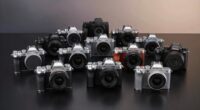
A professional 4K camcorder needs more than UHD resolution: zoom range, dependable handling, audio connections, and recording workflow all shape the result. I rank the Canon XF605 as the best overall choice in this lineup for demanding production work, while the Panasonic HC-X20 stands out for its 20x zoom and the Sony HXR-NX800 for buyers seeking a higher-end 4K HDR setup. The main tradeoff is between professional controls and connectivity, portability, and the simpler operation of Canon’s VIXIA models. Bundles can add useful gear, but they do not make a camera body more capable. Read on for the full breakdown, buying advice, and recommendations by use case.

Get the latest gadgets delivered free with Prime
- Fast, free delivery on millions of items
- Prime Video, Amazon Music and more included
- Member-only deals all year
Complete the kit



Key Takeaways
- The Canon XF605 is the strongest all-around professional pick in this group, while its higher-end feature set may be more camera than a small crew needs.
- The Panasonic HC-X20 pairs professional positioning with 20x optical zoom, making it a practical choice for run-and-gun coverage where changing lenses is not an option.
- The Panasonic HC-X2100 prioritizes reach and mobility with 24x optical zoom and 4K 60p recording, a useful combination for field work and fast-moving events.
- Canon XA60, XA70, and XA75 models occupy a middle ground between the simpler VIXIA HF G70 and the more production-oriented XF605.
- Bundles and renewed listings need extra scrutiny: included cards or accessories can help, but buyers should verify condition, exact model, warranty, and the contents of each package.
| Canon XA60 Professional 4K UHD Camcorder Bundle |  | Best Overall for Professional Workflow | Sensor: 1/2.3-inch CMOS | Processor: DIGIC DV 6 | Maximum video resolution: UHD 4K at up to 30 fps | VIEW ON AMAZON | See Our Full Breakdown |
| Canon VIXIA HF G70 4K Camcorder Bundle with 20x Optical Zoom |  | Best for Straightforward Event Coverage | Sensor: 1/2.3-inch CMOS | Video resolution: 4K UHD | Optical zoom: 20x | VIEW ON AMAZON | See Our Full Breakdown |
| Canon Vixia HF G70 UHD 4K Camcorder 29-Piece Bundle, Black (Renewed) |  | Best Accessory Bundle for Budget-Minded Crews | Condition: Renewed | Sensor: 1/2.3-inch UHD 4K CMOS | Image processor: DIGIC DV 6 | VIEW ON AMAZON | See Our Full Breakdown |
| Panasonic HC-X20 4K Professional Camcorder with 20x Optical Zoom |  | Best for Higher-Quality 4K Recording | Sensor: 1.0-inch MOS, 15 megapixels | Lens wide-angle focal length: 24.5mm | Optical zoom: 20x | VIEW ON AMAZON | See Our Full Breakdown |
| Canon XA60 Professional UHD 4K Camcorder Lens Kit – Black |  | Best Compact Professional Setup | Sensor size: 1/2.3-inch CMOS | Video: 4K UHD | Optical zoom: 20x | VIEW ON AMAZON | See Our Full Breakdown |
| Canon XF605 4K UHD Professional Camcorder |  | Best Overall for Broadcast-Ready Image Control | Sensor: 1-inch CMOS | Video recording: 4K UHD up to 59.94p, 4:2:2 10-bit | Recording formats: XF-AVC and MP4 | VIEW ON AMAZON | See Our Full Breakdown |
| Canon XA75 Professional 4K UHD Camcorder |  | Best for Live Production Connections | Sensor: 1-inch CMOS | Image processor: DIGIC DV6 | Maximum resolution: 4K UHD | VIEW ON AMAZON | See Our Full Breakdown |
| Canon XF605 4K UHD Camcorder with 15x Optical Zoom and 64GB Memory Card |  | Best for Broadcast and Live-Event Workflows | Sensor: 1-inch CMOS | Video resolution and frame rate: 4K UHD up to 60 fps | Optical zoom: 15x | VIEW ON AMAZON | See Our Full Breakdown |
| Panasonic HC-X2100 4K 60p Camcorder with 24x Optical Zoom |  | Best for Long-Reach Run-and-Gun Shooting | Sensor type: MOS | Video resolution and frame rate: 4K UHD up to 60p | Optical zoom: 24x | VIEW ON AMAZON | See Our Full Breakdown |
| Canon XA70 Professional 4K UHD Camcorder |  | Best Value for a Compact Pro-Style Kit | Sensor: 1-inch CMOS | Video resolution: 4K UHD and Full HD | Optical zoom: 15x | VIEW ON AMAZON | See Our Full Breakdown |
| Sony HXR-NX800 4K HDR Camcorder Bundle |  | Best for Professional Production | Sensor: 1-inch Exmor RS CMOS | Video recording: UHD 4K up to 60p; high-frame-rate recording up to 4K120 and 1080p240 | Zoom: 20x optical; 30x Clear Image Zoom in 4K | VIEW ON AMAZON | See Our Full Breakdown |
| Canon VIXIA HF G70 4K UHD Camcorder |  | Best Compact 4K Pick | Sensor: 1/2.3-inch CMOS | Image processor: DIGIC DV 6 | Video recording: 4K UHD up to 30 fps | VIEW ON AMAZON | See Our Full Breakdown |
| 4k camcorder professional | Sensor | Optical zoom | Image stabilization | Connectivity |
|---|---|---|---|---|
| Canon XA60 Professional 4K UHD | 1/2.3-inch CMOS | 20x | 5-axis Dynamic IS | — |
| Canon VIXIA HF G70 4K Camcorde | 1/2.3-inch CMOS | 20x | Optical | HDMI |
| Canon Vixia HF G70 UHD 4K Camc | 1/2.3-inch UHD 4K CMOS | 20x | 5-axis | — |
| Panasonic HC-X20 4K Profession | 1.0-inch MOS, 15 megapixels | 20x | 5-axis HYBRID O.I.S.+ | USB and Wi-Fi; Ethernet with USB-LAN adapter |
| Canon XA60 Professional UHD 4K | — | 20x | 5-axis | HDMI and USB |
| Canon XF605 4K UHD Professiona | 1-inch CMOS | — | 5-axis optical | — |
| Canon XA75 Professional 4K UHD | 1-inch CMOS | 15x | — | — |
| Canon XF605 4K UHD Camcorder w | 1-inch CMOS | 15x | Optical | Wi-Fi, Ethernet, 12G-SDI |
| Panasonic HC-X2100 4K 60p Camc | — | 24x | Hybrid O.I.S. | — |
| Canon XA70 Professional 4K UHD | 1-inch CMOS | 15x | Dynamic IS, 5-axis | USB Type-C and mini-HDMI |
| Sony HXR-NX800 4K HDR Camcorde | 1-inch Exmor RS CMOS | — | — | Dual-band 2.4/5 GHz Wi-Fi, Ethernet, HDMI |
| Canon VIXIA HF G70 4K UHD Camc | 1/2.3-inch CMOS | 20x | Hybrid | — |
More Details on Our Top Picks
Canon XA60 Professional 4K UHD Camcorder Bundle
The Canon XA60 is my strongest all-around pick here for buyers who need professional audio and dependable recording options alongside 4K. Its dual XLR inputs and four-channel LPCM audio give it a more production-ready setup than the VIXIA HF G70, while dual SD slots support relay or simultaneous recording. The 20x optical zoom and 5-axis stabilization suit event coverage and handheld field work; USB-C UVC also lets it connect directly to a computer for livestreaming. The tradeoff is a 4.9-pound body, heavier than the renewed G70 bundle, and 4K tops out at 30 fps. I’d choose it over that G70 bundle for its new professional workflow features, but not for high-frame-rate 4K.
Pros:- Dual XLR inputs and four-channel LPCM audio support professional sound capture.
- Dual SD slots allow relay or simultaneous recording.
- USB-C UVC supports direct computer livestreaming.
- 20x optical zoom pairs with 5-axis stabilization for flexible handheld coverage.
Cons:- At 4.9 pounds, it is heavier than the renewed VIXIA HF G70 bundle.
- 4K recording is limited to 30 fps.
Best for: Event videographers, educators, and livestream operators who need XLR audio, dual-card recording, and direct USB-C computer streaming.
Not ideal for: Creators who prioritize lightweight handheld shooting or 4K recording above 30 fps; this camcorder is relatively heavy and capped at 30 fps in 4K.
- Sensor:1/2.3-inch CMOS
- Processor:DIGIC DV 6
- Maximum video resolution:UHD 4K at up to 30 fps
- Optical zoom:20x
- Image stabilization:5-axis Dynamic IS
- Recording formats:XF-AVC, MP4
- Card slots:Dual SD
- Audio inputs:Dual XLR
- Weight:4.9 pounds
Our verdict“Choose the XA60 if professional audio, dual-card recording, and USB-C streaming matter more than low weight or higher-frame-rate 4K.”
Canon VIXIA HF G70 4K Camcorder Bundle with 20x Optical Zoom
The VIXIA HF G70 bundle is a practical fit for buyers who want 4K, familiar manual controls, and a useful starter kit without paying for the XA60’s more production-focused audio and streaming connections. It shares the 20x optical zoom and dual SD slots, making it suited to school events, lectures, and ceremonies where framing flexibility and long recording sessions matter. The touchscreen and manual/auto focus options give operators room to take control gradually. Compared with the XA60, its listed connections are simpler—HDMI is specified, but no XLR inputs or USB-C UVC are listed—so it is less ready for professional audio capture or direct computer streaming. At 4 pounds, it is still a substantial handheld camera, and the bundle does not resolve the missing battery-life information.
Pros:- 20x optical zoom covers both wide event views and distant subjects.
- Dual SD slots support longer sessions or recording redundancy.
- Touchscreen controls and manual focus provide room to adjust shooting technique.
- Bundle includes a shoulder bag, 64GB memory card, battery pack, and lens hood.
Cons:- No XLR inputs or USB-C UVC streaming are listed, unlike the XA60.
- The 4-pound body can be tiring during extended handheld shoots.
- Battery life information is not provided.
Best for: School media teams and event videographers who want 4K, dual-card recording, and included essentials for camera operation.
Not ideal for: Livestream operators needing direct USB-C UVC or crews recording with XLR microphones; the listed connectivity and audio inputs are more limited than the XA60’s.
- Sensor:1/2.3-inch CMOS
- Video resolution:4K UHD
- Optical zoom:20x
- Lens maximum aperture:f/1.8
- Focus:Manual and auto
- Image stabilization:Optical
- Media slots:Dual SD
- Connectivity:HDMI
- Weight:4 pounds
Our verdict“Pick the HF G70 bundle for event and education recording with included essentials, but choose the XA60 if XLR audio or USB-C livestreaming is part of your workflow.”
Canon Vixia HF G70 UHD 4K Camcorder 29-Piece Bundle, Black (Renewed)
This renewed VIXIA HF G70 bundle is aimed at buyers who need a ready-to-build kit: its 29 pieces include an extra battery, microphone, tripod, memory cards, and lighting, reducing the number of separate accessories to source. The camera itself offers 4K up to 30 fps, 20x optical zoom, 5-axis stabilization, and dual SD slots, so its core shooting setup compares well with the standard HF G70 bundle. The distinction is condition and kit breadth, not a different camera class: it is renewed, and the listing specifies an import model with a dealer warranty. That makes it less predictable than the new XA60, which also adds XLR inputs and USB-C UVC for more direct professional workflows. I’d favor this bundle for accessory coverage, not for the lowest-risk purchase.
Pros:- 29-piece kit includes an extra battery, microphone, LED light, and tripod.
- 20x optical zoom and 5-axis stabilization support flexible handheld shooting.
- Dual SD slots and up to 30 fps UHD 4K recording suit event coverage.
- Slow- and fast-motion recording add options for varied footage.
Cons:- Renewed condition means it is pre-owned or refurbished.
- Import model comes with a dealer warranty rather than the standard new-product setup.
- The listed bundle does not specify XLR inputs or USB-C UVC streaming, unlike the XA60.
Best for: Independent videographers assembling a field kit who can use the included tripod, microphone, light, extra battery, and memory cards.
Not ideal for: Buyers who require a new camera, manufacturer-backed warranty certainty, or built-in professional audio and streaming features like those listed for the XA60.
- Condition:Renewed
- Sensor:1/2.3-inch UHD 4K CMOS
- Image processor:DIGIC DV 6
- Maximum video resolution:UHD 4K at up to 30 fps
- Optical zoom:20x
- Image stabilization:5-axis
- Card slots:Dual SD
- Display:3.5-inch touchscreen LCD
- Bundle:29 pieces, including two 64GB memory cards and an extra battery
Our verdict“Choose this renewed G70 kit if the wide accessory selection matters most and you accept the condition and dealer-warranty tradeoffs.”
Panasonic HC-X20 4K Professional Camcorder with 20x Optical Zoom
The Panasonic HC-X20 earns its place for productions that need stronger image-format options than the Canon 1/2.3-inch models in this group. Its 1.0-inch MOS sensor and internal 4:2:2 10-bit 4K recording up to 30p give editors more color information to work with, while listed 4K 60p recording adds a higher-frame-rate option. The 24.5mm wide-angle lens also offers a broader view than a tight starting frame, yet retains 20x optical zoom for distant subjects. Face-detection autofocus and 5-axis stabilization help with moving people and handheld work. Compared with the XA60, it trades dual XLR inputs and dual SD slots for the larger sensor and richer recording formats. It is not water resistant, and Ethernet requires a USB-LAN adapter.
Pros:- 1.0-inch MOS sensor is larger than the 1/2.3-inch sensors in the Canon models listed here.
- Internal 4:2:2 10-bit 4K up to 30p gives editors more color data.
- 24.5mm wide-angle lens and 20x optical zoom cover varied shooting distances.
- Face-detection autofocus and 5-axis stabilization support handheld work.
Cons:- Not water resistant, limiting use in rain or wet locations.
- Ethernet connectivity requires a separate USB-LAN adapter.
- The listed specs do not include dual XLR inputs or dual SD slots found on the XA60.
Best for: Independent production crews and documentary shooters who want 10-bit 4K recording, a larger sensor, and both wide-angle and long-zoom framing.
Not ideal for: Operators who need dual XLR audio inputs, dual-card redundancy, or a camera built for wet field conditions; the XA60 offers XLR and dual SD, while the HC-X20 is not water resistant.
- Sensor:1.0-inch MOS, 15 megapixels
- Lens wide-angle focal length:24.5mm
- Optical zoom:20x
- Internal recording:4:2:2 10-bit 4K up to 30p
- Listed video modes:4K 60p/24p and Full HD 60p
- Image stabilization:5-axis HYBRID O.I.S.+
- Autofocus:Face detection
- Connectivity:USB and Wi-Fi; Ethernet with USB-LAN adapter
- Weight:4.5 pounds
Our verdict“Choose the HC-X20 when sensor size and 10-bit recording matter more than the XA60’s XLR inputs and dual-card workflow.”
Canon XA60 Professional UHD 4K Camcorder Lens Kit – Black
This Canon XA60 lens kit targets buyers who want a professional-style compact camcorder with the XA60’s core strengths: 4K UHD, 20x optical zoom, 5-axis stabilization, and two XLR inputs. Dual SD slots allow relay recording or simultaneous copies, while infrared mode gives it a useful option for low-light situations. Against the Panasonic HC-X20, this Canon prioritizes compact professional operation and XLR audio rather than a 1.0-inch sensor and 10-bit 4K recording. Its listed weight is only 1.6 pounds, but the supplied product data does not clarify whether that figure covers the same configuration as the 4.9-pound XA60 bundle, so I would verify handling weight before relying on it. It is not weather-sealed, and the USB-C streaming cable is not included.
Pros:- 20x optical zoom combines long reach with 4K UHD recording.
- Dual SD slots support relay or simultaneous recording.
- Two XLR inputs and four-channel linear PCM support professional audio capture.
- 5-axis stabilization and infrared mode add flexibility for handheld and low-light shooting.
Cons:- Not water resistant, so it is a poor fit for wet-weather shoots.
- USB-C streaming cable is not included.
- Listed weight is 1.6 pounds, but the data does not clarify the measurement configuration.
Best for: Solo event shooters and small production teams seeking 20x reach, XLR audio, dual-card recording, and infrared capability in a compact-style kit.
Not ideal for: Buyers who need verified weather protection, a supplied USB-C streaming cable, or the HC-X20’s larger sensor and 10-bit 4K recording.
- Sensor size:1/2.3-inch CMOS
- Video:4K UHD
- Optical zoom:20x
- Image stabilization:5-axis
- Audio inputs:Two XLR inputs
- Recording media:Dual SD card slots
- Connectivity:HDMI and USB
- Water resistance:Not water resistant
- Listed item weight:1.6 pounds
Our verdict“Pick this XA60 kit for compact-style shooting with XLR audio and infrared capability, but verify its operating weight and plan for a separate streaming cable.”
Canon XF605 4K UHD Professional Camcorder
The Canon XF605 is my strongest all-around pick here for professional crews that need detailed, flexible 4K footage. Its 1-inch sensor and 4:2:2 10-bit recording give editors more latitude for color work than a basic 4K capture setup, while Dual Pixel autofocus with eye, face, and head detection helps keep moving subjects in focus. The 15x lens is shorter than the Panasonic HC-X2100’s 24x zoom, but the XF605 counters with 5-axis optical stabilization and a larger range of focus-tracking tools. Dual SD slots also support practical recording workflows. Its tradeoffs are the professional feature set, which can be excessive for casual filming, and the lack of water resistance for exposed outdoor shoots.
Pros:- 4K UHD recording up to 59.94p in 4:2:2 10-bit formats
- Dual Pixel autofocus includes eye, face, and head detection
- 5-axis optical stabilization supports steadier handheld footage
- Dual SD card slots provide flexible recording options
Cons:- 15x optical zoom offers less reach than the Panasonic HC-X2100’s 24x lens
- Not water resistant
- Its advanced professional controls may be unnecessary for casual users
Best for: Documentary, event, and broadcast operators who need 10-bit 4K footage, reliable subject tracking, and dual-card recording.
Not ideal for: Casual users or crews needing long-reach zoom and weather protection; the 15x lens has less reach than the Panasonic HC-X2100, and the body is not water resistant.
- Sensor:1-inch CMOS
- Video recording:4K UHD up to 59.94p, 4:2:2 10-bit
- Recording formats:XF-AVC and MP4
- Lens:15x optical zoom
- Image stabilization:5-axis optical
- Autofocus:Dual Pixel CMOS AF with eye, face, and head detection
- Media slots:Dual SD card slots
- Display and viewfinder:4.3-inch touchscreen LCD; 1.56-million-dot OLED EVF
Our verdict“Choose the XF605 for a feature-rich professional 4K workflow with strong autofocus and 10-bit recording, rather than maximum zoom reach or a simple casual-use setup.”
Canon XA75 Professional 4K UHD Camcorder
The Canon XA75 makes the most sense when a camera must connect cleanly to both professional audio gear and live video systems. Its two XLR inputs and 3G-SDI output suit interviews, event coverage, and production setups that need dependable wired connections; USB-C with UVC support also enables HD streaming. The 1-inch sensor and 15x lens put it in familiar territory beside the Canon XA70, but the XA75’s 3G-SDI connection is a useful distinction for facilities built around SDI routing. Dual SD slots add relay or simultaneous recording flexibility. The compromise is that it lacks the XF605’s stated 4:2:2 10-bit recording detail, and its 3.5-inch screen is smaller than the XF605’s 4.3-inch panel. It is also not weather sealed.
Pros:- Two XLR terminals support professional microphone connections
- 3G-SDI, mini-HDMI, and USB-C UVC cover varied output needs
- Dual SD slots support relay and simultaneous recording
- 15x optical zoom with face-tracking autofocus
Cons:- Does not list the XF605’s 4:2:2 10-bit recording capability
- USB-C cable for computer connection is not included
- Not water resistant
Best for: Small production teams, event videographers, and streamers who need XLR audio, SDI output, and USB-C webcam-style streaming.
Not ideal for: Color-critical productions prioritizing specified 10-bit 4K capture or outdoor crews needing water resistance.
- Sensor:1-inch CMOS
- Image processor:DIGIC DV6
- Maximum resolution:4K UHD
- Optical zoom:15x
- Recording formats:XF-AVC and MP4
- Video outputs:Mini-HDMI, 3G-SDI, USB-C with UVC support
- Audio:Two XLR terminals; 4-channel linear PCM
- Media slots:Dual SD card slots
Our verdict“Pick the XA75 when wired production connections and streaming flexibility matter more than the XF605’s specified 10-bit recording.”
Canon XF605 4K UHD Camcorder with 15x Optical Zoom and 64GB Memory Card
This XF605 bundle is aimed at crews whose priority is connecting a camcorder to a broader broadcast or live-event setup. Its listed 12G-SDI, Ethernet, and Wi-Fi give it a wider stated networking and signal-output mix than the standard Canon XF605 listing, while the included 64GB card provides recording media in the box. The 1-inch sensor, 15x zoom, optical stabilization, and Dual Pixel autofocus make it a capable 4K platform for tracking speakers or performers. Compared with the Panasonic HC-X2100, though, its zoom reach is shorter and the listed weight is substantial at 10 pounds. That heft can make extended handheld work tiring. Buyers should also verify that the bundle’s listed formats and connections fit their workflow, since the supplied details differ from the standard XF605 listing.
Pros:- 4K UHD HDR recording with frame rates up to 60 fps
- 12G-SDI, Ethernet, and Wi-Fi support varied production workflows
- Dual Pixel phase-detection autofocus with 193 focus points
- Includes a 64GB memory card
Cons:- Listed weight of 10 pounds makes extended handheld use demanding
- 15x optical zoom has less reach than the Panasonic HC-X2100’s 24x lens
- Not water resistant
Best for: Broadcast and event teams seeking 4K capture with 12G-SDI, Ethernet, wireless connectivity, and an included memory card.
Not ideal for: Solo operators who prioritize lightweight handheld shooting or a long zoom range; the listed weight is 10 pounds and the lens is 15x.
- Sensor:1-inch CMOS
- Video resolution and frame rate:4K UHD up to 60 fps
- Optical zoom:15x
- Autofocus:Dual Pixel phase detection AF with 193 focus points
- Connectivity:Wi-Fi, Ethernet, 12G-SDI
- Image stabilization:Optical
- Maximum aperture:f/2.8
- Included accessory:64GB memory card
Our verdict“Choose this XF605 bundle for connectivity-focused broadcast work, but favor the HC-X2100 if zoom reach and a lighter listed weight matter more.”
Panasonic HC-X2100 4K 60p Camcorder with 24x Optical Zoom
The Panasonic HC-X2100 is the pick I’d favor when a single operator needs to cover subjects at changing distances without swapping lenses. Its 24x optical zoom, equivalent to 25–600mm, reaches much farther than the 15x lenses on the Canon XF605 and XA75, making it useful for ceremonies, sports, and stage work. Hybrid O.I.S. combines optical and electronic stabilization, while the detachable handle adds XLR inputs, a zoom lever, and an LED light for field use. It records 4K 60p and Full HD slow motion, giving it speed and reach the Canon XA70 does not list in the supplied specs. The tradeoff is a 1.99 kg body and face-detection autofocus rather than the more detailed subject-detection system specified for the XF605.
Pros:- 24x optical zoom spans a 25–600mm-equivalent range
- Hybrid O.I.S. combines optical and electronic stabilization
- Records 4K 60p and Full HD slow motion up to 120 fps at 59.94 Hz
- Detachable handle adds two-channel XLR inputs, a zoom lever, and an LED light
Cons:- At 1.99 kg, it is heavier to carry for long handheld shoots
- Face-detection autofocus is less specific than the XF605’s eye, face, and head detection
- Not water resistant
Best for: Solo event and sports videographers who need broad zoom coverage, 4K 60p, and onboard XLR audio without changing lenses.
Not ideal for: Crews prioritizing advanced eye and subject tracking, a lightweight handheld rig, or water resistance.
- Sensor type:MOS
- Video resolution and frame rate:4K UHD up to 60p
- Optical zoom:24x
- Focal length equivalent:25–600 mm
- Image stabilization:Hybrid O.I.S.
- Autofocus:Face detection
- Slow motion:FHD up to 120 fps at 59.94 Hz or 100 fps at 50 Hz
- Weight:1.99 kg
Our verdict“Choose the HC-X2100 for long-reach event coverage and 4K 60p, but pick the XF605 if advanced subject tracking and specified 10-bit recording are higher priorities.”
Canon XA70 Professional 4K UHD Camcorder
The Canon XA70 brings many of the practical tools expected in a professional camcorder without the XA75’s listed 3G-SDI output or the XF605’s specified 4:2:2 10-bit capture. Its 1-inch sensor, 15x optical zoom, and five-axis stabilization form a versatile setup for interviews, corporate video, and event coverage. Two XLR terminals and four-channel linear PCM audio help manage microphones directly on the camera, while dual SD slots allow relay or simultaneous recording. Compared with the Canon XA75, the core shooting setup is similar, but the XA75 is the better fit when SDI and USB-C streaming connections lead the brief. The XA70’s drawbacks include no USB audio output, an unprovided USB-C computer cable, and no water resistance.
Pros:- 1-inch sensor records 4K UHD and Full HD
- 15x optical zoom with five-axis stabilization
- Two XLR terminals and four-channel linear PCM audio
- Dual SD slots support relay and simultaneous recording
Cons:- No USB audio output
- USB-C cable for computer connection is not included
- Not water resistant
Best for: Independent videographers and small crews who need 4K, XLR audio, stabilization, and dual-card recording in a professional-style camcorder.
Not ideal for: Broadcast teams that need 3G-SDI or color-focused productions requiring the XF605’s specified 10-bit recording.
- Sensor:1-inch CMOS
- Video resolution:4K UHD and Full HD
- Optical zoom:15x
- Recording formats:XF-AVC and MP4
- Image stabilization:Dynamic IS, 5-axis
- Audio inputs:Two XLR terminals
- Memory card slots:Two SD card slots
- Connectivity:USB Type-C and mini-HDMI
Our verdict“Choose the XA70 for a capable XLR-equipped 4K work camera, while the XA75 is a closer fit when SDI output is needed.”
Sony HXR-NX800 4K HDR Camcorder Bundle
The Sony HXR-NX800 is the more production-focused choice here, pairing a 1-inch sensor with 4K HDR recording, 4K120 high-frame-rate capture, and four-channel audio. That combination gives working crews more room for slow-motion shots and multi-source sound than the compact Canon VIXIA HF G70, which records 4K up to 30 fps and is better suited to lighter-duty filming. Sony’s 20x optical zoom, AI autofocus, and auto-framing also help when a camera operator must follow action without a second set of hands. Wi-Fi, Ethernet, and the supplied accessories make it better prepared for field production and direct streaming. The tradeoff is a 4.3-pound body, more demanding media requirements across its dual CFexpress Type-A/SD slots, and no weather protection; this is more camera than casual users need.
Pros:- 1-inch sensor supports UHD 4K HDR capture
- Records high-frame-rate video up to 4K120 and 1080p240
- 20x optical zoom, AI autofocus, and auto-framing support solo shooting
- Four-channel audio, Wi-Fi, Ethernet, and a useful accessory bundle
Cons:- At 4.3 pounds, it is substantially heavier than the 16-ounce Canon VIXIA HF G70
- Not water resistant, limiting confidence in wet or dusty locations
- The bundle’s 64GB card may be restrictive for long or high-bitrate shoots
Best for: Event videographers and small production teams who need 4K HDR, high-frame-rate options, flexible audio, and direct streaming in one camcorder.
Not ideal for: Travelers and casual family videographers who prioritize a light, simple camera or need water resistance for outdoor shoots.
- Sensor:1-inch Exmor RS CMOS
- Video recording:UHD 4K up to 60p; high-frame-rate recording up to 4K120 and 1080p240
- Zoom:20x optical; 30x Clear Image Zoom in 4K
- Recording formats:XAVC S-I, HS-L, S-L, HD/QFHD
- Connectivity:Dual-band 2.4/5 GHz Wi-Fi, Ethernet, HDMI
- Storage slots:Dual CFexpress Type-A/SD
- Audio input:4-channel
- Weight:4.3 pounds
- Bundle accessories:BP-U35 battery, 64GB memory card, carrying case, card reader, card wallet, lens cap keeper, cleaning kit, HDMI cable
Our verdict“Choose the HXR-NX800 if your professional workflow benefits from 4K HDR, high-frame-rate recording, and multi-channel audio more than it benefits from a light camera.”
Canon VIXIA HF G70 4K UHD Camcorder
The Canon VIXIA HF G70 earns its place for buyers who want a manageable 4K camcorder rather than a heavier production system. At 16 ounces, it is far easier to carry and handle for long recordings than the Sony HXR-NX800, while its 20x optical zoom and Hybrid stabilization help keep distant subjects framed and handheld footage steadier. The 3.5-inch screen is also a practical monitoring advantage over the Sony’s listed 1-inch display size. Its limits are clear: the 1/2.3-inch sensor and 4K recording up to 30 fps offer less flexibility than the Sony’s 1-inch sensor and high-frame-rate modes. USB UVC supports HD livestreaming, not a substitute for the Sony’s broader Wi-Fi and Ethernet streaming options. It is a sensible compact tool, but not the stronger fit for demanding multi-camera or slow-motion work.
Pros:- Light 16-ounce body is practical for handheld and travel use
- 20x optical zoom paired with Hybrid image stabilization
- Hybrid AF with face detection helps keep people in focus
- 3.5-inch display and USB UVC HD livestreaming support
Cons:- 4K recording is limited to 30 fps, unlike the Sony HXR-NX800’s higher-frame-rate options
- Smaller 1/2.3-inch sensor offers less sensor area than the Sony’s 1-inch sensor
- SDXC media is required, and a memory card is not listed as included
Best for: Solo educators, community video teams, and event recorders who want a lightweight 4K camcorder with a long zoom and straightforward USB livestreaming.
Not ideal for: Production crews needing 4K60 or higher frame rates, a larger sensor, or four-channel audio; the Sony HXR-NX800 is better equipped for those jobs.
- Sensor:1/2.3-inch CMOS
- Image processor:DIGIC DV 6
- Video recording:4K UHD up to 30 fps
- Optical zoom:20x
- Image stabilization:Hybrid
- Autofocus:Hybrid AF with face detection
- Livestreaming:USB UVC in HD
- Recording media:SDXC
- Weight and display:16 ounces; 3.5-inch screen
Our verdict“Pick the VIXIA HF G70 if portability, stabilization, and easy HD streaming matter more than high-frame-rate capture or a larger sensor.”

How We Picked
I ranked these cameras around the needs implied by professional 4K production: reliable recording, usable optical zoom, hands-on controls, audio and workflow suitability, and the ability to work in events, interviews, or field settings. A camera’s role matters as much as its headline resolution; I gave more weight to options that appear suited to repeatable work and varied shooting conditions than to package extras or a long accessory list.
The ranking also reflects tradeoffs between capability and complexity. The XF605 leads as the broadest professional option, while the HC-X20 and HC-X2100 earn places for their distinct zoom and mobility strengths. XA-series models offer a more accessible bridge into professional-style operation, and the VIXIA HF G70 variants fit buyers who need simpler 4K shooting. Similar bodies and bundle versions are grouped by their underlying camera role rather than treated as separate performance tiers; renewed condition and included accessories do not count as camera upgrades.
| 4k camcorder professional | Connectivity |
|---|---|
| Canon XA60 Professional 4K UHD | — |
| Canon VIXIA HF G70 4K Camcorde | HDMI |
| Canon Vixia HF G70 UHD 4K Camc | — |
| Panasonic HC-X20 4K Profession | USB and Wi-Fi; Ethernet with USB-LAN adapter |
| Canon XA60 Professional UHD 4K | HDMI and USB |
| Canon XF605 4K UHD Professiona | — |
| Canon XA75 Professional 4K UHD | — |
| Canon XF605 4K UHD Camcorder w | Wi-Fi, Ethernet, 12G-SDI |
| Panasonic HC-X2100 4K 60p Camc | — |
| Canon XA70 Professional 4K UHD | USB Type-C and mini-HDMI |
| Sony HXR-NX800 4K HDR Camcorde | Dual-band 2.4/5 GHz Wi-Fi, Ethernet, HDMI |
| Canon VIXIA HF G70 4K UHD Camc | — |
Factors to Consider When Choosing 4k Camcorder Professional
Choosing a professional 4K camcorder is less about finding the biggest spec sheet and more about matching the camera to the way you record. I would settle the workflow and shooting-distance questions before comparing bundle contents or optional features.
Match Zoom Reach to Your Shooting Distance
Optical zoom is most useful when you cannot move closer, as at a ceremony, school performance, press event, or wildlife location. A longer zoom can reduce missed moments, but it does not automatically deliver better results in every scene; wide interiors and close interviews may demand a different framing range. Think through the farthest subject you routinely record, then leave room for a stable shot at that distance. Avoid treating digital zoom as a replacement for optical reach, since it can limit image detail. If your work varies between tight spaces and distant subjects, handling and stabilization matter alongside the zoom figure.
Choose Resolution and Frame Rate for the Final Deliverable
UHD 4K is useful for detailed delivery and for cropping a shot into a tighter frame during editing, but the recording format must fit the rest of your workflow. Higher frame-rate options, such as 4K 60p on the HC-X2100, can help with motion or slow-motion edits, while adding demands on storage, cards, and computer processing. Before buying, check which frame rates and recording formats are available in the modes you will actually use. A mismatch between camera settings and editing software can slow a small production more than a modest resolution difference. Choose based on the client’s delivery needs, not resolution alone.
Plan for Audio, Monitoring, and One-Person Operation
Professional work often fails first at the sound or monitoring stage, not the pixel level. Check whether the camera’s physical audio connections, headphone monitoring, viewfinder, and screen arrangement suit your crew and shooting position. A solo operator may value quick access to controls and a screen that remains visible while framing at different angles. A multi-person production may care more about connecting separate microphones and keeping audio levels under active control. Do not assume that a product title containing “professional” guarantees every connection or accessory your setup requires; confirm the exact body specifications before ordering.
Account for Run Time, Media, and Backup Workflow
Long recordings make battery life, media capacity, and file handling part of the camera decision. Estimate the length of your longest uninterrupted session and plan for spare batteries and enough supported media, rather than relying on a card included in a bundle. Check how your chosen recording settings affect storage use, since higher-quality or higher-frame-rate footage can fill cards faster. For paid work, consider how quickly you can offload and back up footage between sessions. A small accessory package may be convenient, but dependable media and a repeatable backup routine are more useful than extras you will not use.
Separate Camera Capability from Bundle Value
Several listings here pair familiar camera bodies with accessories, and the package title can make those versions seem more different than they are. Compare the exact model number and body first, then decide whether the included lens kit, card, or other accessories match your existing gear. Bundles can save setup time when you are starting from scratch, but they may duplicate items or include components that do not suit professional use. The renewed HF G70 listing calls for additional checks on condition, return terms, and warranty coverage. Judge a bundle by the usefulness and compatibility of its contents, not by the size of its parts list.
Pay for the Workflow You Need, Not a Label
Moving from a VIXIA model to an XA-series or XF-series camera makes sense when you need more production-focused handling or workflow options, not just because one name sounds more advanced. A beginner recording occasional talks may gain more from simple operation and a clear setup than from controls they rarely touch. A professional covering multiple event types may benefit from broader capabilities that reduce compromises on location. Think about the cost of a missed shot, extra setup time, or added post-production work across a typical year. Paying more is justified when a specific capability solves a recurring production problem.
Frequently Asked Questions
Is the Canon XF605 worth choosing over the XA-series models?
I would favor the XF605 when your work regularly calls for a more production-oriented camera and its added capabilities fit your crew and workflow. The XA60, XA70, and XA75 are better candidates when you want a professional-style camcorder without moving to the most advanced option in this lineup. Compare the exact features you need, such as connections, control layout, and recording requirements, rather than buying by series name alone. If your projects are mostly straightforward interviews or small events, an XA model may leave more of the camera’s capabilities in active use. The XF605 makes most sense when its extra flexibility solves real on-location needs.
Should I choose the HC-X2100 or the HC-X20 for event coverage?
Start with the distance and motion you face most often. The HC-X2100’s 24x optical zoom and 4K 60p recording make it appealing when subjects are far away or movement is fast, while the HC-X20’s 20x zoom may be enough for more typical event framing. A longer zoom does not replace a stable shooting position, and higher frame rates can increase storage and editing demands. Check which recording modes your delivery workflow supports before deciding that 60p is necessary. If you rarely need the extra reach or frame rate, weigh handling and setup needs just as heavily.
Are the Canon VIXIA HF G70 models suitable for paid video work?
They can suit paid work when the assignment is straightforward and the camera’s controls and connections meet the production brief. I would view the HF G70 as a simpler 4K option compared with the XA and XF lines, not as a universal substitute for a production-focused camcorder. Before booking it for client work, confirm audio inputs, monitoring needs, recording format, and any requirements for long uninterrupted sessions. A solo creator covering talks or small events may find its simpler approach appealing. A crew with demanding audio or workflow requirements should compare it closely with the professional-oriented alternatives.
Does a bundle make more sense than buying the camcorder body alone?
A bundle is useful when its included accessories match your immediate recording needs and are compatible with the exact camera. It may be less helpful if you already own cards, batteries, or support gear, or if the package contents are not clearly listed. Compare the body specification first so that accessories do not distract from differences in the camera itself. For the renewed HF G70, check condition details, warranty coverage, and return terms separately from the accessory list. I would choose a bundle for verified utility, not simply because it contains more items.
What should I check before buying a professional 4K camcorder for long events?
Confirm the camera supports the recording modes you need for the full session, then plan the battery and media capacity around your longest event. Check that you can monitor audio while recording and connect the microphones your setup requires. Also verify how easily the camera can be operated from your usual tripod, shoulder, or handheld position, since extended sessions expose awkward controls quickly. Test your planned files in the editing and backup workflow before relying on them for a paid job. These practical checks can prevent interruptions that UHD resolution cannot fix.
Conclusion
For the broadest professional use, I recommend the Canon XF605 as the best overall pick; buyers seeking a higher-end 4K HDR option should also compare the Sony HXR-NX800. The Panasonic HC-X20 is my best value-oriented professional choice for buyers who want a capable camcorder with 20x optical zoom, while the HC-X2100 is the better fit when 24x reach and 4K 60p matter. Beginners and small crews can start with the Canon VIXIA HF G70 for a simpler 4K workflow, moving to the XA60, XA70, or XA75 when their production needs call for more professional-style operation. For buyers focused on a particular shooting need, choose the Panasonic HC-X2100 for distant, fast-moving subjects or an XA-series model for a middle ground between VIXIA simplicity and XF-series capability. Check exact specifications and bundle terms before ordering, especially for renewed or accessory-packed listings.