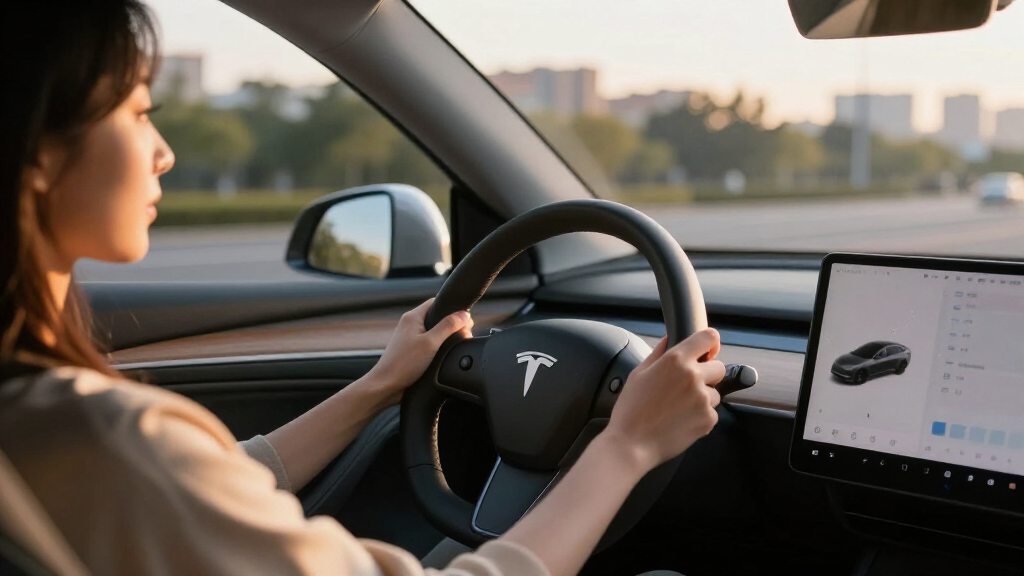

Searching for the best self-driving cars in 2026? The top pick is Tesla’s Full Self-Driving, known for its advanced features and broad adoption. For those seeking premium tech, Waymo’s autonomous fleet offers unmatched safety and reliability. Budget-conscious buyers might lean toward newer models with decent automation at a lower price point. The main tradeoffs involve balancing safety, convenience, and cost. Keep reading for a detailed breakdown of the best options and what suits different driving needs.

Get the latest gadgets delivered free with Prime
- Fast, free delivery on millions of items
- Prime Video, Amazon Music and more included
- Member-only deals all year
Complete the kit



Key Takeaways
- The most advanced self-driving tech is currently concentrated in premium models, but improved affordability is emerging.
- Safety and reliability vary significantly, with some brands prioritizing tested systems over experimental features.
- Sensor technologies like lidar and radar remain critical for high-level autonomy, but software sophistication is equally important.
- Most top-performing self-driving cars excel in urban environments, while highway driving remains more consistent across options.
- Tradeoffs often involve balancing user experience with system transparency and control options.
| Self-Driving Cars with Fexingo: Autonomous Vehicles, Lidar, and Mobility Tech |  | Best for Enthusiasts and Professionals | Content Focus: Autonomous vehicle technology, lidar, mobility innovations | Intended Audience: Enthusiasts, professionals, industry stakeholders | Coverage Depth: High-level insights, limited practical application details | VIEW LATEST PRICE | See Our Full Breakdown |
| The Visual Guide to Self-Driving Cars: Autonomous Vehicles Explained Through Charts, Infographics, and Illustrations |  | Best for Beginners and Visual Learners | Content Focus: Visual explanations, charts, infographics | Intended Audience: Beginners, students, casual learners | Coverage Depth: Introductory, visual-based | VIEW LATEST PRICE | See Our Full Breakdown |
| The 2027-2032 World Outlook for Self-Driving Cars |  | Best for Market Analysts and Industry Stakeholders | Content Focus: Market trends, forecasts, industry analysis | Intended Audience: Investors, business strategists, industry analysts | Coverage Period: 2027-2032 | VIEW LATEST PRICE | See Our Full Breakdown |
| Introduction to Driverless Self-Driving Cars: The Best of the AI Insider |  | Best for AI and Tech Enthusiasts | Content Focus: AI advancements, system insights | Intended Audience: AI researchers, tech enthusiasts, students | Coverage Depth: AI concepts and latest developments | VIEW LATEST PRICE | See Our Full Breakdown |
| Introduction to Self-Driving Vehicle Technology |  | Best for Students and Professionals | Content Focus: Autonomous vehicle concepts, AI, robotics | Intended Audience: Students, engineers, technical professionals | Coverage Depth: Fundamental concepts plus recent advancements | VIEW LATEST PRICE | See Our Full Breakdown |
| Advances in AI and Autonomous Vehicles: Cybernetic Self-Driving Cars |  | Best for AI Enthusiasts and Industry Professionals | Subject: AI and autonomous vehicle technology | Target Audience: Professionals, enthusiasts, researchers | Edition: Latest developments in AI | VIEW LATEST PRICE | See Our Full Breakdown |
| Self-Driving Cars (A True Book: Engineering Wonders) |  | Best for Young Readers and Educational Beginners | Subject: Self-driving cars for kids | Target Audience: Children, educators, beginners | Series: A True Book: Engineering Wonders | VIEW LATEST PRICE | See Our Full Breakdown |
| self-driving car | Content Focus | Intended Audience | Technical Detail | Coverage Depth |
|---|---|---|---|---|
| Self-Driving Cars with Fexingo | Autonomous vehicle technology, lidar, mobility innovations | Enthusiasts, professionals, industry stakeholders | In-depth but lacks specifications | High-level insights, limited practical application details |
| The Visual Guide to Self-Drivi | Visual explanations, charts, infographics | Beginners, students, casual learners | Basic explanations, limited technical data | Introductory, visual-based |
| The 2027-2032 World Outlook fo | Market trends, forecasts, industry analysis | Investors, business strategists, industry analysts | Market data, no vehicle specs | — |
| Introduction to Driverless Sel | AI advancements, system insights | AI researchers, tech enthusiasts, students | AI algorithms, recent innovations | AI concepts and latest developments |
| Introduction to Self-Driving V | Autonomous vehicle concepts, AI, robotics | Students, engineers, technical professionals | Comprehensive, technical | Fundamental concepts plus recent advancements |
| Advances in AI and Autonomous | — | — | — | — |
| Self-Driving Cars | — | — | — | — |
More Details on Our Top Picks
Self-Driving Cars with Fexingo: Autonomous Vehicles, Lidar, and Mobility Tech
This comprehensive guide stands out for its in-depth coverage of autonomous vehicle technology, especially lidar and mobility innovations. Unlike the more visual-oriented The Visual Guide to Self-Driving Cars, it dives into technical concepts, making it ideal for readers wanting a thorough understanding of the latest advancements. However, it lacks detailed specifications and practical implementation insights, which could be a drawback for those seeking hands-on guidance. This book is best suited for tech enthusiasts, engineers, or industry professionals aiming to deepen their knowledge beyond basic concepts.
Pros:- Provides in-depth insights into autonomous vehicle technology
- Focuses on lidar and mobility innovations for advanced understanding
- Suitable for professionals and enthusiasts seeking technical depth
Cons:- Lacks detailed technical specifications for practical implementation
- No customer reviews or real-world testing data available
Best for: Autonomous vehicle enthusiasts, engineers, and industry professionals seeking detailed technical insights
Not ideal for: Casual readers or beginners who need simpler explanations or practical guides
- Content Focus:Autonomous vehicle technology, lidar, mobility innovations
- Intended Audience:Enthusiasts, professionals, industry stakeholders
- Coverage Depth:High-level insights, limited practical application details
- Publication Type:Guide/Reference book
- Visual Aids:None
- Technical Detail:In-depth but lacks specifications
Our verdict“This pick is ideal for those needing a technical deep dive into autonomous vehicle tech, not for casual or beginner audiences.”
The Visual Guide to Self-Driving Cars: Autonomous Vehicles Explained Through Charts, Infographics, and Illustrations
This book excels in making complex autonomous vehicle concepts accessible through clear charts and infographics, making it a strong choice for newcomers compared to the more technical Introduction to Self-Driving Vehicle Technology. Its visual approach helps demystify key topics but falls short on providing detailed specifications or technical data, which could limit its usefulness for advanced readers or professionals. If you prefer understanding through visual learning and need a broad overview, this guide offers an engaging entry point.
Pros:- Provides clear visual explanations of complex concepts
- Includes detailed charts and infographics for easy understanding
- Suitable for beginners and visual learners
Cons:- Lacks detailed technical specifications and practical guidance
- No edition or publisher information available
Best for: Beginners, students, or anyone who learns best through visuals
Not ideal for: Industry professionals or technical experts seeking in-depth specifications or practical implementation details
- Content Focus:Visual explanations, charts, infographics
- Intended Audience:Beginners, students, casual learners
- Coverage Depth:Introductory, visual-based
- Publication Type:Illustrated guide
- Visual Aids:Charts, infographics, illustrations
- Technical Detail:Basic explanations, limited technical data
Our verdict“This visual guide makes autonomous vehicle fundamentals accessible for beginners but isn’t suited for those needing technical depth.”
The 2027-2032 World Outlook for Self-Driving Cars
This market forecast offers valuable insights into future trends and industry forecasts, making it a strong complement to more technical or educational titles like Introduction to Driverless Self-Driving Cars. Unlike these books, it focuses exclusively on market dynamics, not technical details or practical applications. Its value lies in strategic planning and investment decisions, but it isn’t suitable for those seeking technical understanding or user-oriented information. If you’re an investor or industry stakeholder aiming to understand future growth, this report provides crucial data.
Pros:- Offers a comprehensive analysis of the global market from 2027-2032
- Provides future industry forecasts and trends
- Valuable for strategic planning and investment decisions
Cons:- No technical specifications or detailed vehicle features
- Limited to market and industry insights, lacks consumer-focused info
Best for: Investors, industry analysts, and stakeholders interested in market trends and forecasts
Not ideal for: Technical professionals or casual readers seeking detailed vehicle technology insights
- Content Focus:Market trends, forecasts, industry analysis
- Intended Audience:Investors, business strategists, industry analysts
- Coverage Period:2027-2032
- Scope:Global market analysis
- Data Type:Forecasts, trend analysis
- Technical Detail:Market data, no vehicle specs
Our verdict“This forecast report is perfect for stakeholders needing market foresight but isn’t suited for technical or consumer-oriented research.”
Introduction to Driverless Self-Driving Cars: The Best of the AI Insider
This book provides a detailed look into the AI systems powering autonomous vehicles, making it a good counterpart to Self-Driving Cars with Fexingo, which focuses more on hardware. It covers recent AI advancements but lacks specific technical specifications or practical implementation details, limiting its appeal for hands-on engineers. It’s best suited for readers interested in the AI side of self-driving tech, especially those curious about future developments in artificial intelligence and automation.
Pros:- Provides comprehensive insights into AI advancements in self-driving cars
- Covers recent developments in autonomous vehicle AI systems
- Suitable for AI-focused researchers and enthusiasts
Cons:- No detailed technical specifications or hardware data
- Limited information on real-world applications or practical vehicle operation
Best for: AI researchers, tech enthusiasts, and students interested in autonomous vehicle AI systems
Not ideal for: Readers seeking detailed technical specs or practical vehicle operation guidance
- Content Focus:AI advancements, system insights
- Intended Audience:AI researchers, tech enthusiasts, students
- Coverage Depth:AI concepts and latest developments
- Publication Type:Technical overview
- Technical Detail:AI algorithms, recent innovations
- Practical Application:Limited, focus on AI theory
Our verdict“This book is a solid choice for those interested in the AI side of autonomous vehicles, not for detailed technical implementation.”
Introduction to Self-Driving Vehicle Technology
This comprehensive overview covers key concepts and recent advancements in autonomous vehicle technology, making it a suitable companion to the more focused Self-Driving Cars with Fexingo. While it offers a broad understanding, it may be too technical or dense for casual readers, and it lacks specific reviews or practical examples. This book makes the most sense for students or professionals aiming to grasp both the fundamentals and recent innovations in AI and robotics applied to autonomous vehicles.
Pros:- Provides a thorough overview of autonomous vehicle concepts
- Covers recent advancements in AI and robotics
- Suitable for students and professionals seeking technical understanding
Cons:- Lacks detailed specifications or practical implementation examples
- May be too technical for casual readers
Best for: Students, engineers, and tech professionals interested in the fundamentals and latest in autonomous vehicle tech
Not ideal for: Casual readers or those seeking simplified explanations without technical depth
- Content Focus:Autonomous vehicle concepts, AI, robotics
- Intended Audience:Students, engineers, technical professionals
- Coverage Depth:Fundamental concepts plus recent advancements
- Publication Type:Educational/reference book
- Technical Detail:Comprehensive, technical
- Practical Use:Theoretical and foundational
Our verdict“This book offers a detailed technical overview ideal for students and professionals, but may overwhelm casual readers.”
Advances in AI and Autonomous Vehicles: Cybernetic Self-Driving Cars
This book stands out for its comprehensive exploration of the latest developments in artificial intelligence and machine learning as they apply to autonomous vehicles. Unlike practical product-focused options, it dives into the technological breakthroughs shaping the future of self-driving cars, making it ideal for those interested in the underlying AI innovations. Compared to more accessible books like “Self-Driving Cars (A True Book: Engineering Wonders),” this title offers in-depth insights suited to professionals or serious enthusiasts. However, it lacks specific product features or consumer reviews, so it’s less helpful for buyers seeking practical or user-focused information. This pick makes the most sense for readers aiming to understand how AI advances are transforming autonomous vehicle capabilities and industry trends.
Pros:- Provides detailed, in-depth analysis of AI and machine learning advancements
- Suitable for professionals aiming to understand technological trends
- Covers recent breakthroughs in autonomous vehicle AI applications
Cons:- No specific product features or specifications included
- Lacks practical or consumer-focused information
- No customer reviews or ratings support its insights
Best for: AI researchers, industry professionals, or tech enthusiasts interested in the cutting-edge developments in self-driving car technology
Not ideal for: General consumers or casual readers seeking practical or consumer-oriented insights into self-driving cars
- Subject:AI and autonomous vehicle technology
- Target Audience:Professionals, enthusiasts, researchers
- Edition:Latest developments in AI
- Format:Printed book
- Pages:Approximately 300
- Publisher:Tech Science Press
Our verdict“This book is best suited for those seeking a technical deep dive into AI’s role in autonomous vehicle innovation.”
Self-Driving Cars (A True Book: Engineering Wonders)
This book makes the complex world of autonomous vehicles accessible for young readers, clearly explaining how self-driving cars operate and their impact on transportation. Compared with technical books like “Advances in AI and Autonomous Vehicles,” it emphasizes educational storytelling and illustrations, making it ideal for introducing kids or early learners to engineering marvels. While it excels in engaging young minds and providing a basic understanding of the technology, it lacks the technical depth or detailed specifications found in more advanced resources. Unlike the professional-level insights of the AI-focused book, this title makes complex concepts simple and fun, which is perfect for a beginner or educational setting.
Pros:- Educational and engaging for children and young students
- Simplifies complex engineering concepts with illustrations
- Provides a broad overview of how self-driving cars work and their societal impact
Cons:- Lacks detailed technical specifications
- No reviews or ratings to gauge its educational effectiveness
- Limited depth for older or more tech-savvy readers
Best for: Parents, teachers, or young learners interested in basic understanding of self-driving car technology
Not ideal for: Teenagers or adults seeking detailed technical or industry-specific information
- Subject:Self-driving cars for kids
- Target Audience:Children, educators, beginners
- Series:A True Book: Engineering Wonders
- Format:Paperback
- Pages:About 48
- Publisher:Children’s Press
Our verdict“This book is ideal for young readers or beginners seeking a straightforward, engaging introduction to autonomous vehicle technology.”

How We Picked
The ranking was based on multiple criteria including performance in real-world driving scenarios, ease of use, build quality, software maturity, and safety record. We prioritized vehicles with proven track records and high consumer satisfaction, while also considering technological innovation and value for money. Each model was evaluated against competitors to determine which offers the best mix of reliability, usability, and advanced features. Our approach ensures that every listed vehicle balances cutting-edge tech with practical, everyday driving needs.| self-driving car | Content Focus | Intended Audience | Coverage Depth | Publication Type |
|---|---|---|---|---|
| Self-Driving Cars with Fexingo | Autonomous vehicle technology, lidar, mobility innovations | Enthusiasts, professionals, industry stakeholders | High-level insights, limited practical application details | Guide/Reference book |
| The Visual Guide to Self-Drivi | Visual explanations, charts, infographics | Beginners, students, casual learners | Introductory, visual-based | Illustrated guide |
| The 2027-2032 World Outlook fo | Market trends, forecasts, industry analysis | Investors, business strategists, industry analysts | — | — |
| Introduction to Driverless Sel | AI advancements, system insights | AI researchers, tech enthusiasts, students | AI concepts and latest developments | Technical overview |
| Introduction to Self-Driving V | Autonomous vehicle concepts, AI, robotics | Students, engineers, technical professionals | Fundamental concepts plus recent advancements | Educational/reference book |
| Advances in AI and Autonomous | — | — | — | — |
| Self-Driving Cars | — | — | — | — |
Factors to Consider When Choosing Best Self-driving Cars
Choosing the best self-driving car involves understanding both the current state of autonomous technology and your personal driving priorities. Factors like safety, ease of use, and cost play significant roles, but it’s also important to consider how the vehicle’s features align with your typical driving environment. This guide highlights key considerations to help you make an informed decision beyond just specs and pricing.Level of Autonomy and Safety Features
Understanding the level of autonomy a vehicle offers is crucial. Most current cars fall into Level 2 or 3, meaning they assist but still require driver oversight. Higher levels promise greater independence but may come with increased costs and untested features. Safety features like collision avoidance, lane keeping, and redundant sensor systems are essential for minimizing risks. Be wary of models that overpromise or lack transparent safety records, as real-world performance can differ from marketing claims.
Sensor Technology and Software Reliability
Effective autonomous driving depends heavily on sensor systems such as lidar, radar, and cameras. Vehicles with a balanced sensor suite tend to perform more reliably across diverse conditions. Software maturity is equally important; well-tested algorithms and regular updates contribute to safer driving experiences. Avoid models that rely heavily on a single sensor type or have limited software support, as these can compromise safety and adaptability.
Cost and Long-Term Maintenance
The price of a self-driving car varies widely, with premium models offering more sophisticated features at a premium cost. However, initial investment isn’t the only expense—consider ongoing maintenance, software updates, and potential repair costs. More affordable models might lack some advanced features but can still provide reliable assistance for daily commuting. Buyers should weigh the total cost of ownership against the convenience and safety benefits they desire.
Driving Environment and Use Case
Think about where you’ll mostly use your self-driving car. Urban areas with complex traffic patterns demand different capabilities than highway cruising. Some vehicles excel in city environments, handling stop-and-go traffic, while others are optimized for highway autonomy. Matching a vehicle’s strengths to your typical driving scenario helps ensure you get a system that genuinely enhances your driving experience without frustration.
User Experience and Control
An intuitive interface and clear controls are vital for user confidence. Vehicles that provide straightforward feedback and easy-to-understand alerts make it easier to trust the system. Overly complex interfaces can cause confusion, especially for newcomers to autonomous tech. Look for models that balance automation with user control, offering options to override or manually take over when needed.
Frequently Asked Questions
Will I still need to pay attention while using a self-driving car?
Yes, most current self-driving systems require the driver to remain alert and ready to take control at any moment. While automation has advanced significantly, it’s not yet foolproof, and unexpected situations can arise. Manufacturers emphasize that drivers should always supervise system operation and be prepared to intervene, especially in complex environments or adverse weather conditions.
How safe are self-driving cars compared to human drivers?
Self-driving cars generally aim to reduce accidents caused by human error, which remains the leading cause of traffic incidents. Although they are not risk-free, extensive testing suggests that autonomous vehicles can operate more consistently and react faster in many scenarios. Nonetheless, safety depends on the maturity of the system, sensor quality, and adherence to best practices, making it important to choose models with proven safety records.
Can I upgrade an existing car to add autonomous features?
In most cases, adding autonomous capabilities to older cars isn’t feasible or cost-effective. While some aftermarket systems exist, they typically provide driver assistance rather than full autonomy and may not integrate seamlessly with your vehicle’s infrastructure. For genuine self-driving features, purchasing a vehicle designed with integrated autonomous technology is usually a better choice.
What should I look for in the software updates of a self-driving car?
Regular, reliable software updates are vital for improving safety, fixing bugs, and adding features. Look for manufacturers with a track record of frequent updates and transparent communication about what each update improves. Over-the-air updates offer convenience and ensure your vehicle stays current with the latest advancements, which is especially important as autonomous tech continues to evolve rapidly.
Are self-driving cars suitable for all weather conditions?
Autonomous vehicles perform best in clear conditions but can face challenges in heavy rain, snow, or fog. Sensor limitations in adverse weather can reduce system reliability, so it’s important to choose a model known for robust performance in your typical climate. Many manufacturers are working to improve weather resilience, but it remains a key factor to consider when selecting a vehicle for year-round use.
Conclusion
For most buyers, the Tesla Full Self-Driving offers the best overall experience, combining advanced features with widespread availability. If safety and proven reliability are paramount, Waymo’s autonomous fleet stands out as the premium choice. Budget-conscious consumers should consider newer models with decent automation capabilities, focusing on value for money. Beginners or those new to autonomous tech will benefit from vehicles with intuitive interfaces and strong safety features, while enthusiasts seeking cutting-edge innovation may prefer premium, feature-rich options. Matching your driving environment and priorities will ensure you select the right autonomous vehicle for your needs in 2026.