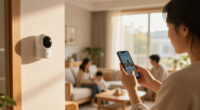
The best sleep tracking alarm clocks pair useful sleep insights with a wake-up routine you can live with every day. My best overall pick is the Hatch Restore 3 for its blend of sleep audio and circadian lighting, while the Philips SmartSleep Wake-Up Light stands out for straightforward sunrise and sunset simulation, and the ONTHEEDGE vibrating wristband suits people who need a quiet, wearable alarm. The main tradeoffs are bedside features versus wearable tracking, app-dependent controls versus simpler operation, and richer routines versus setup effort. Not every product in this roundup offers the same depth of sleep tracking, so I separate actual tracking options from clocks focused mainly on sound and light. Read on for the full breakdown and help matching a clock to your sleep habits.

Get the latest gadgets delivered free — and shop member deals
- Fast, free delivery on millions of items
- Access to Prime Big Deal Days deals on October 6–7
- Prime Video, Amazon Music and more included
Complete the kit



Key Takeaways
Hatch Restore 3 leads for an integrated bedside routine, while the Philips model puts more emphasis on sunrise and sunset lighting than sleep analytics.
Wearable wristbands such as ONTHEEDGE move the alarm to your wrist and can suit light sleepers sharing a room, but they are a different choice from a bedside sound-and-light system.
Many models in this lineup are sound machines and sunrise clocks, not full sleep trackers; buyers should check which sleep data they actually provide before choosing.
App-controlled lighting can add routine customization, as with the Ecozy Lumo Nova, but app reliance may feel like extra work for anyone who wants simple buttons and a basic alarm.
For a lower-complexity bedside setup, the Buffbee, Dreamegg D1 Nova, and Reacher emphasize sound and gentle wake-up features rather than the broader sleep ecosystem of the Hatch options.
| Geuuap Sunrise Alarm Clock with White Noise Machine and Bluetooth Speaker, Khaki |  | Best for App-Free Bedside Versatility | Color: Khaki | Dimensions: 6.5 in W × 6.23 in H | Power: Corded electric | VIEW LATEST PRICE | See Our Full Breakdown |
| ONTHEEDGE Vibrating Alarm Wristband with Pedometer and Sleep Monitor |  | Best for Silent Waking | Display: Digital | Weight: 16 g | Water resistance: 50 m | VIEW LATEST PRICE | See Our Full Breakdown |
| Hatch Restore 3 | Sleep Audio & Circadian Lighting |  | Best for Guided Sleep Routines | Sleep content: Sleep audio | Lighting: Circadian lighting with customizable settings | Clock display: Dimmable | VIEW LATEST PRICE | See Our Full Breakdown |
| Vibrating Alarm Wristband with Step Counter and Sleep Tracking |  | Best for Long Stated Battery Life | Alarm reminders: Up to 2 | Tracking: Daily steps and sleep | Display: Illuminated digital display | VIEW LATEST PRICE | See Our Full Breakdown |
| Dreamegg D1 Nova Sound Machine Alarm Clock for Sleep |  | Best Compact Bedside Sound Alarm | Dimensions: 3.8 × 3.8 × 2.1 in | Weight: 0.5 lb | Sound options: 25: 6 white noise, 2 fan, 8 lullabies, 9 nature | VIEW LATEST PRICE | See Our Full Breakdown |
| Buffbee Alarm Clock with Sound Machine for Bedrooms – 2-in-1 White Noise Machine, Gentle Wake-Up, Ambient Night Light, Plug-in |  | Best for Simple Sleep Support | Sound options: 24 sounds, including birdsong, waves, brook, piano, and beep | Ambient light colors: 7 | Display brightness: 0–100% | VIEW LATEST PRICE | See Our Full Breakdown |
| Ecozy Lumo Nova 3-in-1 Sunrise Alarm Clock, White Noise Machine, and Smart App-Controlled Light |  | Best for App-Based Routines | Functions: Sunrise alarm clock, sound machine, and ambient light | Sound options: 26 sounds | Lighting: 360° RGB lighting, 9 effects, and 8 solid colors | VIEW LATEST PRICE | See Our Full Breakdown |
| Odokee Sunrise Alarm Clock with White Noise Machine and Bluetooth Speaker |  | Best for App-Free Sunrise Waking | Sunrise simulation duration: 5–60 minutes | Sound options: 25 sounds, including white, pink, brown, and blue noise and nature sounds | Speaker power: 5W stereo | VIEW LATEST PRICE | See Our Full Breakdown |
| Philips SmartSleep Wake-Up Light, Sunrise and Sunset Simulation, 5 Natural Sounds, FM Radio, Reading Lamp, Tap Snooze |  | Best for Sunrise-and-Sunset Lighting | Light simulation: Sunrise and sunset | Natural sounds: 5 | Radio: FM | VIEW LATEST PRICE | See Our Full Breakdown |
| Hatch Sleep Clock Bedside Sleep Tracker and Sound Machine, Putty |  | Best for Contactless Sleep Tracking | Color: Putty | Mounting type: Tabletop | Features: Alarm, noise machine, smart light, and contactless sleep tracking | VIEW LATEST PRICE | See Our Full Breakdown |
| Sunrise Alarm Clock with Sound Machine, Gentle Wake-Up Light for Bedroom |  | Best for Sound Variety | Sunrise simulation: 10–60 minutes | Brightness levels: 13 | Volume levels: 32 | VIEW LATEST PRICE | See Our Full Breakdown |
| Reacher Wood Grain Sunrise Alarm Clock and Sound Machine Nightlight |  | Best for Bedroom Ambience | Sunrise brightness: 1%–100% | Sunrise duration: 5–60 minutes | Sound options: 26 sleep sounds, including white noise, ocean waves, rain, and wind | VIEW LATEST PRICE | See Our Full Breakdown |
| sleep tracking alarm clock | Sound options |
|---|---|
| Geuuap Sunrise Alarm Clock wit | 30 soothing sounds |
| ONTHEEDGE Vibrating Alarm Wris | — |
| Hatch Restore 3 | Sleep Audio | — |
| Vibrating Alarm Wristband with | — |
| Dreamegg D1 Nova Sound Machine | 25: 6 white noise, 2 fan, 8 lullabies, 9 nature |
| Buffbee Alarm Clock with Sound | 24 sounds, including birdsong, waves, brook, piano, and beep |
| Ecozy Lumo Nova 3-in-1 Sunrise | 26 sounds |
| Odokee Sunrise Alarm Clock wit | 25 sounds, including white, pink, brown, and blue noise and nature sounds |
| Philips SmartSleep Wake-Up Lig | — |
| Hatch Sleep Clock Bedside Slee | — |
| Sunrise Alarm Clock with Sound | 30: 10 white-noise sounds and 20 nature sounds |
| Reacher Wood Grain Sunrise Ala | 26 sleep sounds, including white noise, ocean waves, rain, and wind |
More Details on Our Top Picks
Geuuap Sunrise Alarm Clock with White Noise Machine and Bluetooth Speaker, Khaki
The Geuuap is a strong fit for buyers who want a sunrise light, sound machine, and Bluetooth speaker without adding an app or Wi-Fi setup. Its gradual light can make waking feel less abrupt, while 30 sound options and an auto-off timer cover common bedtime listening needs. Compared with the Dreamegg D1 Nova, it adds Bluetooth playback and more listed light modes, giving it broader bedside use; Dreamegg is the smaller, more travel-friendly choice. The tradeoff is that the Geuuap is still a plug-in clock, and it lacks the sleep tracking that defines a true sleep-tracking alarm. Its lack of Wi-Fi also limits smart-home control, and the product advises using its included adapter to avoid damage.
Pros:- Gradually brightening sunrise alarm offers a gentler alternative to a sudden alarm
- 30 soothing sounds and a 10–480-minute timer support bedtime listening
- Bluetooth 5.3 enables playback from a phone without relying on built-in audio alone
- Dual alarms and 17 light modes provide useful household and routine flexibility
Cons:- Does not provide sleep tracking or sleep-stage insights
- No Wi-Fi means limited smart-home integration
- Requires the specified included adapter and continuous corded power
Best for: Sleepers who want a simple, app-free sunrise alarm with varied sound options and Bluetooth audio at home
Not ideal for: Buyers seeking sleep-stage data, smart-home integration, or a rechargeable clock for travel
- Color:Khaki
- Dimensions:6.5 in W × 6.23 in H
- Power:Corded electric
- Connectivity:Bluetooth 5.3, USB-C
- Sound options:30 soothing sounds
- Light modes:17 customizable modes: 8 static and 9 RGB
- Alarms:Two independent alarms; unlimited snooze
- Auto-off timer:10–480 minutes
Our verdict“Choose the Geuuap if you want a flexible sunrise-and-sound bedside clock, but not if sleep tracking is your main requirement.”
ONTHEEDGE Vibrating Alarm Wristband with Pedometer and Sleep Monitor
Unlike the bedside-focused Hatch Restore 3, this ONTHEEDGE wristband puts the alarm on your body, so a vibration can wake you without filling a shared room with sound. Its sleep monitoring and pedometer add basic activity context, while the digital display, stopwatch, and calendar make it more than a single-purpose alarm. That makes it a practical option for partners with different schedules or sleepers who do not want audio alarms. The tradeoff is that the supplied details do not explain how sleep is measured or how tracking results are presented, so buyers should not expect the routine-building light and audio experience offered by Hatch. Battery life is also unspecified, which makes charging needs harder to predict.
Pros:- Vibration alarm can wake the wearer without disturbing a partner
- Includes both sleep monitoring and a pedometer
- 50 m water resistance is specified
- USB charging and a luminous digital display support everyday use
Cons:- Battery life is not specified
- Sleep-tracking methods and reporting details are not provided
- Provides no bedside light or sound-machine features
Best for: People sharing a bedroom who need a discreet vibrating wake-up and want basic sleep and step tracking on a wearable
Not ideal for: Buyers who want a bedside sunrise light, detailed sleep reports, or clear battery-life expectations
- Display:Digital
- Weight:16 g
- Water resistance:50 m
- Battery capacity:50 mAh
- Charging:USB
- Tracking:Sleep monitoring and pedometer
- Case and strap:ABS case; silicone strap
- Additional functions:Stopwatch, calendar, luminous display
Our verdict“Pick this wristband for discreet wearable waking and basic tracking, rather than a light- and audio-centered bedside routine.”
Hatch Restore 3 | Sleep Audio & Circadian Lighting
The Hatch Restore 3 is the most routine-focused pick here: circadian lighting and customizable sleep audio are designed to shape both bedtime and waking, rather than simply sound an alarm. A dimmable clock can also reduce unwanted brightness at night. Compared with the Geuuap Sunrise Alarm Clock, Hatch emphasizes curated sleep content and a guided environment, while Geuuap supplies a stated selection of 30 sounds and Bluetooth playback without app setup. That distinction matters: Hatch suits someone willing to use its connected content experience, but its premium library requires a subscription after the 30-day trial. The supplied details do not specify sleep-stage tracking, device compatibility, or a full feature breakdown, so I would not choose it for data-led sleep analysis or a clearly defined, subscription-free sound library.
Pros:- Pairs adjustable circadian lighting with sleep audio for a routine-based approach
- Dimmable clock can keep nighttime display light subdued
- Customizable settings allow a more tailored sleep environment
- Includes a 30-day trial of premium content
Cons:- Full access to premium content requires a subscription after the trial
- The supplied information does not confirm sleep-stage tracking
- Device compatibility details are limited
Best for: Sleepers who want customizable audio and circadian lighting to support a consistent bedtime and wake routine
Not ideal for: Buyers who want sleep-stage tracking, subscription-free access to all content, or clearly documented compatibility
- Sleep content:Sleep audio
- Lighting:Circadian lighting with customizable settings
- Clock display:Dimmable
- Sleep environment:Customizable light and audio
- Premium content trial:30 days
- Subscription:Required for full premium-content access after the trial
Our verdict“Choose Hatch Restore 3 for a content-led lighting and audio routine, not for a clearly specified sleep-tracking system.”
Vibrating Alarm Wristband with Step Counter and Sleep Tracking
This wristband makes the strongest case for low-maintenance wearable waking: it offers silent vibration alarms, up to two reminders, and a stated battery life of up to 30 days, depending on use. That projected runtime sets it apart from the ONTHEEDGE wristband, whose battery life is not specified, and can mean fewer charging interruptions for someone who wears an alarm nightly. Step counting and sleep tracking add basic monitoring, though the product details do not explain the tracking method or show how results are reviewed. Unlike the Hatch Restore 3, it does not create a bedside light-and-audio routine; its value is keeping the wake-up private and on-wrist. The water resistance is described without a rating, so I would not treat it as suitable for swimming based on the available information.
Pros:- Silent vibration alarms avoid disturbing people nearby
- Supports up to two alarm reminders
- Lists daily step and sleep tracking
- Direct USB charging and a stated runtime of up to 30 days, depending on use
Cons:- Actual battery life depends on alarm frequency and screen use
- Water resistance has no rating specified
- Sleep-tracking detail and data presentation are not described
Best for: Wearers who need a private vibration alarm, simple activity tracking, and fewer expected charging sessions
Not ideal for: People who need a rated water-resistance level, detailed sleep analytics, or a bedside light and sound routine
- Alarm reminders:Up to 2
- Tracking:Daily steps and sleep
- Display:Illuminated digital display
- Charging:Direct USB
- Battery life:Up to 30 days, depending on use
- Water resistance:Water resistant; rating not specified
- Clasp:Buckle
Our verdict“Choose this band over ONTHEEDGE if the stated long runtime matters more than a specified water-resistance rating.”
Dreamegg D1 Nova Sound Machine Alarm Clock for Sleep
At 3.8 inches square and 0.5 pounds, the Dreamegg D1 Nova is the compact pick for a bedside table, dorm room, or packed bag. Its 25 sounds, five-level brightness adjustment, and seven gentle alarm sounds make it a more space-conscious alternative to the Geuuap Sunrise Alarm Clock, which adds Bluetooth and a larger set of listed light modes. Dreamegg counters with specific sound categories, adjustable alarm volume, and a small footprint. Neither model supplies sleep tracking, though, so the D1 Nova is best treated as a sound-and-alarm companion rather than a sleep monitor. Its USB-C connection is for continuous power: it is not rechargeable and has no battery backup, limiting flexibility when outlets are inconvenient.
Pros:- Compact 3.8-inch footprint suits crowded bedside tables
- 25 sounds span white noise, fan, lullaby, and nature categories
- Seven gentle alarm sounds and adjustable volume allow a less abrupt wake-up
- Ten-color night light offers five brightness levels
Cons:- Requires continuous USB-C power and is not rechargeable
- No built-in battery backup
- Does not provide sleep tracking or Bluetooth connectivity
Best for: Dorm residents, travelers with access to USB-C power, and anyone seeking a compact sound machine with a gentle alarm
Not ideal for: Buyers who need sleep tracking, cordless operation, battery backup, or Bluetooth audio
- Dimensions:3.8 × 3.8 × 2.1 in
- Weight:0.5 lb
- Sound options:25: 6 white noise, 2 fan, 8 lullabies, 9 nature
- Night light:10 colors with 5 brightness levels
- Alarm sounds:7 gentle wake-up sounds
- Alarm volume:V01 to V32
- Timer and snooze:10–480-minute timer; 9-minute snooze
- Power:USB-C plug-in; not rechargeable
Our verdict“Choose the D1 Nova for compact sound, lighting, and alarm functions, but skip it if you need tracking or cordless reliability.”
Buffbee Alarm Clock with Sound Machine for Bedrooms – 2-in-1 White Noise Machine, Gentle Wake-Up, Ambient Night Light, Plug-in
The Buffbee makes the most sense for someone who wants a calmer bedroom routine without app setup or extensive features. Its 24 sound options, adjustable ambient light, and gradual alarm combine basic sleep support and waking in one plug-in device. Compared with the Odokee Sunrise Alarm Clock, it puts more emphasis on sound masking and a gentle alarm than on a timed sunrise simulation, Bluetooth streaming, or several wake-up modes. That simpler approach may suit a bedside routine built around steady background sound, but it does not track sleep or offer personalized sleep insights. The tradeoff is flexibility: you need an outlet, and its bedroom-focused design is less useful as a portable or multipurpose speaker. I’d choose it for straightforward sound and light, not sleep data.
Pros:- 24 sound choices give sleepers options for masking distracting bedroom noise
- Gradual alarm offers a gentler alternative to an abrupt wake-up sound
- Seven light colors and adjustable brightness support a customizable bedtime setting
- Combines a sound machine, alarm, and ambient light in one bedside device
Cons:- Does not provide sleep tracking or personalized sleep insights
- Requires a plug-in power source, limiting placement and portability
- Does not offer the sunrise simulation and multiple wake-up modes listed for the Odokee
Best for: People who want a simple, plug-in bedside sound machine with a gentle alarm and adjustable night light, but do not need sleep tracking or app controls
Not ideal for: Buyers who want contactless sleep insights, a sunrise simulation, Bluetooth audio, or a device they can use away from an outlet
- Sound options:24 sounds, including birdsong, waves, brook, piano, and beep
- Ambient light colors:7
- Display brightness:0–100%
- Power source:Plug-in
- Alarm:Gradual, gentle wake-up
- Device functions:Alarm clock, sound machine, and ambient night light
Our verdict“Choose the Buffbee if you want uncomplicated sound masking, soft light, and a gentle alarm rather than actual sleep tracking.”
Ecozy Lumo Nova 3-in-1 Sunrise Alarm Clock, White Noise Machine, and Smart App-Controlled Light
The Ecozy Lumo Nova is the most configurable option here for someone who wants to manage bedtime and wake-up settings from a phone. Its app handles routines, alarms, timers, sounds, and lighting, while Wi-Fi time synchronization removes the need to keep the clock manually aligned. Compared with the Philips SmartSleep Wake-Up Light, Ecozy adds app-based control, Bluetooth audio, and more ambient-light effects; Philips instead includes FM radio and a reading lamp. The Ecozy’s sunrise alarm and 26 sounds make it a flexible sleep companion, but its listed features do not include sleep tracking or personal sleep insights. Connectivity also imposes a practical limit: it supports 2.4 GHz Wi-Fi, not 5 GHz, so buyers should check their network before choosing it.
Pros:- App control brings alarms, timers, sounds, and lighting into one routine-setting interface
- Sunrise simulation offers a gradual light-based wake-up
- 26 sounds provide a broad selection for bedtime listening or sound masking
- Bluetooth audio and Wi-Fi time synchronization add functions beyond a basic alarm clock
Cons:- Does not support 5 GHz Wi-Fi
- App and network dependence may be less appealing than the Odokee’s physical-button controls
- The listed features do not include sleep tracking or personalized sleep data
Best for: Phone-first sleepers who want to set lighting, sounds, timers, and alarms as coordinated bedroom routines
Not ideal for: Buyers whose Wi-Fi setup is 5 GHz only, or anyone seeking sleep tracking rather than a connected alarm and light
- Functions:Sunrise alarm clock, sound machine, and ambient light
- Sound options:26 sounds
- Lighting:360° RGB lighting, 9 effects, and 8 solid colors
- Alarm sounds:7 classic sounds
- Connectivity:Smart app control, Bluetooth audio, and 2.4 GHz Wi-Fi
- Wi-Fi compatibility:2.4 GHz only; 5 GHz not supported
- Time synchronization:Automatic via Wi-Fi
Our verdict“Pick the Ecozy if app-managed routines and customizable light matter more to you than sleep tracking or fully offline controls.”
Odokee Sunrise Alarm Clock with White Noise Machine and Bluetooth Speaker
The Odokee suits buyers who want a sunrise alarm they can adjust directly on the device, without relying on a phone app. Its 5–60-minute sunrise simulation, three wake-up modes, and fully dimmable display give it more hands-on wake-up flexibility than the Buffbee Alarm Clock, which focuses more on sound masking and a gentle alarm. Odokee also includes white, pink, brown, and blue noise alongside nature sounds, plus Bluetooth streaming for podcasts or music. That makes it a stronger pick for varied bedtime audio, though its 5W speaker is better suited to bedside listening than filling a large room. It does not offer app-based scheduling or listed sleep tracking, so I’d choose it for physical controls and a customizable light wake-up—not for sleep analytics.
Pros:- Sunrise duration can be set from 5 to 60 minutes to suit different wake-up preferences
- Three wake-up modes let buyers choose light, sound, or both
- Multiple noise colors and nature sounds support different listening preferences
- Physical buttons and dials allow operation without a smartphone app
Cons:- Does not list sleep tracking or personalized sleep insights
- No app-based scheduling or smart-home integration is specified
- The 5W stereo speaker may not fill a large room with sound
Best for: Sleepers who want a configurable sunrise alarm, varied noise options, and direct physical controls instead of app-dependent setup
Not ideal for: People who need contactless sleep tracking, app-based scheduling, smart-home integration, or a speaker for a large room
- Sunrise simulation duration:5–60 minutes
- Sound options:25 sounds, including white, pink, brown, and blue noise and nature sounds
- Speaker power:5W stereo
- Connectivity:Bluetooth
- Display brightness:0–100% dimmable
- Night light colors:12
- Wake-up modes:3: light and sound, alarm only, or light only
- Control method:Physical buttons and dials; no app required
Our verdict“Choose the Odokee if you want a hands-on sunrise alarm with versatile sounds and no app requirement, rather than a sleep-tracking device.”
Philips SmartSleep Wake-Up Light, Sunrise and Sunset Simulation, 5 Natural Sounds, FM Radio, Reading Lamp, Tap Snooze
The Philips SmartSleep is a lighting-first bedside alarm for people who want both a gradual morning wake-up and a sunset-style wind-down. That sunrise-and-sunset pairing sets it apart from the Odokee, which offers a configurable sunrise and more sound choices but does not list sunset simulation or a reading lamp. Philips adds FM radio, five natural sounds, tap snooze, and a reading light with 20 brightness levels, giving it a broader bedside role than a simple alarm. However, the available description does not specify sleep tracking, app control, or a sound library as extensive as the Hatch Sleep Clock. Its feature set may also take more setup than a basic clock, and it needs a power source rather than offering portable use.
Pros:- Sunrise and sunset simulations support both morning waking and an evening wind-down
- Reading lamp offers 20 brightness levels for adjustable bedside illumination
- FM radio and five natural sounds provide more than one alarm-listening option
- Tap snooze adds a straightforward way to delay the alarm
Cons:- Sleep tracking and personalized sleep insights are not listed
- Feature-rich setup may feel less straightforward than the physical controls on the Odokee
- Requires a power source and is not portable
Best for: People who want a dedicated bedside light for gradual sunrise waking, sunset wind-down, and adjustable reading illumination
Not ideal for: Buyers who prioritize sleep tracking, app-based personalization, portability, or a large selection of sleep sounds
- Light simulation:Sunrise and sunset
- Natural sounds:5
- Radio:FM
- Reading lamp brightness:20 levels
- Snooze control:Tap snooze
- Item shape:Round
Our verdict“Pick the Philips if sunrise-and-sunset lighting and a built-in reading lamp matter more than sleep data or app-based controls.”
Hatch Sleep Clock Bedside Sleep Tracker and Sound Machine, Putty
The Hatch Sleep Clock is the only product in this group described as tracking sleep without a wearable: its sensors detect movement and breathing, then provide personalized insights and suggestions. That gives it a closer fit to a sleep-tracking alarm clock than the Buffbee, Odokee, Ecozy, or Philips, whose listed strengths center on sound, light, and wake-up features. It also combines a smart light, reminders, a sunrise alarm, and a library of 2,500+ audio options in a tabletop device. The tradeoff is reliance on its app and connectivity: Bluetooth is needed for setup, and ongoing use requires 2.4 GHz Wi-Fi. Some content also sits behind Hatch+, which moves to a paid subscription after the included trial. Buyers should treat the stated tracking accuracy as a product claim, not an independently verified result.
Pros:- Tracks sleep contactlessly using sensors described as detecting movement and breathing
- Personalized insights and suggestions extend beyond the light and sound features of the other listed clocks
- Combines a sunrise alarm, smart light, sound machine, and bedtime reminders
- Large audio library offers many options for sleep and relaxation
Cons:- Requires 2.4 GHz Wi-Fi for ongoing use
- Hatch+ content requires a paid subscription after the 30-day trial
- App-based controls may not suit buyers who prefer the Odokee’s physical buttons and dials
Best for: Sleepers who want wearable-free movement and breathing detection alongside bedtime audio, reminders, and a sunrise alarm
Not ideal for: People without reliable 2.4 GHz Wi-Fi, buyers who prefer physical controls, or anyone unwilling to pay for continued Hatch+ access to subscription content
- Color:Putty
- Mounting type:Tabletop
- Features:Alarm, noise machine, smart light, and contactless sleep tracking
- Controls:App
- Connectivity:Bluetooth for setup; 2.4 GHz Wi-Fi for ongoing use
- Power source:Corded electric
- Audio library:2,500+ sounds and audio options
- Hatch+ trial:30 days
Our verdict“Choose the Hatch if wearable-free sleep tracking and personalized insights are your priority and you accept its Wi-Fi and subscription requirements.”
Sunrise Alarm Clock with Sound Machine, Gentle Wake-Up Light for Bedroom
This model earns its place for buyers who want to tailor both their wake-up light and bedtime audio without adding a phone or separate sound machine. Its 10–60-minute sunrise gives more lead-time flexibility than the Reacher Wood Grain Sunrise Alarm Clock, while 30 built-in sounds provide a broader selection than Reacher’s 26. The 480-minute sleep timer also suits people who want audio to continue through a long wind-down or most of the night. Adjustable brightness, volume, and display dimming help adapt it to different bedrooms. The tradeoff is that this is a light-and-sound alarm, not a sleep tracker: the listed features do not include sleep-stage monitoring or app insights. Its control layout may also take time to learn, so it suits feature-seekers better than anyone wanting the simplest bedside setup.
Pros:- 30 sound options offer more variety than the Reacher Wood Grain model’s 26.
- Sleep timer runs up to 480 minutes for extended bedtime audio.
- Sunrise duration, brightness, and volume can be adjusted to suit different routines and rooms.
- Compact bedside design includes backlit buttons and a snooze function.
Cons:- No sleep-tracking data or app features are listed.
- Control layout may be confusing until users learn the functions.
Best for: Light sleepers who want a wide choice of ambient sounds, a long audio timer, and a customizable gradual-light alarm without relying on an app.
Not ideal for: Buyers seeking sleep-stage tracking, app-based sleep reports, or especially simple controls; the listed features focus on wake-up light and audio, and the button layout may take practice.
- Sunrise simulation:10–60 minutes
- Brightness levels:13
- Volume levels:32
- Sound options:30: 10 white-noise sounds and 20 nature sounds
- Sleep timer:30–480 minutes
- Display dimmer:5 levels
- Alarm features:Snooze function
- Button lighting:Backlit buttons
Our verdict“Choose this clock if sound choice and a long sleep timer matter more than sleep tracking or app controls.”
Reacher Wood Grain Sunrise Alarm Clock and Sound Machine Nightlight
The Reacher is the more decor-conscious choice in this pair: its wood-grain finish and eight-color nightlight make it feel like a bedside light as well as an alarm. Sunrise brightness adjusts from 1% to 100% over 5–60 minutes, giving early risers a gradual wake-up option and a shorter ramp than the Sunrise Alarm Clock with Sound Machine allows. Reacher also lists a built-in battery, a practical distinction for buyers concerned about keeping the clock powered during an outage. Its 26 sleep sounds cover common options such as rain and ocean waves, but the timer ends at 180 minutes—shorter than the other model’s 480 minutes. Neither product lists sleep-stage tracking, so this is best viewed as a light-and-sound routine aid, not a data-driven sleep device.
Pros:- Wood-grain styling and eight nightlight colors offer more bedside ambience choices.
- Sunrise brightness adjusts from 1% to 100% over a 5–60-minute period.
- Built-in battery is listed for backup during power outages.
- 26 sleep sounds include white noise and nature options such as rain and ocean waves.
Cons:- The 5–180-minute timer is shorter than the other reviewed clock’s maximum 480 minutes.
- No sleep-tracking reports or smartphone app are listed.
- Sound volume levels are not specified, making control range harder to judge.
Best for: Bedroom decorators and light-sensitive sleepers who want a wood-look alarm, a customizable colored nightlight, and a listed backup battery.
Not ideal for: People who want audio to run for most of the night, detailed sleep tracking, or clearly specified sound-volume controls; its timer is limited to 180 minutes and volume details are not provided.
- Sunrise brightness:1%–100%
- Sunrise duration:5–60 minutes
- Sound options:26 sleep sounds, including white noise, ocean waves, rain, and wind
- Timer:5–180 minutes
- Nightlight colors:8, with adjustable brightness
- Display:Dimmable
- Power:Built-in battery
Our verdict“Pick the Reacher if bedside style, colored nightlight options, and listed battery backup outweigh the need for a longer sound timer or sleep data.”

How We Picked
I compared these 12 products by how well they meet the combined promise of a sleep tracking alarm clock: helping users understand or support sleep, then waking them in a practical way. I gave more weight to the clarity and usefulness of sleep-related features, alarm flexibility, wake-up comfort, sound options, ease of daily operation, and whether the product depends on an app or subscription-style ecosystem. Build and bedside fit also matter: a clock should be easy to use in a dark room, suit the available space, and avoid adding friction to a bedtime routine.
The ranking favors products that bring together meaningful sleep support and a dependable wake-up experience, which places the Hatch Restore 3 at the top. Products with strong sunrise lighting, sound, or wearable alarms earn distinct roles, but they rank below when sleep insights are limited or the product solves only one part of the job. Several clocks in the list focus on sound and gentle light rather than tracking; I treat that difference as a real limitation, not as equivalent sleep monitoring. I also account for buyer fit, since a simple clock can be a better choice than a feature-rich system for someone who wants minimal setup.
Factors to Consider When Choosing Best Sleep Tracking Alarm Clocks
Before choosing a model, I would separate sleep tracking from sleep-friendly features. A sunrise lamp, white-noise machine, and bedtime audio can support a routine, but those features do not automatically mean the clock records sleep. The right pick depends on what you want to learn, how you prefer to wake, and how much setup you are willing to maintain.
Decide Whether You Need Sleep Data or a Better Routine
Start by naming the problem you want the device to solve. If you want trends such as sleep duration or movement, confirm that the product records those metrics and explains them in a useful way. A sound machine or sunrise light may help create a calmer bedtime and wake-up, yet still provide little or no sleep tracking. A common mistake is buying a device based on the word “sleep” in its description and assuming it produces detailed sleep reports. If your main goal is behavior change, routine tools may matter more than charts. If you are monitoring a persistent sleep concern, treat consumer tracking as general information rather than a diagnosis.
Choose a Wake-Up Method That Fits Your Household
Light-based alarms wake by gradually brightening the room, while sound alarms rely on audio and wristbands use vibration. Each method has a different effect on a partner, roommates, and anyone who sleeps through quieter cues. A bedside light may be pleasant but can be less useful if the room is already bright at dawn or if you sleep facing away from it. A vibrating wearable can reduce noise, though it requires wearing and charging another device. Check whether the alarm offers backup sound or another fallback if the preferred cue does not wake you. The most elaborate wake-up routine is not automatically the most reliable one for your sleep setting.
Check App, Account, and Subscription Dependence
Some clocks offer more control through a phone app, while others are meant to be adjusted from the bedside. Before buying, check what works without a phone nearby and whether sleep reports, audio, or custom routines require an account or ongoing service. App control can be helpful for setting schedules and changing lighting, but it also introduces software updates, permissions, and another device to manage. If you prefer to keep phones out of the bedroom, prioritize physical controls and a clear display. Also check whether the clock retains alarms after a Wi-Fi outage or power interruption. These details affect everyday reliability more than an extra sound option.
Treat Sleep Metrics as Estimates, Not Medical Measurements
Consumer devices infer sleep from signals such as movement, heart rate, or time spent inactive; the exact method varies by device. Different products may label sleep stages differently, so their numbers are not always comparable. Look for consistent trends over time rather than reacting to a single night’s score. A tracker that makes you anxious or encourages constant checking may work against the restful routine you want. If you have ongoing insomnia, loud snoring, breathing pauses, or severe daytime fatigue, a clock cannot replace professional guidance. Choose tracking only if the information is likely to support useful decisions for you.
Match Sound and Light Features to Your Room
Room conditions can change how useful a clock feels: blackout curtains may make sunrise simulation more noticeable, while a bright bedroom may blunt its effect. If you share a room, check whether the display and night light can dim enough to avoid disturbing someone else. For audio, focus on whether the available sounds suit your needs and whether volume adjustments are easy to reach at bedtime. Bluetooth playback can add flexibility, but it is not a substitute for the sleep content or tracking you expect. Consider bedside space, outlet placement, and whether cables will be easy to keep clear. A modest feature set that fits the room can serve better than a larger system with controls you rarely use.
Pay More for Useful Integration, Not a Longer Feature List
A higher-feature system may be worthwhile when its lighting, audio, scheduling, and sleep information work together in a routine you will actually follow. Paying extra for multiple sounds or color modes has less value if you plan to use one fixed alarm and a phone for everything else. At the other end, a basic sound machine clock can be a sensible choice when you mainly need a gentle alarm and background noise. Compare the ongoing costs and maintenance too, including app access, charging, cleaning, and replacement parts. Avoid treating a greater number of functions as proof of better tracking. Spend on the feature that addresses your specific sleep or wake-up friction.
Frequently Asked Questions
Do all of these clocks actually track sleep?
No. The lineup includes devices with sleep-monitoring claims, such as the Hatch Sleep Clock and wearable wristbands, alongside clocks focused on sunrise lighting, alarms, and sound masking. Those bedside features can support sleep habits, but they do not necessarily measure sleep. I recommend checking the product’s stated tracking method and what information it reports before purchase. If sleep data is your main reason for buying, do not treat “sleep sound machine” or “gentle wake-up” as proof of tracking.
Should I choose a wearable alarm or a bedside sunrise clock?
Choose a wearable if you need a quieter alarm, share a room, or want the device worn on your body for its monitoring features. A sunrise clock makes more sense when light-based waking, bedside audio, or a combined nightstand routine matters most. Wearables bring charging and comfort questions, while bedside lights need enough space and work best when their brightness suits the room. Think about what happens on nights you forget to wear or charge the band. Your preferred wake-up cue should decide between the formats, not the assumption that one tracks sleep better in every situation.
Can a sleep tracking alarm clock replace a sleep study?
No. Consumer clocks and wristbands can offer general patterns, but they are not a substitute for clinical testing or medical advice. Their estimates may be affected by movement, fit, room conditions, and the device’s measurement method. Use the data as a prompt to notice habits, such as irregular bedtimes, rather than as a diagnosis. If you have persistent sleep problems, breathing concerns, or substantial daytime sleepiness, discuss them with a healthcare professional. A reassuring or concerning app result should not be the only basis for a health decision.
Is an app-controlled clock worth choosing if I want a simple bedtime routine?
It can be worthwhile if you expect to adjust routines, lighting, or audio from your phone and are comfortable with app setup. It may be less appealing if you want to keep your phone out of the bedroom or prefer controls that are easy to use without opening an app. Check which functions remain available through buttons, and whether schedules still work if the connection drops. Also look for any account or paid-service requirements tied to features you care about. A simpler clock may support better habits if technology itself tends to distract you at night.
What should I prioritize if I share a bedroom with a light sleeper?
Prioritize an alarm that can wake you without filling the room with sound or bright light. A vibrating wristband is one possible fit, while a bedside sunrise clock may work if its light can be aimed or dimmed so it does not disturb your partner. Check whether vibration strength, alarm backup, and display brightness can be adjusted to your needs. White noise may mask outside sounds, but it can also bother someone who prefers a quiet room. Discuss the wake-up method with your partner before choosing a device that changes the shared sleep environment.
Conclusion
For most buyers seeking a connected bedside routine, I recommend the Hatch Restore 3 as best overall, while the Ecozy Lumo Nova is the better fit for someone who specifically wants app-controlled lighting and sound in one device. For best value, I would start with the Buffbee if sound and a gentle wake-up matter more than advanced sleep reports. The Philips SmartSleep Wake-Up Light is my best choice for beginners who want a familiar sunrise-and-sunset approach without making sleep analytics the focus. Choose the ONTHEEDGE wristband for a quieter, wearable alarm, or the Dreamegg D1 Nova or Reacher when a straightforward bedside sound machine is the priority. If detailed sleep data is your deciding factor, verify exactly what a model tracks before buying; several clocks here support sleep routines more than they monitor sleep.
Halloween Picks
halloween
As an affiliate, we earn on qualifying purchases.