
Sensor size isn’t the only factor that determines your mirrorless camera’s performance. While larger sensors can improve low-light capability and create a shallow depth of field, many other features like lens quality, autofocus systems, and system compatibility are just as vital. Smaller sensors can still deliver great images if paired with good lenses and solid features. To find the best fit, consider your style and needs—you’ll discover more about how system choices impact your photography.

Get the latest gadgets delivered free — and shop member deals
- Fast, free delivery on millions of items
- Access to Prime Big Deal Days deals on October 6–7
- Prime Video, Amazon Music and more included
Key Takeaways
- Sensor size impacts image quality but is less critical than lens quality, autofocus, and system features for overall results.
- Smaller sensors can still produce professional-quality images with proper technique and good lenses.
- System compatibility, lens options, and ergonomics often matter more than sensor size alone.
- Larger sensors offer shallow depth of field and better low-light performance but come with increased size and cost.
- Prioritizing your photography style and needs helps more than focusing solely on sensor size when choosing a mirrorless camera.
mirrorless camera with good autofocus
As an affiliate, we earn on qualifying purchases.
As an affiliate, we earn on qualifying purchases.
What Is Mirrorless Camera Sensor Size and Why Does It Matter?
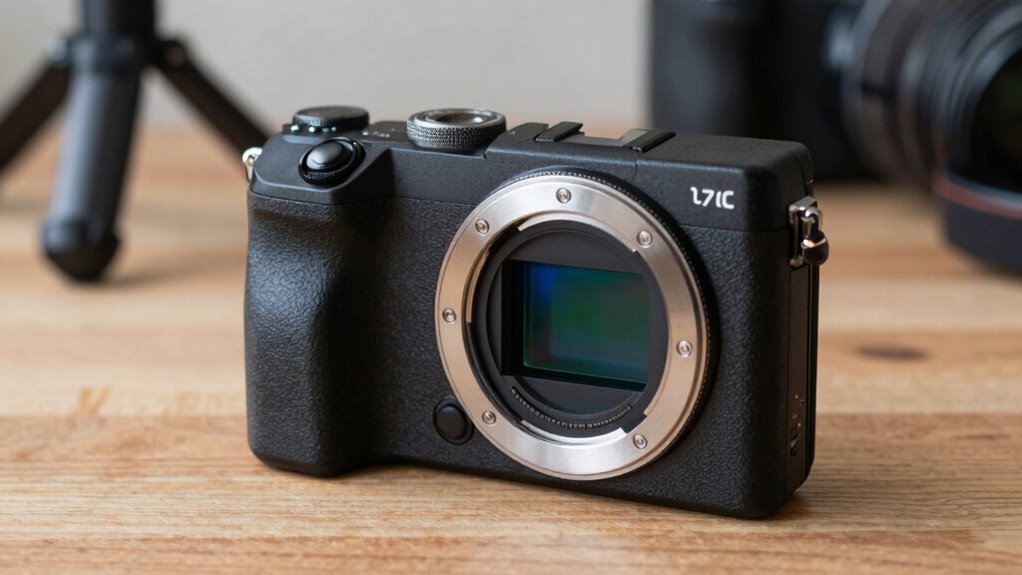
Understanding the sensor size in a mirrorless camera is essential because it directly impacts image quality. Larger sensors capture more light, which results in sharper, clearer images with better detail. When you choose a camera with a bigger sensor, you’ll notice improved color accuracy and reduced noise, especially in low-light conditions. Sensor size also influences how much of the scene you can fit into the frame and how much background blur you achieve. Smaller sensors are more compact and affordable but may compromise on overall image quality. Additionally, sensor size affects the depth of field and creative control you have over your photographs. For example, a larger sensor enables more creative flexibility in your photography style. Understanding how sensor size impacts image sharpness can help you make a more informed decision when selecting a camera. Ultimately, knowing the sensor size helps you select a camera that meets your needs, whether for professional photography or casual shooting. In short, sensor size plays a pivotal role in determining the quality of your photos.
How Sensor Size Impacts Image Quality and Depth of Field
Sensor size directly influences both the quality of your images and the depth of field you can achieve. Larger sensors offer sensor advantages like better low-light performance, greater dynamic range, and improved detail. These benefits help you capture clearer, more vibrant photos. Additionally, sensor size affects depth control; bigger sensors allow you to create a shallower depth of field, making subjects stand out from the background with pleasing bokeh. Smaller sensors tend to produce images with more depth, which can be useful for landscape shots. While larger sensors provide these advantages, it’s essential to remember that other factors like lens quality and shooting techniques also impact your image quality. Ultimately, understanding how sensor size influences these aspects helps you make smarter choices based on your photography style. Understanding sensor size can help you select the right camera for your needs.
Essential Features Beyond Sensor Size: Autofocus, Lenses, and More

While sensor size is essential, other features like autofocus systems, lens options, and image stabilization play a crucial role in determining your camera’s overall performance. These features impact how easily you capture sharp, well-focused images in different situations. For example:
Beyond sensor size, autofocus, lens choice, and stabilization are key to capturing sharp, high-quality images.
- Autofocus systems with eye or subject tracking improve accuracy and speed, especially for moving subjects.
- Lens selection affects versatility; a good range of lenses lets you shoot everything from landscapes to portraits.
- Megapixel importance is often overstated; focus on camera ergonomics for comfort during long shoots and reliable handling.
- Battery capacity also influences how long you can shoot, especially when using power-intensive features like continuous autofocus or stabilization.
- Additionally, understanding the sensor size can help you choose a camera that balances image quality and portability, even if it is less critical than other features.
Together, these elements ensure your camera is more than just a sensor—they make your experience more intuitive and enjoyable while delivering high-quality results.
Full Frame vs. APS-C vs. Micro Four Thirds: Which Sensor Size Fits You?

Choosing the right sensor size depends on your photography needs and shooting style. Full frame sensors offer excellent image quality, better low-light performance, and greater sensor durability, making them ideal for professional work. However, they tend to be heavier and bulkier, which might affect portability. APS-C sensors strike a balance between size and quality, providing good image resolution with lighter weight considerations, perfect for travel and everyday shooting. Micro Four Thirds sensors are smaller, resulting in even lighter gear, but may sacrifice some low-light performance and depth of field control. Your choice should reflect your priorities: if you value compactness and lighter weight, go for Micro Four Thirds; if you need top image quality and durability, full frame is better.
Choosing the Right Mirrorless Camera Based on Your Photography Style
Your photography style plays a crucial role in selecting the right mirrorless camera because different styles demand different features and capabilities. Don’t fall for sensor size myths that suggest bigger sensors are always better; instead, focus on what suits your needs. Consider these points:
- Portrait and studio shooters may prefer cameras with excellent ergonomics and fast autofocus, often found in larger sensor models, but smaller sensors can still deliver stunning portraits. Additionally, advancements in sensor technology continue to improve image quality across various sensor sizes, making smaller sensors a viable option for many professionals.
- Travel or street photographers benefit from lightweight, compact cameras with good image quality and portability, regardless of sensor size.
- Videographers should prioritize features like in-body stabilization and video capabilities over sensor size myths, which often distract from camera ergonomics that enhance usability. Additionally, understanding sensor size benefits can help you make more informed choices about camera performance.
- Remember that sensor size alone doesn’t determine image quality; factors like lens quality and sensor technology are equally important. Incorporating indigenous wellness practices into your routine can help maintain focus and reduce stress while making these decisions.
Choosing based on your style ensures your camera will serve your creative needs best.
Myths About Large Sensors: When Bigger Isn’t Always Better
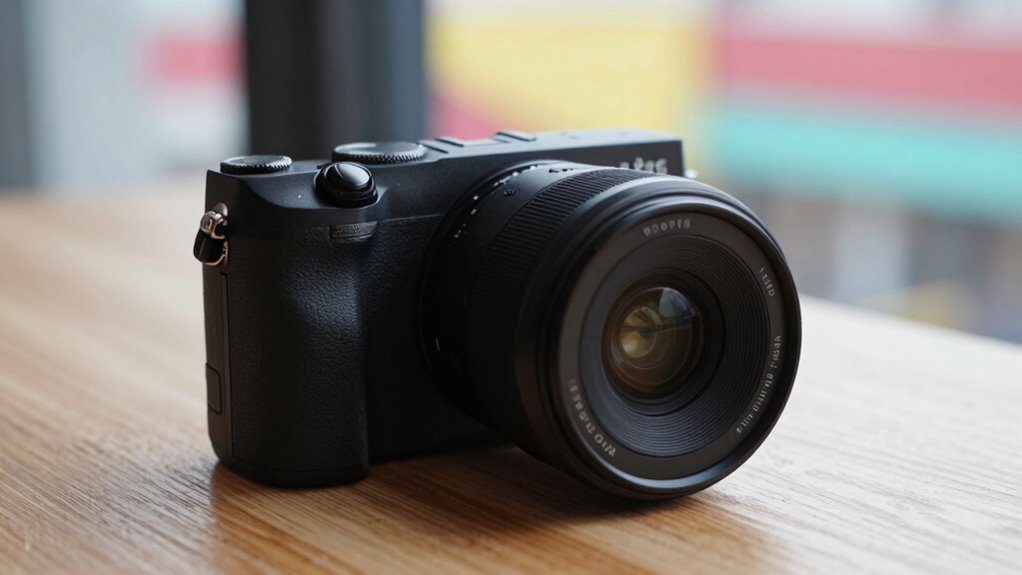
Many believe that a larger sensor always means better image quality, but that’s not the full story. Bigger sensors have their limits and can introduce issues like higher noise levels or increased camera size. Understanding these AI trends helps you choose the right camera for your needs, rather than just the biggest sensor available. Additionally, factors such as piercing care and hygiene can impact overall camera maintenance and longevity, emphasizing the importance of understanding the full context beyond sensor size. Recognizing lens compatibility and quality is also key to maximizing your camera’s performance and ensuring you make an informed purchase. Moreover, considering urban pursuits and cultural activities can guide you toward a camera that suits your specific environment and creative interests. Being aware of ear wax odor or other unexpected factors can also remind you to keep your equipment clean and functional for optimal results.
Sensor Size Isn’t Everything
Is bigger always better when it comes to camera sensors? Not necessarily. Many believe larger sensors automatically produce better images, but sensor size myths often exaggerate their benefits. Larger sensors do excel in low-light conditions and produce shallower depth of field, but they also have limitations. Here are three reasons to reconsider size as the main factor:
- Compact sensors can still deliver stunning images with good lenses and processing. Sensor versatility plays a key role in how well a camera performs across various shooting scenarios.
- Smaller sensors often have faster autofocus and better video features. This can be particularly advantageous for capturing fleeting moments or high-quality video recording.
- Larger sensors come with higher costs and bulkier gear, limiting portability. The system integration and overall design are crucial for optimal performance and user convenience.
- Vetted – Two Green Leaves indicates that high-quality, durable components can significantly impact system performance regardless of size. Additionally, sensor durability and build quality are crucial factors that influence long-term performance and image quality in various shooting conditions.
Larger Sensors Have Limits
While larger sensors often get praised for superior image quality, they aren’t without their drawbacks. Sensor size myths can lead you to believe bigger always means better. In reality, larger sensors can limit camera form factors, making equipment bulkier and less portable. They also tend to cost more and require higher-quality lenses to maximize their potential. Additionally, bigger sensors may introduce challenges like increased noise at high ISO or difficulty stabilizing the camera. Understanding these limits helps you choose the right gear for your needs. Larger sensors can also influence sensor compatibility and lens options, which are important considerations for photographers. For example, sensor size impacts not only the size but also the availability of compatible accessories and lenses. Here’s a quick comparison:
| Sensor Size | Camera Form Factors |
|---|---|
| Full-frame | Larger, less portable |
| APS-C | Compact, versatile |
| Micro Four Thirds | Smaller, lightweight |
| 1-inch | Compact, ideal for travel |
How to Pick the Best Mirrorless Camera by Looking at the Whole System
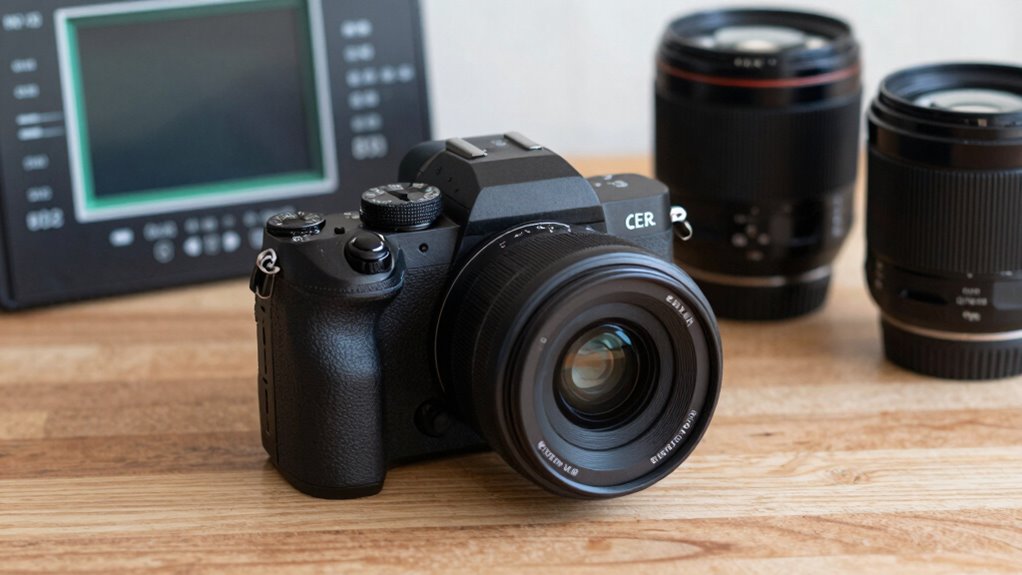
When choosing a mirrorless camera, it’s essential to take into account the entire system rather than just the body. Look at lens options, compatibility with accessories, and how easily you can upgrade or expand your gear. This broader view helps ensure your camera setup meets your needs now and in the future. Considering vehicle protection options can also be beneficial if you often shoot outdoors or in challenging environments, as it safeguards your investment. Additionally, exploring luxury lifestyle products such as premium camera bags and protective cases can enhance your overall photography experience. Being aware of work-life balance considerations can help prevent burnout and keep your passion for photography sustainable over the long term.
Lens Selection Flexibility
Choosing a mirrorless camera isn’t just about the body itself; it’s also about the lens system you’ll be working with. Your lens selection flexibility depends heavily on the sensor compatibility and lens mount. Before buying, consider how many lenses are available for your chosen system and whether adapters can expand your options.
Here are three key points to keep in mind:
- Check the lens mount compatibility—ensure the system offers a variety of lenses you need.
- Evaluate sensor compatibility—verify if third-party lenses work with your camera’s sensor size.
- Consider future upgrades—select a system with a broad lens ecosystem to grow with your skills.
A flexible lens system can save you money and open creative possibilities long-term.
System Compatibility & Upgrades
Evaluating system compatibility and potential for upgrades is essential when selecting a mirrorless camera, as it guarantees your investment can grow with your skills and interests. Check if the camera’s sensor compatibility aligns with your current and future lenses, especially if you plan to upgrade or expand your collection. Consider the system upgrades available—are new features, firmware updates, or lens options easily accessible? A flexible system allows you to adapt as technology advances or your photography needs evolve. Opt for brands known for ongoing support and a wide range of compatible accessories. Ensuring seamless system compatibility and upgrade paths helps you avoid costly replacements and keeps your gear relevant, making your investment more sustainable over time.
Ecosystem and Accessories
Focusing on the ecosystem and accessories of a mirrorless camera guarantees you select a system that can grow with your skills and projects. A strong ecosystem offers better sensor compatibility, making sure you can use a range of lenses and accessories without compatibility issues. Accessory diversity is also vital, giving you options like external flashes, microphones, and battery grips to enhance your photography.
Consider these key points:
- Check for a wide selection of compatible lenses and flashes to match your creative goals.
- Make certain the system supports useful accessories like external microphones or stabilizers.
- Look for manufacturers with a reputation for ongoing support and accessory updates, helping your gear stay relevant.
Choosing a system with a rich ecosystem ensures flexibility and longevity in your photography journey.
Frequently Asked Questions
How Does Sensor Size Influence Camera Weight and Portability?
Sensor size impacts camera weight and portability because larger sensors typically require bigger, heavier lenses, making your camera bulkier. However, the sensor weight itself doesn’t drastically affect the overall travel convenience—it’s the combined weight of the camera body and lenses that matters most. Smaller sensors allow for more compact and lightweight designs, making it easier to carry around, especially if you prioritize travel ease and want a highly portable setup.
Are Larger Sensors More Durable or Prone to Damage?
Larger sensors aren’t necessarily more durable, but they can be more prone to damage due to their size. Imagine a delicate, wide canvas versus a sturdy postcard; the larger sensor is like the canvas—more vulnerable to impacts and scratches. Sensor durability depends on build quality and protective layers, not size alone. So, while bigger sensors might seem more fragile, with proper care, they’re just as resilient as smaller ones.
Can Smaller Sensors Still Produce Professional-Quality Images?
Yes, smaller sensors can still produce professional-quality images. With high sensor resolution, you can capture detailed photos, and advancements in technology have markedly improved low light performance on smaller sensors. Proper technique, good lenses, and post-processing also help you achieve professional results. So, even if your camera has a compact sensor, you can still create stunning, high-quality images suitable for professional use.
How Does Sensor Size Affect Battery Life and Camera Performance?
Think of sensor size as the engine in your camera; a smaller engine often sips less fuel. Smaller sensors typically enhance battery efficiency, letting you shoot longer, but may impact sensor durability under tough conditions. Larger sensors, while potentially more fragile, can offer better performance in low light. Ultimately, your choice influences how long your camera lasts between charges and how well it endures your photographic adventures.
What Role Does Sensor Size Play in Video Recording Capabilities?
Sensor size plays a role in video recording capabilities but isn’t the only factor. Larger sensors can improve low-light video quality and offer better depth of field, but they come with limitations like increased size and cost. Smaller sensors may limit your video resolution options or reduce dynamic range, yet many compact cameras deliver excellent video performance. Focus on overall camera features, rather than sensor size limitations alone, to find the best fit.
Conclusion
Remember, size isn’t everything—don’t judge a camera by its sensor alone. It’s easy to get caught up in the hype, but the right camera depends on your style, needs, and how well the system works for you. Sometimes, the grass isn’t greener on the other side. Focus on the features that matter most and choose a system that fits your photography journey. After all, it’s what you do with it that counts.
Fall Picks
fall essentials
As an affiliate, we earn on qualifying purchases.