
TL;DR
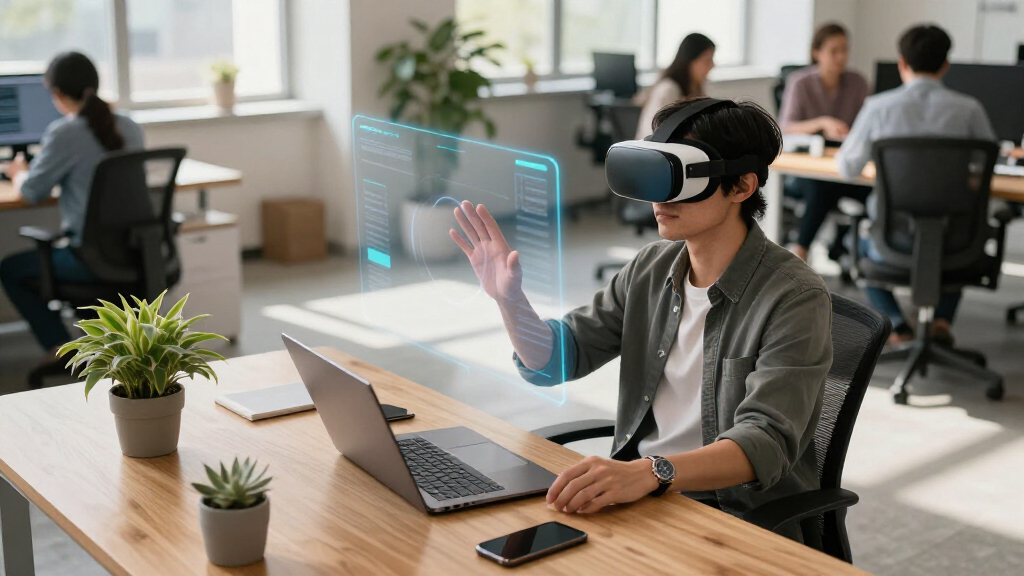
Recent reports reveal that Meta’s AI-powered smart glasses are being used to film and harass retail workers without consent. These incidents highlight potential safety and privacy issues, especially for employees interacting with the public. The situation raises concerns about workplace policies and regulation of Meta AI glasses in VR.
Multiple retail workers have reported being filmed and harassed by customers wearing Meta’s AI-powered smart glasses, raising concerns about workplace safety and privacy. The incidents involve employees being recorded without consent, often in ways that exacerbate power imbalances. These events come amid increasing sales of the glasses, which feature recording capabilities that many see as invasive.
In August 2026, retail workers at stores such as Target reported being targeted by customers wearing Meta’s smart glasses, which can record footage discreetly. One worker, Toru Hinkle, was filmed during a confrontation with pranksters, who used the footage for social media content. The incident left the worker visibly shaken and highlighted how the glasses are being used to invade personal privacy in public spaces.
Meta has sold millions of these glasses, which allow users to listen to music, take calls, and record videos. The recording feature, which is indicated by a blinking light, has become a source of controversy, with many viewing it as a surveillance tool that can be exploited for pranks or harassment. Social media platforms have removed some of these videos, but new incidents continue to emerge, often targeting service and retail workers.
Workers report difficulty in resisting or reporting the invasions, as many feel dependent on their jobs and lack clear policies addressing the use of such devices in workplaces. Some incidents involve individuals filming from angles that make it hard to tell if they are recording, heightening concerns about covert surveillance and gendered harassment.
Are Meta VR Glasses Turning Into a Workplace Hazard?
Reports of customers using Meta’s AI-powered smart glasses to film and harass retail employees expose a difficult new workplace risk: discreet recording technology entering spaces where workers cannot simply walk away.
A camera that blends into ordinary eyewear
Meta’s glasses support calls, audio and hands-free video. Those conveniences also make recording less obvious, creating new opportunities for unwanted surveillance, prank content and harassment.
Recording can be difficult to detect
A blinking indicator signals recording, but workers may miss it during a fast interaction or may be unable to determine where the camera is pointed.
Employees cannot easily disengage
Retail and service workers are expected to assist customers. Challenging a person who may be recording can risk escalation, complaints or employment consequences.
A brief encounter can become content
Footage can be uploaded, edited and amplified across social platforms, extending the emotional and reputational impact far beyond the original incident.
How wearable recording becomes workplace harm
The hazard is not the camera alone. Risk accumulates through a connected sequence of concealment, constrained worker choice, online distribution and weak institutional response.
Camera enters
Smart glasses appear similar to everyday eyewear.
Worker is filmed
Consent may be absent or unclear during the interaction.
Conflict escalates
The employee must balance safety with customer service.
Footage spreads
Social publishing turns a local event into public content.
Harm persists
Distress, humiliation and repeat targeting can follow.
Existing protections do not align neatly
Legality depends on jurisdiction, context and whether audio is captured. A device may be lawful to wear in public while a particular recording, publication or pattern of harassment creates separate legal or policy concerns.
| Control layer | What it can address | Current limitation | Readiness |
|---|---|---|---|
| Workplace policy | Recording bans, escalation routes and employee support | Many policies do not explicitly mention wearable cameras | !Urgent |
| Privacy law | Recording in protected contexts and misuse of personal data | Rules vary significantly by location and circumstances | ~Uneven |
| Platform moderation | Removal of content that violates privacy or harassment rules | Action often occurs only after footage has circulated | ~Reactive |
| Device safeguards | Recording indicators, notices and technical restrictions | Indicators may be overlooked, obscured or misunderstood | !Incomplete |
Legal information is contextual, not universal: local advice is required for specific incidents.
Where the pressure is concentrated
These relative indicators summarize the risk pattern described by workers and advocates. They illustrate exposure intensity, not measured incident rates.
Four controls workplaces can implement now
Employers do not need to wait for device-specific legislation. Clear rules, safe escalation procedures and post-incident support can reduce uncertainty for frontline staff.
Define a recording policy
State when customer recording is prohibited, how wearable cameras are treated and where notices should be displayed.
Create a safe exit route
Allow employees to pause an interaction, call a manager and move away without being penalized for refusing unwanted filming.
Preserve incident evidence
Document the time, location, witnesses, account names and links while avoiding further circulation of harmful footage.
Support the affected worker
Offer privacy guidance, reporting assistance, schedule flexibility and access to emotional or legal support where appropriate.
What remains unresolved
The central policy question is no longer whether wearable cameras will enter workplaces. It is how responsibility should be divided among device makers, platforms, employers and regulators.
Are the glasses legal in public?
Often, yes. But recording rules vary, particularly for audio, private spaces, harassment and publication of identifiable footage.
What can a filmed worker do?
Report and document. Notify a manager, follow workplace procedures, preserve relevant details and contact authorities when threats or unlawful conduct are involved.
What has Meta said?
Content may be removed. Meta says it acts against material that invades privacy or violates platform policies, though removal occurs after capture and possible distribution.
Could regulation tighten?
Possibly. Increasing reports may drive clearer workplace guidance, privacy rules, stronger recording indicators and more effective safeguards.
Impacts of Smart Glasses on Workplace Safety
The use of Meta’s smart glasses to film employees without their consent raises serious questions about **privacy rights** and **workplace safety**. As these devices become more common, workers face new risks of harassment, exploitation, and emotional distress. The incidents underscore the need for clear policies and regulations governing the use of wearable recording technology in public and work environments, to protect employees from covert surveillance and abuse.
Meta VR smart glasses privacy screen protector
As an affiliate, we earn on qualifying purchases.
As an affiliate, we earn on qualifying purchases.
Rise of AI-Powered Wearable Recording Devices
Meta’s smart glasses, launched in recent years, have seen rapid sales growth, with millions sold worldwide. Originally marketed for entertainment, communication, and productivity, their ability to record discreetly has led to misuse in public spaces. Incidents at retail stores are part of a broader pattern where wearable tech is being exploited for pranks, harassment, and content creation, often without the consent of those recorded.
While Meta claims to remove content that invades privacy, the proliferation of videos and the difficulty in identifying covert recordings continue to pose challenges. Workers and privacy advocates warn that without stricter regulation, these devices could become a common tool for harassment, especially targeting vulnerable populations like retail workers and women.
“I felt like this pit in my stomach just started to build up. After the exchange, I was just quiet and shaken up by it.”
— Toru Hinkle, Target employee
Legal and Regulatory Gaps in Wearable Tech Use
It is still unclear how governments and workplaces will regulate the use of smart glasses, especially regarding covert recordings and harassment. While social media platforms have taken steps to remove some content, comprehensive policies and laws are still developing. The extent to which these incidents will lead to legal action or new regulations remains uncertain.
Potential Policy Changes and Industry Responses
Expect discussions around workplace policies, privacy laws, and device regulation to intensify in the coming months. Regulatory agencies may introduce new guidelines for wearable tech, and companies like Meta could face increased pressure to implement safeguards. Workers and advocacy groups are likely to push for clearer protections against covert recording and harassment, aiming to establish safer environments for employees.
Key Questions
Are Meta’s smart glasses legal to use in public spaces?
Yes, in most jurisdictions, wearing and using smart glasses in public is legal, but recording without consent may violate privacy laws depending on local regulations.
What can workers do if they are filmed without consent using these glasses?
Workers can report incidents to their employers or authorities. However, legal recourse may be limited if workplaces lack specific policies or if local laws do not explicitly address covert recording with wearable devices.
Will Meta or other companies regulate how their glasses are used?
Meta has stated it will remove content that invades privacy, but comprehensive regulation of device use remains a developing issue, with ongoing debates about safety and privacy standards.
Could these incidents lead to new laws or restrictions?
It is possible that regulatory agencies will introduce new laws or guidelines to address wearable recording devices, especially as reports of harassment and privacy violations increase.
Source: fediverse