
TL;DR

Get the latest gadgets delivered free — and shop member deals
- Fast, free delivery on millions of items
- Access to Prime Big Deal Days deals on October 6–7
- Prime Video, Amazon Music and more included
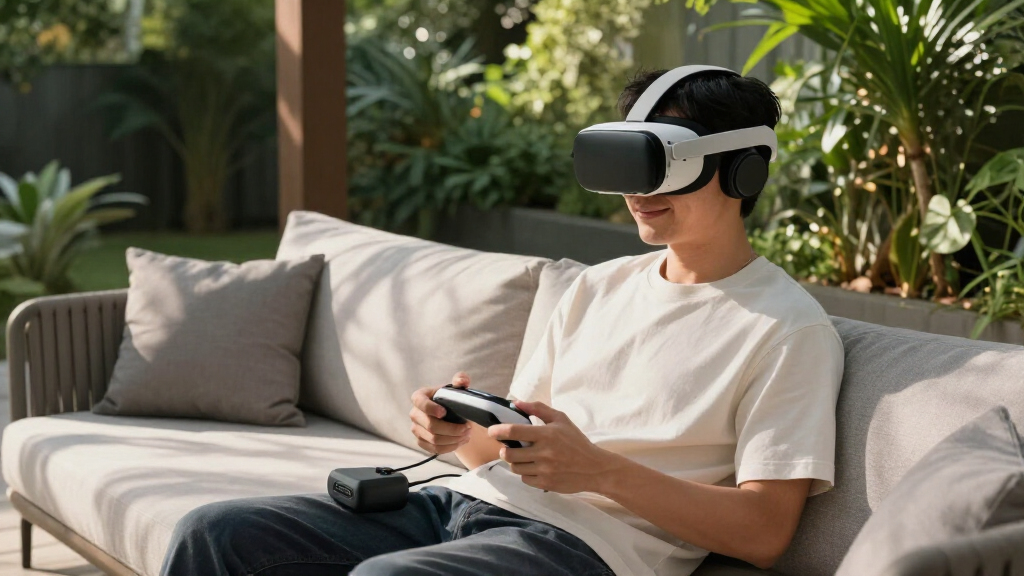
The URXR One Kickstarter campaign has raised $1.3 million to fund the development of an ultralight tethered VR headset featuring passthrough capabilities. The project aims to revolutionize the comfort and usability of tethered VR devices, appealing to gamers and professionals alike.
URXR One’s Kickstarter campaign has raised $1.3 million to fund the development of a new ultralight tethered virtual reality headset equipped with passthrough technology, aiming to improve comfort and usability for VR users. The project, launched to address longstanding issues with bulky headsets, has garnered significant investor interest, signaling potential disruption in the VR hardware market.
The campaign, initiated by the company behind URXR One, concluded successfully with over $1.3 million raised from backers worldwide. The headset is designed to be significantly lighter than existing tethered VR devices, with a focus on ergonomic comfort for extended use. It incorporates passthrough technology, allowing users to see their real environment without removing the headset, which could enhance safety and convenience during use.
According to the campaign page, the device will feature a modular design, allowing for customization and upgrades. The development team emphasizes that the headset aims to eliminate the discomfort caused by current bulky headsets, which often weigh over 600 grams, by utilizing lightweight materials and innovative weight distribution techniques. The project is still in the prototype phase, with mass production expected to begin later this year, pending further testing and certification.
While the campaign has attracted positive attention, details about the final specifications, price point, and release timeline remain under wraps. The company has stated that backers will be prioritized in the initial production batch, with plans to expand availability afterward.
Implications of the $1.3M Funding for VR Hardware Innovation
The successful funding of URXR One indicates strong market interest in more comfortable, lightweight tethered VR headsets, which could broaden adoption among gamers, professionals, and enterprise users. If the device delivers on its promises, it may challenge existing bulky headset models and accelerate innovation in VR ergonomics. This development also suggests investor confidence in the potential profitability of next-generation VR hardware, potentially influencing future product designs across the industry.
As an affiliate, we earn on qualifying purchases.
Background on VR Headset Comfort and Tethered Technology
VR headsets have long been criticized for their weight and bulkiness, which can cause discomfort during extended use. Current leading models often exceed 600 grams and are designed primarily for short-term gaming or professional applications. Passthrough technology, which allows users to see their surroundings via cameras on the headset, has become a sought-after feature for safety and convenience, especially as VR expands into enterprise and mixed-reality applications.
Recent years have seen incremental improvements in headset design, but mass-market adoption remains hindered by comfort issues. The URXR One project aims to address these challenges by creating an ultralight device that does not compromise on features like passthrough and high-quality visuals. The Kickstarter campaign’s success suggests a growing demand for such innovations, even amid broader market uncertainties.
Unanswered Questions About Final Device Specs and Launch Timeline
Details about the final specifications, pricing, and exact release date of the URXR One headset remain undisclosed. It is also unclear how the device will perform in real-world testing, whether it will meet the promised weight and comfort targets, and how it will compare to existing headsets in terms of visual quality and durability. The company’s plans for mass production and distribution are still in development, and potential delays or technical challenges could impact delivery.
Next Steps in Development and Market Introduction
The development team plans to complete prototype testing over the coming months, with the goal of entering mass production later this year. Backers and interested consumers can expect updates on device specifications, pricing, and availability as the project progresses. Industry analysts will be watching closely to see if the headset meets its ergonomic and technological promises, which could influence future VR hardware trends.
Key Questions
When will the URXR One headset be available for purchase?
The company has not announced an exact release date yet, but mass production is expected to begin later this year, with availability following shortly after.
How much will the headset cost?
Pricing details have not been disclosed. Backers of the Kickstarter campaign will likely receive the first units at a discounted rate, with retail prices to be announced later.
What makes URXR One different from existing VR headsets?
URXR One aims to be significantly lighter and more ergonomic, with a focus on comfort for extended use. It also features passthrough technology, enabling safer and more convenient mixed-reality experiences.
Will the headset support high-resolution visuals?
While specific specifications are still under development, the campaign indicates that visual quality will be prioritized, with plans to include high-resolution displays comparable to current premium headsets.
Is the project backed by major hardware companies?
No, the campaign is led by an independent company, and details about partnerships or backing from major players have not been announced.
Source: rss
Fall Picks
fall essentials
As an affiliate, we earn on qualifying purchases.