

When exploring side hustles for extra income, consider your skills, interests, and available time to find the best fit. Think about the initial investment needed and how much effort each option requires for steady earnings. Research market demand and potential income to guarantee long-term benefits. Also, be aware of legal and tax obligations. If you want to explore smarter ways to grow your income, there’s more to discover on how to make these opportunities work for you.
Key Takeaways
- Assess personal skills, interests, and available time to choose suitable side hustles.
- Research market demand and income potential to ensure sustainable earnings.
- Budget for initial investments and ongoing expenses, and consider legal and tax obligations.
- Prioritize opportunities that offer flexibility and long-term financial stability.
- Develop a strategic plan aligning your side hustle with your overall financial goals.

If you’re looking to boost your income without quitting your day job, side hustles offer a flexible and practical solution. The gig economy has created numerous opportunities that let you earn extra cash on your terms. Whether you’re driving for a ride-share service, freelancing online, or selling handmade goods, these options provide the flexibility to work around your schedule. One of the biggest advantages of engaging in side hustles is the potential to generate passive income. This means setting up a stream of earnings that requires minimal ongoing effort, such as renting out a spare room on Airbnb, creating digital products, or investing in dividend-paying stocks. Passive income can supplement your main income source and help you build financial stability over time.
Side hustles offer flexible income and passive earnings like Airbnb rentals or digital products to boost your financial stability.
However, before diving into a side hustle, you need to consider several factors. First, assess your skills and interests to find opportunities that suit you. If you’re passionate about photography, for example, you might sell stock photos online or offer portrait sessions. If you enjoy writing, freelancing or blogging could be lucrative options. Matching your strengths with the right gig increases your chances of success and keeps you motivated. Next, evaluate how much time you can realistically dedicate to your side hustle. Some gigs, like delivering food or driving for a ride-share, demand consistent hours, while others, like creating digital products or investing, can be more flexible. Make sure your chosen side hustle won’t interfere with your primary responsibilities or cause burnout.
Financial considerations are also vital. Understand how much you need to invest upfront, whether it’s buying equipment, paying for courses, or covering initial marketing costs. Budgeting for these expenses ensures you won’t overextend yourself. Additionally, research the income potential and market demand for your chosen side hustle. Some gigs may promise quick cash, but may not be sustainable long-term. Look for options that offer steady growth or passive income streams, which can provide ongoing benefits with less daily effort. Utilizing specialized knowledge about products like pimple patches can also open niche markets that are less saturated and more profitable.
Lastly, keep legal and tax obligations in mind. Many side hustles require you to report income and possibly pay taxes. Familiarize yourself with local laws and consider consulting a financial advisor or tax professional if needed. Planning ahead will prevent surprises and help you make the most of your efforts. Overall, choosing a side hustle that aligns with your skills, schedule, and financial goals can turn your extra efforts into a rewarding and sustainable way to increase your income.

SCHTUMPA Rotary Tool, 4V Cordless Rotary Tool with 5 Speed(5000-18000RPM), Digital Display, Rotary Tool Kit with Rubber Handle for Engraving, Sanding, Polishing, Drilling, Grinding, USB-C Charging
【Frosted Digital Display for Quick Reading】The rotary tool features a frosted digital display, allowing you to clearly check…
As an affiliate, we earn on qualifying purchases.
As an affiliate, we earn on qualifying purchases.
Frequently Asked Questions
How Do I Balance a Side Hustle With My Full-Time Job?
To balance your side hustle with your full-time job, prioritize work-life balance and stress management. Set clear boundaries by scheduling specific hours for your side hustle, ensuring you get enough rest and personal time. Stay organized with to-do lists and avoid overcommitting. Communicate openly with your employer and clients, so expectations are clear. Regularly evaluate your workload, making adjustments to maintain a healthy, manageable balance that prevents burnout.
What Are the Legal Considerations for Starting a Side Business?
Did you know nearly 20% of small businesses face legal issues within their first year? When starting your side business, you must consider intellectual property rights to protect your creations and avoid infringement. Additionally, securing the proper business licensing guarantees you’re compliant with local laws. These steps help prevent costly legal problems later, so take the time to research and follow all relevant regulations before launching your side hustle.
How Much Time Should I Dedicate Weekly to a Side Hustle?
You should dedicate around 10-15 hours weekly to your side hustle, balancing your time management carefully. Consider the opportunity cost—what you’re sacrificing in other areas like relaxation or full-time work—before committing. Adjust your schedule based on your goals and availability, ensuring you stay consistent without burning out. Regularly reassess to keep your side hustle manageable and aligned with your priorities.
Which Side Hustle Options Are Most Suitable for Beginners?
If you’re new to side hustles, start with freelance writing or online tutoring. These options are beginner-friendly because they require minimal upfront skills and can be done on flexible schedules. You might worry about not having experience, but many platforms offer training and support. By choosing these, you can build confidence, earn extra income, and gradually expand your skills without feeling overwhelmed at the start.
How Can I Manage Taxes and Expenses for Side Income?
You should keep detailed records and track all expenses related to your side income. Use simple recordkeeping tips like saving receipts, creating separate bank accounts, and using expense tracking apps to stay organized. Regularly review your income and expenses to guarantee accurate tax reporting. This way, you can maximize deductions, avoid surprises during tax season, and maintain clear financial records for your side hustle.
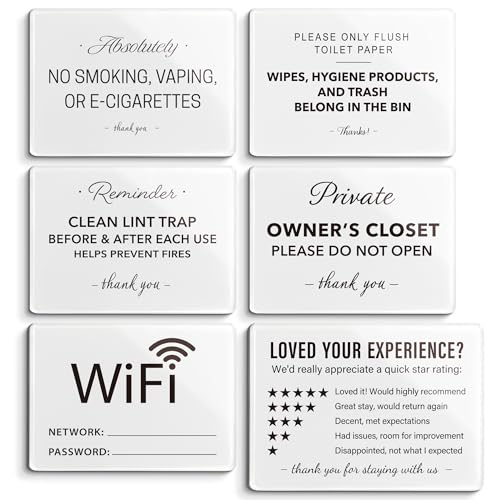
Vacation Rental & BnB Host Starter Kit – 6 Pack (5"x3") – Short Term Home Guest Essentials – WiFi Password, No Smoking, Owner's Closet & Review Signs – Modern Minimalist Black & White Decor
Complete 6-Piece Sign Set: Designed specifically for vacation rentals. This Set includes 6 acrylic signs: WiFi Password, No…
As an affiliate, we earn on qualifying purchases.
As an affiliate, we earn on qualifying purchases.
Conclusion
So, as you consider your side hustle, remember it’s not just about earning extra cash but about shaping your future. Think of this journey as planting seeds—some will sprout quickly, others need time and patience. By choosing wisely and staying committed, you’re cultivating more than income; you’re growing resilience and skills. After all, isn’t it true that the most rewarding harvest comes from the effort we invest today?

Stock Photography: Click to Cash: A Step-by-Step Guide to Selling Stock Photos
As an affiliate, we earn on qualifying purchases.
As an affiliate, we earn on qualifying purchases.

The Writer's Guide to Training Your Dragon: Using Speech Recognition Software to Dictate Your Book and Supercharge Your Writing Workflow (Dictation Mastery for PC and Mac)
As an affiliate, we earn on qualifying purchases.
As an affiliate, we earn on qualifying purchases.