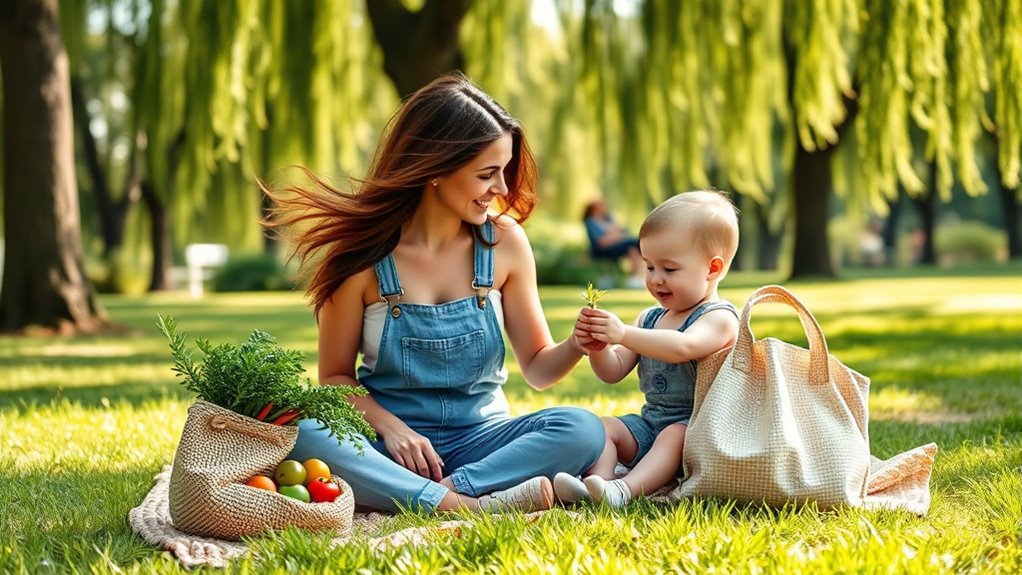

To raise eco-conscious kids, start by making mindful choices from birth. Use eco-friendly toys made from sustainable materials to teach children about caring for the environment. Opt for cloth diapers to promote reuse and reduce waste. Model sustainable habits daily, like reusing, recycling, and conserving resources. Small, consistent actions shape your child’s understanding of eco-responsibility. If you’re interested, you’ll find simple ways to integrate these habits into your family’s life and nurture your child’s environmental mindset.
Key Takeaways
- Model eco-friendly habits through sustainable choices like using eco-friendly toys and cloth diapers.
- Teach children about environmental responsibility early to foster lifelong eco-conscious behaviors.
- Prioritize durable, reusable toys and products to reduce waste and promote conscious consumption.
- Incorporate waste reduction practices, such as cloth diapering and recycling, into daily parenting routines.
- Demonstrate a commitment to sustainability to inspire children to value and care for the environment.
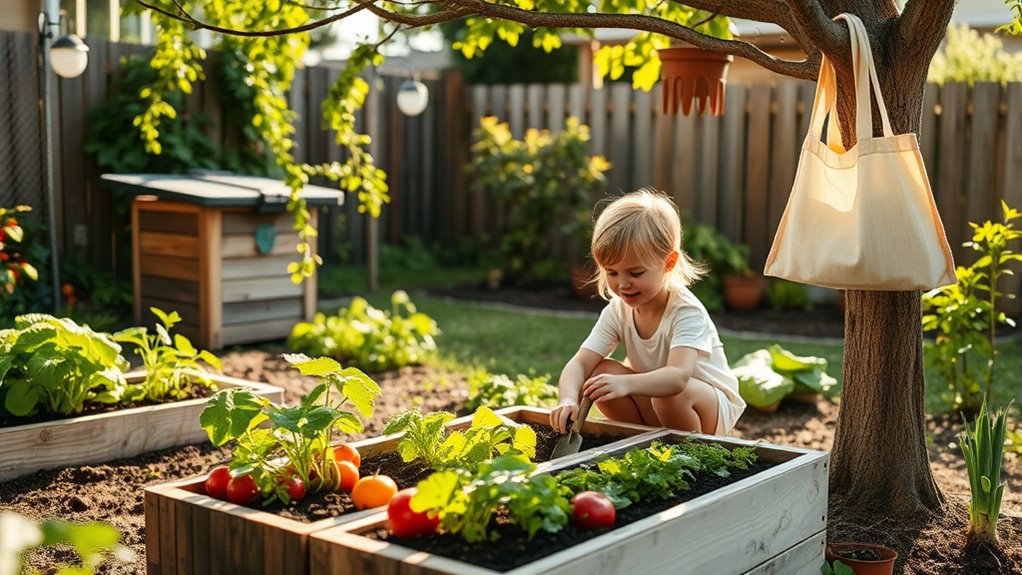
Sustainable parenting is about making mindful choices that benefit both your child’s future and the planet. From the moment your little one arrives, you have the opportunity to shape their understanding of environmental responsibility. One of the easiest ways to start is by choosing eco-friendly toys. These toys are made from sustainable materials like organic cotton, bamboo, or recycled plastics, which reduce your child’s exposure to harmful chemicals and lessen environmental impact. Instead of quick-to-dispose plastic items that contribute to landfill waste, opting for well-crafted, durable toys helps teach your child the importance of sustainability. Plus, eco-friendly toys often have a timeless appeal, so they can be passed down or shared, reducing waste and encouraging a mindset of reuse.
Choosing eco-friendly toys made from sustainable materials teaches children early about environmental responsibility.
Another significant step is switching to zero waste diapers. Traditional disposable diapers create enormous amounts of waste, filling landfills and taking hundreds of years to decompose. Zero waste or cloth diapers offer a practical alternative, allowing you to cut down on landfill contributions while saving money in the long run. Modern cloth diapers are easier to use and more comfortable than you might think, with adjustable fits and breathable fabrics that keep your baby comfortable. Using cloth diapers not only reduces waste but also introduces your child to eco-conscious habits early on. When you wash and reuse these diapers, you’re demonstrating the importance of resourcefulness and responsible consumption.
Incorporating these choices into your daily routine sends a clear message to your child about caring for the environment. When you select eco-friendly toys, you’re modeling conscious consumption, emphasizing quality over quantity, and valuing sustainability. Switching to zero waste diapers teaches your little one about reducing waste and the importance of reusing resources. These small shifts in habits can have a ripple effect, influencing your child’s attitudes toward sustainability as they grow. They’ll learn that environmental responsibility isn’t just a trend but a way of life that can positively impact the world around them.
As you navigate the journey of parenting, remember that every conscious choice counts. Opting for eco-friendly toys and zero waste diapers may seem like small steps, but combined, they create a powerful foundation for raising eco-conscious kids. Your efforts show them that caring for the planet is compatible with nurturing and loving. By instilling these values early, you’re helping shape a generation that’s more aware, compassionate, and committed to protecting the environment. Every mindful decision you make today sets the stage for a healthier, more sustainable future for your child and the planet they will inherit.

Original Baby Paper – Crinkle Teether and Sensory Toy for Babies and Infants | Organic Sheep | Non-Toxic, Washable | Great for Baby Showers
A CRINKLE TOY AND TEETHER WITH THE FUN OF PAPER, AND NONE OF THE MESS – Baby Paper…
As an affiliate, we earn on qualifying purchases.
As an affiliate, we earn on qualifying purchases.
Frequently Asked Questions
How Can I Introduce Eco-Friendly Habits to Very Young Children?
You can introduce eco-friendly habits to very young children by engaging them in fun eco-friendly crafts, like making art with recycled materials. Encourage green habits such as turning off lights when leaving a room and using reusable bags. Talk about why caring for the environment matters, and lead by example. Keep activities simple and positive, fostering a natural love for the planet while making sustainability a part of their daily routine.
What Are Practical Ways to Reduce My Family’s Carbon Footprint Daily?
You can cut your family’s carbon footprint daily by choosing eco-friendly transportation like biking, walking, or using public transit instead of driving. Opt for sustainable shopping by avoiding single-use plastics, buying secondhand, and choosing local, organic products. Simple steps like turning off lights when not in use, reducing water waste, and unplugging electronics also help. These habits make a big difference in lowering your family’s overall environmental impact.
How Do I Handle Peer Pressure When Kids Want Non-Sustainable Products?
Sure, peer influence can make you feel like a villain for saying no to non-sustainable products. But remember, your kids look to you for guidance on consumer choices. Instead of fighting it, turn it into a teachable moment. Show them how to make eco-friendly choices confidently. Over time, they’ll understand that standing firm on sustainability isn’t just cool — it’s the real trend.
What Are Effective Ways to Teach Kids About Environmental Justice?
You can teach kids about environmental justice through climate activism and sustainable storytelling. Encourage them to participate in local projects or rallies, making the issues tangible. Share stories about communities impacted by environmental inequality, highlighting how everyone can make a difference. Use books, videos, and conversations to foster empathy and awareness. This hands-on approach helps kids understand their role in creating a fair, sustainable future.
How Can I Balance Sustainability Efforts With My Child’s Developmental Needs?
To balance sustainability efforts with your child’s developmental needs, focus on nurturing independence while supporting growth. Involve your child in eco-friendly activities like gardening or recycling, allowing them to learn and explore. Set age-appropriate boundaries that encourage responsibility without overwhelming them. Prioritize quality time and open communication, helping your child understand sustainability’s importance while respecting their need to develop emotionally and socially. This approach fosters growth and independence seamlessly.
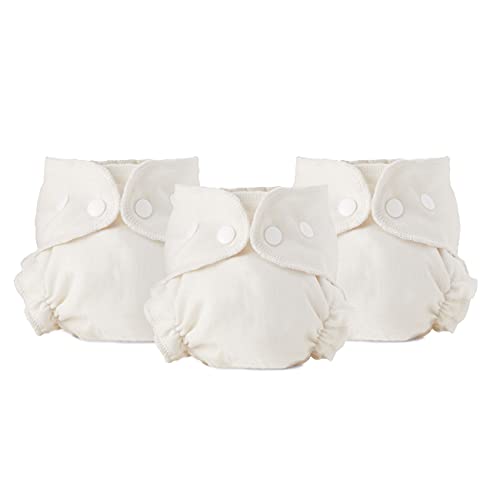
Esembly Cloth Diaper Inner – Organic Cotton Fitted Diaper- Soft, Ultra-Absorbant, Trim-Fitting Layer to Pair with Waterproof Outer for Blowout-Proof Diapering – 3-Pack, Size 1 (7-17lbs)
Soft, Thirsty, and Made for Snuggles: The Esembly Inner is made from soft, unbleached organic cotton and features…
As an affiliate, we earn on qualifying purchases.
As an affiliate, we earn on qualifying purchases.
Conclusion
By making small, mindful choices, you can raise eco-conscious kids who care for the planet. Every action you take—whether it’s reducing waste or teaching kindness to the environment—plants seeds for a greener future. Isn’t it worth inspiring the next generation to protect what we all share? Remember, sustainable parenting isn’t about perfection but progress. Together, you and your children can make a lasting impact—one conscious step at a time.
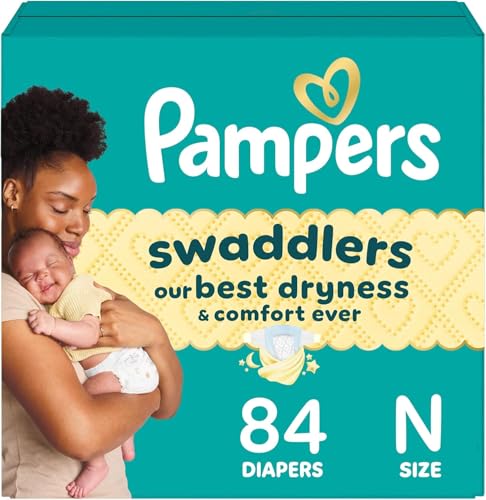
Pampers Swaddlers Diapers, Size 0 (up to 10 lbs), 84 Count, Absorbent, Keeps Baby Dry and Comfortable, Skin Safe Disposable Baby Diaper (Packaging May Vary)
OUR BEST DRYNESS & COMFORT EVER: Pampers Swaddlers keep baby dry and are irresistibly soft to keep baby…
As an affiliate, we earn on qualifying purchases.
As an affiliate, we earn on qualifying purchases.
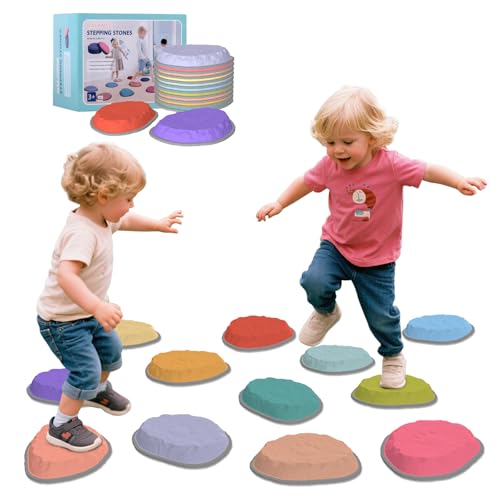
Stepping Stones for Kids, 12 PCS Balance Stepping Stones for Toddlers, Non-Slip Obstacle Course Sensory Toys Indoor Outdoor, Balance River Toys for Birthday, Children's Day and Christmas Gift
【Engaging & Imaginative Play Experience】This set of 12 colorful stepping stones outdoor helps develop color recognition while enhancing…
As an affiliate, we earn on qualifying purchases.
As an affiliate, we earn on qualifying purchases.