
Social media impacts your mental health in several ways. It fuels your craving for validation, making you rely on likes and comments for self-esteem. You may also face online harassment, leading to anxiety and depression. Additionally, comparing yourself to curated content distorts your view of reality, causing feelings of inadequacy. Over time, these effects can damage confidence and increase loneliness. Staying aware of these influences can help you develop healthier habits—continue to explore how to protect your well-being.
Key Takeaways
- Excessive validation seeking on social media can lead to dependency, anxiety, and decreased self-esteem.
- Online harassment and cyberbullying contribute to emotional distress, depression, and social withdrawal.
- Comparing curated online content with real life fosters feelings of inadequacy, jealousy, and self-doubt.
- Long-term exposure to negativity and harassment can cause lasting emotional scars and trust issues.
- Mindful social media use and setting boundaries support mental health and reduce negative psychological impacts.

Have you ever wondered how social media impacts your mental health? It’s easy to get caught up in the constant stream of updates, likes, and comments, but beneath the surface, social media can deeply influence your emotional well-being. One significant aspect is the craving for digital validation. When you post something, you might find yourself checking for likes or comments obsessively, seeking reassurance that your content is appreciated. This desire for approval can create a dependency on external validation, which often leaves you feeling anxious or disappointed when your posts don’t get the response you hoped for. Over time, this cycle can chip away at your self-esteem, making your happiness hinge on the approval of strangers rather than your intrinsic worth.
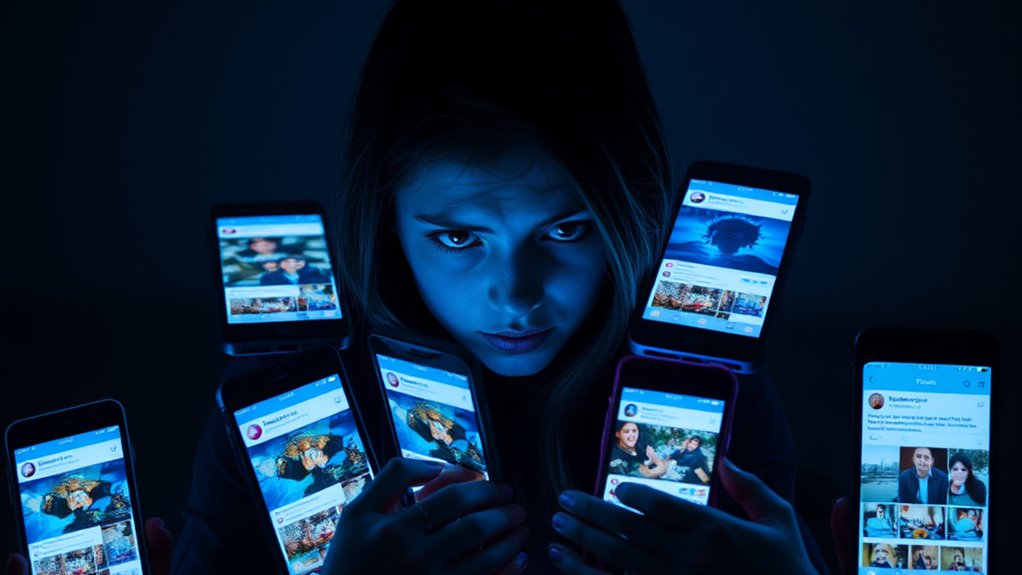
Another critical issue is online harassment, which can have devastating effects on your mental health. Social media platforms, while designed to connect people, sometimes become breeding grounds for cyberbullying, hurtful comments, or malicious rumors. When you encounter online harassment, it’s easy to internalize the negativity, leading to feelings of shame, fear, or helplessness. The persistent exposure to hurtful messages can cause anxiety, depression, and even lead to social withdrawal. You might find yourself avoiding certain platforms or deleting your accounts altogether, which can contribute to feelings of loneliness and isolation. The impact of online harassment isn’t just immediate; it can leave long-lasting scars, affecting your confidence and your ability to trust others.
Online harassment can cause lasting damage to your confidence, trust, and emotional well-being.
Social media’s influence on mental health isn’t solely about external factors like harassment or validation. It also involves the way it shapes your perception of reality. Seeing curated content that highlights others’ successes or seemingly perfect lives can make you feel inadequate or like you’re falling behind. This comparison trap can lead to feelings of jealousy, envy, or self-doubt. When you constantly compare yourself to filtered images and highlight reels, you may forget that everyone’s life has struggles and imperfections. The pressure to present a flawless image can be exhausting and can distort your self-image, making you more vulnerable to mental health issues. Recognizing that social media can distort perceptions helps you develop a more realistic view of others’ lives and reduce feelings of inadequacy.
Ultimately, being aware of these influences helps you take control of your social media habits. Recognizing the ways digital validation and online harassment affect your mood allows you to set boundaries, seek support when needed, and focus on building a healthier relationship with social media. Remember, your mental health is worth safeguarding, and by understanding these dynamics, you can use social media more mindfully and protect your emotional well-being.
Frequently Asked Questions
How Does Social Media Affect Sleep Patterns?
Social media affects your sleep patterns mainly through increased screen time, especially before bed. The blue light from screens can interfere with your sleep hygiene by suppressing melatonin, making it harder to fall asleep. To improve your sleep, try limiting screen time an hour before bed and creating a relaxing bedtime routine. This way, you’ll support better sleep quality and overall well-being.
Can Social Media Use Lead to Decreased Self-Esteem?
Yes, social media can decrease your self-esteem. You might find yourself caught in peer comparison, constantly measuring your worth against others’ highlight reels. Cyberbullying lurks behind the screen, chipping away at your confidence and making you doubt yourself. The more you scroll, the more these negative influences build up, creating a dangerous cycle that can leave you feeling less worthy and more anxious. Stay aware, and protect your mental health.
What Are the Long-Term Mental Health Effects of Social Media?
You might experience long-term mental health effects like comparison fatigue and emotional dependency from social media. Constantly comparing yourself to others can drain your self-esteem and create anxiety. Over time, you may become emotionally dependent on online validation, leading to feelings of loneliness or depression when you’re disconnected. These effects can persist, making it harder to develop a healthy self-image and maintain emotional resilience in the real world.
How Does Social Media Influence Anxiety Levels?
Ever wonder why social media ramps up your anxiety? Comparison studies show that constantly viewing others’ highlight reels makes you feel inadequate, heightening anxiety levels. It challenges your emotional regulation as you struggle to manage feelings of jealousy or self-doubt. When you focus on these negative comparisons, your stress spikes. To reduce this, limit your social media use and practice mindfulness—helping you regain control over your emotions and lower anxiety.
Are Certain Social Media Platforms More Harmful Than Others?
Yes, some platforms are more harmful than others due to platform comparison and user engagement patterns. For example, highly visual platforms like Instagram and TikTok often increase feelings of inadequacy and anxiety because they promote constant comparison. You might find yourself more vulnerable on these platforms if you spend a lot of time engaging with idealized content, which can negatively impact your mental health. Limiting use and choosing more positive platforms can help.
Conclusion
As you navigate the digital world, remember that social media’s gentle influence can subtly shape your well-being. While it offers connection and inspiration, it’s wise to be mindful of its quiet effects. By setting boundaries and tuning into your true feelings, you can enjoy the benefits without letting the shadows take hold. Embrace the balance, and let your online experience be a source of positivity and growth, softly guiding you toward a healthier mind.