
TL;DR
The U.S. is removing ocean sensors used in Canadian climate research, causing concern among scientists as El Niño conditions are expected to develop. The move impacts data collection crucial for understanding oceanic and atmospheric changes.
The United States is in the process of removing a network of ocean sensors that provide critical data for Canadian climate and ocean research, a move described as a ‘shock’ by Canadian scientists as El Niño conditions are expected to develop in the Pacific Ocean.
According to sources familiar with the situation, the U.S. has begun dismantling or relocating several ocean monitoring sensors situated in the North Pacific and surrounding areas. These sensors have been integral to tracking ocean temperatures, currents, and other variables that influence climate patterns in Canada and beyond. The removal comes amid heightened concern over the approaching El Niño event, which is expected to significantly impact global weather systems.
Canadian researchers rely heavily on this data to forecast climate trends, prepare for extreme weather, and understand oceanic changes. The sudden withdrawal of these sensors has raised alarms within the scientific community, with some experts describing the move as unexpected and potentially damaging to ongoing climate modeling efforts. The U.S. government has not issued detailed public explanations for the sensor removal, leaving many questions about the decision’s rationale and future plans.
Implications for Climate Monitoring and Research Collaboration
The removal of U.S. ocean sensors hampers Canada’s ability to monitor critical climate variables, especially as El Niño is expected to influence weather patterns across North America. This disruption could delay accurate forecasting and preparedness efforts, affecting policymakers and communities vulnerable to extreme weather events. Additionally, the move raises concerns about international cooperation in climate science, emphasizing the need for shared data in understanding global climate phenomena.

Underwater Sensing Device for Ocean Floor Contact
As an affiliate, we earn on qualifying purchases.
As an affiliate, we earn on qualifying purchases.
U.S. Ocean Sensor Deployment and Canadian Dependence
The U.S. has maintained an extensive network of ocean sensors in the North Pacific for years, providing valuable data for both American and Canadian climate research. These sensors have been part of broader international efforts to monitor ocean temperatures, currents, and other environmental factors linked to climate variability. The upcoming El Niño, a climate pattern characterized by warming in the central and eastern Pacific, is expected to cause significant weather disruptions across North America, making continuous data collection vital. The decision to withdraw sensors occurs amid ongoing debates about resource allocation and international data sharing in climate science.
“The sudden removal of these sensors is a setback for our climate monitoring capabilities, especially with El Niño on the horizon.”
— an anonymous researcher

Davis Instruments 6510SER Software w/ Data Logging for Vantage Pro 2, Serial
Download and pull up data right on your PC
As an affiliate, we earn on qualifying purchases.
As an affiliate, we earn on qualifying purchases.
Unclear Reasons and Future Sensor Deployment Plans
It is not yet clear why the U.S. is removing these sensors or whether they will be replaced or relocated elsewhere. The long-term plans for the sensor network remain undisclosed, and experts are uncertain about the impact on ongoing climate monitoring efforts.
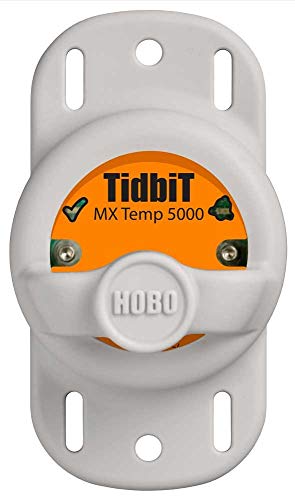
Onset HOBO MX2204 TidbiT 5000ft Waterproof Temperature Data Logger
Internal Sensors for Temperature Measurement in Underwater Environment
As an affiliate, we earn on qualifying purchases.
As an affiliate, we earn on qualifying purchases.
Monitoring Developments and Diplomatic Clarifications Expected
Canadian authorities and international partners are expected to seek further explanations from U.S. agencies. Meanwhile, efforts may be underway to establish alternative data collection methods or sensor deployments to mitigate the impact of the current removal. The upcoming months will be critical in assessing how this development influences climate forecasting during the El Niño season.

Mercury Marine Sensor KIT-TPS
As an affiliate, we earn on qualifying purchases.
As an affiliate, we earn on qualifying purchases.
Key Questions
Why are the U.S. sensors being removed?
The specific reasons for the removal have not been publicly disclosed. Officials have not provided detailed explanations, leading to speculation about resource reallocation or strategic shifts in monitoring priorities.
How does this affect Canadian climate research?
Canadian scientists rely on U.S. sensors for vital ocean data. Their removal could reduce the accuracy of climate models and forecasts, especially as El Niño is expected to influence weather patterns in North America.
Will the sensors be replaced or relocated?
It is currently unclear whether the sensors will be replaced or moved to other locations. No official plans have been announced, and this remains a subject of concern among researchers.
What is the significance of this move ahead of El Niño?
El Niño influences global weather, including increased storm activity and droughts. Reduced ocean monitoring could hinder timely forecasts and preparedness efforts during this critical period.
How might this impact international climate cooperation?
The move raises questions about data sharing and collaboration between the U.S. and Canada, highlighting the need for robust international agreements to ensure continuous climate monitoring.
Source: Hacker News