
TL;DR

Get the latest gadgets delivered free — and shop member deals
- Fast, free delivery on millions of items
- Access to Prime Big Deal Days deals on October 6–7
- Prime Video, Amazon Music and more included
WCFO will significantly expand its fiber-optic cable manufacturing capacity in Cambodia to meet increasing demand from data centers fueled by the AI boom. The move underscores Southeast Asia’s growing role in global data infrastructure.
Hong Kong-based optical cable manufacturer WCFO will nearly double its fiber-optic cable production capacity in Cambodia, responding to surging demand from data centers driven by the artificial intelligence boom. The expansion highlights Southeast Asia’s increasing importance in global data infrastructure development.
WCFO’s new facility in Cambodia will increase its fiber-optic cable capacity by approximately 100%, according to the company. The plant’s expansion is expected to be completed by the end of 2027, with the additional output primarily serving the rapidly growing data center market across Southeast Asia and beyond.
Sources from WCFO confirmed that the decision was driven by the accelerated investments in data centers linked to AI applications, cloud computing, and 5G deployment. The company aims to capitalize on the regional digital transformation and the global demand for high-capacity fiber-optic networks.
Industry analysts note that this move positions WCFO as a key player in the supply chain for AI-driven digital infrastructure, with Cambodia emerging as a strategic manufacturing hub due to its cost advantages and improving logistics links.
Implications for Southeast Asia’s Data Infrastructure Growth
This expansion underscores Southeast Asia’s rising role in global data infrastructure, driven by increased AI investments and digital transformation initiatives. It signals confidence in Cambodia’s manufacturing potential and highlights the region’s strategic importance for global tech supply chains.
For WCFO, the move enhances its market position amid intensifying competition and rising demand for high-speed data transmission. It also reflects broader industry trends toward regional manufacturing hubs to meet global digital needs.
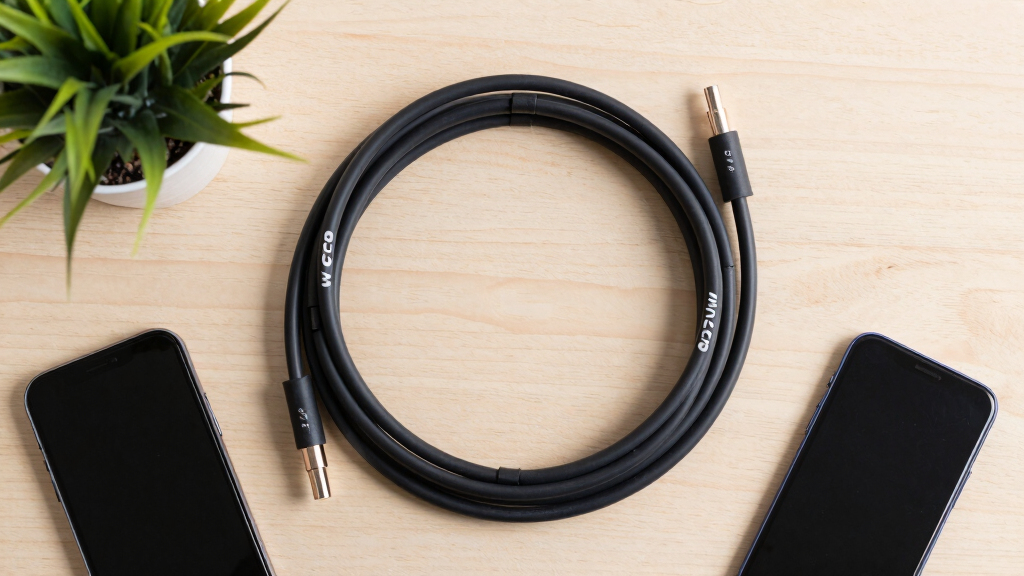
fiber optic cable for data centers
As an affiliate, we earn on qualifying purchases.
As an affiliate, we earn on qualifying purchases.
Regional Trends in Fiber-Optic Manufacturing and AI Investment
Over the past few years, Southeast Asia has attracted significant investment in data centers and digital infrastructure, partly fueled by the global surge in AI applications and cloud services. Countries like Singapore, Malaysia, and Cambodia have become key manufacturing and deployment centers for fiber-optic components.
WCFO, a major player in the fiber-optic industry, has previously expanded capacities in other Asian markets, and its decision to increase Cambodia’s capacity aligns with the broader regional trend of boosting local manufacturing to support growing digital demands.
This development comes amid a global supply chain reshuffle, with companies seeking to diversify manufacturing bases away from China amid geopolitical tensions and pandemic-related disruptions.
Details on Investment Size and Implementation Timeline
Specific financial investment figures and the detailed timeline for the plant’s full operational capacity are not yet publicly confirmed. It is also unclear how this expansion will influence regional market dynamics in the short term.
Next Steps for WCFO and Regional Data Infrastructure Development
WCFO is expected to initiate construction within the coming months, with the new capacity expected to be operational by late 2027. Monitoring regional investment trends and supply chain adjustments will be key to understanding the broader impact of this expansion.
Key Questions
Why is WCFO expanding its capacity in Cambodia?
To meet the rising demand for fiber-optic cables driven by increasing investments in data centers related to AI, cloud computing, and 5G deployment in Southeast Asia and globally.
How will this expansion affect the regional tech industry?
It will likely strengthen Cambodia’s position as a manufacturing hub for high-tech components and support regional digital infrastructure growth.
When will the new Cambodian plant be operational?
The company expects the expanded capacity to be fully operational by the end of 2027.
Does this indicate a shift away from China for fiber-optic manufacturing?
It reflects a broader trend of diversifying manufacturing bases in Asia, partly due to geopolitical tensions and pandemic-related supply chain disruptions.
What is the significance for global AI infrastructure?
The expansion supports the global increase in data center capacity needed for AI applications, signaling continued growth in digital infrastructure investments worldwide.
Source: Nikkei Asia
Fall Picks
fall essentials
As an affiliate, we earn on qualifying purchases.