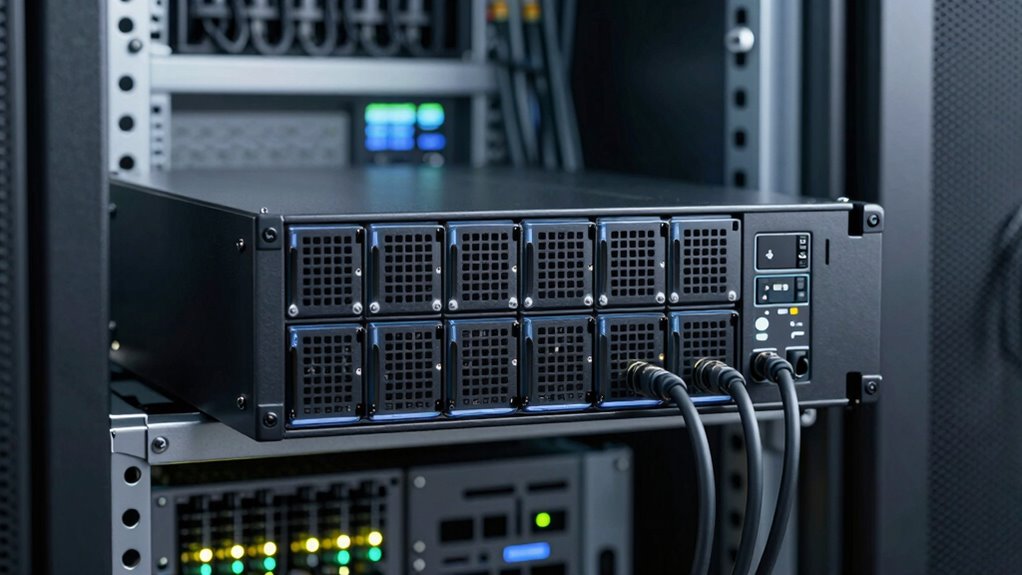

Rackmount UPS systems are worth the complexity when you operate large networks or critical equipment that require reliable power backup and scalability. Proper monitoring, installation, and integration guarantee longevity and performance, reducing risks of outages and downtime. They support mission-critical operations and offer remote management features for easier maintenance. If you want to understand how to maximize these benefits and determine if a rackmount UPS fits your needs, there’s more to explore.

Get the latest gadgets delivered free — and shop member deals
- Fast, free delivery on millions of items
- Access to Prime Big Deal Days deals on October 6–7
- Prime Video, Amazon Music and more included
Key Takeaways
- Ideal for large-scale systems requiring scalable, reliable power backup with remote management features.
- Worthwhile when protecting critical data centers and mission-critical equipment from power disruptions.
- Justified if continuous uptime and system longevity are priorities, reducing downtime risks.
- Suitable when proper installation, ventilation, and integration can be ensured to maximize benefits.
- Valuable for organizations seeking proactive battery monitoring and maintenance to prevent failures.
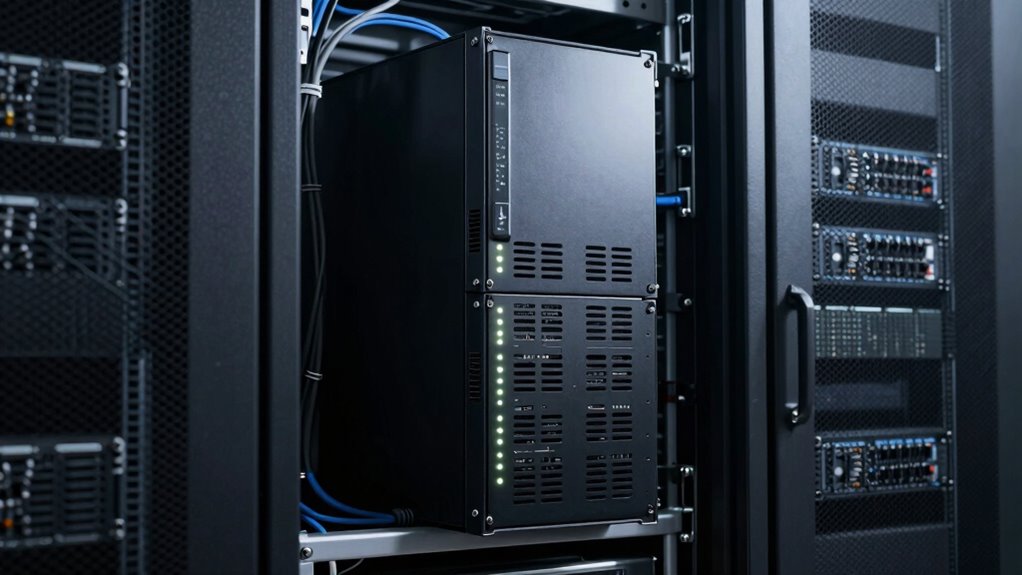
Have you ever wondered how data centers keep their servers running smoothly even during power outages? The answer often lies in reliable uninterruptible power supplies (UPS), especially rackmount models. These units are designed to fit into standard server racks, making them a practical choice for data centers, telecom rooms, or large IT setups. But before diving into installation, you need to contemplate whether a rackmount UPS is worth the complexity it introduces.
One of the key factors that determine the effectiveness of a rackmount UPS is battery monitoring. This feature continuously checks the health and charge level of the batteries, guaranteeing you’re alerted before a failure occurs. Proper battery monitoring allows you to schedule timely replacements, reducing the risk of unexpected shutdowns. It also helps you assess whether your current batteries can support your power demands during outages, which is vital for maintaining uptime. When deliberating a rackmount UPS, pay close attention to how it handles battery management and monitoring, as these directly impact reliability and maintenance costs over time. Additionally, integrating battery management systems can further enhance the longevity and performance of your UPS batteries. Ensuring accurate battery status is crucial for effective operation and planning.
Effective battery monitoring ensures timely replacements and reliable uptime for your rackmount UPS.
Installation considerations are another important aspect. Rackmount UPS units require proper ventilation, secure mounting, and adequate space within the rack. You need to plan for proper airflow to prevent overheating, which can shorten battery life and degrade performance. Additionally, the weight of these units can be substantial, so reinforced rack shelves or mounts are necessary to support the load safely. Power wiring and grounding are critical too; improper connections can cause power disturbances or pose safety risks. You should also ponder the proximity to critical equipment—placing the UPS close enough ensures minimal power loss and effective surge protection. Moreover, understanding power management systems is essential for optimizing overall system performance and reliability. Proper system integration can further enhance the efficiency of your power backup setup. Taking these installation factors into account can significantly extend the lifespan and effectiveness of your UPS system.
While the complexity of installing and maintaining a rackmount UPS might seem intimidating, the benefits often outweigh these challenges, especially for larger, mission-critical systems. They offer scalability, allowing you to add more batteries or units as your needs grow. The modular design facilitates easier maintenance, reducing downtime when service is required. Plus, rackmount models typically provide advanced features like remote management, which enables you to monitor battery status and system health from anywhere, further simplifying maintenance.
In the end, whether a rackmount UPS is worth the effort depends on your specific needs. If you’re running a sizable network or data center where uptime is non-negotiable, investing in a well-planned, monitored, and properly installed rackmount UPS can be a game-changer. It assures your critical servers stay online through power fluctuations and outages, giving you peace of mind and safeguarding your operations against unexpected disruptions.
As an affiliate, we earn on qualifying purchases.
Frequently Asked Questions
How Do Rackmount UPS Units Compare to Tower UPS Systems?
Rackmount UPS units offer better space optimization and easier integration into server racks compared to tower UPS systems. They’re designed to maximize power efficiency in tight spaces, making them ideal for data centers or network rooms. While tower UPS units are portable and simple to set up, rackmount systems handle higher capacities and provide more organized power management, making them worth the complexity if you need reliable, space-efficient backup power.
What Are the Typical Maintenance Requirements for Rackmount UPS?
Think of your rackmount UPS as a finely tuned machine needing regular attention. You’ll need to replace batteries every 3-5 years to guarantee reliable backup power. Cooling requirements are essential; keep the unit well-ventilated to prevent overheating. Regular inspections help identify wear and tear, and cleaning dust from vents prolongs lifespan. By staying proactive, you keep your system running smoothly, avoiding unexpected failures.
Can Rackmount UPS Be Customized for Specific Power Needs?
Yes, rackmount UPS units can be customized for specific power needs through modular design and power scaling. You can add or remove modules to match your exact capacity requirements, making it flexible for evolving demands. This customization allows you to optimize performance, guarantee reliable backup power, and avoid overspending on unnecessary capacity. By leveraging modular design and power scaling, you guarantee your UPS system precisely fits your unique setup.
How Long Do Rackmount UPS Batteries Typically Last?
Rackmount UPS batteries typically last between 3 to 5 years, depending on usage and maintenance. You should monitor the battery lifespan regularly and plan for replacement intervals accordingly to guarantee reliable backup power. Proper cooling and avoiding deep discharges can extend battery life. When you notice reduced runtime or performance issues, it’s time to replace the batteries to prevent unexpected outages and protect your equipment.
What Are the Key Safety Considerations for Rackmount UPS Installation?
Did you know that improper installation causes over 30% of UPS-related fires? Your top safety considerations include prioritizing fire safety by guaranteeing proper ventilation and avoiding overloading. Follow installation precautions like securing the unit firmly, grounding it correctly, and keeping flammable materials away. Always read the manufacturer’s guidelines, and consider consulting a professional to prevent hazards and ensure your rackmount UPS operates safely and efficiently.
Conclusion
When weighing whether a rackmount UPS is worth the work, remember it’s about balancing benefit and burden. If your business boasts bulky, critical equipment, the robust reliability and remote management make it a wise choice. While it may seem like a complex conundrum, the continued convenience and costly downtime prevention pay off. Ultimately, investing in a rackmount UPS proves prudent for those prioritizing power, protection, and peace of mind in a professional setting.
Evergreen bestsellers Picks
bestsellers
As an affiliate, we earn on qualifying purchases.