
TL;DR

Get the latest gadgets delivered free with Prime
- Fast, free delivery on millions of items
- Prime Video, Amazon Music and more included
- Member-only deals all year
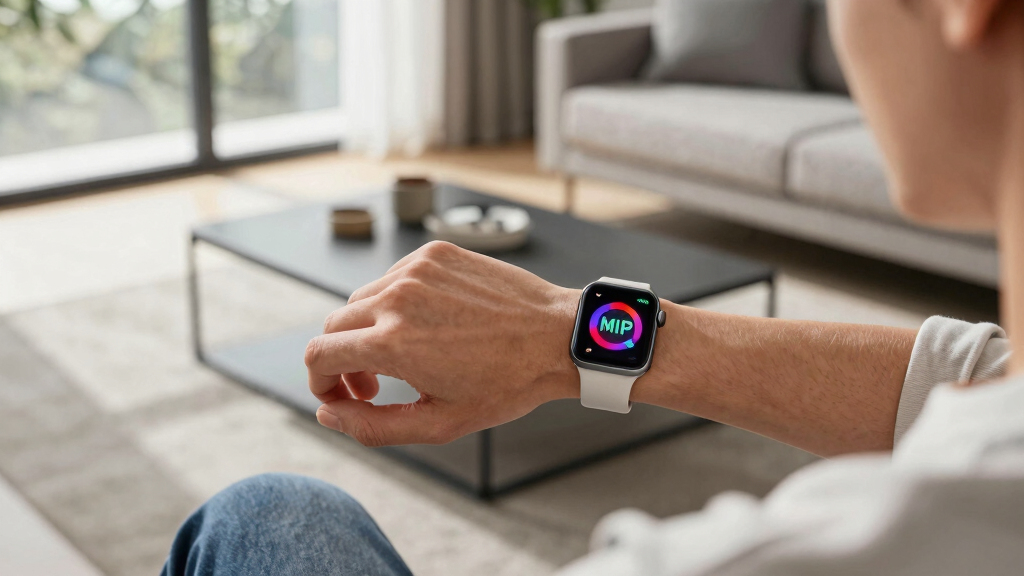
This article compares MIP and AMOLED watch displays, highlighting their advantages and limitations. Confirmed facts include display technologies, current market trends, and key differences. Uncertainties remain about long-term durability and user preferences.
Manufacturers are increasingly adopting AMOLED displays for new smartwatches, but many sports and outdoor watches still use MIP screens, creating a clear choice for consumers. This comparison highlights the key differences between these technologies, which significantly impact usability and battery life.
AMOLED displays are characterized by their vibrant colors, high resolution, and brightness, making them ideal for modern smartwatches with touchscreens. They are typically found on flagship models like the Apple Watch, Samsung Galaxy Watch, and Garmin’s latest premium series.
In contrast, MIP (Memory-In-Pixel) displays reflect ambient light, offering excellent visibility in bright sunlight and always-on functionality without significant battery drain. They are common on older models and some solar-powered watches, such as Garmin’s solar series and certain Garmin Forerunners, including the 55 and 255.
Current market trends show a shift toward AMOLED screens for their aesthetic appeal and touchscreen capabilities, but MIP remains relevant for outdoor and fitness-focused watches due to its power efficiency and readability in sunlight. Notably, MIP screens can be always-on without draining the battery, unlike AMOLED screens, which require power for their ‘always-on’ displays.
Why Display Choice Affects Daily Use
The choice between MIP and AMOLED impacts battery life, outdoor visibility, and user experience. For example, athletes and outdoor enthusiasts benefit from MIP’s sunlight readability and always-on display, while tech-savvy users may prefer AMOLED for its vibrant visuals and touchscreen features. Understanding these differences helps consumers select a smartwatch suited to their lifestyle and needs.
As an affiliate, we earn on qualifying purchases.
Evolution of Watch Displays and Market Trends
Over the past decade, smartwatch displays have evolved from basic LCDs to high-resolution AMOLED screens. While AMOLED has become the standard for flagship smartwatches due to its visual appeal, MIP screens continue to serve niche markets, especially in outdoor and fitness watches that prioritize battery longevity and outdoor visibility. Recent models like Garmin’s Fenix 8 and Instinct 3 offer both MIP and AMOLED options, reflecting a market in transition.
The trend indicates increasing adoption of AMOLED for new releases, but MIP remains relevant, especially in solar-powered watches and models designed for extreme outdoor use, where long battery life and sunlight readability are critical.
“While AMOLED displays offer vibrant colors and sharp images, MIP screens excel in sunlight visibility and battery efficiency, making each suitable for different user needs.”
— Beth Skwarecki, Senior Health Editor at Lifehacker
Long-Term Durability and User Preferences
It is not yet clear how the long-term durability of AMOLED screens compares to MIP, especially under harsh outdoor conditions. User preferences also vary widely, with some prioritizing display vibrancy over battery life, and vice versa. More user experience data and long-term testing are needed to determine which display type will dominate in the future.
Upcoming Models and Technological Developments
Manufacturers are expected to continue refining display technologies, potentially blending features of both MIP and AMOLED. Future models may offer better battery optimization for AMOLED screens or enhanced sunlight readability for AMOLED displays. Watchmakers might also introduce new hybrid displays to satisfy diverse user needs.
Consumers should watch for upcoming releases from major brands like Garmin, Apple, Samsung, and Polar to see how these trends evolve and which display technology gains wider adoption.
Key Questions
Which watch display is better for outdoor use?
MIP displays are generally better for outdoor use due to their superior sunlight visibility and always-on capability without significant battery drain.
Can AMOLED displays be used in always-on mode without draining the battery?
Yes, but with reduced brightness and data, which can still significantly impact battery life, often reducing the overall lifespan of the device’s charge cycle.
Are MIP screens still relevant with the rise of AMOLED?
Yes, especially in outdoor, fitness, and solar-powered watches where long battery life and sunlight readability are priorities.
Will future watches combine MIP and AMOLED features?
It is possible that hybrid displays will emerge, offering the best of both worlds—vibrant visuals and excellent outdoor visibility with efficient power consumption.
Source: Lifehacker
Columbus Day / Indigenous Peoples' Day Picks
long weekend sales
As an affiliate, we earn on qualifying purchases.