
Your hormonal health impacts your energy, mood, sleep, and overall well-being. Imbalances can cause hot flashes, mood swings, fatigue, and irregular periods, affecting daily life. Monitoring hormone levels through blood, saliva, or urine tests helps identify deficiencies or excesses, offering personalized insights. Regular check-ups allow you to adapt lifestyle or treatment strategies over time, promoting long-term health. If you want to understand how to maintain your hormonal balance, there’s more to discover.
Key Takeaways
- Hormones regulate energy, mood, sleep, and weight; imbalances can disrupt daily life.
- Menopause symptoms signal hormonal shifts, which can be better understood through testing.
- Hormone testing (blood, saliva, urine) identifies deficiencies or excesses for personalized treatment.
- Monitoring hormonal health empowers proactive management, early issue detection, and tailored lifestyle adjustments.
- Regular testing ensures adaptive strategies over time, supporting long-term well-being and symptom relief.

Have you ever wondered how your hormones influence your overall well-being? Hormones are like messengers that regulate countless processes in your body, from energy levels to mood, sleep, and even weight. When hormone levels fluctuate or become imbalanced, it can lead to a variety of symptoms that disrupt your daily life. For women approaching menopause, these changes are especially noticeable. Menopause symptoms such as hot flashes, night sweats, mood swings, and irregular periods are often the first signs that your hormone levels are shifting. Recognizing these signs is vital, but understanding what’s happening inside your body requires more than just noticing symptoms. That’s where hormone testing comes into play. By evaluating your hormone levels through blood, saliva, or urine tests, healthcare providers can pinpoint specific imbalances and provide targeted treatment options.
Hormone testing reveals underlying imbalances causing menopause symptoms and improves overall well-being.
Hormone testing isn’t just for menopause; it’s an essential tool for anyone experiencing persistent fatigue, weight gain, low libido, or mood disturbances. Many women mistakenly attribute these issues solely to stress or aging, but underlying hormonal imbalances could be the real culprit. Regular testing can help you identify deficiencies or excesses in key hormones like estrogen, progesterone, testosterone, and thyroid hormones. Once you know where your levels stand, you can work with your healthcare provider to develop a personalized plan—whether that’s lifestyle changes, supplements, or hormone therapy—to restore balance.
Understanding your hormonal health is empowering because it offers clarity and control. For women dealing with menopause symptoms, hormone testing provides insight into the severity of hormonal shifts and helps determine the most effective course of action. It can also reveal underlying issues, such as thyroid imbalances or insulin resistance, that may be contributing to your symptoms. Taking charge of this aspect of your health can improve your quality of life, reduce discomfort, and prevent long-term complications.
Monitoring your hormones regularly isn’t a one-time task; it’s an ongoing process that can adapt to your changing needs. As your body ages or faces stressors, hormone levels can fluctuate, and keeping track of those changes ensures you’re always in the best position to manage your health. So, if you’re experiencing menopause symptoms or any other signs of hormonal imbalance, consider discussing hormone testing with your healthcare provider. It’s a proactive step towards understanding your body better and maintaining your well-being long-term.
Being aware of hormonal imbalances through regular testing helps detect issues early before they develop into more serious health problems.

Home Stress Test – Saliva Test Kit for Daily Cortisol Levels – 4 Cortisol Levels Throughout The Day– CLIA Certified Lab – Verisana
✅ CHECK: Measure & control your daily cortisol level – diagnose causes for anxiety, panic attacks or (adrenal)…
As an affiliate, we earn on qualifying purchases.
As an affiliate, we earn on qualifying purchases.
Frequently Asked Questions
How Do Hormones Affect Mental Health and Mood?
Hormones play a key role in your mental health and mood by regulating neurotransmitter activity, which influences how you feel and think. When hormones are balanced, they support emotional stability, helping you manage stress and stay positive. However, hormonal imbalances can disrupt neurotransmitter regulation, leading to mood swings, anxiety, or depression. By maintaining hormonal health, you can promote better mental well-being and emotional resilience daily.
Can Hormonal Imbalances Cause Weight Fluctuations?
Yes, hormonal imbalances can cause weight fluctuations. When your hormones, like insulin or thyroid hormones, go off balance, they affect your metabolic rate and appetite regulation. This can make you gain or lose weight unexpectedly, even if your diet and activity level stay the same. Recognizing these signs helps you address the root cause, so you can work towards stabilizing your hormones and maintaining a healthy weight.
What Are Early Signs of Hormonal Imbalance?
You might notice early signs of hormonal imbalance through irregular menstrual cycles, such as missed or unpredictable periods. Fertility issues could also emerge, making conception more difficult. Other signs include sudden weight changes, fatigue, skin issues, or mood swings. Pay attention to these symptoms, as they often signal your hormones are out of sync. Addressing them early helps maintain your overall health and reproductive well-being.
How Often Should I Get Hormonal Health Checked?
You should get hormonal testing every 6 to 12 months for personalized monitoring, as studies show that hormone levels can fluctuate considerably within a year. Regular testing helps catch imbalances early and tailors treatment to your needs. If you experience symptoms like fatigue or mood swings, consider more frequent checks. Staying proactive ensures your hormonal health stays balanced, supporting overall well-being and preventing potential issues down the line.
Are Natural Remedies Effective for Balancing Hormones?
Natural remedies like herbal supplements and dietary adjustments can be effective for balancing hormones, but their success varies from person to person. You might find that adding certain herbs or changing your diet helps regulate your hormones naturally. However, it’s important to consult with a healthcare professional before starting any herbal supplements or major dietary changes to make certain they’re safe and appropriate for your individual needs.

Choose Health 6-in-1 Female Hormone Test | Progesterone | Estradiol | LH | FSH | TSH | at-Home Test | Cap & CLIA Accredited Lab |Tests are not Avail in NY, RI
6-IN-1 HEALTH TEST KIT: P, E, TSH, FSH, LH and Visceral Fat Measurement.
As an affiliate, we earn on qualifying purchases.
As an affiliate, we earn on qualifying purchases.
Conclusion
Taking charge of your hormonal health isn’t just important—it’s the secret weapon to unlocking boundless energy, flawless mood, and perfect well-being. Neglecting it could turn your life into chaos, leaving you feeling like a shadow of yourself. By monitoring and caring for your hormones, you could literally transform your entire existence into a vibrant, unstoppable force. Don’t wait until imbalance takes over—prioritize your hormonal health today and unleash your true potential!

Easy@Home FSH Test Kit for Women – At-Home Hormone & Cycle Tracking with Premom App | Midstream Urine Test for Female Hormone Tracking | Reliable & Quick Results | 5 Tests
Smart Tracking with Premom App: Easily log your FSH test results and daily symptoms in the Premom App…
As an affiliate, we earn on qualifying purchases.
As an affiliate, we earn on qualifying purchases.
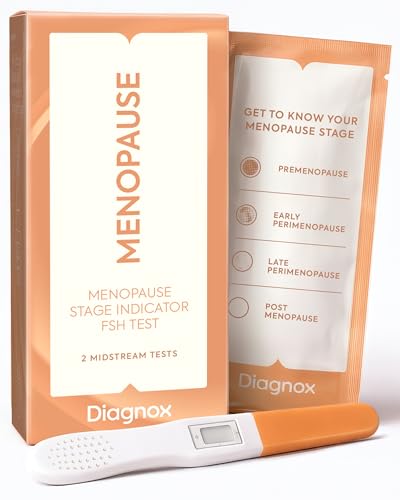
Diagnox Health Menopause Test, at-Home FSH Test Strips to Identify Menopause Stages – Fast 5-Minute Results, Clinical-Grade Midstream Strips (2 Pack)
Identify Your Menopause Stage – This menopause test detects follicle-stimulating hormone (FSH) in urine with a sensitivity of…
As an affiliate, we earn on qualifying purchases.
As an affiliate, we earn on qualifying purchases.