Climate change worsens air quality and increases heatwaves, raising health risks for everyone, especially vulnerable groups like the elderly and low-income communities. Poor air quality leads to respiratory diseases and premature deaths, while heatwaves cause heat stress and other illnesses. These impacts also promote the spread of infectious diseases and cause huge economic costs globally. Understanding these challenges can help you learn how strategies and policies are evolving to protect health in a warming world.
Key Takeaways
- Climate change worsens air pollution, increasing respiratory diseases and premature deaths worldwide.
- Heatwaves disproportionately threaten vulnerable populations like the elderly and low-income communities.
- Rising temperatures and altered environments boost vector-borne diseases such as malaria and dengue.
- Urban heat islands amplify heat-related health risks, especially in areas with poor green infrastructure.
- Effective policies and community engagement are essential to mitigate health impacts of climate-induced air quality and heat issues.

Air Purifiers for Home Large Room, Cover Up to 2600 Ft² with Washable Filters, Powerful Turbo Mode, PM2.5 Air Quality Display, 22dB Sleep Mode, Air Cleaner for Pets Hair, Smoke, Odors, HAP607, White
𝐓𝐑𝐈𝐏𝐋𝐄 𝐈𝐍𝐓𝐀𝐊𝐄, 𝐖𝐇𝐎𝐋𝐄-𝐑𝐎𝐎𝐌 𝐏𝐔𝐑𝐈𝐅𝐈𝐂𝐀𝐓𝐈𝐎𝐍: Featuring a front air inlet combined with wider dual-side air inlets, this air purifier…
As an affiliate, we earn on qualifying purchases.
As an affiliate, we earn on qualifying purchases.
The Rising Threat of Air Pollution and Respiratory Diseases
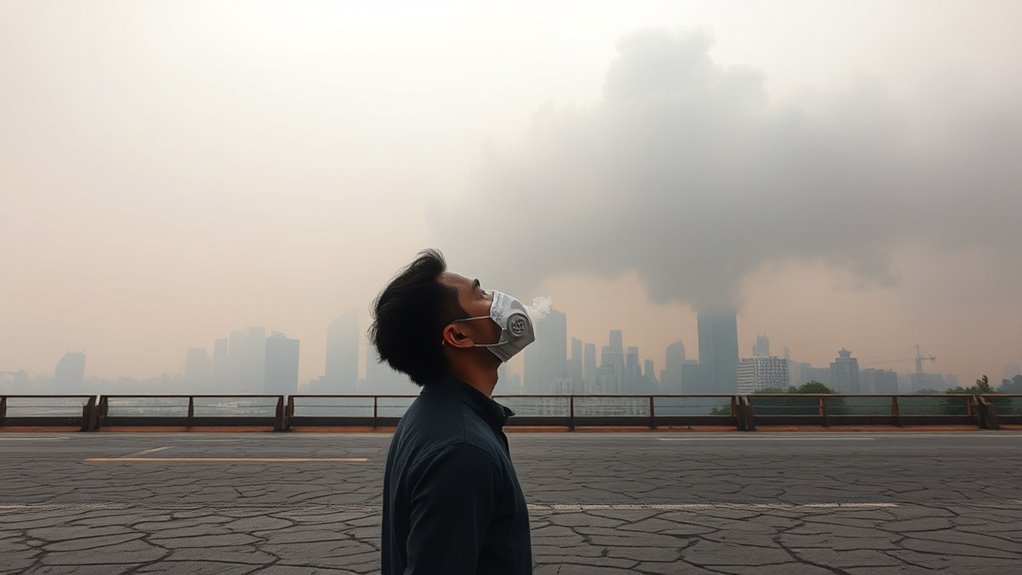
Have you ever wondered how air pollution directly threatens your respiratory health? It’s a major risk factor for diseases like asthma and COPD, causing millions of premature deaths each year. Particulate matter (PM), nitrogen oxides (NOx), and ozone are the main culprits behind these health issues. COPD, in particular, remains the leading preventable cause of respiratory death linked to pollution. Regions such as southeastern and eastern Europe experience higher impacts from air pollution, worsening the health burden. Outdoor pollution also raises the risk of lung cancer, accounting for nearly 29% of global lung cancer deaths. Low- and middle-income countries suffer the most, where industrial activities, transportation, and energy production pollute the air, making respiratory diseases a pressing global health concern. Fine particulate matter (PM2.5) has the greatest health impact, primarily resulting from fuel combustion. Additionally, the contrast ratio of pollutants influences the severity of health outcomes, with higher ratios often correlating with increased respiratory risks.

PlayHot Portable Handheld Turbo Fan with Ice Cooling, Rechargeable Personal Fan, Up tp 12Hrs Cooling, 5 Speed 25550RPM Powerful Portable Fan for Travel, Outdoor, Camping, Hiking (Black)
One Touch Cooling to 60°F – The PlayHot hand hald fan can lower the surface temperature to 60°F…
As an affiliate, we earn on qualifying purchases.
As an affiliate, we earn on qualifying purchases.
Heatwaves and Their Impact on Vulnerable Populations

Did you know that heatwaves pose a disproportionate threat to society’s most vulnerable groups? Elderly people are at higher risk because their bodies don’t regulate heat well, especially with pre-existing health conditions. Low-income communities often lack access to cooling systems, increasing their chances of heat-related illnesses. Outdoor laborers face dangerous heat stress without proper protections, which can also reduce their work productivity. Children’s underdeveloped temperature regulation makes them more vulnerable, and those with chronic illnesses like heart or lung diseases experience worsened symptoms during heatwaves. These risks lead to more hospital visits and strain healthcare systems. Urban areas with poor green spaces and aging infrastructure worsen exposure. The risk of heat-related mortality is significantly higher among these groups. Without targeted interventions, these vulnerable groups will continue to bear the brunt of increasingly severe heatwaves. Additionally, adequate cooling solutions and community outreach are essential to mitigate these dangers and protect at-risk populations from the escalating impacts of climate change. Furthermore, implementing public health awareness campaigns can help communities prepare for and respond effectively to extreme heat events. Recognizing the importance of environmental considerations can help reduce urban heat island effects and improve overall resilience. Incorporating AI-driven analytics can enhance early warning systems, allowing communities to better anticipate and respond to extreme heat conditions. Research shows that urban infrastructure improvements can significantly lower local temperatures and reduce heat-related health issues.

EUHOMY 8000 Btu Portable Air Conditioners, 3 in 1 Portable AC with Cool, Dry, Fan Modes, Quiet Air Conditioners with 24H Timer & Sleep Modes, with Remote, for Bedroom, Apartments up to 350 Sq.Ft
𝐅𝐚𝐬𝐭, 𝐏𝐨𝐰𝐞𝐫𝐟𝐮𝐥 𝐂𝐨𝐨𝐥𝐢𝐧𝐠 𝐟𝐨𝐫 𝐌𝐞𝐝𝐢𝐮𝐦-𝐒𝐢𝐳𝐞𝐝 𝐑𝐨𝐨𝐦𝐬: With 8,000 BTU cooling power and strong 350 CFM airflow, this EUHOMY…
As an affiliate, we earn on qualifying purchases.
As an affiliate, we earn on qualifying purchases.
Climate Change’s Role in Spreading Infectious Diseases

Climate change plays a significant role in spreading infectious diseases by altering environmental conditions that affect pathogen survival and transmission. Warmer temperatures and changing humidity levels create environments where pathogens, waterborne, and airborne, thrive. Environmental shifts influence pathogen persistence Increased temperatures expand the habitats of insect vectors like mosquitoes and ticks, raising the risk of diseases such as malaria, dengue, and Lyme disease. Waterborne illnesses like cholera flourish with higher moisture and temperature, making outbreaks more frequent. Climate-driven changes also foster the emergence of new diseases and amplify epidemic potential. Vector habitats expand, Vulnerable regions with poor sanitation and healthcare infrastructure are especially affected.

Qualirey 26W HVAC UV Light Sanitizer Air Purifier for Whole House, 110V Dual UV UVC Light in Duct for HVAC Duct Filter, UV Duct Air Purifier for AC Air Conditioning
HVAC UV Light in Duct: specially designed for compatibility with D200 UV R18 R18D R2000 HVAC UV lamp;…
As an affiliate, we earn on qualifying purchases.
As an affiliate, we earn on qualifying purchases.
Economic and Societal Costs of Climate-Related Health Issues
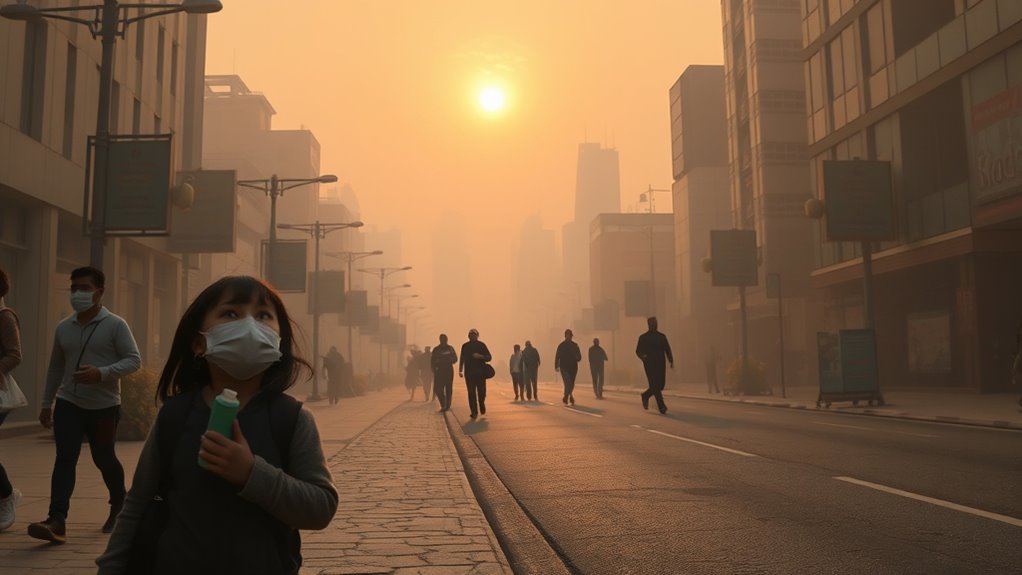
The health impacts caused by climate change extend beyond physical suffering, imposing significant economic and societal costs worldwide. By 2050, climate-related health issues are expected to cost between $1.7 trillion and $3.1 trillion annually, with healthcare systems bearing an extra $1.1 trillion. These costs strain resources, diverting funds from other sectors and risking infrastructure damage. Climate change may cause an additional 14.5 million deaths worldwide. The economic toll includes the loss of around 14.5 million lives, translating into substantial productivity reductions. Extreme weather events, which have already cost over $2.8 trillion in the past two decades, further exacerbate economic burdens. Vulnerable populations, especially in poorer countries, face disproportionate risks, and the rising costs threaten to deepen inequalities, making climate-related health issues a critical economic and societal challenge worldwide. Additionally, understanding and addressing public health vulnerabilities is essential for developing effective mitigation and adaptation strategies to reduce these impacts. Recognizing the importance of health risk assessment can improve targeted interventions and resource allocation. Risk assessment in health planning can help identify vulnerable groups and tailor interventions accordingly, emphasizing the importance of preventive healthcare in mitigating long-term costs. Furthermore, incorporating behavioral insights from psychology can enhance the effectiveness of public health responses and promote healthier behaviors among populations.
Global Disparities in Climate and Health Vulnerabilities

Why do some communities face greater health risks from climate change than others? It’s often due to historical inequalities that shape housing, healthcare, and education access. Low-income neighborhoods and communities of color tend to live in areas with higher pollution and poorer housing conditions, making them more vulnerable to climate-related health issues. Environmental injustices further exacerbate these disparities, leading to unequal health outcomes. Limited healthcare access worsens outcomes when climate disasters strike, especially for the poorest populations. Geographic factors also play a role—some regions are naturally more vulnerable because of climate patterns or socio-economic disparities. These factors combine, amplifying risks like heat stress, air pollution, and vector-borne diseases. For instance, urban heat islands can significantly increase local temperatures, intensifying heat-related health problems. The presence of self-watering plant pots in urban environments can help reduce local temperatures and improve air quality, benefiting vulnerable communities. Additionally, urban greening initiatives can provide natural cooling and improve air quality, helping to mitigate climate-related health risks. Vulnerable communities often lack access to climate-resilient infrastructure, which could help mitigate some of these risks. Structural inequities mean marginalized communities bear the brunt of climate impacts, leaving them less prepared and more exposed to health threats.
Strategies for Mitigating Health Risks in a Changing Climate
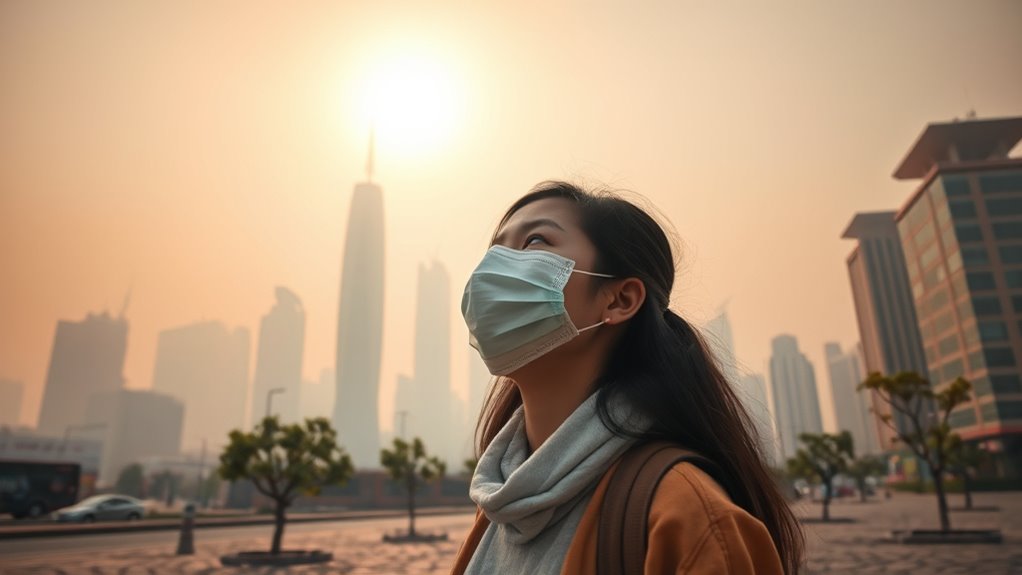
Addressing the unequal health impacts of climate change requires targeted strategies to reduce risks and protect vulnerable populations. First, you should quantify health impacts like years of life lost and financial costs to prioritize resources effectively. Utilizing data on spoiled lemon juice quality and shelf life can inform public health messaging about food safety in changing climate conditions. Additionally, understanding population vulnerabilities enables more precise intervention planning by identifying at-risk groups and locations. Assess vulnerabilities by identifying at-risk populations and locations, guiding targeted interventions. Conduct economic analyses to support policy changes and use data-driven insights to focus efforts on the most affected areas. Develop and regularly update climate and health adaptation plans, incorporating resilient health infrastructure and public health interventions. Increasing awareness about the health risks of heatwaves is crucial for prompting proactive measures and behavioral changes within communities. Promoting community engagement is essential for designing culturally appropriate and effective mitigation strategies. Promote innovative technologies, clean energy, and sustainable practices to mitigate risks. Foster collaborations, embed health into policies, and engage communities to ensure comprehensive, effective mitigation strategies. Recognizing the importance of climate resilience in public health planning can enhance the effectiveness of these strategies and better prepare communities for future challenges.
Frequently Asked Questions
How Does Climate Change Specifically Worsen Air Quality Globally?
You see that climate change worsens air quality by increasing ground-level ozone formation through higher temperatures and longer heatwaves. Wildfires become more frequent and intense, releasing harmful particles into the air.
Pollen seasons extend and produce more allergens, while changing weather patterns spread pollutants and allergens farther. Rising methane and VOCs from warmer oceans and land further degrade air quality, making it harder to breathe and impacting health worldwide.
What Are Effective Community Strategies to Protect Vulnerable Populations From Heatwaves?
Did you know that heatwaves can increase mortality rates by up to 50% among vulnerable groups? To protect them, you should implement multi-pronged heat action plans, open cooling centers, and run public awareness campaigns.
Active outreach like home visits can help monitor at-risk individuals, while community collaboration and policy support guarantee safety.
Using innovative cooling technologies and accessible resources, you can effectively reduce heat-related health risks in your community.
How Can Developing Countries Strengthen Health Systems Against Climate-Induced Infectious Diseases?
You can strengthen health systems by investing in climate-driven disease surveillance, like predictive modeling and real-time data sharing, to catch outbreaks early.
Expand healthcare capacity with better supplies, trained workers, and mobile units for remote areas.
Improve water, sanitation, and hygiene infrastructure to prevent waterborne illnesses.
Promote community resilience through early warning systems, climate-smart housing, and natural buffers, ensuring vulnerable populations stay protected during climate-related health crises.
What Policies Could Reduce Economic Costs Associated With Climate-Related Health Issues?
You can reduce economic costs by implementing policies that promote green infrastructure, improve air quality, and support heat stress mitigation.
Investing in community-based health initiatives and offering economic incentives for industries adopting health-focused climate solutions will also help.
Conducting cost-benefit analyses and regularly evaluating policies guarantee resources are efficiently used.
Additionally, fostering international collaboration and integrating health into national climate plans strengthen resilience and cut healthcare expenses related to climate impacts.
Why Do Low-Income Countries Face Higher Health Risks Despite Contributing Less to Emissions?
You might find it surprising that low-income countries, responsible for just one-tenth of global emissions, bear nearly 89% of premature deaths from air pollution.
Despite their minimal contribution, they face higher health risks because of greater exposure, weaker healthcare systems, and limited resources for adaptation.
Poverty, poor living conditions, and vulnerability to climate impacts worsen their health outcomes, making them disproportionately affected by climate-related risks.
Conclusion
As you face a world where smoky skies and scorching heat become everyday sights, remember that your actions shape the air you breathe and the climate you endure. Picture a future where clean air and cooler days are within reach, not just distant dreams. By acting now—reducing emissions and embracing sustainable choices—you help paint a brighter, healthier horizon for yourself and generations to come. The power to change the climate’s course is in your hands.