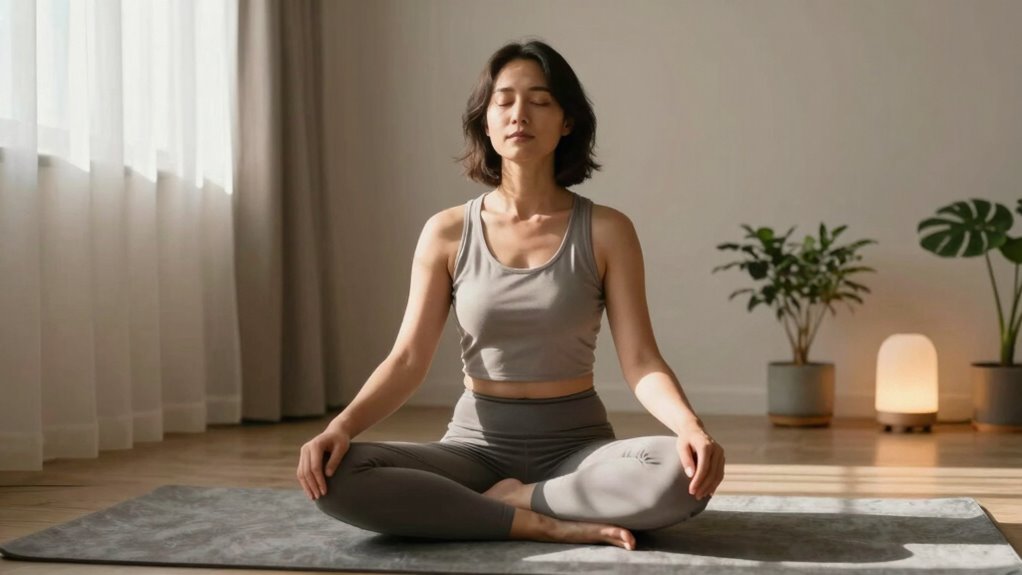

To quickly calm your mind, try diaphragmatic breathing—deep breaths into your belly—helping you activate your relaxation response instantly. Pair it with box breathing, where you inhale, hold, exhale, and pause for four seconds each. These techniques stop impulsive reactions, lower your heart rate, and quiet racing thoughts. With regular practice, you’ll find these methods become natural go-to tools for managing stress anytime—you’ll discover even more effective strategies along the way.

Get the latest gadgets delivered free with Prime
- Fast, free delivery on millions of items
- Prime Video, Amazon Music and more included
- Member-only deals all year
Key Takeaways
- Diaphragmatic breathing deeply engages the belly for immediate relaxation and stress reduction.
- Box breathing involves inhaling, holding, exhaling, and pausing for four seconds each, quickly calming the nervous system.
- Both techniques activate the body’s relaxation response, lowering heart rate and easing muscular tension.
- Regular practice enhances mental clarity and emotional resilience, making calmness more accessible during stress.
- These simple, portable methods can be practiced anytime to quickly reset overwhelmed emotions.
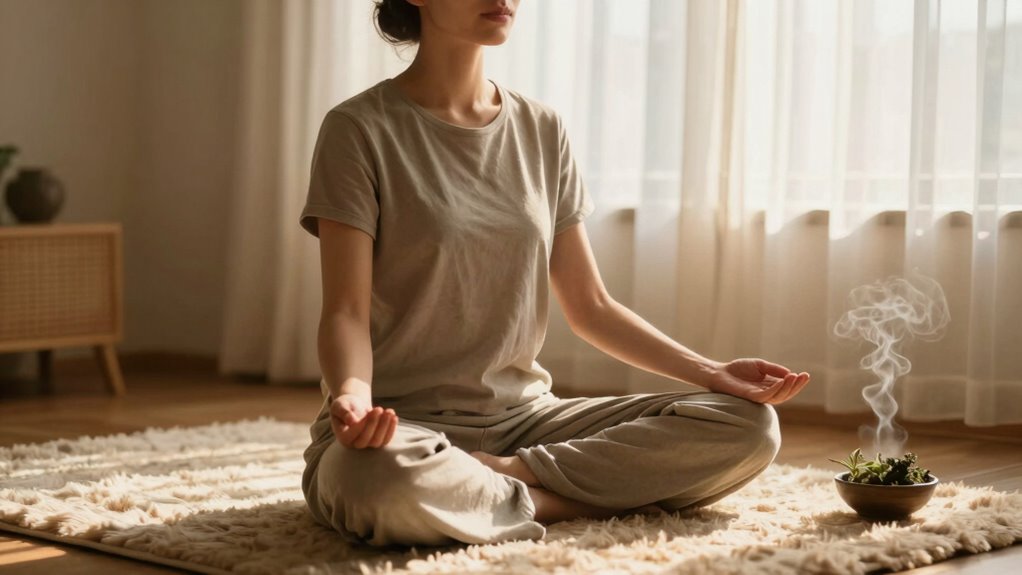
Have you ever wondered how a simple breath can instantly bring you back to a state of calm? It’s remarkable how something so basic can have such a profound effect on your mental and physical well-being. When you focus on mindful breathing, you activate your body’s natural relaxation response, helping to reduce stress quickly and effectively. Mindful breathing encourages you to pay close attention to each inhale and exhale, anchoring your awareness in the present moment. This practice isn’t about controlling your breath but rather observing it without judgment. As you do this, you create a mental space where stress begins to melt away.
A simple breath can quickly restore calm and reduce stress by anchoring you in the present moment.
When stress hits, taking a few moments to engage in mindful breathing can be a game-changer. Instead of reacting impulsively, you allow yourself to pause and reset. Slow, deliberate breaths signal your nervous system to shift from the fight-or-flight response to a calmer state. This shift is key to stress reduction because it helps lower your heart rate, reduce muscular tension, and quiet your racing mind. You might notice that your thoughts become clearer, and your emotions settle. The beauty of mindful breathing is that you can do it anywhere—whether you’re at work, stuck in traffic, or feeling overwhelmed at home. All it takes is a conscious intention to breathe differently.
Breathwork techniques that deliver fast results often include simple exercises like diaphragmatic breathing, where you breathe deeply into your belly rather than shallowly into your chest. As you inhale through your nose, feel your stomach rise, then slowly exhale through your mouth or nose, letting your belly fall. This helps you access your body’s relaxation pathways more efficiently. Another effective method is box breathing: inhale for four seconds, hold your breath for four seconds, exhale for four seconds, then pause for four seconds before repeating. This rhythmic pattern helps stabilize your nervous system and promotes rapid stress reduction. Maintaining a consistent relaxation response through these techniques can significantly enhance your overall sense of calm and well-being. Recognizing how your stress response affects your body empowers you to take control through mindful breathing. Additionally, understanding the importance of establishing a regular practice can help deepen the benefits over time.
Engaging in mindful breathing exercises consistently can also strengthen your body’s ability to manage stress triggers more effectively. Regular practice can also promote better mental clarity and emotional resilience, making it easier to handle daily challenges. The key is consistency. Practicing these techniques regularly trains your mind and body to respond swiftly to stress, turning breathing into a powerful tool for calm whenever you need it. Over time, mindful breathing becomes second nature, giving you an accessible way to manage anxiety, improve focus, and foster overall well-being. The next time life feels overwhelming, remember that your breath is always there—ready to anchor you back to calm with just a few mindful, intentional inhales and exhales.
diaphragmatic breathing exercise device
As an affiliate, we earn on qualifying purchases.
As an affiliate, we earn on qualifying purchases.
Frequently Asked Questions
Can Breathwork Replace Medication for Anxiety?
Breathwork can be a helpful tool for managing anxiety, but it shouldn’t substitute medication without medical advice. It complements meditation integration and promotes stress reduction, which can improve your overall well-being. If you’re considering replacing medication, consult your healthcare provider to guarantee safety. Breathwork offers quick relief and long-term benefits, but it’s best used alongside professional treatment for anxiety, especially in severe cases.
How Long Does It Take to See Results?
You may notice immediate effects within minutes of practicing breathwork, helping you feel calmer and more centered. With consistent practice, you’ll also enjoy long-term benefits like reduced anxiety and improved emotional resilience. The key is regularity—practice daily or several times a week. Over time, these techniques strengthen your ability to manage stress naturally, making breathwork a powerful tool for both instant relief and lasting mental wellness.
Is Breathwork Safe for Everyone?
Breathwork safety varies, and while many find it beneficial, it’s not suitable for everyone. You should investigate contraindications breathing, especially if you have heart issues, hypertension, or respiratory conditions. Always consult with a healthcare professional if you’re unsure, as some techniques could trigger discomfort or adverse effects. Remember, understanding your body’s limits is essential to safely incorporate breathwork into your calming routines.
Can Children Practice These Techniques?
Yes, children can practice these techniques, but it’s essential to use child-friendly exercises tailored for their age. You should always provide parental guidance to guarantee they’re doing the exercises correctly and safely. Keep sessions short and engaging, and watch for signs of discomfort. With proper supervision and age-appropriate methods, breathwork can help children find calm, reduce anxiety, and improve focus effectively.
What Should I Do if I Feel Dizzy?
If you feel dizzy during breathwork, stop immediately to prevent lightheadedness relief issues. Sit or lie down in a comfortable position, and take slow, shallow breaths to help prevent dizziness. Focus on deep, steady inhalations and exhalations to promote dizziness prevention. If symptoms persist, consult a healthcare professional. Always listen to your body, and avoid pushing yourself beyond your comfort zone to stay safe during breathwork sessions.
Conclusion
So, next time life feels overwhelming, remember that calming your mind might just be a breath away—literally. Ironically, the simplest tools like controlled breathing can be the most effective, yet we often overlook them in favor of complex solutions. By embracing these quick breathwork techniques, you’re actually rediscovering an ancient secret to peace. Who knew that the easiest way to find calm is by simply taking a deep breath?
Columbus Day / Indigenous Peoples' Day Picks
long weekend sales
As an affiliate, we earn on qualifying purchases.