
Virtual reality films and interactive cinema are transforming how you experience stories. Instead of passively watching, you step inside the narrative, exploring environments, making choices, and influencing outcomes. This immersive approach heightens emotions and empathy, making stories more personal and memorable. As technology advances, these formats become more seamless and accessible, giving you exciting new ways to engage with content. Keep exploring to discover how these innovations will shape the future of storytelling.
Key Takeaways
- Virtual reality films and interactive cinema create immersive storytelling experiences that prioritize active participation over passive viewing.
- These formats respond to user movements and choices, increasing emotional engagement and empathy with characters.
- Interactive cinema features branching storylines and decision points, allowing users to influence narrative outcomes.
- The narrative structure shifts to non-linear, open-ended formats, enhancing replayability and personal significance.
- Advances in technology make immersive storytelling more accessible, engaging, and personalized, transforming users into active story participants.
Have you ever wondered how storytelling is evolving with technology? Virtual reality films and interactive cinema are transforming the way you experience stories, immersing you directly into the narrative environment. Unlike traditional movies, these formats prioritize immersive storytelling, allowing you to step inside the story rather than just watch it unfold on a screen. When you put on a VR headset or interact with a digital environment, you’re no longer a passive viewer—you become an active participant. This shift dramatically enhances user engagement, making the experience more personal and memorable. Instead of simply observing characters and events, you can influence outcomes, explore different perspectives, and feel genuinely connected to the story world.
Virtual reality transforms storytelling by immersing you as an active participant, making experiences personal, engaging, and memorable.
With virtual reality, filmmakers and creators leverage cutting-edge technology to craft environments that respond to your movements, gestures, and choices. This level of interaction heightens your emotional investment, as you’re often placed at the center of the narrative. For example, in an immersive VR film, you might look around a scene, hear sounds from different directions, or even make decisions that shape the story’s progression. This kind of engagement isn’t just about entertainment; it deepens your understanding and empathy for the characters’ experiences. As a result, stories become more compelling because you’re emotionally involved rather than simply observing from a distance.
Interactive cinema takes this engagement even further by offering branching storylines and real-time decision points. When you’re faced with choices, you’re not just passively watching a predetermined plot but actively shaping its direction. This interactive element encourages repeated viewings since you can explore different outcomes and story paths. It also fosters a sense of agency, making you feel like a collaborator in the storytelling process. Such formats are especially effective for educational content, marketing, and immersive journalism, where user engagement can be harnessed to deepen understanding and make experiences more impactful.
The rise of virtual reality films and interactive cinema is also pushing creators to rethink narrative structures. They now craft stories that are non-linear and open-ended, inviting you to explore a story universe from multiple angles. This flexibility means that your experience can be unique each time you engage, increasing the replay value and personal significance of the story. As technology advances, expect these immersive storytelling techniques to become more seamless and accessible, making storytelling more dynamic and participatory than ever before. You’re no longer just a viewer—you’re an essential part of the story’s fabric. Additionally, key traits of successful creators such as attention to detail and problem-solving skills are vital in designing these complex, interactive experiences that resonate with audiences.
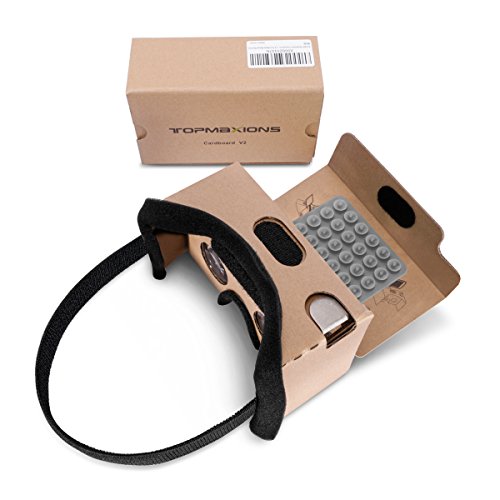
Google Cardboard,Topmaxions 3D VR Virtual Reality DIY VR Headset for 3D Movies and Games Compatible with Android & Apple Up to 6 Inch Easy Setup Machine
In particular, added the sponge nose pad and forehead pad to Let your nose and face feel more…
As an affiliate, we earn on qualifying purchases.
As an affiliate, we earn on qualifying purchases.
Frequently Asked Questions
How Does VR Impact Audience Emotional Engagement?
VR enhances your emotional engagement by immersing you fully in the story, making you feel like you’re part of the experience. This emotional immersion deepens your connection, allowing you to better understand and empathize with characters’ feelings. As a result, VR fosters stronger audience empathy, as you’re not just observing but actively participating in the narrative, which heightens your emotional response and makes the story more impactful and memorable.
What Are the Main Technical Challenges in Creating Interactive VR Films?
Imagine building a bridge where each cable represents real-time rendering, supporting seamless immersion. The main challenges you face include ensuring smooth, lag-free visuals and integrating precise haptic feedback to mimic touch sensations. You must also optimize hardware capabilities, reduce latency, and manage complex interactions. Balancing these elements is vital to create an engaging, realistic experience, akin to constructing a sturdy, responsive bridge that invites users to explore without interruption.
How Accessible Are VR Films to Mainstream Audiences?
VR films are becoming more accessible to mainstream audiences, but cost barriers still exist, making the necessary equipment expensive for many. Additionally, distribution channels are limited compared to traditional media, often restricting how easily viewers can access these experiences. While technology is advancing and prices are dropping, widespread adoption will depend on reducing costs and expanding distribution options, so more people can enjoy immersive VR content.
What Are the Future Trends in VR Filmmaking Technology?
You’ll see the future of VR filmmaking evolve rapidly, with haptic feedback making experiences more immersive and realistic. Eye tracking technology will personalize your journey, adjusting scenes based on where you look, heightening engagement. As these innovations become more affordable and precise, expect cinema to blur the lines between viewer and participant, creating stories that respond to your every move and sensation—transforming how you experience stories forever.
How Do Rights and Licensing Work for Interactive VR Cinema Content?
When working with interactive VR cinema content, you need to understand that rights and licensing are governed by intellectual property laws and licensing agreements. You, as a creator or distributor, must secure proper permissions for any copyrighted material, including visuals, music, or scripts. Always clarify licensing terms, whether exclusive or non-exclusive, to avoid legal issues. This guarantees you maintain proper rights while respecting the original creators’ intellectual property.

SENYHPHC Virtual Reality Headset for iPhone & Android Phones, VR Headset with Remote Controller, HD 3D VR Glasses for TV, Movies & Video Games, VR Headset for Kids, Adults, Compatible 4.7-7 inch
★★We only make delicate product!★★VR headset for iPhone/Android phone Compatible 4.7-7 inch, 3D vr glasses can turn mobile…
As an affiliate, we earn on qualifying purchases.
As an affiliate, we earn on qualifying purchases.
Conclusion
So, get ready to forget reality entirely—because who needs boring old movies when you can wear a headset and step into a world where your choices actually matter? Soon, you’ll be dodging virtual bullets or choosing your own adventure, all while forgetting the real world exists. Just remember, if you start confusing pixels with reality, don’t say we didn’t warn you—your new interactive cinema might just be your next addiction.

Virtual Reality Headset for Phone with Controller, 3D VR Glasses Adjustable VR Virtual Reality Goggles, Compatible 4.7-6.5 inch for iPhone & Android, for Movies Games(Black)
3D VR Headset View: Let your smartphone become a virtual reality viewer, immerse yourself in a magical world…
As an affiliate, we earn on qualifying purchases.
As an affiliate, we earn on qualifying purchases.

POP! Cardboard Google Cardboard with Free Head Strap and Cushion for Android and iPhone, Fits Every Phone, Including Lenses, 3D VR Glasses Virtual Reality Viewer VR Goggles
MADE IN GERMANY: Highest product quality with a unique design
As an affiliate, we earn on qualifying purchases.
As an affiliate, we earn on qualifying purchases.