
Virtual museums and art galleries let you explore incredible artworks from anywhere with an internet connection, removing the need to travel or wait in lines. You can enjoy high-resolution images, virtual walkthroughs, and interactive features that mimic real gallery experiences. These platforms also offer multimedia content like videos and expert commentary that deepen your appreciation. By combining digital curation with immersive technology, they make art more accessible and engaging—if you continue exploring, you’ll discover even more ways to enjoy art digitally.

Get the latest gadgets delivered free — and shop member deals
- Fast, free delivery on millions of items
- Access to Prime Big Deal Days deals on October 6–7
- Prime Video, Amazon Music and more included
Key Takeaways
- Virtual museums provide access to artworks from anywhere, eliminating travel and offering flexible scheduling.
- Digital curation organizes collections to tell stories, highlight themes, and facilitate seamless navigation.
- Immersive features like high-resolution images and virtual walkthroughs enhance engagement and detailed viewing.
- Multimedia content such as videos and audio guides enrich understanding and offer contextual information.
- These platforms break accessibility barriers, enabling personalized, interactive, and repeatable art exploration.
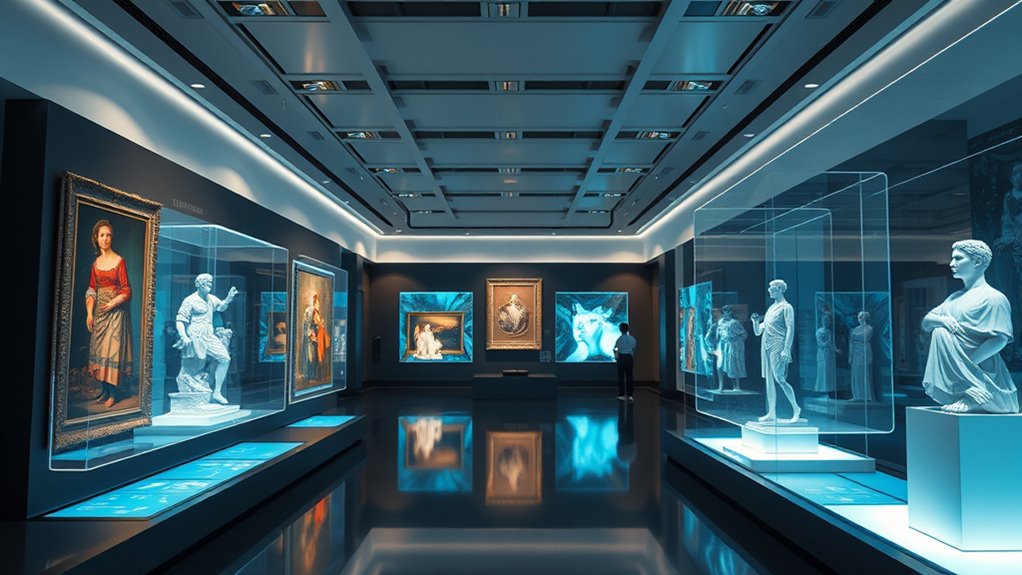
Virtual museums and art galleries are transforming the way you experience art by making masterpieces accessible from anywhere with an internet connection. No longer do you need to travel or wait in long lines to see iconic works. Instead, digital curation allows you to explore collections that are meticulously organized and presented online, giving you a seamless way to navigate through different eras, styles, and artists. The digital curation process involves selecting and arranging artwork to tell a story or highlight specific themes, which enhances your understanding and appreciation of each piece. This thoughtful presentation creates a more engaging experience, helping you connect with art on a deeper level without being physically present.
Explore curated online collections that make art accessible and engaging from anywhere in the world.
One of the most exciting aspects of virtual museums is their ability to offer immersive experiences. Through high-resolution images, 360-degree views, and interactive features, you’re transported into a space that feels remarkably real. You can virtually walk through galleries, zoom in to see brushstrokes and textures, or click on details for in-depth information about each artwork. These immersive experiences make you feel as though you’re standing before a masterpiece, engaging more senses and creating a memorable encounter. Virtual reality and augmented reality tools further enhance this sense of presence, allowing you to explore exhibitions in a way that traditional viewing simply can’t match. Whether it’s examining ancient artifacts up close or strolling through a contemporary installation, these digital innovations bring art to life in a vivid, dynamic way.
The flexibility of virtual platforms also means you can tailor your visits to suit your interests and schedule. You’re not bound by open hours or geographic limitations—you can explore multiple museums in a single day or revisit your favorites as often as you like. Many online collections also include multimedia content like videos, audio guides, and expert commentary, enriching your understanding of each piece and providing context that might be missing in a physical setting. This multimedia approach, combined with digital curation and immersive features, makes your virtual visit as informative and engaging as an in-person tour, if not more so. Additionally, the ability to access expert commentary enhances your appreciation and knowledge of the artworks, turning your virtual experience into a comprehensive educational journey.
In essence, virtual museums and art galleries are breaking down barriers to art appreciation. They leverage digital curation to present collections thoughtfully and employ immersive experiences to deepen your connection. This combination allows you to enjoy art in new, innovative ways—accessible, interactive, and tailored to your personal interests—regardless of where you are in the world.
virtual reality art gallery headset
As an affiliate, we earn on qualifying purchases.
As an affiliate, we earn on qualifying purchases.
Frequently Asked Questions
How Do Virtual Museums Protect Digital Artwork From Piracy?
You can protect digital artwork from piracy by using access control measures, ensuring only authorized viewers can see high-resolution images. Implement digital watermarking to embed invisible identifiers, making it easier to trace and prove ownership if unauthorized sharing occurs. These strategies discourage piracy and help safeguard your digital art, giving you peace of mind while sharing your work online.
Can Virtual Museum Tours Be Personalized for Individual Visitors?
Yes, virtual museum tours can be personalized for you to create a more engaging experience. You might receive tailored content based on your interests, enabling deeper visitor engagement. Interactive features, such as customizable routes or focus on specific collections, help you explore the exhibits in a way that suits your preferences. This personalized experience makes your visit more meaningful and memorable, encouraging you to connect more deeply with the artwork.
What Are the Technical Requirements to Access Virtual Galleries?
Imagine you’re stepping into a virtual reality museum—first, you need a device compatible with VR headsets or a computer with good graphics. You’ll want a reliable internet connection, preferably high bandwidth, to stream high-quality images smoothly. Make certain your device has updated software and sufficient processing power. A stable internet connection with high bandwidth is essential for seamless navigation, making your virtual gallery experience immersive and enjoyable.
How Do Virtual Museums Accommodate Visitors With Disabilities?
Virtual museums accommodate visitors with disabilities by offering accessible features like screen readers, captions, and keyboard navigation. They also incorporate assistive technologies such as speech recognition and alternative text for images. These adaptations guarantee you can explore exhibits comfortably and independently. By prioritizing accessibility, virtual museums make art and history inclusive, allowing you to enjoy cultural experiences regardless of your physical or sensory abilities.
Are There Any Costs Associated With Accessing Virtual Museum Collections?
Accessing virtual museum collections is like opening a treasure chest—most times, it’s free, but some doors might ask for membership fees or download costs. You might find special exhibits or high-resolution images that require a fee or subscription. Generally, though, basic access remains open without charges, allowing you to explore art and history freely. Keep an eye out for any premium content that might come with a small cost.
Conclusion
As you explore virtual museums and art galleries, you’ll find that over 70% of visitors say online exhibits make art more accessible and engaging. This shift allows you to experience world-class collections from anywhere, breaking down barriers of distance and cost. Embrace this digital transformation, and you’ll discover a new way to connect with art and culture. Virtual galleries are truly opening doors you never knew existed, making art more inclusive for everyone.
Fall Picks
fall essentials
As an affiliate, we earn on qualifying purchases.