
TL;DR

Get the latest gadgets delivered free — and shop member deals
- Fast, free delivery on millions of items
- Access to Prime Big Deal Days deals on October 6–7
- Prime Video, Amazon Music and more included
Online interest in the murky history of Soviet-born Tetris is spiking, though the specific trigger for the surge remains unconfirmed. The long-established record — Alexey Pajitnov’s 1985 creation, the Soviet government’s rights battles, and the 1989 Game Boy deal — is well documented, but any new development behind the renewed attention has not been verified.
Interest in the murky history of Soviet-born Tetris is spiking, according to current search and coverage signals, even as the specific trigger for the renewed attention remains unconfirmed. The game’s well-documented origin story — created in 1985 by Soviet programmer Alexey Pajitnov — has long been a subject of fascination, but no verified new event, announcement, or release has yet been tied to the surge.
The confirmed historical record is substantial. Tetris was created in 1985 by Alexey Pajitnov at the Dorodnitsyn Computing Centre of the Soviet Academy of Sciences in Moscow. It became the first entertainment software ever exported from the Soviet Union, and its path to global fame ran through a tangle of licensing agreements, government claims, and corporate negotiations.
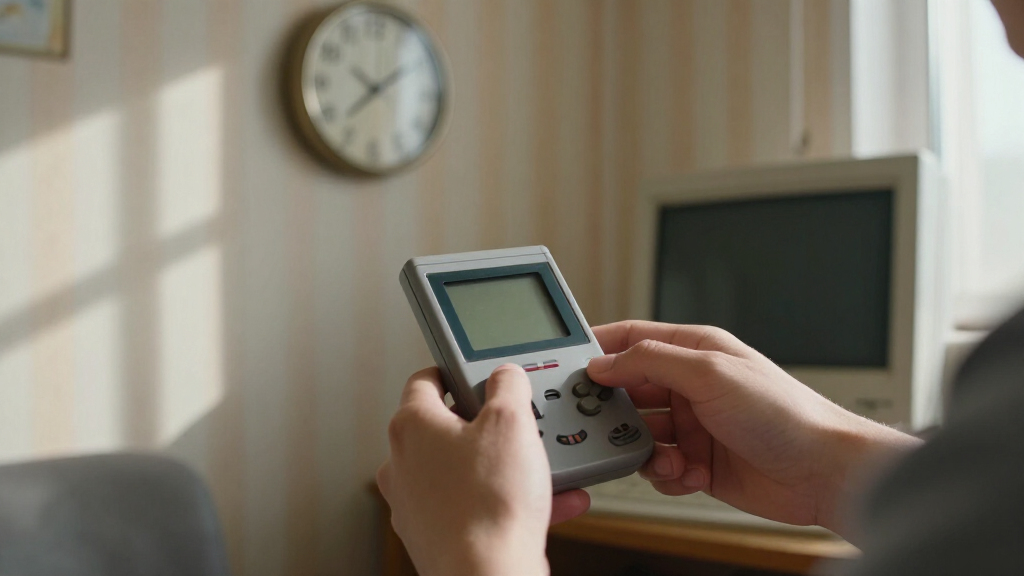
The most consequential deal came in 1989, when Nintendo secured rights to bundle Tetris with the Game Boy, cementing its place as one of the most recognizable video games in history. Pajitnov himself received no royalties for years, as the Soviet government claimed ownership of the program. It was only in 1996, after he co-founded The Tetris Company with game designer Henk Rogers, that he began to earn from his creation.
Why Tetris’s Origin Story Still Resonates
Tetris is more than a puzzle game; it is a cultural artifact of the late Cold War era. Its journey from a Moscow computer lab to a global handheld phenomenon illustrates how intellectual property, state control, and private enterprise collided in the final years of the Soviet Union. The story matters because it shaped modern video game licensing — the 1989 Nintendo deal set a precedent for how software rights were negotiated across borders.
For readers, the renewed interest offers a chance to separate the well-documented facts from the myths that have grown around the game’s history. The distinction between what the Soviet government claimed and what Pajitnov actually created remains a central tension in the story, and it continues to inform debates about authorship and ownership in software development.
Top picks for "murky history soviet"
As an affiliate, we earn on qualifying purchases.
The Known Record of a Soviet Software Icon
The game’s Soviet origins are among the best-documented stories in video game history. Pajitnov developed Tetris while working at the Soviet Academy of Sciences, drawing inspiration from a pentomino puzzle game he enjoyed. The name “Tetris” combines “tetra” (the Greek word for four) with “tennis,” Pajitnov’s favorite sport — a detail he has shared in interviews over the years.
The rights history is equally well charted. The Soviet government, through its foreign trade organization, claimed ownership of the game, leading to a series of contested deals in Europe, the United States, and Japan. The 1989 agreement with Nintendo resolved the major disputes, but the financial arrangements left Pajitnov without compensation until the mid-1990s. The 2023 Apple TV+ film “Tetris” dramatized these events, bringing the story to a new audience.
What Is Driving the Current Surge
The specific trigger for the current spike in interest is unconfirmed. No verified announcement, anniversary, release, or news event has been tied to the surge at this time. It is possible the attention stems from renewed discussion of the 2023 film, a social media trend, or an upcoming documentary — but none of these have been confirmed as the cause.
Likewise, any claims about new details in Tetris’s history should be treated as unverified until they are tied to a named source. The long-established record stands, but whether the current interest reflects a genuinely new development or simply a revival of old discussions remains unknown.
Watching for a Confirmed Trigger
Until a specific event or announcement is confirmed, the current interest spike is best understood as a trend signal rather than a news development. Observers should watch for official statements from The Tetris Company, new film or documentary announcements, or commentary from Pajitnov himself, any of which could explain the renewed attention.
In the absence of a confirmed trigger, the documented history of Tetris — its Soviet creation, its licensing battles, and its global success — remains the reliable record for readers seeking accurate information.
Key Questions
Who created Tetris and when?
Tetris was created by Alexey Pajitnov in 1985 at the Dorodnitsyn Computing Centre of the Soviet Academy of Sciences in Moscow.
Why didn’t Pajitnov earn royalties for years?
The Soviet government claimed ownership of the game through its foreign trade organization, and Pajitnov received no royalties until 1996, when he co-founded The Tetris Company with Henk Rogers.
What was the significance of the 1989 Nintendo deal?
Nintendo secured rights to bundle Tetris with the Game Boy in 1989, making the game a global phenomenon and setting a precedent for cross-border software licensing agreements.
Is there a confirmed reason for the current spike in interest?
No. The trigger for the current surge in search and coverage interest is unconfirmed. No verified announcement, release, or event has been tied to it.
Where can readers find reliable information about Tetris’s history?
The documented record includes Pajitnov’s own interviews, the 2023 Apple TV+ film “Tetris,” and historical accounts of the licensing battles. Any new claims should be attributed to named sources before being treated as fact.
Source: hn
Fall Picks
fall essentials
As an affiliate, we earn on qualifying purchases.