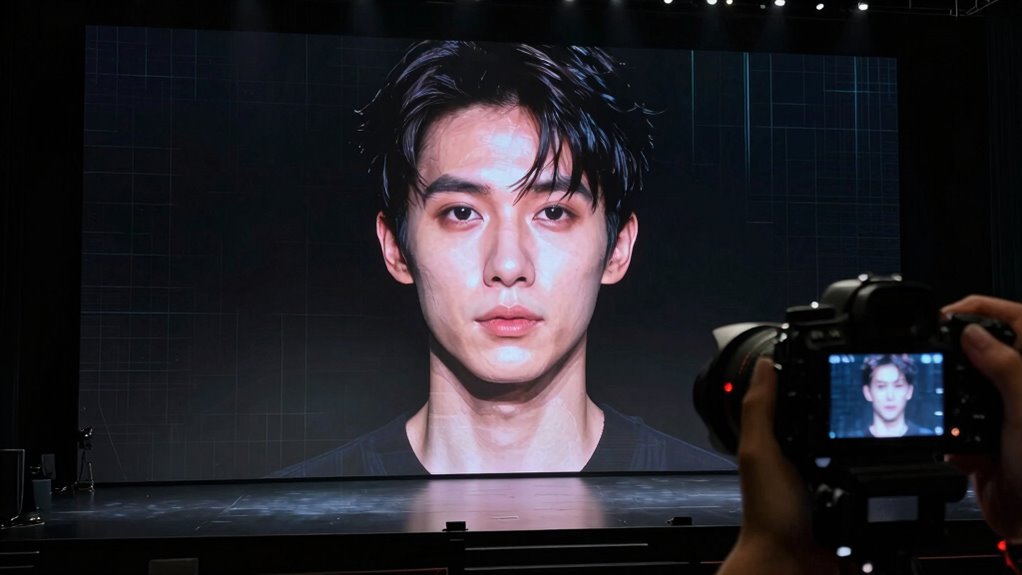

Deepfakes are revolutionizing entertainment by creating realistic visuals and audio, such as resurrecting actors or de-aging performers. However, you should be aware of ethical concerns like privacy violations and consent, along with legal issues that vary by region. Malicious use and authenticity challenges are growing, making it harder to trust media sources. If you want to understand how these innovations impact trust and morality in entertainment, there’s more to explore below.

Get the latest gadgets delivered free — and shop member deals
- Fast, free delivery on millions of items
- Access to Prime Big Deal Days deals on October 6–7
- Prime Video, Amazon Music and more included
Key Takeaways
- Deepfakes enable innovative visual effects and resurrecting actors, offering new creative possibilities in entertainment.
- Ethical concerns arise from unauthorized use of personal likenesses and potential for reputational harm.
- Legal frameworks are still evolving, with laws addressing non-consensual deepfake creation and distribution.
- Increasing accessibility raises risks of malicious use, making content verification more challenging.
- Responsible use and consumer awareness are essential to maintain trust and ensure ethical deployment in entertainment.
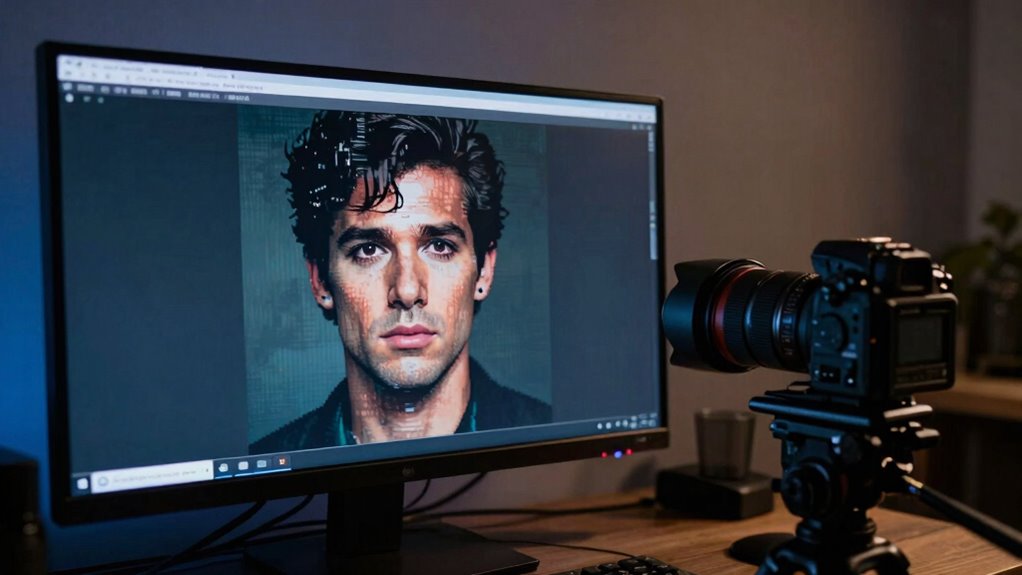
Have you ever wondered how technology is transforming entertainment? One of the most striking innovations is the rise of deepfakes—highly realistic digital manipulations that can swap faces, alter voices, or create entirely synthetic scenes. While they open exciting creative possibilities, deepfakes also raise significant concerns about privacy and the legal implications involved. As you watch a convincing scene featuring a beloved actor or a political figure, you might not realize that what you’re seeing isn’t real. This blurring of truth and fiction challenges the foundations of trust in media and makes it crucial for you to stay informed about the ethical considerations.
Deepfakes blur truth and fiction, challenging trust and raising ethical, legal, and privacy concerns in entertainment.
In entertainment, deepfakes can be used to resurrect deceased actors, de-age performers, or create spectacular visual effects that would otherwise be impossible or prohibitively expensive. However, these innovations often come with a cost. Privacy concerns emerge when personal images or voices are used without consent, raising questions about how your likeness might be exploited. For example, someone could create a deepfake of you in a compromising or false scenario, and without proper safeguards, it could spread rapidly, damaging reputations or violating your rights. These issues underscore the importance of addressing who owns digital likenesses and how they’re used, especially as technology becomes more accessible. Additionally, the increasing accessibility of deepfake technology means that malicious actors can produce convincing fake content with less effort, further complicating the landscape.
Legal implications also come into play. Laws are still catching up with the technology, leaving many deepfake creators and distributors operating in a gray area. You might wonder about the legality of creating or sharing a deepfake, especially if it involves non-consensual content or defamatory material. Current regulations vary by jurisdiction, but many countries are considering or implementing laws to combat malicious deepfakes, emphasizing the need for responsible use. Without clear legal frameworks, content creators and consumers alike face potential repercussions, whether through lawsuits or criminal charges, if they violate privacy rights or produce harmful material. The ethical boundaries of manipulation are crucial to consider as well, ensuring that technological advancements are used responsibly and with respect for individual rights. Additionally, the rise of digital manipulation techniques has further complicated the landscape, making it harder to distinguish between authentic and fabricated content.
Despite the excitement surrounding deepfakes in entertainment, it’s essential to approach this technology with a healthy dose of skepticism. You should always question the authenticity of the images and videos you consume and recognize the ethical and legal boundaries involved. As the technology evolves, so must your awareness of the risks and responsibilities. Developers, content creators, and consumers all have a role in ensuring that deepfakes are used ethically, respecting privacy and adhering to legal standards. Only then can the innovative potential of deepfakes enhance entertainment without compromising trust, privacy, and integrity.
As an affiliate, we earn on qualifying purchases.
Frequently Asked Questions
How Do Deepfakes Impact Actor Rights and Consent?
Deepfakes impact actor rights and consent by raising concerns over unauthorized use of their likenesses. You need actor consent to guarantee their rights are protected, preventing misuse or misrepresentation. Without proper rights protection, actors could face digital manipulation that harms their reputation or career. It is crucial to establish clear agreements and ethical standards so actors maintain control over their images, ensuring their rights are respected in the digital age.
Can Deepfakes Be Used for Positive Storytelling Purposes?
Deepfakes can be a powerful tool for positive storytelling, like a double-edged sword with potential for good. You can use them to revive historical figures, create immersive experiences, or visualize stories that otherwise couldn’t be told. This enhances creative storytelling and boosts audience engagement. When used responsibly, deepfakes open doors to innovative narratives, allowing creators to push boundaries and connect more deeply with viewers.
What Legal Actions Exist Against Malicious Deepfake Creators?
You can face legal actions like lawsuits for creating malicious deepfakes, especially if they infringe on intellectual property rights or violate privacy laws. Lawsuits may target unauthorized use of someone’s likeness or copyrighted material. Additionally, authorities are increasingly cracking down on malicious deepfake creators through criminal charges or civil claims. Staying informed and respecting legal boundaries helps prevent legal consequences and protects individuals’ rights.
How Accurate Are Current Deepfake Detection Technologies?
Current deepfake detection technologies are improving but aren’t completely accurate yet. You should know that synthetic authenticity relies heavily on the sophistication of algorithms, which are becoming better at spotting manipulated content. However, the algorithm accuracy varies, and some deepfakes still slip through detection tools. As a result, you can’t fully rely on these technologies alone to verify authenticity, emphasizing the need for continued development and multiple verification methods.
Will Deepfakes Replace Traditional CGI Effects?
Deepfakes won’t replace traditional CGI effects; instead, they act as a double-edged sword, blending synthetic realism with visual authenticity. You’ll find deepfakes excel in quick, cost-effective content, but they can’t yet match CGI’s nuanced artistry and control. Think of deepfakes as a powerful brushstroke—useful, but not a complete painting. For now, both will coexist, complementing each other in creating immersive entertainment experiences.
Conclusion
As you consider deepfakes in entertainment, it’s clear they blur the line between reality and fiction. While some argue they democratize storytelling, others warn of ethical risks. Notably, recent studies suggest that deepfake technology, when used responsibly, can enhance creativity without deception’s harm. So, maybe the truth lies in moderation—embracing its potential while safeguarding authenticity. Ultimately, the challenge is maintaining trust, proving that even in a digital age, truth remains a crucial cornerstone.
Fall Picks
fall essentials
As an affiliate, we earn on qualifying purchases.