
TL;DR
SpaceX’s stock surged 6% premarket following its record-breaking IPO last week, which was the largest in history. The company’s valuation now exceeds $2 trillion, driven by investor enthusiasm and growth forecasts, though some analysts question its sustainability.
SpaceX’s stock rose 6% in premarket trading on Monday, following its record-breaking IPO last week on the Nasdaq, which marked the largest initial public offering in history.
The company was priced at $135 per share and closed Friday at $161, giving it a market capitalization above $2 trillion. Elon Musk, CEO of SpaceX, has projected the company’s revenue could reach approximately $1 trillion by 2030, with some estimates suggesting it could surpass that in 2031.
Despite the enthusiasm, some analysts remain cautious. CFRA initiated coverage with a “sell” rating and a 12-month target of $115, citing concerns over the company’s high valuation and capital intensity. Conversely, other analysts, such as those from NewStreet Research, see long-term potential, emphasizing SpaceX’s lead in rocket launch capabilities and its plans for orbital data centers, which could support future growth.
Implications of SpaceX’s Record IPO and Valuation
The sharp increase in SpaceX’s stock highlights investor confidence in its growth prospects, especially in satellite internet via Starlink and space launch services. The company’s valuation above $2 trillion makes it one of the most highly valued aerospace firms, raising questions about whether its future earnings can justify this valuation or if it reflects speculative enthusiasm. The IPO’s success also demonstrates strong market appetite for space-related ventures, potentially influencing future funding and development in the sector.
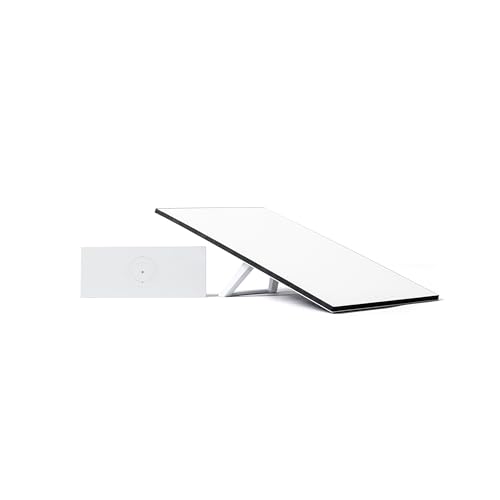
STARLINK Standard Kit AX 4 X Tri Band Wi-Fi System – High-Speed, Low-Latency V4 Internet Band AC Wi-Fi Router and Satellite Dish System – High-Speed Portable Internet – White
- High-Speed Internet: Reliable, low-latency connectivity
- Service Plan Required: Activate with personalized plan
- Flexible Plans: Household or travel options
As an affiliate, we earn on qualifying purchases.
As an affiliate, we earn on qualifying purchases.
Background of SpaceX’s IPO and Market Debates
Last week, SpaceX’s IPO set a record as the largest in history, with shares opening at $135 and closing at $161. The company reported $18.7 billion in revenue in 2025 but also lost nearly $5 billion, prompting debate over its valuation. Analysts have expressed mixed views: some see long-term potential due to its technological advantages and market position, while others warn of overvaluation given its capital-intensive operations and ambitious growth forecasts.
“The company’s valuation exceeds $2 trillion, but its ability to generate cash flow at that scale remains uncertain.”
— an anonymous researcher
Uncertainties Surrounding SpaceX’s Valuation and Growth
It remains unclear whether SpaceX’s current valuation is justified by its future cash flows and earnings, or if market enthusiasm will sustain as the company scales. The lack of detailed governance and execution risk disclosures in the IPO prospectus adds to investor caution. Additionally, the company’s ability to turn ambitious promises into tangible revenue growth is still to be proven.
Next Steps for SpaceX’s Market Performance and Growth
Investors will monitor SpaceX’s upcoming quarterly results and operational milestones, especially related to Starship launches and Starlink expansion. Regulatory approvals and technological developments will also influence its valuation trajectory. Market analysts will continue to assess whether the company’s long-term vision can translate into consistent profitability and justify its current valuation.
Key Questions
Why did SpaceX’s IPO set a record?
It was the largest IPO in history, driven by investor enthusiasm for space technology, Starlink, and SpaceX’s growth prospects, leading to a significant market cap increase.
Is SpaceX’s valuation justified?
Some analysts believe the valuation reflects long-term potential, while others warn it may be overvalued given the company’s current earnings and capital needs.
What are the main concerns about SpaceX’s future?
Key concerns include whether the company can generate sufficient cash flow to support its high valuation and whether its ambitious promises will materialize into revenue.
How might SpaceX’s IPO influence the space industry?
The IPO’s success may encourage more investment in space ventures and could set a precedent for future space-related tech companies seeking public funding.
What are SpaceX’s next major milestones?
Upcoming launches of Starship, expansion of Starlink services, and regulatory approvals for orbital data centers will be key developments to watch.
Source: Google Trends