
The future of retail is all about blending your online and in-store experiences seamlessly. You’ll enjoy personalized shopping journeys supported by real-time data, smart digital displays, and immersive technologies like AR and livestream shopping. Physical stores act as extensions of digital platforms, offering options like BOPIS and curbside pickup. This integrated approach creates more convenience and engagement. To discover how these innovations transform your shopping, explore the upcoming trends shaping retail’s next chapter.
Key Takeaways
- Seamless integration of online and offline channels enables personalized, real-time customer experiences across all touchpoints.
- Digital technologies like AR, IoT, and digital signage enhance in-store engagement and support hybrid shopping journeys.
- Data-driven insights facilitate synchronized cross-channel marketing, inventory management, and customer personalization.
- Live video commerce and interactive digital displays boost in-store traffic and foster emotional brand connections.
- Advanced analytics and immersive tech support sustainable, efficient, and highly personalized retail environments.
The Evolution of Retail: A Digital and Physical Convergence
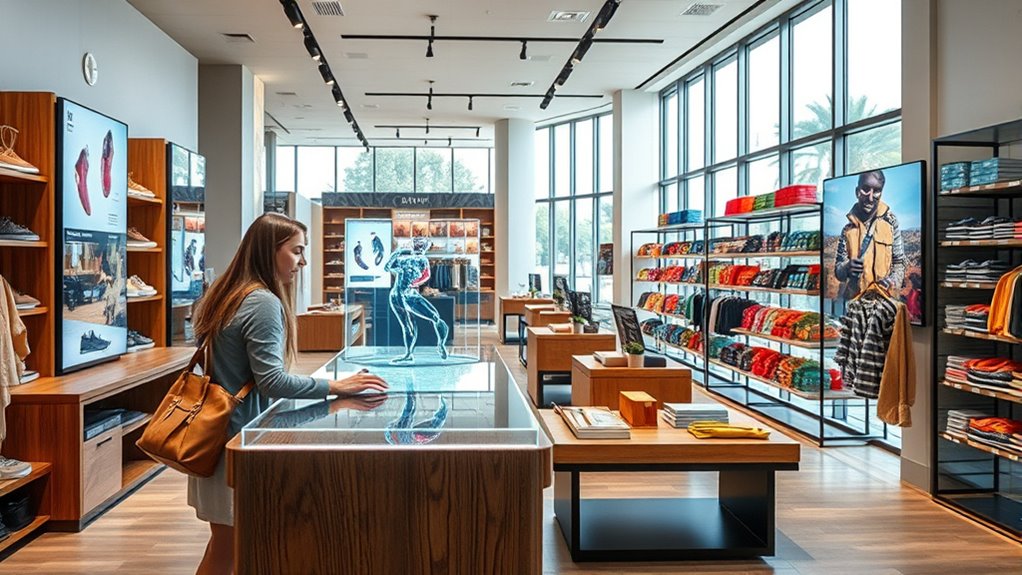
The evolution of retail is fundamentally reshaping how you shop by blending digital and physical experiences seamlessly. Post-pandemic, in-person shopping increased by 22% in early 2022, reflecting a desire for hybrid journeys like online research combined with in-store pickup. You now expect real-time inventory checks via mobile apps and a smooth shift between online browsing and physical fulfillment. Retailers have responded by integrating technology—personalized recommendations through mobile apps, augmented reality for product visualization, and IoT devices for smart shelves and automated checkout. Physical stores serve as extensions of digital ecosystems, with strategies like curbside pickup and BOPIS becoming standard. Experience innovations, such as interactive kiosks and virtual try-ons, further enhance your shopping journey, blurring the lines between online and offline shopping and creating a unified, engaging retail environment. Industry convergence is accelerating this transformation, leading to more integrated and seamless shopping experiences across channels. Additionally, the use of digital integration helps retailers gather valuable data to better understand and anticipate customer needs, fostering a more tailored shopping experience. Furthermore, advancements in home technology are enabling consumers to virtually test products and visualize how they will fit into their homes before making a purchase. As the retail landscape continues to evolve, brick-and-mortar stores are increasingly becoming experiential spaces that complement online services, supported by a holistic SEO approach that emphasizes content relevance and user experience. Incorporating interior design principles, such as creating inviting and engaging store layouts, can further enhance the overall customer experience.
How Video Commerce Is Transforming Shopping Experiences

Video commerce is revolutionizing how you shop by making online experiences more interactive and engaging. Shoppable videos let you click hotspots to buy directly, while livestream shopping offers real-time demos and instant purchases—expected to hit $35 billion in the U.S. by 2024.
Video ads with one-click checkout streamline your journey, and pre-recorded demos highlight product features clearly. These formats boost attention retention and confidence, with 87% of marketers saying videos help you make informed decisions.
Interactive elements reduce friction, minimizing navigation and increasing conversions. Live Q&A sessions foster real-time engagement, creating emotional connections with brands. Additionally, incorporating AI security can help protect sensitive customer data and ensure secure transactions, building trust in digital shopping environments.
Understanding the psychological research behind consumer behavior can further optimize these experiences, making online shopping not only more convenient but also more satisfying. Moreover, ongoing AI safety measures are essential to maintain trustworthy and secure AI-powered retail solutions.
Implementing virtual try-ons can also enhance confidence in purchasing decisions by allowing consumers to see products in a realistic setting before buying.
Personalization Through AI: Tailoring In-Store and Online Interactions
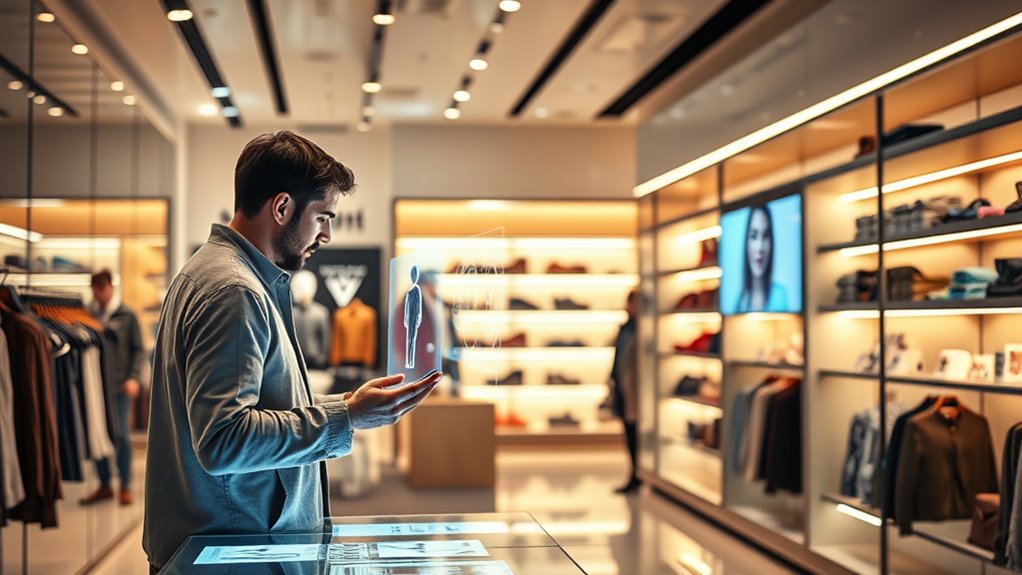
As retailers harness AI to deliver personalized shopping experiences, they can substantially boost customer satisfaction and conversion rates. AI-driven targeting increases return on ad spend by 10-25%, while personalized recommendations drive 31% of e-commerce revenue. Customers are 20% more satisfied and 10-15% more likely to purchase when their preferences are tailored using AI. Effective personalization creates seamless, omnichannel customer experiences Over half of shoppers (51%) want AI-enhanced features, with Gen Z and millennials especially valuing personalized promotions and customization tools. Retailers analyze real-time data and use predictive algorithms to anticipate preferences across channels, maintaining cross-channel consistency. Data-driven content clusters enable brands like Nike, Kroger, and Macy’s to showcase how AI enables scalable customization and targeted offers, fostering loyalty and impulse buys. Incorporating predictive analytics further refines personalization efforts, ensuring that tailored experiences adapt to evolving customer behaviors. Additionally, understanding the underlying arcade machine hardware can inspire innovative retail displays and entertainment options, creating engaging in-store environments that attract tech-savvy consumers. Implementing privacy safeguards is essential to maintaining consumer trust while leveraging data-driven personalization. Balancing data privacy and mitigating bias remain key to successful AI personalization efforts.
The Power of Digital Signage and Interactive Displays in Retail
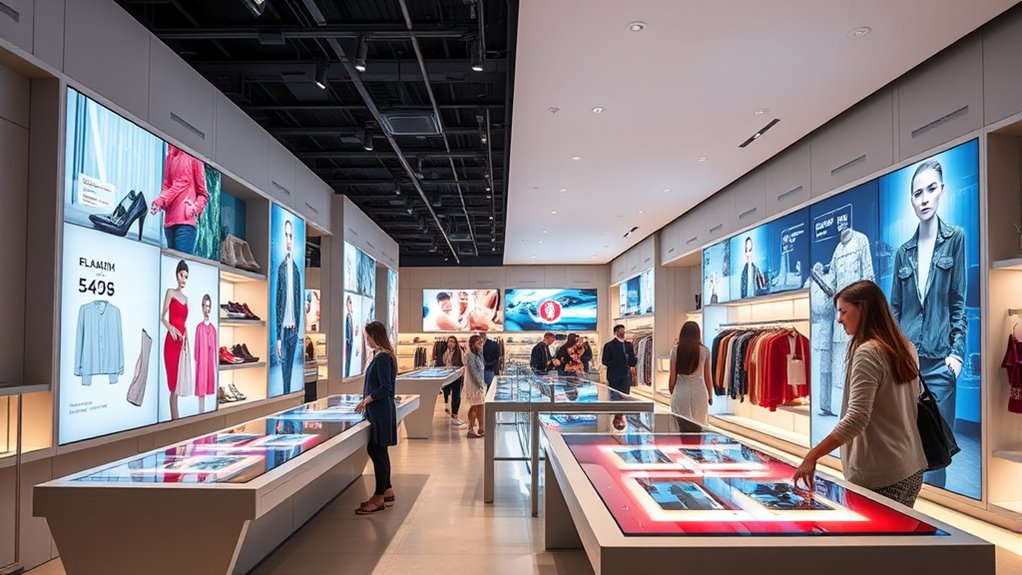
Digital signage and interactive displays are transforming the retail landscape by capturing customer attention and enhancing their shopping experience. You’ll notice increased sales, with digital signage driving a 29.5% boost, and 70% of customers say it influences their purchasing decisions. These displays also improve brand recall by 52% and raise brand awareness—84% of retailers agree on this benefit. They attract customers too; shoppers are 80% more likely to enter stores with digital displays. Additionally, the integration of interactive technology allows for personalized shopping experiences that adapt to individual preferences. As the industry continues to evolve, the adoption of sustainability initiatives in digital signage not only supports environmental goals but also appeals to increasingly eco-conscious consumers. Incorporating recycled materials into digital signage displays further emphasizes retail commitments to sustainability. Digital signage enhances the shopping journey by providing relevant info at key moments, boosting satisfaction by 46% and increasing average purchase values by nearly 30%. They also streamline navigation, gather feedback, and improve operational efficiency, making digital signage a crucial tool for modern retail success. Furthermore, AI-powered personalization can optimize content delivery based on real-time customer data, creating more engaging and effective displays. The market growth for digital signage solutions continues to accelerate, with projections indicating a multi-billion dollar industry by 2025, opening new opportunities for retailers to leverage advanced digital solutions.
Strategies for Seamless Cross-Channel Integration
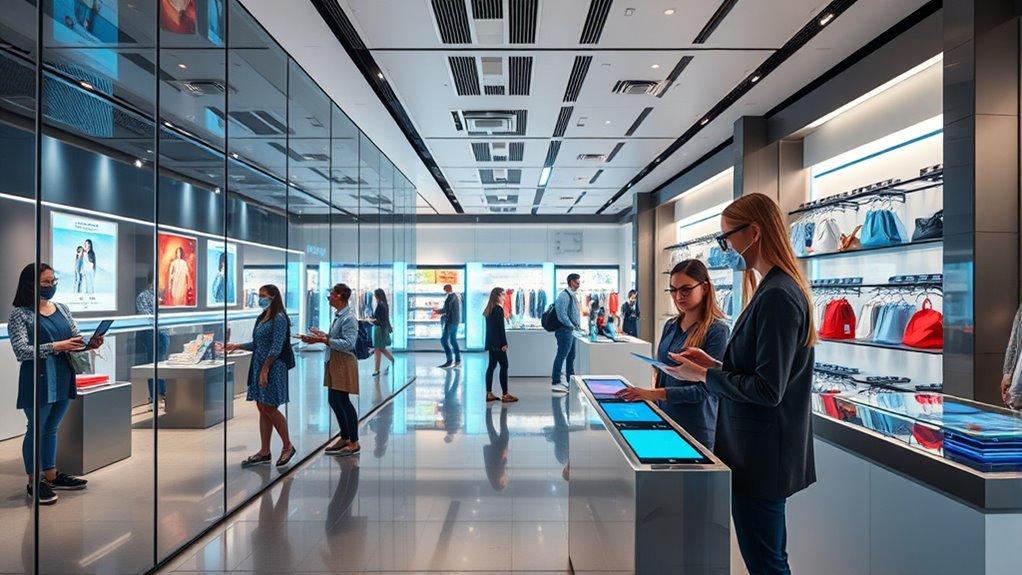
Achieving seamless cross-channel integration is essential for delivering a cohesive customer experience that drives loyalty and sales. You should centralize customer data using CRM and ERP systems to create a unified profile, enabling personalized marketing. This integration allows for better revenue attribution across channels, ensuring marketing efforts are accurately measured and optimized. Implement composable data platforms that integrate multiple sources to improve targeting and relevance. Regularly clean and update data to guarantee accuracy, linking online and offline behaviors for better product recommendations. Incorporate cookie management insights to understand customer health trends, which can inform personalized product offerings and marketing strategies. Integrating soaring and gliding principles into data analysis can enhance predictive capabilities and system stability, leading to more accurate customer insights. Additionally, adopting real-time data synchronization can significantly improve the responsiveness of cross-channel campaigns and customer interactions. Collaborate across marketing, sales, and service teams by sharing a campaign calendar and using cloud tools for real-time coordination. Focus on channels where your customers are most active, blending digital tactics like email and social media with offline tools such as QR codes and flyers. Prioritize flexible fulfillment options and track performance metrics to optimize your cross-channel strategies continually.
Benefits of Merging Digital and Physical Retail Environments
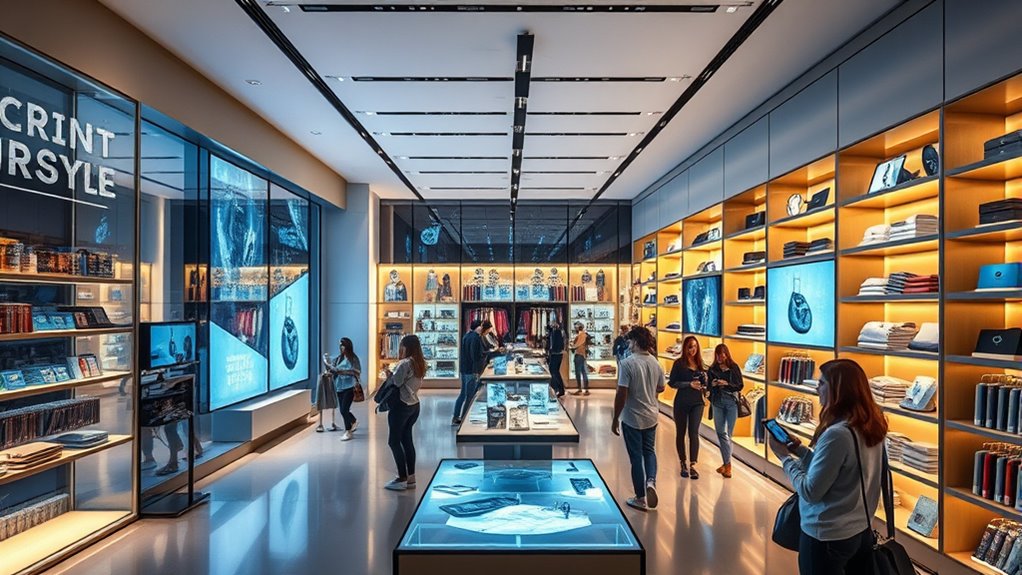
Merging digital and physical retail environments creates a unified shopping experience that benefits both your customers and your business. You provide consistency across channels, ensuring customers enjoy seamless service whether shopping online or in-store.
This integration offers greater accessibility and convenience, giving your customers multiple ways to explore and purchase products. Combining digital and physical touchpoints allows for personalized interactions, improving service quality and boosting customer satisfaction.
It also reduces the chances of sold-out items, as online availability checks inform in-store decisions. Customers can research products online before visiting, increasing engagement.
This approach enhances sales by offering flexible options like online ordering with in-store pickup, and fosters loyalty through tailored experiences. Ultimately, merging these environments strengthens your competitive edge and helps you better understand consumer behavior for smarter business decisions.
Emerging Technologies Shaping the Future Retail Landscape
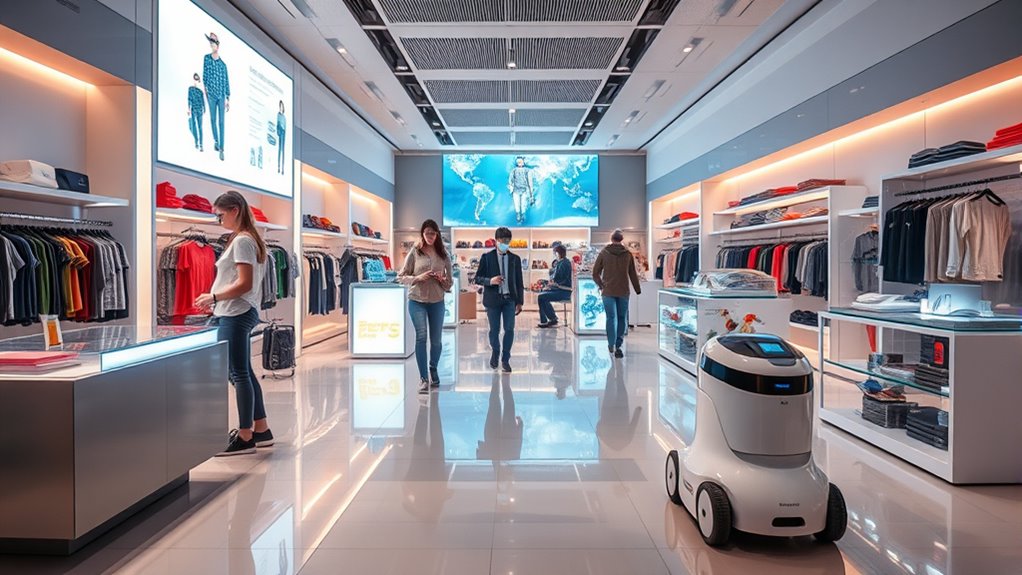
Emerging technologies are transforming the retail landscape by enabling seamless integration across multiple channels and enhancing operational efficiency. You can now offer a unified commerce experience, connecting online, mobile, and in-store shopping for consistency.
Advanced data analytics help you understand consumer behavior better, while social commerce integrates purchases on social platforms, meeting rising customer expectations for seamless interactions.
AI and real-time analytics empower you to make quick decisions on inventory, pricing, and marketing, while predictive analytics forecast trends.
Immersive tech like AR/VR and livestream shopping create engaging, personalized experiences that bridge digital and physical spaces.
IoT devices automate inventory management, track foot traffic, and optimize operations.
Together, these innovations boost efficiency, improve customer engagement, and support sustainable practices—shaping the future of retail.
Frequently Asked Questions
How Will Augmented Reality Enhance Future In-Store Shopping Experiences?
Augmented reality will transform your in-store shopping by making it more interactive and personalized. With AR, you can virtually try products before buying, navigate stores effortlessly with real-time overlays, and access instant product info.
It encourages impulsive purchases, boosts engagement, and offers tailored promotions. Plus, AR-supported post-purchase guides improve satisfaction.
What Role Will Blockchain Play in Retail Personalization and Security?
Did you know blockchain can reduce retail fraud by up to 50%? It plays a vital role in personalization and security by securely storing customer data, enabling tailored recommendations and trusted transactions.
You benefit from enhanced trust, as blockchain verifies product origins and protects sensitive information. This technology creates a safer, more personalized shopping experience, strengthening your connection with brands while reducing the risk of fraud and data breaches.
How Can Retailers Measure Success in Omnichannel Strategies?
You can measure success in your omnichannel strategy by tracking key metrics like customer retention rate, which shows loyalty, and CLV, highlighting value from engaged customers.
Conversion rates reveal how well your channels turn prospects into buyers, while NPS gauges satisfaction.
Also, monitor inventory turnover and gross profit margin to assess operational efficiency, ensuring your efforts create a seamless, profitable experience across all platforms.
What Challenges Exist in Integrating Legacy Systems With New Technology?
You might think integrating legacy systems with new tech is impossible, but it’s manageable with the right approach. Challenges include their inflexible architecture, incompatible data, and security vulnerabilities.
These issues create data silos, performance problems, and high maintenance costs. To overcome this, you should adopt phased modernization, leverage cloud solutions, and develop strategic integration plans.
This approach ensures your systems evolve without disrupting operations and enables future growth.
How Will Privacy Concerns Impact Retail Data Collection Efforts?
Privacy concerns will substantially influence your retail data collection efforts. You’ll need to prioritize transparency, clearly communicating how you collect and use data to build trust.
Balancing personalization with privacy is critical, so adopting privacy-enhancing techniques and obtaining proper consent become essential.
Regulations like GDPR and CCPA require you to minimize data collection and protect customer information, meaning you’ll have to continuously adapt your strategies to stay compliant and maintain consumer trust.
Conclusion
So, as you marvel at how retail’s future blends screens and shelves, remember—it’s almost ironic. While we chase hyper-personalization and seamless integration, sometimes the real magic happens when you just walk into a store and find what you didn’t know you needed. In this digital age, maybe the biggest innovation is still the simple joy of discovering surprises in person. After all, isn’t that what makes shopping exciting again?